
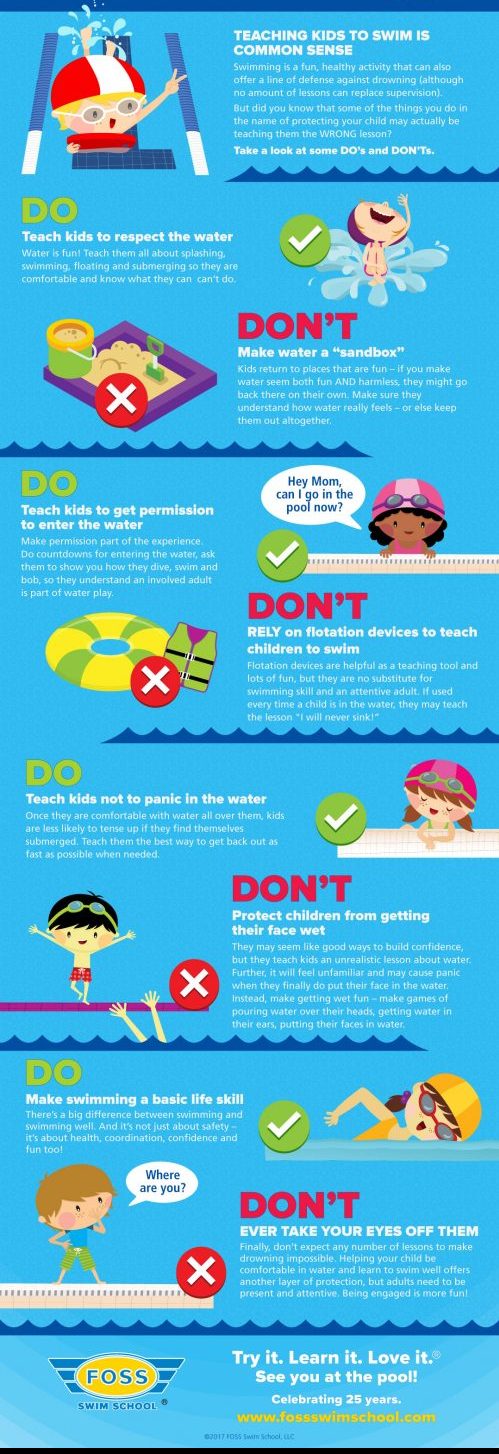
Image Source: www.fossswimschool.com
Easy Steps: How To Teach Your Toddler To Swim Safe
Why should you teach your toddler to swim, when is the best age to start, and is it truly safe to introduce them to swimming at such a young age? Teaching your toddler basic water skills is primarily about safety and comfort, not necessarily making them independent swimmers right away. Many experts agree that introducing children to water early, often through infant swim lessons or starting around age 1-3, helps build essential water safety for toddlers foundations and comfort levels. Yes, it is safe, provided you maintain constant, vigilant, touch supervision and follow recommended guidelines and teaching methods focused on building confidence and basic survival instincts in the water, rather than pushing for advanced swimming strokes. This guide will walk you through gentle steps to help your toddler become safer and happier in the water.
Why Early Water Exposure Matters
Getting your toddler comfortable and familiar with water early on has big plus points. The main one is safety. Drowning is a serious risk for young children. Giving them basic water skills and teaching them respect for water makes them much safer around pools, lakes, and other water spots.
Starting young also helps stop toddler water fear from growing. If their first water times are fun and gentle, they learn to see water as a happy place. This early start makes it easier when they are ready for more formal toddler swim lessons. It’s all about building confidence step by step.
Finding the Right Time to Start
Many parents wonder about the best age to teach child swim. There’s no single “right” day or age, but starting early has benefits.
- Infants (Under 1 year): Infant swim lessons aren’t about swimming strokes. They are about getting babies used to the water, enjoying the feeling, and learning safety cues like holding onto the side. These classes are often parent and child swimming sessions, which helps both feel secure.
- Toddlers (1 to 3 years): This age is great for building on water comfort and introducing simple basic swim skills for toddlers. They have better physical control than babies. They can learn to kick, paddle, and maybe even practice floating briefly with help. Toddler swim lessons are common and very helpful at this stage.
The key is readiness. Is your toddler generally happy and not easily scared by new things? Do they enjoy bath time? These can be good signs they are ready to start exploring water in a bigger setting.
Getting Cozy in the Water: Making Them Comfortable
The very first step, and maybe the most important, is making toddlers comfortable water. This isn’t about swimming; it’s about feeling safe and happy.
- Start Small and Familiar:
- Make bath time fun! Use toys, pour water gently over their head (with warning!), and sing songs. This gets them used to water on their face and body.
- Take them to the shallowest part of a pool. Just sit on the steps with them. Let them splash their hands. No pressure to do anything more.
- Keep it Gentle:
- Hold them close. Physical closeness makes them feel safe in a new environment.
- Let them control how much water gets on them at first. If they don’t want their face wet, that’s okay for now.
- Never ever force them or throw them in. This can cause toddler water fear that is hard to fix later.
- Use Fun Activities:
- Sing simple songs with actions, like “Row, Row, Row Your Boat” or “Itsy Bitsy Spider,” adapted for the water.
- Bring favorite bath toys to the pool. Let them play and reach for toys.
- Blow bubbles outside the water, then try blowing bubbles into the water. This teaches breath control.
Getting comfortable can take many visits. Be patient and celebrate small steps.
Playtime is Learning Time: Toddler Swimming Activities
Learning happens best through play at this age. Toddler swimming activities should be fun games that build confidence and introduce basic skills without pressure.
Here are some simple toddler swimming activities:
- Splashing Games: Encourage them to splash with their hands and feet. This is fun and gets them used to water moving around them.
- Toy Reach: Place a floating toy just out of reach in the shallow water. Help them reach for it. This encourages movement and leaning forward.
- Kick, Kick, Kick: Hold them securely while their legs are in the water. Gently move their legs to show them kicking. Sing a song about kicking. Let them try themselves.
- Water Kisses/Blow Bubbles: Encourage them to put their chin in the water and blow bubbles. This is a basic step for getting their face wet and breath control. Progress to putting their mouth, then nose and mouth, in the water briefly.
- “Ready, Set, Go!” Dips: For quick, voluntary submersions. On the count of three, give a verbal cue (“Ready, Set, Go!”) and gently help them put their mouth/chin in the water for just a second. Always get their permission through a cue or signal. This helps prevent panic from unexpected submersion.
- Scooping Water: Give them a small cup or scoop. Let them scoop water and pour it. This helps them interact with the water.
Make sure you are having fun too! Your positive attitude is contagious.
Building Key Water Skills: Basic Swim Skills for Toddlers
Once your toddler is happy in the water, you can gently introduce some basic swim skills for toddlers. Remember, these are foundational steps, not full swimming strokes.
- Entering and Exiting Safely: Teach them how to get into and out of the pool using the steps or side. Practice holding the wall and climbing out. This is a vital water safety for toddlers skill.
- Show them how to find the steps.
- Hold their hands and guide their feet onto the steps.
- Practice holding the pool edge and pulling themselves up (with lots of help).
- Blowing Bubbles: As mentioned, this teaches breath control and gets them okay with their face being near or in the water.
- Start by blowing on the water surface.
- Progress to putting lips in, then mouth, then nose and mouth briefly. Make it a game (“Can you make the water dance with bubbles?”).
- Supported Kicking: Practice kicking their legs while you hold them under the arms or around the chest. Encourage them to make big splashes with their feet. This builds leg strength and motion.
- Arm Movements (Paddling): While you hold them securely, encourage them to move their arms forward in the water, like they’re reaching for something or scooping water. This introduces arm action.
- Getting Wet (Voluntary): Encourage them to put their ears, then the back of their head, in the water while you support them. This helps them get used to different parts of their body being submerged.
- Short, Supported Swims: Hold them securely under their chest or tummy. Let them paddle and kick a very short distance (like from you to the wall, just a foot or two away). This gives them the feeling of moving through water using their body.
Keep these sessions short and end on a positive note before they get tired or cold.
An Important Skill: Teaching Toddlers to Float
Learning to float is one of the most crucial water safety for toddlers skills, even if they can only do it for a short time with support. It gives them a way to rest and breathe if they accidentally fall in. Teaching toddlers to float requires patience and trust.
- Back Float: This is often harder for toddlers than a front float because they can’t see you as well, and keeping their head back feels unnatural.
- Start by supporting their head and back completely while they lie on their back in the water.
- Sing calm songs.
- Gradually reduce your support very slowly as they relax. Keep your hands just under them, ready to catch.
- Praise them for relaxing.
- Don’t expect them to do this independently for a long time, if ever, at this age. The goal is comfort lying on their back.
- Front Float (with support): This can feel more natural as they can see their hands.
- Hold them under their tummy or chest.
- Let them lean forward with their face in the water (if they are comfortable blowing bubbles).
- Support their weight as they kick and paddle.
- This often looks like “superman” or “starfish” floats with your help.
Focus on helping them understand what their body feels like in a floating position. Don’t worry about perfect form or length of time. Any practice helps.
Choosing Your Approach: Parent-Led vs. Classes
Parents have two main ways to approach teaching toddlers water skills: doing it themselves or joining structured classes. Both have benefits.
Doing it Yourself (Parent and Child Swimming)
This involves you, the parent (or another trusted adult), leading all the water time.
- Pros:
- Flexible timing: You go when it works for you.
- Comfort: Your child is with their most trusted person.
- Cost-effective: You only pay for pool entry, not lesson fees.
- Tailored pace: You can perfectly match the activities to your child’s mood and progress on any given day.
- Cons:
- Need knowledge: You have to know what skills to teach and how to teach them safely and effectively.
- Less structure: It can be harder to follow a clear progression without a set curriculum.
- Lack of expert feedback: You don’t have a swim teacher to correct techniques or offer tips.
- Can be isolating: No other kids for your toddler to watch or interact with (though interaction isn’t the main goal at this age).
If you choose this path, research activities, watch videos, and follow a plan. Consistency is key. Use toddler swimming activities to make it fun.
Joining Structured Toddler Swim Lessons
These are often parent and child swimming classes where a qualified instructor guides you and your toddler through activities and skills.
- Pros:
- Expert guidance: Instructors know how to teach skills age-appropriately and safely.
- Structured curriculum: Lessons follow a plan, ensuring skills are introduced logically.
- Social interaction: Toddlers see other kids (and parents!) in the water, which can be encouraging.
- Dedicated time: Signing up for a class means you commit to regular pool time.
- Uses proven methods and toddler swimming activities.
- Cons:
- Cost: Classes require fees.
- Fixed schedule: You have to go at a specific time.
- Pace might not match exactly your child’s needs (though good instructors adapt).
- Some toddlers might be overwhelmed in a group setting at first.
Many parents find a mix works well – attending classes for structured learning and using free swim time to practice what they learned and have fun doing toddler swimming activities.
Here is a simple comparison:
| Feature | Parent-Led Approach | Structured Classes (Toddler Swim Lessons) |
|---|---|---|
| Cost | Low (pool entry) | Higher (lesson fees) |
| Structure | Flexible, parent-defined | Set curriculum, instructor-led |
| Expertise | Relies on parent research/knowledge | Guided by qualified swim instructor |
| Social | Limited (just parent/child) | Group setting, other parents and toddlers |
| Consistency | Depends on parent’s scheduling/motivation | Regular weekly sessions |
| Skill Progression | Parent must plan/track | Instructor guides progress |
| Best For | Parents confident in teaching, on a budget | Parents wanting guidance, structure, group setting |
Handling Common Challenges: Overcoming Toddler Water Fear
It’s totally normal for toddlers to show some fear or hesitation around water. Overcoming toddler water fear takes time, patience, and the right approach.
- Signs of Fear: Crying, clinging tightly, refusing to get in, tense body, wide eyes, trying to climb out.
- What NOT to Do:
- Never force them into the water or under the water. This will increase fear and break trust.
- Don’t make fun of their fear or tell them they are being silly. Their feelings are real.
- Don’t compare them to other kids who seem more comfortable.
- What TO Do:
- Go Slow: If they are scared of the pool, just sit by the edge. Next time, maybe sit on the first step. Let them set the pace.
- Start Very Small: If the pool is too much, just play with water at the edge, or even practice in the bath.
- Hold Them Securely: Physical contact and a firm, calm hold make them feel safe.
- Use Distraction & Play: Sing songs, use fun toys, play simple games that focus on having fun rather than skill learning. Toddler swimming activities are great for this.
- Praise Effort, Not Just Success: Praise them for getting their toes wet, for sitting on the step, for blowing one bubble, even if they are still nervous. Focus on bravery and trying.
- Lead by Example: Show them you are comfortable and happy in the water. Get in with them.
- Take Breaks: If they are showing strong fear signals, it’s okay to take a break, leave the pool, and try again another day. Pushing too hard can make it worse.
- Be Consistent: Regular, short, positive visits are better than infrequent, long, stressful ones.
Remember, the goal is comfort. Skills come later. A happy toddler in the water is a huge win.
Non-Negotiable: Water Safety for Toddlers
While teaching skills is important, water safety for toddlers is the absolute top priority, always. These rules apply whether you are in a lesson, at a public pool, or have a pool at home.
- Constant, Touch Supervision: This is the golden rule. An adult must be within arm’s reach of the toddler at all times they are near or in the water. No distractions (phones, books, talking to others). Eyes must be on the child.
- Pool Barriers: If you have a home pool, it must be fully fenced with self-latching gates that children cannot open. This is a critical layer of protection.
- Learn CPR: All parents and caregivers should learn CPR for children and infants. Knowing what to do in an emergency can save a life.
- Use Approved Life Vests: For open water (lakes, rivers, oceans) or even some pool situations (like on a boat), use a Coast Guard-approved life vest that fits properly. Note: Life vests are for safety in specific situations; they are not teaching tools for learning to swim, as they put the child in a vertical position and give a false sense of ability.
- Teach Water Rules: As soon as they can understand, teach simple rules:
- “Wait for an adult.” (Never go near water without an adult).
- “No running near the pool.”
- “Always ask before getting in.”
- Empty Wading Pools: Empty small wading pools immediately after use. A toddler can drown in just a few inches of water.
- Be Aware of Other Hazards: Water collection in buckets, bathtubs, toilets – always be mindful and secure these areas.
- Designated Water Watcher: At gatherings, make sure one adult is specifically assigned as the “water watcher,” free from distractions, wearing something easily identifiable (like a specific hat or lanyard). Take turns being the watcher.
Safety isn’t just for swim time; it’s every single second they are near water.
Putting it All Together: A Gentle Progression
Think of teaching your toddler water skills as a journey with steps:
- Step 1: Get Comfortable (Multiple Sessions):
- Introduce water gently in the bath and shallow pool.
- Focus only on fun and feeling safe.
- Use simple toddler swimming activities like splashing and singing.
- Address any toddler water fear with patience.
- Goal: Happy to be in the water with you, not scared.
- Step 2: Introduce Basic Control (Ongoing):
- Once comfortable, gently add skills like blowing bubbles.
- Practice safe entry/exit.
- Introduce getting face wet (chin, mouth).
- Goal: Starting to control breath around water, knowing how to get in/out safely.
- Step 3: Add Movement (Ongoing):
- Introduce supported kicking and arm movements through play.
- Practice short, supported “swims.”
- Begin gentle practice of teaching toddlers to float with full support.
- Goal: Feeling their body move in the water with your help, starting to associate movement with getting around.
- Step 4: Build Endurance & Refine (Over Time):
- Continue practicing all basic skills.
- Slowly reduce some support as they show readiness (but maintain touch supervision!).
- Increase comfort with face in water and brief submersions (always voluntary).
- Enroll in structured toddler swim lessons if desired for more formal progression.
- Goal: Increased confidence, more efficient basic movements, improved water safety habits.
This process takes time. Weeks, months, even years. Celebrate each tiny step forward!
Beyond the Basics: What Comes Next?
After your toddler is comfortable and has some basic swim skills for toddlers, they are ready for the next phase. This usually happens around ages 3-5, depending on the child.
- Formal Swim Lessons: They can transition to traditional toddler swim lessons or preschooler swim lessons focused on proper technique for skills like floating independently, treading water, and basic propulsion strokes (like a simple freestyle kick or doggy paddle).
- Increased Independence (with Supervision): As skills grow, they might be able to move slightly more independently in the shallow end while you are still right there watching. But the rule of constant, touch supervision remains until they are truly competent swimmers.
- Continued Practice: Even with lessons, regular free play and practice time in the water are crucial for building strength and confidence. Keep using fun toddler swimming activities.
The goal is a child who is water-safe, confident, and enjoys being in the water, ready to learn more advanced skills when they are older.
Frequently Asked Questions (FAQ)
- Q: My toddler screams every time we get near the water. What should I do?
A: Don’t force it. This is a sign of strong toddler water fear. Go back to basics. Start by just sitting by the pool edge away from the water. Let them watch others. Sing songs. Maybe just put their feet in the water for one second and then take them out, praising them for trying. Use toys. Be extremely patient. Consistency with very short, positive visits is key. - Q: Do I need special gear?
A: A comfortable swimsuit, a swim diaper if not potty trained, and possibly a towel with a hood are the main things. Goggles aren’t necessary for basic comfort and safety skills at this age, but some kids like them later. Kickboards or noodles can be introduced later for fun and skill practice under supervision. - Q: How often should we go swimming?
A: Consistency helps. Aim for once or twice a week if possible. Even short 15-20 minute sessions are more effective than long, infrequent ones. - Q: Are floaties (like armbands or inflatable rings) good for teaching?
A: No, generally not for teaching skills. Floaties hold a child upright or in a vertical position, which is not the body position for swimming or floating. They give a false sense of security and don’t help build the skills needed for survival. They can be used for fun recreation in the water, but only with very close adult supervision, as they can deflate or slip off. A proper, approved life vest is for specific safety situations, not swim lessons. - Q: How long will it take for my toddler to learn to swim?
A: True independent swimming takes years, not weeks or months, especially for toddlers. The goal at this age is comfort, confidence, and basic safety skills like knowing how to get to the edge. Focus on progress, not speed. Every child learns differently.
Conclusion
Teaching your toddler to be comfortable and safe in the water is a wonderful gift you can give them. It’s a journey built on patience, fun, and putting water safety for toddlers first above all else. By starting early, focusing on making toddlers comfortable water through gentle play and toddler swimming activities, and gradually introducing basic swim skills for toddlers like supported kicking and teaching toddlers to float, you build a strong foundation. Whether you choose parent and child swimming on your own or enroll in structured toddler swim lessons, remember to celebrate every small step, handle overcoming toddler water fear with kindness, and maintain constant, vigilant supervision. With a positive approach and a focus on safety, you can help your child develop confidence and a love for the water that will last a lifetime.