
Can you remove tartar from your toddler’s teeth at home? Generally, removing hard tartar, which is like a tough, rocky buildup, is very hard to do safely at home and usually needs a dentist’s help. What you can do at home is focus on stopping tartar from forming in the first place by keeping your toddler’s teeth very clean, which means removing the soft stuff called plaque. This article will show you how to keep those little teeth clean and healthy every day to help prevent that tough buildup.
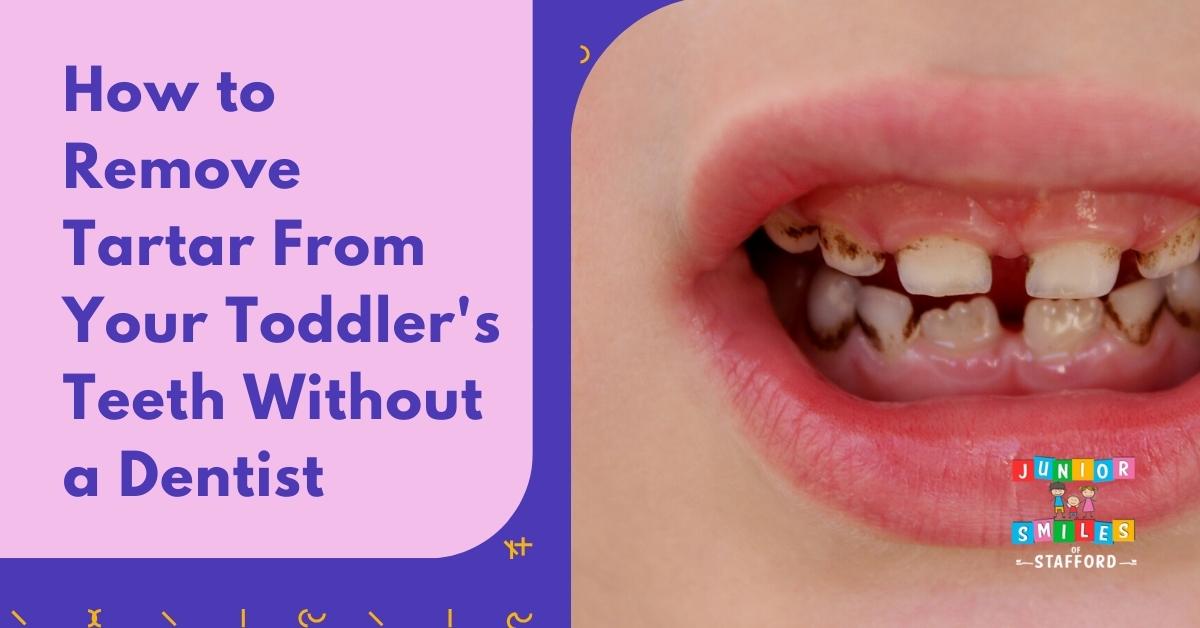
Image Source: juniorsmilesofstafford.com
What Tartar Is and Why It Matters
Let’s talk about what tartar is. Think of it like a sticky film that forms on teeth. This film is called plaque. Plaque is made of tiny food bits, stuff from drinks, and germs that live in the mouth. When you don’t clean plaque off right away, minerals in a child’s spit make it hard and rough. This hard stuff is tartar, also called calculus.
Plaque is soft and you can brush it away. Tartar is hard and sticks tight to teeth. It’s often yellow or brown. Because it’s rough, more plaque can stick to it easily. This can cause problems like cavities (holes in teeth) and gum trouble. So, stopping plaque from turning into tartar is key for healthy toddler teeth.
Why Removing Hard Tartar at Home Is Tricky
Trying to scrape hard tartar off a toddler’s tiny teeth is really difficult and can be unsafe.
- Tiny Mouths: Toddlers’ mouths are small. It’s hard to see well and reach all the spots.
- Wiggly Kids: Toddlers often don’t sit still. Trying to use tools near their gums and teeth when they are moving can cause harm.
- Hurting Gums: Tartar is stuck right on the tooth, often near the gums. Scraping can easily hurt the soft gum tissue.
- Tooth Damage: Hard tools can scratch or chip the tooth’s surface. This can make the tooth weaker or easier for plaque to stick to later.
- Pain and Fear: Forcing tools or being rough can scare a toddler and make future tooth cleaning or dentist visits very hard.
Because of this, most home methods focus on preventing tartar by keeping plaque off. If your toddler already has hard tartar, the safest way to get rid of it is usually a visit to a dentist.
Preventing Tartar Buildup in Toddlers: Your Main Job at Home
The best way to deal with tartar is to stop it before it happens. This means being great at toddler teeth cleaning at home every single day. Think of it like cleaning up a mess before it dries and gets hard.
Preventing tartar buildup in toddlers involves a few simple but important steps:
- Cleaning teeth well and often.
- Choosing the right things to eat and drink.
- Using the right tools, like a good toothbrush and toothpaste.
Let’s look closer at how to do these things well.
Oral Hygiene Tips for Toddlers: Daily Care Is Key
Good oral hygiene tips for toddlers start early and need to be a regular part of the day.
H4 Starting Early: Before Teeth Even Pop Out
Even before your baby’s first tooth shows, you can start cleaning their mouth.
- Use a soft, damp cloth or a special gum cleaner for babies.
- Gently wipe their gums after feedings.
- This gets them used to having their mouth cleaned and removes milk or food bits.
H4 Cleaning the First Teeth
When the first tooth pops through, it’s time to start brushing.
- Use a tiny toothbrush with a very soft head made for babies.
- You can use a tiny smear of fluoride toothpaste (about the size of a grain of rice). We’ll talk more about toothpaste later.
- Brush gently twice a day, once in the morning and once at night before bed.
H4 Getting Toddlers Used to Brushing
As your child gets older, making brushing a fun habit helps a lot.
- Let them watch you brush your teeth. Kids love to copy!
- Sing songs or tell stories while brushing.
- Let them hold the toothbrush sometimes, but you should still do the actual cleaning part until they are older and can do a good job themselves (usually around age 7 or 8).
- Use a timer or a song that lasts two minutes to make sure you brush long enough.
H4 Important Habits to Build
- Brush Twice a Day: This is very important. Brushing in the morning cleans away germs that build up overnight. Brushing at night gets rid of food and plaque from the day. This is the main way of removing plaque from toddler teeth at home.
- Clean All Sides: Make sure to reach all parts of every tooth – the front, the back, and the chewing surfaces.
Keeping up with these daily steps is the best way to keep teeth clean and fight plaque.
Brushing Techniques for Toddlers: How to Clean Well
Knowing the right brushing techniques for toddlers makes a big difference in getting teeth clean.
H4 Choose the Right Tools
- Toothbrush: Use a brush with a small head and soft bristles. It should fit comfortably in your child’s mouth. Look for brushes made for their age.
- Toothpaste: Use a fluoride toothpaste. Fluoride helps make teeth strong and fight cavities. For children under 3, use just a tiny smear (like a grain of rice). For children 3 and older, use a pea-sized amount. Make sure they don’t swallow too much toothpaste.
H4 Simple Steps for Brushing
Here’s a simple way to brush:
- Get Ready: Put a tiny amount of toothpaste on the brush. Have your child sit or stand in a way that is safe and lets you see their mouth well. Some parents find it easiest to have the child sit on their lap, facing away, with their head resting against the parent’s body.
- Brush the Outside: Gently brush the outside surfaces of the teeth (the parts you see when they smile). Use small, gentle circles or back-and-forth movements. Brush along the gum line too, very softly.
- Brush the Inside: Brush the inside surfaces of the teeth. This is often where plaque hides. Again, use gentle circles or strokes.
- Brush the Tops: Brush the chewing surfaces of the back teeth. Use flat, back-and-forth strokes.
- Brush the Tongue: Gently brush your child’s tongue. This helps remove germs and keeps breath fresh.
- Rinse (Maybe): For very young toddlers, they might not be good at spitting. It’s okay if they don’t rinse with water after brushing, as the tiny bit of fluoride toothpaste left behind can help protect teeth. As they get better at spitting, they can lightly rinse and spit.
H4 Making it Gentle
Cleaning baby teeth tartar naturally (meaning cleaning the plaque before it hardens) needs gentle ways to clean toddler teeth. Avoid pressing too hard. Toothbrush bristles should just lightly touch the teeth and gums. If gums bleed, you might be pressing too hard, or it could be a sign of gum irritation from plaque. If bleeding keeps happening, see a dentist.
Best Toothpaste for Toddler Tartar Prevention
Choosing the best toothpaste for toddler tartar prevention often comes down to fluoride.
- Fluoride Power: Fluoride is a mineral that works wonders for teeth. It helps fix tiny weak spots in tooth enamel before they turn into cavities. It also makes teeth stronger against acid attacks from food and germs.
- Age Matters:
- Under 3 years old: Use fluoride toothpaste, but only a smear the size of a grain of rice.
- 3 to 6 years old: Use fluoride toothpaste, a pea-sized amount.
- Spitting: Teach your child to spit out the toothpaste after brushing. It’s okay if they swallow a tiny bit, but they shouldn’t eat it.
- Flavors: Many kid toothpastes come in flavors like fruit or bubblegum. Find one your child likes, as this can make brushing easier.
- SLS-Free: Some children are sensitive to Sodium Lauryl Sulfate (SLS), a foaming agent found in many toothpastes. If your child gets mouth sores, try an SLS-free toothpaste.
Some parents look for “natural” toothpastes without fluoride. While these might be okay for very young babies just getting used to brushing, for preventing tartar and cavities, most dental experts agree that fluoride is the most effective ingredient, especially as kids get older and eat a wider range of foods. Always talk to your dentist about the best toothpaste choice for your child.
Diet Tips to Reduce Plaque in Toddlers
What your toddler eats and drinks has a big impact on how much plaque forms. Sugar is plaque’s best friend. Germs in the mouth eat sugar and make acid. This acid attacks teeth and helps plaque grow fast.
Here are some diet tips to reduce plaque in toddlers:
- Limit Sugar: This is the most important tip.
- Give sugary drinks (like juice, soda, sweet tea) only sometimes, and ideally, have your child drink them quickly with a meal, not sip on them all day. Water and milk are much better choices.
- Limit sugary snacks like candy, cookies, and cakes.
- Even some seemingly healthy snacks like fruit snacks or dried fruit can be very sticky and sugary, sticking to teeth.
- Be Careful with Sticky Foods: Foods that stick to teeth easily, like crackers, chips, and sticky fruits, give plaque more time to work. Brush or rinse with water after eating these if possible.
- Offer Tooth-Friendly Foods:
- Water: Drinking water helps wash away food bits and acid. Water with fluoride is even better for teeth.
- Fruits and Vegetables: Crunchy fruits and veggies like apples, carrots, and celery can help clean teeth naturally while chewing.
- Cheese: Cheese can help protect teeth by lessening acid.
- Plain Yogurt, Milk: Good sources of calcium and phosphorus, which help keep teeth strong.
H4 Avoid Constant Snacking
Eating or drinking sugary things often throughout the day is worse than having them at one time. Each time your child eats or drinks something sugary, germs make acid for about 20-30 minutes. If they snack all day, their teeth are constantly under acid attack. Stick to meal times and planned snacks, and offer water in between.
H4 No Bottles or Sippy Cups in Bed
Putting a child to bed with a bottle of milk, formula, or juice is a major cause of severe tooth decay, often called “baby bottle tooth decay.” The sugar stays on the teeth all night. Offer only water in bottles or sippy cups in bed. It’s best to help your child stop using bottles or sippy cups around their first birthday and move to regular cups.
Home Remedies for Toddler Dental Plaque: Gentle Cleaning Focus
When people talk about home remedies for toddler dental plaque or cleaning baby teeth tartar naturally, they are usually talking about preventing hard tartar by removing plaque. There aren’t safe or proven home remedies that can remove hard tartar itself.
What you can do at home, in addition to regular brushing, involves gentle ways to clean toddler teeth.
H4 Water
Simply drinking plain water after eating helps rinse away food bits and neutralizes some acid. Offering water during and after meals and snacks is a simple but effective step.
H4 Wiping Gums and Teeth
For very young babies, or as an extra step for toddlers, you can use a soft, damp cloth or a dental wipe (designed for baby teeth) to gently wipe teeth and gums after meals, especially before teeth are brushed. This helps remove milk residue or soft plaque.
H5 Do NOT Try This At Home!
It is important to know what not to do when thinking about removing plaque from toddler teeth at home or any ‘natural’ way to clean toddler teeth tartar.
- Do Not Use Sharp Objects: Never use fingernails, dental picks for adults, or any sharp item to try and scrape anything off your child’s teeth. This is very likely to cause injury or damage teeth.
- Do Not Use Harsh or Abrasive Substances: Don’t rub teeth with things like baking soda, lemon juice, or vinegar. These can be too rough or too acidic and hurt the tooth enamel. Toddler enamel is thinner than adult enamel.
- Do Not Use Unproven Oils or Herbs: While some natural oils might have properties that might help fight germs, rubbing them on a toddler’s teeth or having them rinse with them is generally not recommended as a substitute for brushing with fluoride toothpaste, and some could be harmful if swallowed. There is no good evidence they can remove tartar.
Stick to gentle brushing with age-appropriate toothpaste and managing diet. These are the safe and effective ways to handle plaque at home.
Identifying Plaque vs. Tartar: Knowing What You See
How can you tell if it’s just soft plaque or hard tartar?
- Plaque: Looks like a dull, sticky, sometimes fuzzy coating on teeth. It might be hard to see unless there’s a lot of it. You can usually scrape it off fairly easily with a clean fingernail (GENTLY!) or brush it away. It’s often found along the gum line.
- Tartar: Looks and feels hard and rough. It might be yellow, brown, or even black. You cannot easily scrape it off with a fingernail or brush it away. It’s stuck tight to the tooth. It often builds up behind the bottom front teeth and on the cheek-side of the upper back teeth, but it can be anywhere.
If you see hard, built-up areas that you cannot brush away, it’s likely tartar. This is when it’s time to see a dentist.
When to See a Dentist
While you can do a lot at home to prevent tartar, there are times when a dental professional is needed.
- Seeing Tartar: If you see hard yellow or brown buildup on your toddler’s teeth that you can’t brush off, a dentist can safely remove it. This is called a dental cleaning or scaling.
- Cavities: If you see brown or black spots on teeth, or holes, this could be a cavity. A dentist needs to fix cavities.
- Red or Swollen Gums: Gums that are red, puffy, or bleed easily can be a sign of gum disease, often caused by plaque and tartar. A dentist can help treat this.
- Pain: If your child complains of tooth pain, don’t wait. See a dentist.
- Regular Check-ups: The best way to catch problems early and get professional cleaning (to remove any tartar that has formed) is to have regular dental visits. The American Academy of Pediatric Dentistry recommends a child’s first dental visit by age one or when the first tooth appears. After that, visits are usually every six months.
A dentist can not only clean teeth better than you can at home but also spot problems you might miss and give you specific advice for your child’s mouth. They can also show you the best brushing techniques for your child’s age and mouth shape.
More Tips for Successful Toddler Dental Care
- Lead by Example: Brush and floss your own teeth regularly where your child can see you.
- Make it Fun: Use toothbrushes with favorite characters, flavored toothpaste, or brushing apps/videos.
- Read Books: There are many children’s books about visiting the dentist or brushing teeth that can help.
- Stay Calm: If your child resists brushing, try different positions, different times of day, or different brushes. Stay calm and patient. It’s important to get the cleaning done. You can let them try brushing first, then say, “My turn to make them super sparkly!”
- Reward Good Habits: Praise your child after brushing. Maybe a sticker on a chart. Avoid using sweet treats as rewards for brushing!
Table: Tooth-Friendly vs. Less Friendly Foods
Here is a simple table showing examples of foods that are generally better or worse for preventing plaque and tartar buildup:
| Tooth-Friendly Foods | Less Tooth-Friendly Foods |
|---|---|
| Water | Juice, Soda, Sweet Drinks |
| Milk, Plain Yogurt | Sweetened Milk, Flavored Yogurt |
| Fresh Fruits (apples, pears) | Dried Fruits (raisins), Fruit Snacks |
| Crunchy Vegetables (carrots) | Crackers, Chips, Puffed Snacks |
| Cheese | Candy, Cookies, Cakes |
| Lean Protein | Sticky Cereals |
Remember, it’s not just what they eat, but how often and how long sugary/starchy foods stay on teeth.
Summarizing Preventing Tartar Buildup in Toddlers
To wrap up, while you can’t safely scrape hard tartar off your toddler’s teeth at home, you have incredible power to stop it from forming. Your main tools are consistent, effective toddler teeth cleaning at home and smart diet choices.
Focus on:
- Daily Brushing: Using the right brushing techniques for toddlers with fluoride toothpaste, twice a day, getting all surfaces. This is key for removing plaque from toddler teeth at home.
- Wise Food Choices: Following diet tips to reduce plaque in toddlers, especially limiting sugary drinks and snacks and avoiding putting children to bed with anything but water.
- Gentle Cleaning: Using gentle ways to clean toddler teeth and gums, like wiping for very young ones, and ensuring brushing is soft but thorough.
- The Right Toothpaste: Using the best toothpaste for toddler tartar prevention, which is typically an age-appropriate fluoride toothpaste.
- Regular Dentist Visits: Seeing a dentist helps catch problems early and allows for professional cleaning if any tartar does build up.
By making these steps a regular part of your routine, you are doing the most important work to keep your toddler’s smile healthy and help prevent tartar buildup.
Frequently Asked Questions (FAQ)
H5 How can I remove the yellow stuff from my toddler’s teeth at home?
If the yellow stuff is soft and comes off when you brush, it’s likely plaque. Keep brushing twice a day using the correct technique and fluoride toothpaste. If the yellow stuff is hard and doesn’t come off with brushing, it’s likely tartar and needs a dentist to remove it safely.
H5 Is coconut oil pulling safe for toddlers to remove tartar?
Coconut oil pulling is not a proven way to remove tartar. For toddlers, it’s also not safe as they might swallow the oil, and it doesn’t replace the need for brushing with fluoride toothpaste. Focus on brushing and proper diet instead.
H5 My toddler hates brushing. What should I do?
Try making it fun! Sing songs, use a character brush, let them watch you brush, or read books about brushing. Try different positions. Be firm but gentle; brushing is not optional for healthy teeth. Consistency is key. You might need to hold them gently but securely to ensure the teeth get cleaned. Talk to your dentist for more tips tailored to your child.
H5 How do I know if my toddler has tartar?
Look for hard, rough buildup on the teeth that doesn’t brush off. It’s often near the gum line or between teeth. It can be yellow, brown, or darker. If you’re not sure, a dentist can easily tell during a check-up.
H5 Can I use an electric toothbrush on my toddler?
Yes, small electric toothbrushes made for children can be very effective. The vibrating bristles can help clean well. Make sure it’s a child-sized brush head and still use the correct amount of fluoride toothpaste and gentle technique.
H5 Is fluoride safe for toddlers?
Yes, fluoride is safe and very effective for preventing cavities when used correctly in the small amounts recommended (grain of rice size under age 3, pea-size for ages 3-6) and teaching them to spit. Swallowing large amounts is not good, which is why using only a little bit is important. Talk to your dentist if you have concerns about fluoride.
H5 What are the best ways to clean baby teeth tartar naturally?
Again, “naturally cleaning tartar” at home for babies usually means focusing on preventing plaque from becoming tartar. The best natural way is good mechanical cleaning: wiping gums and teeth with a cloth, and gentle brushing with a soft brush (with or without a tiny smear of fluoride paste, depending on age and dentist’s advice). Good diet is also natural prevention.
H5 How often should I take my toddler to the dentist?
The first visit should be by age one, or when the first tooth appears. After that, most dentists recommend visits every six months for check-ups and cleaning.
H5 Are dental wipes effective for cleaning toddler teeth?
Dental wipes can be useful for cleaning gums before teeth come in, or for wiping teeth after a snack or meal when you can’t brush. However, they are not a substitute for brushing with toothpaste, especially once molars come in. Use them as a helper tool, not the main cleaning method.
This detailed guide on preventing and managing plaque at home through good oral hygiene tips for toddlers, proper brushing techniques for toddlers, and smart diet tips to reduce plaque in toddlers gives you the tools you need for healthy smiles. Remember, preventing tartar is your biggest success at home!