
Yes, you can wear tennis shoes to play flag football, especially for casual or beginner play. However, for more competitive games or when playing on varied surfaces, specialized footwear for flag football will offer better performance and safety.
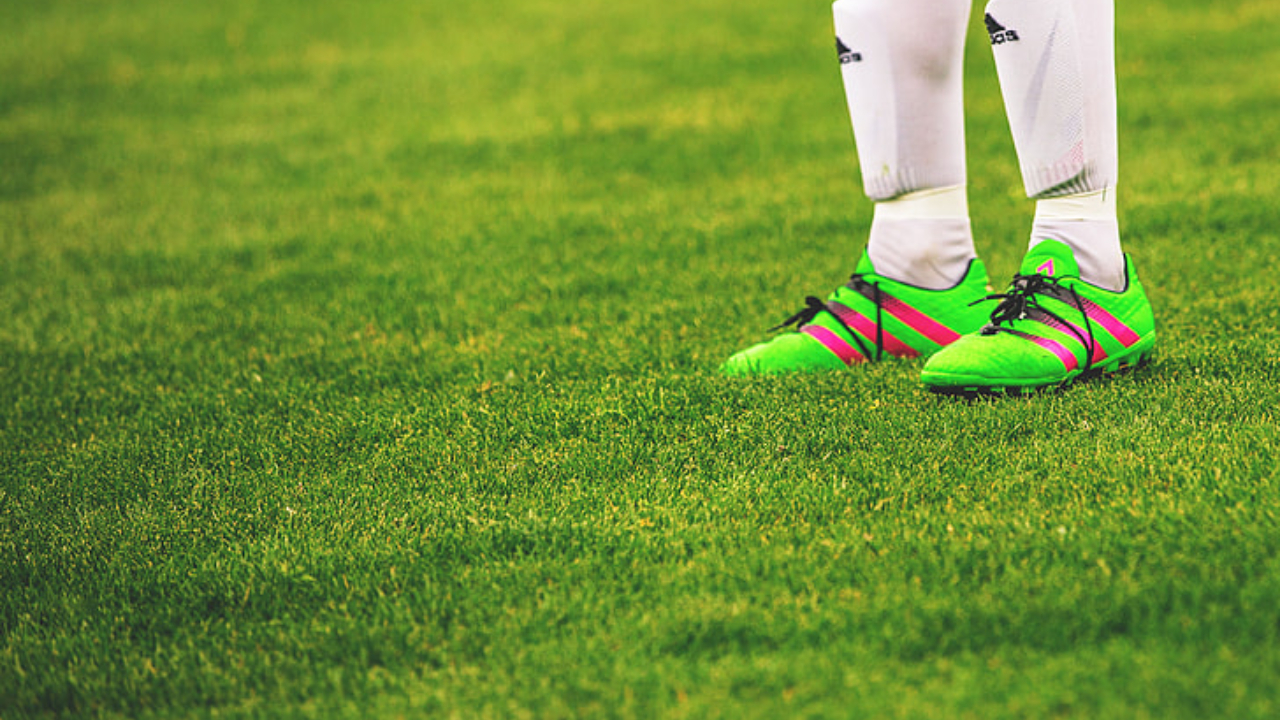
Image Source: soccermaxpro.com
Deciphering Footwear Choices for the Gridiron
When you’re gearing up for a flag football game, one of the most crucial decisions you’ll make is about your footwear. It’s not just about comfort; it’s about grip, stability, and preventing injuries. Many casual players wonder, “Can I wear tennis shoes to play flag football?” The short answer is yes, for many situations. But to truly elevate your game and stay safe, exploring other options is wise. Let’s dive deep into the world of athletic shoes for flag football and help you make the best choice.
The Role of Footwear in Flag Football
Flag football, while less contact-heavy than its tackle counterpart, still demands a lot from your feet. You’ll be cutting, sprinting, stopping, and changing direction rapidly. The right shoes provide:
- Traction: Essential for quick bursts of speed and preventing slips.
- Support: To help you maintain balance and absorb impact.
- Protection: Guarding your feet and ankles from twists and strains.
- Comfort: So you can focus on the game, not your feet.
Tennis Shoes: The Everyday Option
Tennis shoes, often called running shoes flag football players might initially consider, are designed for lateral movement and quick stops on tennis courts. They typically have flat or slightly patterned soles and offer decent cushioning.
Pros of Wearing Tennis Shoes:
- Accessibility: Most people already own a pair.
- Comfort: They are generally comfortable for walking and light jogging.
- Versatility: You can wear them for many other activities.
Cons of Wearing Tennis Shoes:
- Limited Traction: The soles are not designed for the aggressive grip needed on a football field, especially if it’s damp or uneven. You might find yourself slipping more often.
- Less Ankle Support: While some have mid-top designs, most tennis shoes offer minimal ankle support compared to shoes built for sports with more lateral stress.
- Durability: The materials in tennis shoes might not withstand the constant stress of football movements, leading to premature wear and tear.
- Toe Protection: They often lack reinforced toe areas, which can be helpful in a sport where accidental kicks or stomps can occur.
The Case for Specialized Flag Football Shoes
If you’re serious about flag football, investing in footwear designed for the sport makes a significant difference. The question then becomes: cleats vs tennis shoes flag football performance?
Cleats: The Traditional Choice (with a Caveat)
In tackle football, cleats are king. Their studs dig into the turf, providing unparalleled traction. However, in flag football, especially in many organized leagues, metal cleats are often prohibited due to safety concerns. This is where other types of cleats come into play.
Types of Cleats Suitable for Flag Football:
- Molded Cleats: These have plastic or rubber studs that are permanently attached to the sole. They offer good traction and are generally safer than metal cleats. Many flag football leagues permit molded cleats.
- Detachable Cleats: Some shoes allow you to screw in or clip on cleats. This offers flexibility, as you can adjust the length and type of cleat based on field conditions. However, ensure the league rules permit detachable cleats, and that they are not metal.
Important Note: Always check the specific rules of your flag football league regarding footwear. Some leagues have strict regulations on cleat types.
Turf Shoes: A Versatile Alternative
Turf shoes are an excellent middle ground. They are designed for artificial turf but often perform well on grass too. They feature numerous small, nubs or rubber cleats across the sole.
Benefits of Turf Shoes:
- Excellent Traction: The multiple small nubs provide superior grip compared to tennis shoes, allowing for better acceleration and deceleration.
- Reduced Risk of Injury: They offer more stability than flat-soled shoes, reducing the chance of slips and ankle rolls.
- Comfort and Cushioning: Turf shoes typically offer good cushioning, similar to that found in basketball or running shoes.
- Durability: They are built to withstand the rigors of sports, making them more durable than casual sneakers.
- League Compliant: Generally, turf shoes are permitted in all flag football leagues.
When to Choose Turf Shoes:
- Playing on artificial turf fields.
- Playing on grass, especially if it’s well-maintained.
- You want a good balance of traction, support, and comfort without the aggressive bite of traditional cleats.
Baseball/Softball Cleats vs. Football Cleats vs. Soccer Cleats
While you might be tempted to borrow cleats from other sports, it’s important to understand their nuances:
- Baseball/Softball Cleats: Often have a toe cleat, which can be a tripping hazard and is usually prohibited in flag football. The stud patterns are also geared towards baseball movements.
- American Football Cleats: These vary widely, with some having very aggressive patterns and high ankle support. While some lower-profile football cleats might be adaptable, many are overkill and might not be allowed due to their aggressive nature or metal components.
- Soccer Cleats: Designed for agility and kicking. Their stud patterns are different, focusing on grip for running and ball control. Some lower-profile soccer cleats might work, but they aren’t optimized for the lateral cuts common in football.
Therefore, when considering cleats for flag football, specifically look for “football turf shoes” or molded cleats that are explicitly designed or recommended for flag football.
Basketball Shoes: Not Ideal for the Field
While basketball shoes flag football players might consider due to their ankle support, they are generally not the best choice.
Why Basketball Shoes Aren’t Optimal:
- Traction: The soles are designed for hardwood courts, not grass or turf. They lack the aggressive tread patterns needed for outdoor field grip.
- Durability: They are not built for the abrasive nature of outdoor fields and can wear out quickly.
- Weight: Basketball shoes can be heavier, which might slow you down.
What to Look for in the Best Shoes for Flag Football
When selecting athletic shoes for flag football, prioritize these features:
- Traction: Look for shoes with multi-directional tread patterns, nubs, or molded studs designed for turf or grass.
- Support: Mid-top shoes can offer additional ankle support, which is beneficial for quick changes in direction.
- Cushioning: Good cushioning in the midsole will absorb impact and keep your feet comfortable during the game.
- Durability: Choose shoes made from robust materials that can withstand the demands of the sport.
- Lightweight: Lighter shoes allow for faster movements.
- Fit: The shoes must fit snugly but comfortably. There should be no pinching or excessive room for your foot to slide around.
Making the Decision: Tennis Shoes vs. Specialized Footwear
Let’s break down the comparison directly:
| Feature | Tennis Shoes | Flag Football Turf Shoes/Molded Cleats |
|---|---|---|
| Traction | Limited, prone to slipping on varied surfaces | Excellent, designed for grass/turf grip |
| Support | Moderate lateral support | Good lateral support, especially in mid-top designs |
| Cushioning | Good for general activity | Often optimized for impact absorption during sports |
| Durability | Can wear out quickly on fields | Built for sport-specific wear and tear |
| Safety | Higher risk of slips and ankle rolls | Reduced risk due to enhanced traction and stability |
| League Rules | Almost always permitted | Check for specific rules on molded cleats |
| Cost | Varies, but generally accessible | Varies, but a worthwhile investment for serious players |
When Are Tennis Shoes Acceptable?
- Very Casual Games: If you’re just playing a friendly pickup game in the park with friends, and the field is dry and even, tennis shoes are likely fine.
- Beginner Level: If you’re just starting out and not yet committed to the sport, tennis shoes can be a starting point.
- Strict League Rules: If your league has a strict “no cleats of any kind” rule, then well-gripped, supportive athletic shoes (which could include some high-performance tennis or cross-training shoes) are your only option.
When Should You Upgrade?
- Competitive Play: If you’re in a league where wins and losses matter, or you’re playing in tournaments.
- Poor Field Conditions: If you frequently play on damp, slippery, or uneven fields.
- Injury Prevention: If you have a history of ankle sprains or want to proactively reduce your risk.
- Performance Enhancement: If you want to improve your acceleration, deceleration, and overall agility.
Additional Footwear Considerations
- Socks: Don’t forget about socks! Moisture-wicking athletic socks are crucial for comfort and preventing blisters. Consider thicker socks for added cushioning and support.
- Insoles: If your current shoes lack adequate support or cushioning, consider aftermarket insoles.
- Break-in Period: Always break in new shoes before a game. Wear them around the house or during light practice sessions.
The Final Verdict on Tennis Shoes for Flag Football
In conclusion, while you can wear tennis shoes to play flag football, especially for casual enjoyment, they are not the best shoes for flag football when it comes to performance and safety. As your involvement in the sport grows, or if you find yourself slipping or lacking confidence in your footing, upgrading to shoes specifically designed for flag football, such as turf shoes or molded cleats (where permitted), will undoubtedly enhance your experience. Prioritize traction, support, and comfort to play your best and stay injury-free. Choosing the right footwear for flag football is an investment in your game and your well-being on the field.
Frequently Asked Questions (FAQ)
Q1: Are running shoes okay for flag football?
A1: Running shoes can be used for casual flag football, but their tread is designed for forward motion and may not provide sufficient lateral grip for quick cuts and stops, increasing the risk of slipping.
Q2: Can I wear soccer cleats for flag football?
A2: While soccer cleats offer good grip, their stud pattern is optimized for different movements. Also, some soccer cleats might be too aggressive or not permitted by flag football league rules. It’s best to check your league’s regulations.
Q3: What is the difference between turf shoes and regular sneakers for flag football?
A3: Turf shoes have numerous small rubber nubs or cleats on the sole, providing significantly better traction and stability on grass and artificial turf compared to the flat or minimally treaded soles of regular sneakers.
Q4: Do I need cleats for flag football?
A4: You don’t always need cleats, especially for very casual games on dry, firm surfaces. However, if you play regularly, on potentially slippery surfaces, or want better performance and safety, specialized turf shoes or molded cleats are highly recommended.
Q5: Are basketball shoes a good choice for flag football?
A5: Basketball shoes are generally not ideal. While they offer ankle support, their soles are designed for indoor courts and lack the necessary traction for outdoor fields.
Q6: What are the safest shoes for flag football?
A6: The safest shoes typically offer a good balance of traction, ankle support, and cushioning. Turf shoes and molded cleats (if allowed) are generally considered safer than tennis shoes due to their superior grip and stability. Always ensure your shoes fit well to prevent injuries.