
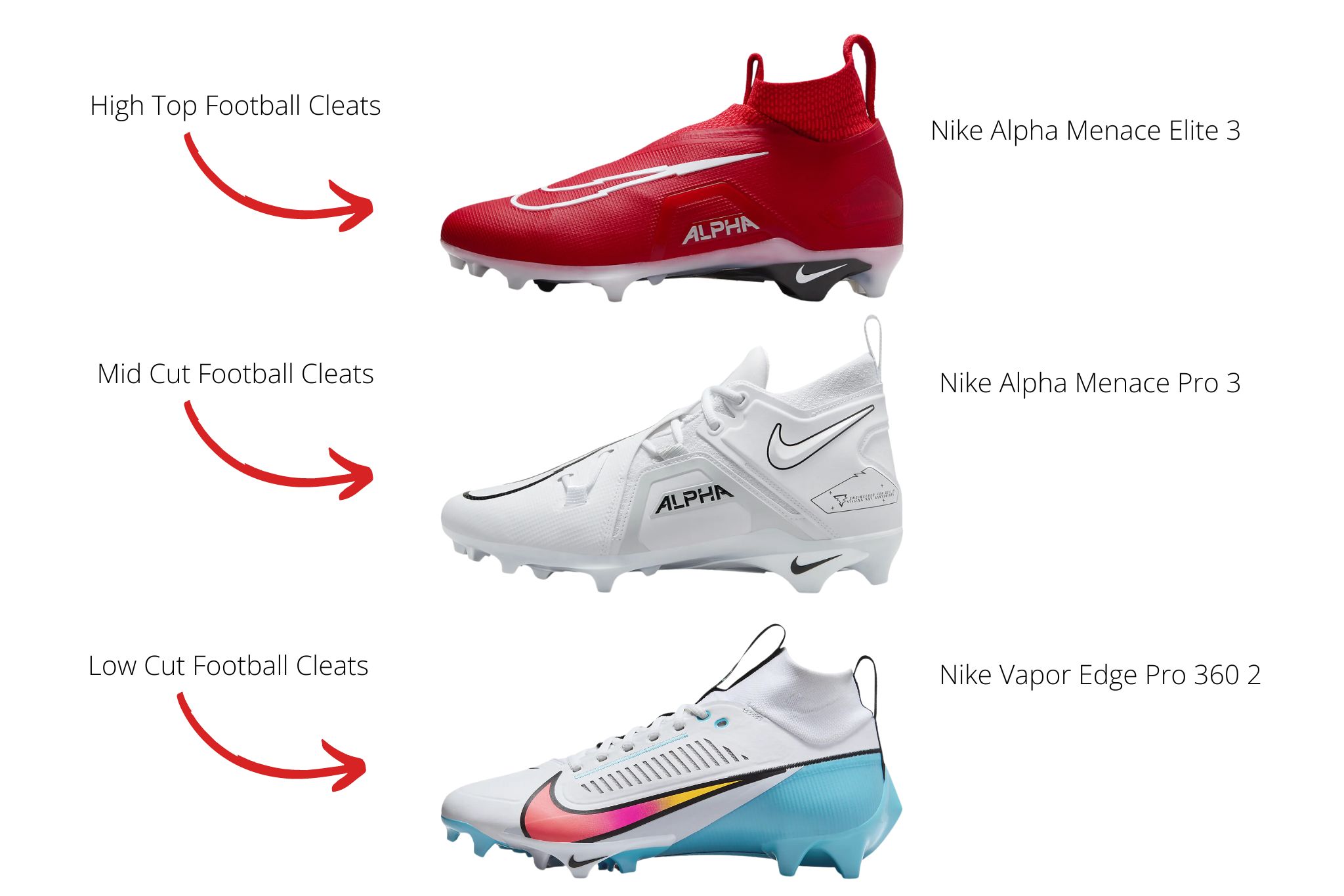
Image Source: i.stringerssociety.com
Can Lacrosse Cleats Be Used For Football?
Yes, while not ideal for every situation, lacrosse cleats can sometimes be used for football, but with significant caveats regarding performance, safety, and rule compliance.
When considering whether lacrosse cleats are suitable for football, it’s crucial to delve into the design differences between these two types of athletic footwear. While both provide traction on the field, their specific construction caters to the distinct demands of each sport. This detailed comparison aims to illuminate these distinctions, helping players make informed decisions about their footwear.
Deciphering the Design: Lacrosse vs. Football Cleats
The core of the question of can lacrosse cleats be used for football lies in their structural variances. Each sport’s demands necessitate unique cleat configurations.
Traction Patterns and Stud Configurations
A key difference lies in the stud patterns.
- Lacrosse Cleats: These often feature a more aggressive, multi-directional stud pattern designed for quick cuts and changes in direction common in lacrosse. They might have a higher number of shorter, sharper studs, particularly around the perimeter, to grip turf during agile movements. The front cleat is often prominent for forward propulsion.
- Football Cleats: Football cleats, conversely, are engineered for a broader range of movements, including powerful forward bursts, lateral shuffling, and digging into the ground for stability during tackles and blocks. They typically have a combination of bladed studs and conical studs. The placement and length of these studs vary greatly depending on the player’s position. Linemen might have shorter, wider studs for maximum pressure, while skill players might have longer, more pointed studs for speed and agility.
Midsole and Ankle Support
The cushioning and ankle support also present notable differences.
- Lacrosse Cleats: Lacrosse shoes often have a streamlined design with a focus on flexibility and responsiveness. The midsoles might be less cushioned compared to some football cleats, prioritizing a lower profile and a closer feel to the ground. Ankle support can range from low-cut to mid-cut, with an emphasis on allowing natural ankle mobility.
- Football Cleats: Football footwear, especially high-top models, often incorporates more substantial cushioning in the midsole to absorb impact from tackles and jumps. Ankle support is a significant factor in football cleats, with many designs offering robust, high-top collars to help prevent ankle rolls, a common injury in the sport.
Materials and Durability
The materials used in construction also reflect the sports’ demands.
- Lacrosse Cleats: Lightweight, breathable materials are often favored in lacrosse cleats to enhance speed and comfort during long games. Durability is important, but perhaps not to the same extreme as in football where constant, high-impact collisions are the norm.
- Football Cleats: Football cleats are built for extreme durability. They often use tougher synthetic leathers or reinforced mesh to withstand the punishing nature of the sport. The cleat plates themselves are designed to be robust and resist breakage from intense pressure and impacts.
Suitability of Lacrosse Cleats for Football: A Deeper Dive
Now, let’s directly address lacrosse cleat suitability football. While you can wear them, the question is should you?
Traction Limitations
The primary concern is traction.
- On Natural Grass: Lacrosse cleats with their aggressive, often more numerous, and sometimes sharper studs might offer good initial bite. However, they may not provide the same sustained grip or the ability to dig in effectively for powerful drives as specialized football cleats. The stud patterns are optimized for lateral agility, not necessarily for the linear power required in many football plays.
- On Artificial Turf: Artificial turf fields can be more forgiving, and the difference in traction might be less pronounced. However, some artificial turfs can be “stickier,” and a cleat pattern not designed for this can lead to knee or ankle injuries if the cleat doesn’t release properly. Football cleats designed for turf often have shorter, more numerous, and sometimes rounded studs to facilitate release.
Ankle Support and Injury Risk
This is a significant area of concern when considering using lacrosse cleats for football.
- Reduced Protection: Football involves explosive movements, tackles, and falls that place immense stress on the ankles. Many lacrosse cleats, particularly low-cut or mid-cut versions, offer less ankle support than high-top football cleats. This increased vulnerability can heighten the risk of ankle sprains and rolls.
- Impact Absorption: The midsoles of lacrosse cleats may not provide the same level of impact absorption as football cleats. Repeated impacts without adequate cushioning can lead to foot fatigue and potential stress injuries.
Performance Impact
Can you really play your best in the wrong footwear?
- Agility vs. Power: While lacrosse cleats excel at quick cuts, they might not offer the stability needed for powerful pushes off the line or the grip required for quick stops and starts in football. This can hinder a player’s ability to generate maximum force.
- Durability Issues: Wearing lacrosse cleats for football means subjecting them to forces they weren’t designed for. The cleat plate, studs, and upper materials might wear out faster or even break under the strain of football-specific movements and impacts.
Football Cleats for Lacrosse: The Flip Side
It’s also worth briefly considering football cleats lacrosse. Generally, this is a less advisable substitution.
- Over-Designed for Agility: The heavier, more rigid construction and the specialized stud patterns of football cleats can impede the quick, nimble footwork required in lacrosse. The bulkier nature can feel cumbersome.
- Potential for Restricted Movement: The enhanced ankle support in high-top football cleats, while beneficial in football, can limit the range of motion needed for high-stick cradles and quick dodges in lacrosse.
- Rule Violations: Many lacrosse leagues have specific regulations regarding footwear, and using football cleats might even be against the rules.
Legal Considerations and Rulebooks
When thinking about can I wear lacrosse cleats for football, checking the rules is paramount.
- League Regulations: Most organized football leagues, from youth to professional levels, have specific rules about footwear. These rules often dictate the type, length, and material of cleats. Metal cleats are often prohibited in youth leagues and some college levels, for instance. While lacrosse cleats might not violate specific stud-length rules, they may not meet other general requirements for football footwear, or vice versa.
- Safety Standards: Rules are often in place to ensure player safety. If lacrosse cleats are deemed to not meet the safety standards for football by a league’s governing body, their use will be prohibited. It’s always best to consult the official rulebook of your league or governing organization.
Frequently Asked Questions (FAQ)
Can I wear lacrosse cleats for JV football?
While you might technically be able to wear them, it’s not recommended. The reduced ankle support and different traction patterns can be detrimental to performance and increase your risk of injury. Always check your league’s specific rules.
Are football cleats too stiff for lacrosse?
Yes, typically. Football cleats are generally heavier and more rigid, designed for impact and stability, which can hinder the agile, free-flowing movements crucial for lacrosse.
What is the main difference between lacrosse and football cleats?
The main differences lie in the stud pattern, ankle support, and overall construction. Lacrosse cleats prioritize agility with multi-directional studs, while football cleats focus on power, stability, and often provide more ankle support with varied stud types for different positions.
Can I use my old lacrosse cleats for casual football games?
For very casual games on a soft, forgiving surface where safety isn’t a primary concern and rules aren’t enforced, you could. However, the limitations in traction and support will still be present, and there’s always a higher risk of injury.
Will using lacrosse cleats for football affect my speed?
Potentially. While they might offer some agility, the lack of optimal traction for football-specific movements like powerful push-offs could limit your overall speed and acceleration compared to wearing proper football cleats.
Are there any benefits to using lacrosse cleats for football?
The primary potential “benefit” would be if you already own lacrosse cleats and cannot afford football cleats. However, this is outweighed by the significant drawbacks in performance and safety.
What if my football cleats have very aggressive studs?
Even if your football cleats have aggressive studs, their overall design, including midsole cushioning and ankle support, is usually tailored for football. The aggressive stud patterns in lacrosse cleats are optimized for the lateral cuts specific to that sport.
Is it better to wear football cleats for football or lacrosse cleats for lacrosse?
It is always better to wear the footwear specifically designed for the sport you are playing. Football cleats are made for football, and lacrosse cleats are made for lacrosse. This footwear comparison lacrosse football highlights the importance of sport-specific gear.
Conclusion: Prioritizing Safety and Performance
In summary, while the question of can lacrosse cleats be used for football has a technically affirmative answer, it’s one best answered with a strong caution. The fundamental design differences in lacrosse shoes football and football shoes lacrosse mean that using lacrosse cleats for football compromises on crucial aspects like optimal traction, adequate ankle support, and overall performance. For anyone serious about playing football, investing in a pair of dedicated football cleats is the safest and most effective choice. This ensures you have the right tools to perform at your best while minimizing the risk of injury. The lacrosse cleat suitability football assessment clearly indicates that they are not a direct substitute, and prioritizing the correct footwear is key for any athlete.