
Yes, you absolutely can wear tennis shoes for flag football, especially if you’re just starting out or playing casually. However, it’s crucial to consider the type of surface you’ll be playing on and the level of intensity to ensure you have the appropriate footwear for safety and performance. This article will dive deep into why tennis shoes can be a viable option, when they might fall short, and what alternatives exist in the world of flag football gear.
Flag football is a fantastic sport that’s growing in popularity. It offers the excitement and strategy of American football with a reduced risk of tackles and the associated injuries. But like any sport, having the right athletic footwear makes a significant difference. Many players ponder the question: “Can I wear tennis shoes today for flag football?” The short answer is yes, but let’s explore the nuances of cleats vs tennis shoes in this context.
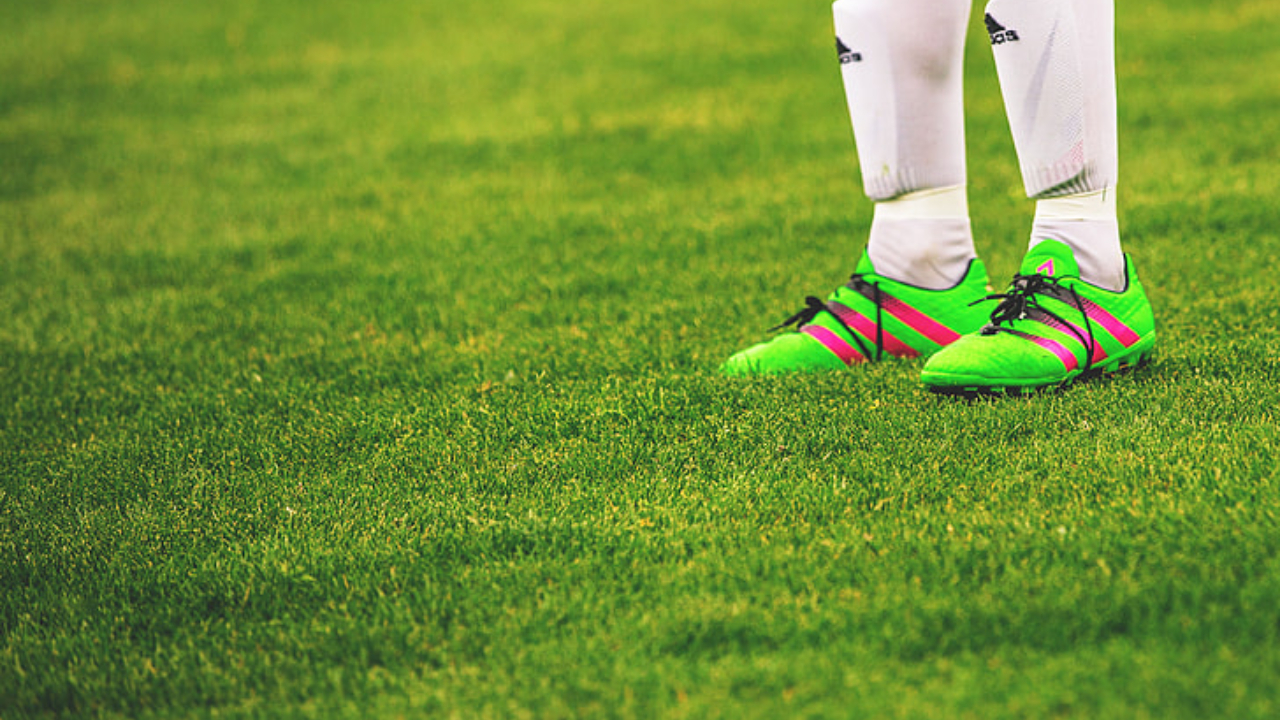
Image Source: soccermaxpro.com
The Case for Tennis Shoes
Tennis shoes, often referred to as training shoes, are designed for lateral movement, quick stops, and starts, making them versatile for many sports. Their flat, often grippy soles provide good traction on many indoor and some outdoor surfaces. When you’re first getting into flag football, perhaps in a park or on a well-maintained field, your trusty tennis shoes might just do the trick.
Advantages of Tennis Shoes:
- Versatility: They’re already in your closet and can be used for various activities beyond flag football.
- Comfort: Generally, tennis shoes are designed for comfort during extended wear, which is a plus for recreational play.
- Cost-Effective: For casual players, investing in specialized football cleats might seem unnecessary when a good pair of tennis shoes will suffice.
- Surface Adaptability: On smooth, hard surfaces like indoor courts or very firm, dry grass, tennis shoes can offer adequate grip.
When Tennis Shoes Might Be Sufficient:
- Casual Backyard Games: If you’re playing a friendly game in your backyard on grass, a pair of well-worn tennis shoes with decent tread will likely be fine.
- Indoor Flag Football: Many indoor flag football leagues are played on basketball courts or artificial turf surfaces that don’t require cleats. Tennis shoes are often the preferred footwear for these environments.
- Beginner Level Play: When you’re just learning the game and not making explosive cuts or experiencing high-speed changes in direction, the limitations of tennis shoes might not be a significant issue.
Limitations of Tennis Shoes for Flag Football
While tennis shoes have their advantages, it’s essential to acknowledge their limitations, especially when transitioning to more competitive play or different playing surfaces. The primary difference between tennis shoes and specialized football cleats lies in the sole design and the type of traction they provide.
Traction Differences:
Tennis shoes typically have a relatively flat sole with a pattern designed for grip on hard courts. This grip is usually sufficient for lateral movements in tennis. However, for the more dynamic, multidirectional movements required in football, this grip can sometimes be insufficient.
Football cleats, on the other hand, have strategically placed studs or blades that dig into the turf or grass, providing superior traction. This allows players to accelerate faster, decelerate more effectively, and make sharper cuts without slipping.
Surface Considerations:
The effectiveness of tennis shoes is highly dependent on the playing surface:
- Grass Fields: On natural grass, especially if it’s slightly damp or uneven, tennis shoes can lead to slipping. The lack of deep treads means less “bite” into the ground, increasing the risk of slides and falls. This is where dedicated cleats for flag football start to become very appealing.
- Artificial Turf: While some artificial turf fields are designed to be played on with flat-soled shoes, many benefit from the enhanced grip of cleated footwear. If the turf is older or less forgiving, your tennis shoes might not offer the stability you need.
- Dry, Hard-Packed Dirt: Similar to grass, dry and hard dirt can be slippery without the proper footwear. Tennis shoes might offer minimal grip, leading to instability during quick movements.
Exploring Specialized Footwear for Flag Football
If you find yourself playing flag football regularly, on grass, or in more competitive settings, it’s worth exploring athletic footwear specifically designed for the sport. This is where football cleats and turf shoes come into play.
Football Cleats: The Traditional Choice
Football cleats are the go-to footwear for many football players across all levels. They are engineered to provide maximum traction and support for the demanding movements of the game.
Types of Football Cleats:
- Low-tops: Offer maximum ankle mobility, ideal for players who rely on quick footwork and speed.
- Mid-tops: Provide a balance of ankle support and flexibility, suitable for most positions.
- High-tops: Offer the most ankle support, which can be beneficial for players prone to ankle injuries or those who need extra stability.
Cleat Studs:
The studs on football cleats are a key feature. They come in various shapes and materials:
- Molded Cleats: These are permanently attached to the shoe and are generally made of hard plastic. They are suitable for most conditions and are often found on beginner and youth cleats.
- Detachable Cleats: These allow you to screw in and remove studs, offering versatility. You can change the stud length or type depending on the field conditions.
- Metal Cleats: Typically found on higher-level cleats, these offer superior grip but are often prohibited in recreational leagues and on certain turf surfaces due to the risk of damage and injury. For flag football, metal cleats are almost always forbidden.
Turf Shoes: The Hybrid Option
If you play on a variety of surfaces, including artificial turf, or if cleats are not permitted, turf shoes are an excellent alternative. These sports shoes have a sole covered in numerous small rubber nubs or cleats.
Advantages of Turf Shoes:
- Enhanced Traction on Turf: The small nubs provide significantly more grip on artificial turf than a typical tennis shoe.
- Versatility: They offer good traction on grass and other outdoor surfaces, though not as much as traditional football cleats.
- Comfort and Support: Generally more supportive and durable than tennis shoes, making them suitable for more intense play.
- Often Permitted Where Cleats Are Not: Many leagues that don’t allow traditional cleats for flag football will permit turf shoes.
When to Choose Cleats or Turf Shoes Over Tennis Shoes:
- Playing on Grass or Loose Dirt: For optimal grip and to prevent slipping, football cleats or turf shoes are superior.
- Competitive Play: If you’re playing in a league with defined rules or in a more competitive environment, specialized footwear is often recommended or required.
- Aggressive Cutting and Pivoting: If your game involves a lot of sharp cuts and quick changes in direction, the enhanced traction from cleats or turf shoes will improve your agility and reduce the risk of ankle rolls.
- Wet Conditions: In any situation where the ground is damp, the traction provided by tennis shoes will be significantly reduced.
Making the Right Footwear Choice for Flag Football
Deciding whether to wear tennis shoes or opt for specialized flag football gear depends on several factors. Here’s a breakdown to help you make the best decision for your next game.
Factors to Consider:
-
Playing Surface: This is the most critical factor.
- Indoor Courts/Gym Floors: Tennis shoes are usually ideal.
- Artificial Turf: Turf shoes are a strong contender; some players might manage with tennis shoes if the turf is newer and less abrasive, but it’s a risk.
- Natural Grass (Dry): Tennis shoes can be okay, but turf shoes or low-profile football cleats offer better grip.
- Natural Grass (Wet/Slippery): Football cleats (non-metal) or high-performance turf shoes are highly recommended.
-
Level of Play:
- Casual/Backyard: Tennis shoes are often sufficient.
- Recreational League: Check the league rules. Often, tennis shoes are allowed, but cleats for flag football (usually molded) or turf shoes are permitted and can offer an advantage.
- Competitive League: Specialized footwear is usually expected or required.
-
Your Playing Style:
- Agility-Focused: If you’re a receiver or running back who makes a lot of quick cuts, you’ll benefit from the superior traction of cleats or turf shoes.
- Less Dynamic Movements: If your role involves less explosive movement, tennis shoes might be adequate.
-
League Rules: Always, always check the specific rules of your league or the venue where you’ll be playing. Some leagues explicitly prohibit certain types of footwear. For instance, metal cleats are rarely allowed in flag football. Many leagues might specify “no metal cleats” or allow only molded cleats or turf shoes.
Comparing Tennis Shoes, Turf Shoes, and Football Cleats:
| Feature | Tennis Shoes | Turf Shoes | Football Cleats (Molded) |
|---|---|---|---|
| Traction | Moderate (best on hard, dry surfaces) | Good (excellent on artificial turf, good on grass) | Very Good (excellent on grass/dirt) |
| Ankle Support | Minimal to Moderate | Moderate | Moderate to High (depending on cut) |
| Durability | Variable (can wear down quickly with rough use) | Good | Good to Very Good |
| Versatility | High (for general athletic activities) | Moderate to High (good for multi-surface sports) | Low (primarily for football/similar field sports) |
| Cost | Low to Moderate | Moderate | Moderate |
| Best For | Indoor play, casual outdoor games on firm ground | Artificial turf, mixed surfaces, general training | Grass fields, competitive play (where allowed) |
| Risk of Slipping | Higher, especially on grass/damp surfaces | Lower than tennis shoes on most outdoor surfaces | Lowest on grass/dirt |
| League Permitted | Almost always | Usually | Varies (metal cleats often prohibited) |
Tips for Choosing Your Flag Football Footwear
When you’re ready to upgrade from tennis shoes, or if you need to find the best appropriate footwear for your flag football needs, consider these tips:
- Prioritize Fit: No matter the type of shoe, it must fit comfortably. Blisters and discomfort can ruin a game. Try them on before you buy, preferably at the end of the day when your feet are slightly swollen.
- Consider the Sole: Look for a sole that provides good grip for the surfaces you play on. For grass, you need something that digs in. For turf, nubs or small cleats are effective.
- Ankle Support: If you have a history of ankle issues, opt for mid-top or high-top cleats or supportive turf shoes.
- Weight: Lighter shoes generally allow for quicker movements. However, don’t sacrifice support and traction for minimal weight savings.
- Durability: Flag football can be rough on shoes. Invest in a pair that is built to last if you plan on playing regularly.
- League Rules: Again, this cannot be stressed enough. Always confirm what is allowed.
Frequently Asked Questions (FAQ)
Q1: Are tennis shoes bad for flag football?
A1: Tennis shoes are not inherently “bad” for flag football, but they are not ideal for all playing conditions. They can be sufficient for casual games on firm or indoor surfaces. However, on grass or artificial turf, they offer less traction and support than specialized footwear, increasing the risk of slipping and injury.
Q2: Can I wear cleats for flag football?
A2: Yes, you can wear cleats for flag football, but you must adhere to league rules. Most flag football leagues allow molded football cleats (plastic or rubber) but prohibit metal cleats due to safety concerns and potential field damage. Always check your league’s specific regulations.
Q3: What is the difference between turf shoes and football cleats?
A3: Football cleats have longer, more aggressive studs designed to dig into natural surfaces like grass and dirt for maximum traction. Turf shoes have many small rubber nubs or studs that provide good grip on artificial turf and can also work on grass, but they don’t penetrate the ground as deeply as traditional cleats.
Q4: Are turf shoes better than tennis shoes for flag football on artificial turf?
A4: Yes, turf shoes generally offer significantly better traction and stability than tennis shoes on artificial turf. The specialized sole pattern of turf shoes is designed to grip the synthetic fibers of the turf, allowing for quicker movements and fewer slips.
Q5: Do I need special flag football gear for my feet?
A5: While not strictly mandatory for casual play, investing in specialized flag football gear for your feet, such as turf shoes or appropriate cleats for flag football, is highly recommended if you play regularly, on grass, or in a more competitive environment. It enhances safety, performance, and comfort.
Q6: What kind of shoes should I wear for indoor flag football?
A6: For indoor flag football, which is typically played on hardwood courts or specialized indoor turf, tennis shoes or training shoes are usually the best option. They provide excellent grip on these surfaces without damaging the playing area, and they offer the necessary support for quick lateral movements.
Q7: Can I wear my old soccer cleats for flag football?
A7: Soccer cleats can sometimes be used for flag football, provided they are molded (not metal) and comply with league rules. However, the stud pattern on soccer cleats is optimized for the movements in soccer, which can differ from football. Football cleats or turf shoes might offer better performance for flag football-specific movements. Always check league rules.
Q8: How do I know if my tennis shoes have enough grip for flag football?
A8: Feel the sole of your tennis shoes. If it’s smooth or has very shallow treads, it likely won’t provide enough grip for grassy or uneven surfaces. If the treads are deeper and have a more aggressive pattern, they might offer some grip, but it’s unlikely to match specialized footwear. Look for shoes with rubber patterns designed for outdoor sports.
In conclusion, while the answer to “Can I wear tennis shoes today for flag football?” is often yes, it’s essential to weigh the benefits against the potential drawbacks. For casual play on appropriate surfaces, your tennis shoes might suffice. However, for improved performance, safety, and versatility across different playing fields, consider upgrading to turf shoes or molded football cleats. Choosing the appropriate footwear is a key component of enjoying and excelling in flag football, ensuring you have the stability and traction needed to make those game-changing plays.