
It can feel frustrating when your toddler throws food. You spend time making a meal, only for it to end up on the floor. So, how do you stop a toddler from throwing food? You can stop toddlers from throwing food by first figuring out why they are doing it. Then, you can use simple, clear methods to teach them not to throw food. This means setting clear rules, teaching them where food belongs, and reacting in calm, helpful ways when they do throw food. Consistency is very important.
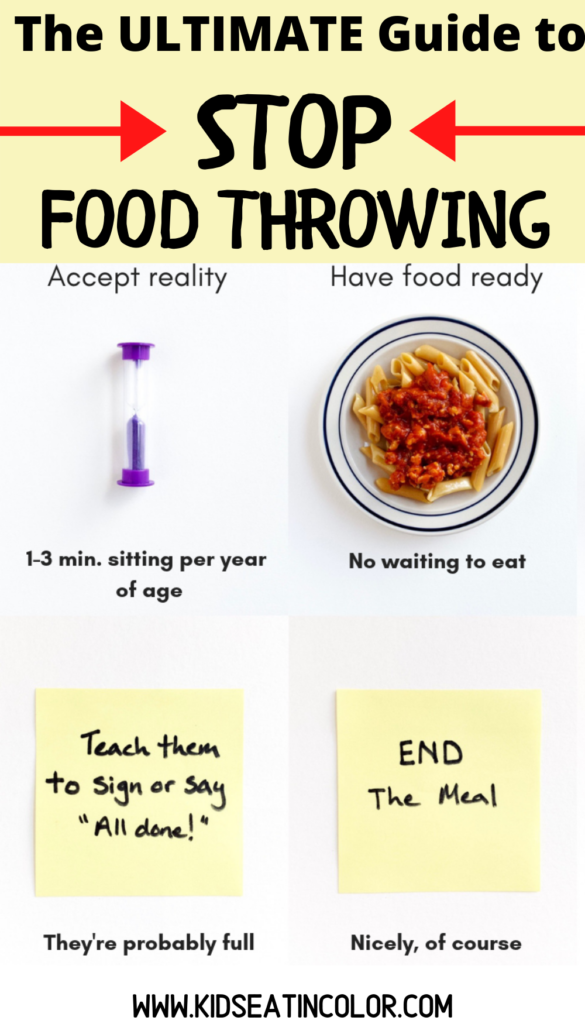
Image Source: kidseatincolor.com
Why Little Ones Throw Food
There are many reasons why toddlers drop or toss food. It’s not usually because they want to make you angry. It’s often part of how they learn and grow. Let’s look at some common reasons behind this toddler mealtime behavior.
Testing and Exploring
Toddlers are like little scientists. They are always learning how the world works. Throwing food is a way to test things.
- They see what happens when they drop something. Does it fall? Does it bounce?
- They watch how you react. Do you get mad? Do you laugh? This tells them if it gets attention.
- It’s a simple cause and effect. They do something (throw food), and something else happens (food falls, you react).
This is a normal part of their growth. It’s not a sign of being bad. It’s a sign of being curious.
Communication
Toddlers have few words. They use actions to tell you things. Throwing food can be their way of saying something important.
- “I’m not hungry anymore.” They might throw food when they feel full. They don’t know how else to signal the meal is over.
- “I don’t like this food.” If they don’t want to eat something, throwing it is a clear message.
- “I want something else.” They might want a different food, a drink, or to get out of the chair.
- “I want attention.” Sometimes, throwing food gets a quick reaction from you. Any attention, even negative, can be seen as good by a toddler.
Think of it as their way of talking when words are hard.
Seeking Sensory Input
Sometimes, toddlers throw food because it feels interesting. This relates to sensory reasons toddlers throw food.
- They feel the texture of the food. Is it soft? Hard? Sticky? Throwing it changes how it feels and looks.
- They watch it move. Seeing the food fly through the air or splat on the floor is a visual experience.
- They hear the sound it makes. Different foods make different sounds when they land.
This is how they learn about the world through their senses. It’s part of normal development, but it can be messy.
Being Overwhelmed or Tired
Mealtime can be a lot for a toddler.
- Too much food on the plate can feel overwhelming.
- Sitting still in a high chair for too long is hard.
- If they are tired or grumpy, they might act out by throwing things.
Throwing food can be a release of energy or frustration when they are feeling these big emotions.
Copying Others
Toddlers learn by watching.
- If they see a sibling or even you drop something (by accident!), they might copy it.
- They might see other kids throw things and think it’s okay.
They don’t always understand the difference between throwing a toy (maybe okay in some places) and throwing food (not okay).
Boredom
Sitting through a meal can be boring for an active toddler.
- If they finish eating quickly and have to wait for others, they might start throwing food to make their own fun.
- If the food isn’t engaging, they might find other ways to entertain themselves.
Understanding these reasons is the first step. It helps you react with patience and choose the right strategies to stop food throwing. It’s about teaching, not just punishing.
What Not To Do When Food Hits the Floor
Your reaction is a big part of the picture. How you respond can make the throwing stop or make it happen more often. Some reactions, while natural, are not helpful.
Giving Too Much Attention
When food goes flying, it’s easy to get upset. You might yell, gasp, or rush to clean it up with a big fuss.
- This big reaction is very interesting to a toddler.
- It teaches them that throwing food is a great way to get your focus.
- Even if the attention is negative, it’s still attention. They might do it again just to see that reaction.
Try to keep your reaction calm and small.
Getting Angry or Yelling
Losing your temper is understandable, but it’s not effective.
- Yelling can scare your toddler or make them feel bad.
- It doesn’t teach them why throwing food is not okay or what they should do instead.
- It adds stress to mealtime, which can make behavior worse.
Aim for a firm, calm voice instead of an angry one.
Offering a Different Food Right Away
If your toddler throws food, it might be because they don’t want it. It seems like a quick fix to just offer something else they like.
- But this can teach them that throwing food is how they get better food.
- They learn that if they don’t like what’s given, throwing it is a way to get what they want.
It’s better to address the throwing behavior first, rather than rewarding the food rejection with an immediate tasty alternative.
Making a Huge Mess a Big Deal
While dealing with messy eaters is part of parenting, reacting with horror or disgust to every dropped crumb or smear can be counterproductive.
- Toddlers are naturally messy. Exploring food involves touching, squishing, and dropping.
- Making a huge deal out of the mess can create anxiety around food.
- They might even throw food because they know it makes a mess and gets a rise out of you.
Have strategies for cleaning up, but try not to act like the mess itself is a terrible thing.
Forcing Them to Eat the Thrown Food
Some parents might try to make a toddler pick up and eat the food they threw.
- This can create a power struggle.
- Food that has been on the floor is not clean and should not be eaten.
- This approach focuses on punishment after the fact, rather than preventing the behavior or teaching an alternative.
Focus on preventing the throwing and teaching what to do instead.
Avoiding these common reactions helps you respond more effectively and sets the stage for teaching better mealtime habits.
Simple Methods To Teach Them Not To Throw
Once you know why they might be throwing food, you can use simple, clear strategies to stop food throwing. The goal is to teaching toddlers not to throw food in a way they understand.
Set Clear Rules Before Meals
Toddlers do best when they know what to expect.
- Talk about mealtime rules before the food is served. Use simple words.
- Say things like, “Food stays on the tray,” or “Food goes in your mouth or on your plate.”
- Show them what you mean. Point to the tray. Point to their mouth.
- Repeat these rules often, even when they aren’t throwing food.
Consistency in stating the rules helps them learn.
Show Them What To Do
Instead of just saying “No throwing!”, show them the right way.
- When you give them food, put it on their plate or tray.
- Gently guide their hand if they go to throw. Say, “Food stays here” while pointing to the tray.
- If they push food away, show them how to put it back on the plate or just leave it.
- You can even practice with non-food items outside of mealtime, like beanbags, teaching them where to throw (like into a basket) and where not to.
Actions speak louder than words for toddlers.
Use Clear, Calm Reactions
When food is thrown, your reaction needs to be quick and calm.
- As soon as food leaves the tray or plate, react. Don’t wait until a pile is on the floor.
- Use a firm, neutral voice. “Food stays on the tray.” or “We don’t throw food.”
- Avoid long explanations or getting emotional. Short, clear phrases work best.
This teaches them there’s a consequence, but it doesn’t give them big, exciting attention for the action.
Remove the Food Briefly
If the throwing continues after your calm statement, you can remove the food for a short time.
- Say clearly, “If you throw food, the food goes away.”
- Take the plate or tray away for 30-60 seconds.
- Keep a calm face. Do not look angry or frustrated.
- After the short time, put the food back.
- If they throw again, repeat the process.
This helps them connect throwing with losing the food. It’s a gentle form of discipline for throwing food that teaches a direct consequence. It’s important this is not a punishment, but a teaching tool. The food comes back if they are ready to try again.
End the Meal If Throwing Continues
If the throwing is a sign they are done eating, continuing the meal isn’t helpful.
- If throwing happens repeatedly after you’ve used the steps above (calm statement, removing food briefly), it’s time to end the meal.
- Tell your toddler simply, “It looks like you are done eating. Mealtime is over.”
- Take all the food away and take the toddler out of the high chair.
- Offer milk or water, but do not offer any more food until the next planned snack or meal time.
This teaches them that throwing food means the meal is finished, not that they will get different or better food, or get to play with the food. This also helps with preventing food waste toddler as you stop offering food they clearly don’t want.
Manage Portion Sizes
Large amounts of food can be overwhelming and make throwing more likely.
- Offer only a few pieces of food at a time.
- Put more food on the plate only when they have eaten what is there or clearly want more without throwing.
- This reduces the amount of food that can be thrown at once.
This is a simple way to make mealtime less overwhelming and reduce mess.
Pay Attention and Offer Food When They Are Ready
Offer food when your toddler is showing signs of hunger, not when they are tired or cranky.
- Timing meals and snacks well can prevent throwing due to being overtired or overly hungry (which can also lead to frustration).
- Being present at mealtime means you can spot signs of frustration or being finished before the throwing starts.
Being proactive helps prevent problems.
Focusing on Positive Actions
Teaching toddlers involves showing them what to do, not just what not to do. Using positive reinforcement mealtime can be very effective.
Praise Good Behavior
Notice and praise your toddler when they are doing well with their food.
- “You are keeping the food on your tray! Good job!”
- “Thank you for putting that food in your mouth.”
- “Wow, you ate all your peas!”
- Praise specific actions rather than just saying “Good job.”
This makes them feel good about eating well and encourages them to repeat the praised behavior.
Make Mealtime Pleasant
A happy mealtime environment can reduce problem behaviors.
- Eat with your toddler when you can. They learn by watching you.
- Keep the mood light and calm.
- Talk about the food in fun ways (“Look at the red strawberry!” “Crunchy carrot!”).
- Avoid mealtime battles or forcing food.
When mealtime is a positive experience, there’s less reason for a toddler to act out.
Offer Appropriate Tools
Sometimes throwing happens because they are struggling to eat the food.
- Make sure they have child-sized spoons and forks.
- Offer food cut into easy-to-manage pieces.
- Sometimes, letting them eat with their hands is okay! Toddlers often have better control with their hands at first.
Making eating easier reduces frustration that could lead to throwing.
Introduce New Foods Carefully
Toddlers are often unsure about new things, including food.
- Offer new foods alongside familiar favorites.
- Don’t pressure them to eat it. Just having it on the plate is a start.
- Throwing a new food might just mean they are unsure of it, not that they hate it forever.
Patience with new foods is important. Keep offering them, even if they get thrown sometimes initially.
Dealing with High Chair Food Throwing
Throwing food from a high chair food throwing is especially common. The high chair puts them in a contained space with limited options for what to do with their hands and body.
Ensure a Good Fit
A high chair needs to be comfortable and allow the child to sit with good posture.
- Feet should be supported. Dangling feet can make toddlers feel unstable and wiggly.
- They should be able to sit upright and reach their tray easily.
- An uncomfortable child is more likely to get frustrated and throw things.
Check if your high chair setup is right for your child’s size.
Place Food Directly on the Tray
For young toddlers, putting food directly on the tray can be easier than dealing with a plate that might slide or be thrown itself.
- As they get older and are less likely to throw the plate, introduce child-safe plates with non-slip bottoms.
Start simple and add complexity as they are ready.
Keep the Tray Clear
Too much clutter on the high chair tray can be distracting and overwhelming.
- Only put the food and maybe a cup on the tray.
- Remove things they are done with, like empty pouches or discarded crusts.
A clear space helps them focus on eating.
Stay Nearby
Being close to your toddler in the high chair allows you to react quickly when throwing starts.
- You can step in to remind them or remove food the moment it leaves the tray.
- This quick, consistent reaction is key for teaching.
Active supervision during high chair meals is important.
Handling the Mess and Dealing with Messy Eaters
Let’s be honest: toddlers are messy eaters. Throwing food adds to the mess. Having a plan helps reduce your stress.
Prepare the Area
Make cleaning up easier before the meal even starts.
- Put a splat mat or old sheet under the high chair.
- Have wipes or a damp cloth ready.
- Keep a small brush and dustpan or a handheld vacuum nearby for quick sweeps.
Being prepared makes the mess less frustrating.
Involve Them (When Appropriate)
As they get a little older (usually closer to 2 or 3), you can start involving them in cleanup.
- “Can you help mommy put the food that dropped into this bin?”
- “Let’s wipe the tray together.”
- This teaches responsibility and connects their actions (making a mess) with the task of cleaning up.
Keep it simple and make it feel like helping, not punishment.
Accept a Certain Level of Mess
It’s important to have realistic expectations. Toddlers are learning fine motor skills. Dropping food is part of that.
- Some mess is normal. It doesn’t mean you’re a bad parent or they are a bad child.
- Focus your energy on teaching them not to throw intentionally, rather than stressing over every crumb that falls accidentally.
Managing your own reaction to mess is key for keeping mealtime calm.
When Throwing Might Be More Than Just Toddler Behavior
Most food throwing is a normal phase. But sometimes, it might be linked to other things.
Sensory Sensitivities
As mentioned before, sensory reasons toddlers throw food can be a factor.
- Some toddlers are more sensitive to textures. They might throw food they find slimy, lumpy, or just ‘wrong’.
- Others might seek intense sensory input and enjoy the feel or visual of throwing.
If throwing is severe, happens with many different foods, and is linked to other sensory issues (like being very picky about clothing textures, sounds, or being overwhelmed in busy places), it might be helpful to talk to your pediatrician. They may suggest seeing an occupational therapist who works with sensory processing.
Feeding Challenges
If your toddler has difficulty chewing, swallowing, or manipulating food in their mouth, throwing might be a sign of frustration.
- They might throw food they struggle to eat.
- If mealtimes are constantly a battle, or your child isn’t gaining weight well, talk to your doctor.
A feeding therapist can help assess and address underlying eating difficulties.
Behavior Concerns
While most throwing isn’t defiant, persistent throwing that doesn’t respond to consistent strategies and is part of a larger pattern of challenging behavior might need more attention.
- If the throwing seems linked to anger, frustration, or happens alongside other difficult behaviors throughout the day, discuss it with your pediatrician.
It’s rarely just about the food throwing; look at the child’s overall behavior patterns.
In most cases, throwing food is a normal, passing phase. Using consistent, calm strategies usually works over time. But it’s good to know when to seek extra help if you have concerns.
Summarizing Key Strategies for Success
Let’s put together the main ways to handle food throwing.
- Figure Out Why: Is it for attention? Are they full? Bored? Overwhelmed? Hungry? Knowing the reason helps choose the best response.
- Set the Scene: Clear rules, comfortable seating, small portions, minimal distractions.
- React Calmly and Quickly: Use a simple phrase (“Food stays on the tray”). Avoid big emotional reactions.
- Teach the Consequence: Briefly remove the food if throwing continues. “If you throw food, the food goes away.”
- End the Meal: If throwing persists, take all food away and end the meal. “Mealtime is over.”
- Praise the Good: Catch them being good! Praise specific actions like keeping food on the tray or eating nicely. Use
positive reinforcement mealtime. - Model Good Behavior: Eat with them and show them how it’s done.
- Manage Mess: Prepare for it and accept a level of it. This helps with
dealing with messy eaters. - Consider the ‘Why’: If throwing seems linked to sensory issues, feeding problems, or wider behavior, seek professional advice.
Remember that consistency is more important than perfection. You won’t handle it perfectly every single time, and that’s okay. Just keep trying the simple, clear methods. Teaching toddlers not to throw food takes time and patience. Preventing food waste toddler is a nice bonus of teaching good food habits.
Here is a simple way to think about the steps:
| If your toddler… | Try This First: | If it happens again: | If it still continues: |
|---|---|---|---|
| Throws a piece of food | Say calmly, “Food stays on the tray.” | Briefly remove the food (30-60 seconds). | End the meal. |
| Pushes food away | “You can put it back on the plate” or ignore it. | If they start throwing the pushed food, use the steps above. | If throwing persists, end the meal. |
| Seems done but is throwing | “Are you all done?” Offer to take the plate. | If they say “no” but keep throwing, use the removal step. | End the meal. |
This table shows a simple plan of action. Start with the least intrusive step and move to ending the meal if needed.
Mealtime with a toddler can be trying, but it’s also a chance to teach important skills. By responding with patience, clear rules, and consistent actions, you can help your toddler learn good mealtime behavior and keep more food where it belongs – in their tummies!
Frequently Asked Questions
H4: Is it normal for toddlers to throw food?
Yes, it is very normal. Throwing food is a common toddler mealtime behavior. They throw food for many reasons like learning, testing limits, communicating, or seeking sensory input. It’s a phase many children go through as they learn about the world and how to express themselves.
H4: At what age do toddlers stop throwing food?
There’s no exact age. Most toddlers start throwing food between 1 and 2 years old. With consistent teaching and strategies, many start to throw less often by age 2.5 or 3. Some might still throw when tired, frustrated, or offered disliked food. Consistency in teaching is key to helping them move past this phase faster.
H4: What is the best discipline for throwing food?
The best discipline for throwing food isn’t punishment, but teaching consequences. Calmly stating the rule (“Food stays on the tray”), briefly removing the food, and ending the meal if needed are effective methods. These show the child that throwing leads to the loss of food and the end of mealtime, which is a natural result of their action. Avoid yelling or hitting. Positive reinforcement (praising good behavior) is also a powerful teaching tool.
H4: Could throwing food be a sign of a problem?
In most cases, no. It’s normal toddler behavior. However, if the throwing is very extreme, happens with almost all foods, is linked to other picky eating issues or sensory problems, or is part of a larger pattern of difficult behavior, it’s worth talking to your pediatrician to rule out underlying issues like sensory processing difficulties or feeding challenges.
H4: How can I deal with the mess from food throwing?
Prepare the area first by using a splat mat under the high chair. Keep wipes or cloths handy. Clean up quickly after the meal. As your child gets older, involve them in simple cleanup tasks. Most importantly, try to accept that some mess is a normal part of dealing with messy eaters. Focus on teaching them not to throw intentionally, rather than stressing over accidental drops.
H4: Should I give them different food if they throw what I offered?
Generally, no. Giving different food right away can teach them that throwing is a way to get something they like better. Instead, focus on the throwing behavior itself using the methods described (calm statement, brief removal, ending meal). They can have different food at the next planned meal or snack time if they didn’t eat much at the current meal. This helps with preventing food waste toddler by not cycling through endless food options just to find one they won’t throw.