
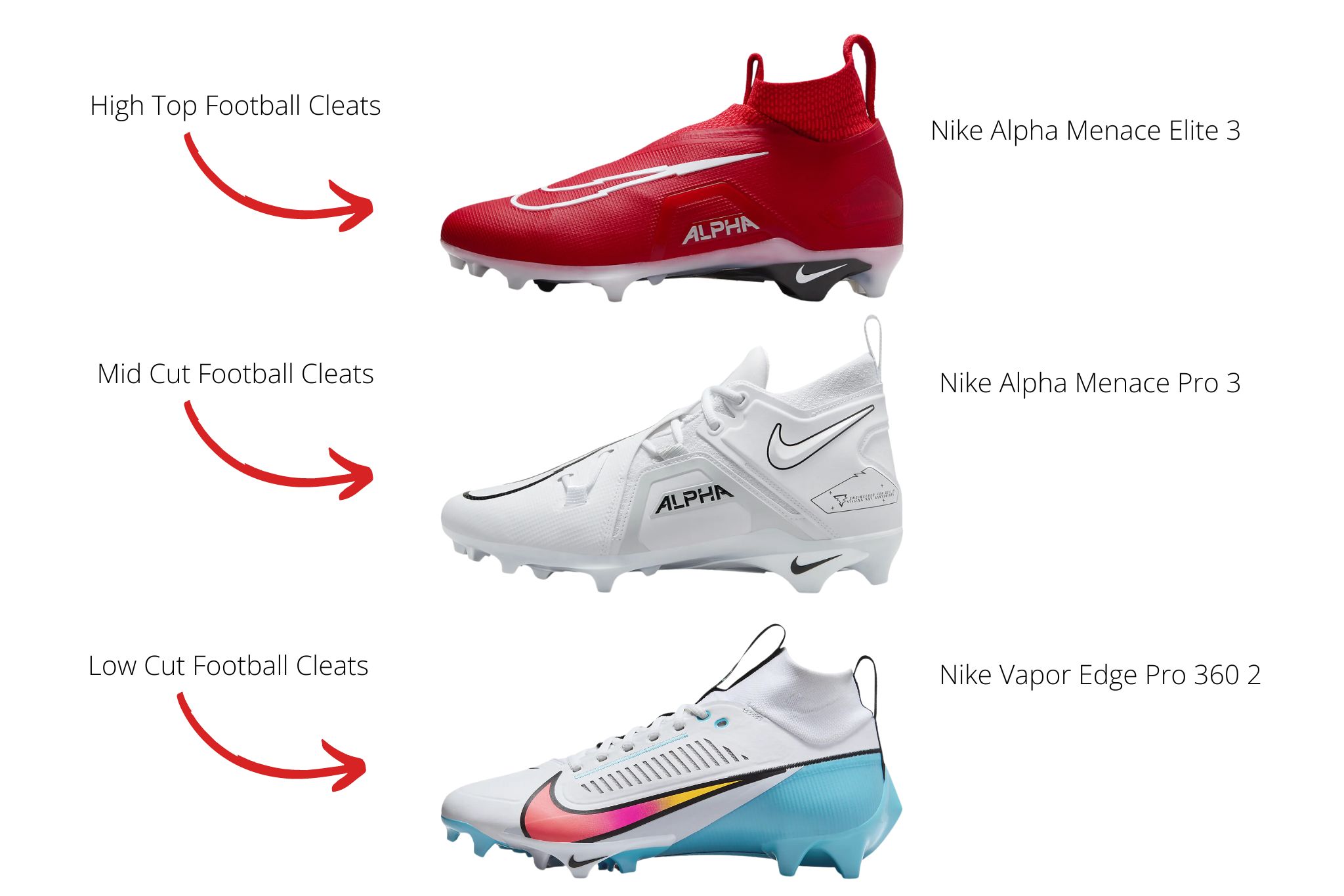
Image Source: i.stringerssociety.com
Can You Wear Football Cleats For Lacrosse Safely?
No, you generally cannot wear football cleats for lacrosse safely. While both sports involve athletic movement and cleats, there are crucial differences in their designs that make football cleats unsuitable and potentially dangerous for lacrosse.
Deciphering the Differences: Lacrosse Cleats vs. Football Cleats
When you’re hitting the field for a game, your footwear is more than just an accessory; it’s a critical piece of equipment that impacts your performance and, more importantly, your safety. This is especially true when considering the crossover potential between different sports. The question, “Can you wear football cleats for lacrosse?” is a common one, particularly for athletes who might play multiple sports or are just starting out. The short, and most important, answer is a resounding no. Trying to use football cleats on a lacrosse field introduces significant risks. Let’s delve into why.
The Core Design Principles
The fundamental design of cleats is dictated by the demands of the sport they are intended for. Lacrosse and football, while both field sports, have vastly different movement patterns and contact levels that necessitate distinct cleat constructions.
Lacrosse Cleat Specifics
Lacrosse requires quick, multidirectional movements. Players are constantly cutting, pivoting, and accelerating in various directions. This puts a premium on ankle support, stability, and grip that allows for agile transitions.
- Ankle Support: Many lacrosse cleats, particularly for attackmen and midfielders, feature mid-cut or high-top designs. These are engineered to provide substantial ankle stability, helping to prevent rolls and sprains during rapid changes in direction. Defensive players may opt for slightly lower cuts, but the emphasis on ankle protection remains.
- Toe and Forefoot Spikes: Lacrosse cleats often have a prominent spike or bladed cleat located at the toe of the shoe. This is crucial for the explosive forward acceleration and quick stops that are characteristic of the game. It allows players to dig in and generate maximum power.
- Multi-directional Stud Patterns: The sole of a lacrosse cleat is typically designed with a combination of bladed and conical studs distributed across the forefoot and heel. This arrangement offers optimal traction for lateral movements, pushing off, and maintaining balance during quick cuts. The spacing and pattern are optimized for the specific demands of lacrosse footwork.
- Lightweight Construction: While stability is key, lacrosse players also need to be agile. Therefore, lacrosse cleats are often constructed with lightweight materials to minimize fatigue and enhance speed.
Football Cleat Distinctions
Football, on the other hand, involves a different set of athletic requirements. While agility is important, there’s also a significant emphasis on powerful forward drives, blocking, and absorbing impact.
- Toe Spikes (and their purpose): Football cleats also feature toe spikes, but their primary purpose is often for initial forward burst and generating power during charges or blocks. The design and placement might differ slightly to accommodate the specific movements of football positions.
- Heel Spikes: A key differentiator is the presence of a prominent heel spike on many football cleats, especially for linemen. This spike aids in digging in for powerful forward momentum and resisting backward pressure during blocking or tackles.
- Stiffer Construction: Football cleats tend to be stiffer than their lacrosse counterparts. This is to provide a more rigid platform for generating power and absorbing the considerable forces experienced during collisions and powerful movements.
- Stud Configuration Variety: Football cleats come in a wider range of cleat configurations, including low-top, mid-top, and high-top designs, as well as variations in stud types (metal vs. molded plastic). This caters to the diverse needs of different positions, from agile wide receivers to powerful defensive linemen.
The Safety Implications: Why the Swap is Risky
The differences in design are not arbitrary; they are directly related to safety and performance within each sport. Attempting to wear football cleats for lacrosse can lead to several hazardous situations.
- Ankle Injury Risk: The aggressive heel spikes and generally stiffer construction of football cleats can impede the natural ankle flexion and extension required for quick lacrosse movements. This can make it harder to pivot and cut, increasing the likelihood of ankle rolls and sprains. The lack of targeted ankle support in many football cleat designs, when compared to specialized lacrosse cleats, is a significant concern.
- Compromised Agility: Football cleats, particularly those with more pronounced heel spikes, are designed for forward propulsion and stability. They can hinder the lateral and rotational movements essential for lacrosse. This can result in players being less effective and more prone to losing their footing.
- Surface Traction Issues: While both sports use cleats for traction, the specific stud patterns are optimized for the typical playing surfaces. A football cleat’s stud configuration, especially the aggressive heel spike, might not provide the ideal grip on a lacrosse field (which is often artificial turf or well-maintained grass), potentially leading to slips or inefficient power transfer. Conversely, a football cleat designed for the harder surfaces found in some football stadiums might dig too deeply into a lacrosse field, causing instability.
- Potential for Foul Play: In some instances, the aggressive nature of football cleats, particularly the longer spikes, could be perceived as dangerous or unsportsmanlike on a lacrosse field, potentially leading to penalties if they cause injury or are deemed a hazard by officials.
- Reduced Performance: Beyond safety, the wrong cleats will simply make you perform worse. You won’t be able to cut as effectively, accelerate as quickly, or maintain balance as well.
Can You Use Baseball Cleats for Lacrosse?
Similar to football cleats, baseball cleats are also not recommended for lacrosse due to distinct design differences.
- Baseball Cleat Characteristics: Baseball cleats typically feature a toe spike that is more pronounced and often longer than what is found on lacrosse cleats. This spike is designed to aid in batting stance stability and explosive first-step movements from the batter’s box or in the outfield. However, this prominent toe spike can be a hazard on a lacrosse field.
- Ankle Support: Baseball cleats vary in ankle support, but many are low-cut, prioritizing speed and freedom of movement. While some lacrosse players prefer lower cuts, the overall cleat design, including stud patterns, is still not optimized for lacrosse’s multidirectional demands.
- Hazardous Toe Spike: The primary concern with baseball cleats in lacrosse is the aggressive toe spike. On a lacrosse field, this spike can easily catch on the turf or grass during a quick cut or pivot, leading to severe ankle or knee injuries. Unlike the toe spike on lacrosse cleats, which is designed to be integrated into the sole for forward drive, the baseball toe spike can act like a lever, forcing an unnatural and dangerous twisting motion.
What About Soccer Cleats for Lacrosse?
While soccer cleats are closer in design principles to lacrosse cleats than football or baseball cleats, they are still not ideal for lacrosse.
- Soccer Cleat Design: Soccer cleats prioritize ball control and kicking, featuring a more rounded toe and stud patterns designed for grip on natural grass surfaces. They generally lack the aggressive toe spike found on lacrosse cleats, which is crucial for explosive forward acceleration in lacrosse.
- Ankle Support: Most soccer cleats are low-cut, offering minimal ankle support. While some lacrosse players may prefer this, the overall cleat geometry and stud placement are not optimized for the lateral cuts and rapid changes of direction common in lacrosse.
- Traction Differences: The stud configurations on soccer cleats are designed for different types of grass and traction needs. They may not provide the specific grip required for the quick stops and starts characteristic of lacrosse, especially on artificial turf.
The Importance of Appropriate Footwear: Suitable Footwear for Lacrosse
Investing in proper lacrosse cleats is crucial for any player serious about the sport. They are designed to enhance performance and, most importantly, to protect against common lacrosse-related injuries. When choosing athletic shoes for lacrosse, consider these factors:
- Ankle Support Level:
- Low-tops: Offer maximum ankle mobility and are generally lighter. Best for players who are confident in their ankle strength and prioritize speed.
- Mid-tops: Provide a balance of mobility and ankle support. A popular choice for many players.
- High-tops: Offer the most ankle support and are ideal for players prone to ankle rolls or those who prefer a more locked-in feel.
- Cleat Type:
- Molded Cleats: These are permanently attached to the shoe and are generally suitable for most artificial turf and some natural grass fields. They offer good traction without being overly aggressive.
- Detachable Cleats: Allow for interchangeable cleats of different lengths and styles, offering greater customization for various field conditions and player preferences. Metal cleats are sometimes allowed in higher levels of lacrosse but are often prohibited due to safety concerns on turf.
- Sole Plate Design: Look for a sole plate that distributes stud pressure evenly and offers flexibility in the forefoot for quick pivots.
- Material and Fit: Breathable materials will keep your feet cooler and more comfortable. A snug, but not tight, fit is essential to prevent blisters and ensure your foot stays secure within the cleat.
Why Use Sports Cleats for Lacrosse?
The answer is simple: performance and safety. Sports cleats for lacrosse are specifically engineered to meet the unique demands of the game.
- Enhanced Agility: The carefully designed stud patterns and sole plates allow for quicker cuts, sharper pivots, and more explosive directional changes.
- Improved Acceleration: The toe spike and forefoot stud configuration enable players to dig in and generate maximum power during sprints.
- Superior Traction: Proper cleats provide the necessary grip on various playing surfaces, reducing the risk of slips and falls, and allowing players to transfer force efficiently.
- Injury Prevention: By providing adequate ankle support and a stable base, lacrosse cleats help minimize the risk of sprains and other lower body injuries.
Lacrosse Equipment for Football Players: A Different Ballgame
For football players transitioning to lacrosse, or even those playing both, it’s important to recognize that the lacrosse equipment for football players needs to be specialized. While some general athletic conditioning principles might overlap, the protective gear and specialized equipment are distinct.
- Helmets: Lacrosse helmets have specific cage designs to protect the face from sticks and balls, differing from football helmets.
- Shoulder Pads: Lacrosse shoulder pads are generally less bulky than football pads, allowing for greater range of motion while still offering protection against stick checks and collisions.
- Arm Pads: Lacrosse arm pads are crucial for protecting the arms from stick checks and are often designed to allow for a full range of motion.
- Gloves: Lacrosse gloves are designed for stick handling and protection but offer more dexterity than bulky football gloves.
- Mouthguards: While both sports require mouthguards, the specific design might vary.
Can Football Cleats Be Used for Lacrosse?
To reiterate, can football cleats be used for lacrosse? The answer remains a firm no. The fundamental differences in design, particularly the aggressive heel spikes and stiffer construction of football cleats, make them a hazard on a lacrosse field. Trying to use them can lead to ankle injuries, compromised agility, and overall poor performance. It is always best to invest in footwear specifically designed for the sport you are playing.
Frequently Asked Questions (FAQ)
Q1: Are football cleats bad for lacrosse?
Yes, football cleats are generally considered bad and unsafe for playing lacrosse. Their design, especially aggressive heel spikes and stiffer construction, is not suited for the multidirectional movements and specific traction needs of lacrosse, increasing the risk of ankle injuries.
Q2: Can I wear soccer cleats for lacrosse?
While soccer cleats are less risky than football cleats, they are still not ideal for lacrosse. Soccer cleats lack the aggressive toe spike that aids in lacrosse acceleration and may not provide the optimal traction or ankle support for the sport’s quick cuts and pivots.
Q3: What is the main difference between football and lacrosse cleats?
The main differences lie in ankle support and stud design. Lacrosse cleats often have higher cuts for ankle support and a prominent toe spike for acceleration, with stud patterns optimized for multidirectional movement. Football cleats, especially for certain positions, may have aggressive heel spikes for powerful forward drives and a stiffer construction, which can be detrimental to lacrosse agility.
Q4: Are there any athletic shoes that work for both football and lacrosse?
No, there are no universally suitable athletic shoes that are safe and perform well for both football and lacrosse. The sports have distinct demands that require specialized cleat designs.
Q5: What kind of cleats should I buy for lacrosse?
You should buy cleats specifically designed for lacrosse. Look for features that match your playing style and position, such as the level of ankle support (low, mid, or high-top) and the type of cleats (molded or detachable).
Q6: Will wearing football cleats get me in trouble in a lacrosse game?
While not always explicitly stated as a rule violation, using footwear deemed unsafe by officials could lead to a player being asked to change their cleats or even facing penalties if they cause an injury or are deemed a hazard. It’s best to adhere to the equipment standards for lacrosse.
In conclusion, while the temptation to use footwear from one sport in another might arise, especially when considering versatility, the specific demands of lacrosse necessitate specialized cleats. Prioritizing your safety and performance means equipping yourself with the right gear, and that includes choosing lacrosse-specific footwear over football cleats.