
No, you cannot safely play football with a broken wrist. Playing football with a broken wrist can lead to further injury, delayed healing, and long-term complications.
A broken wrist, also known as a wrist fracture, is a serious injury that requires immediate medical attention and proper healing time. The demands of playing football, with its tackles, throws, and impacts, put immense stress on the wrist joint. Attempting to play through such an injury is not only dangerous but can also significantly hinder your ability to recover fully and return to the sport later. This article will delve into the intricacies of wrist fractures in the context of football, covering what happens when you break your wrist, why it’s a no-go for the field, the typical recovery timeline, and what steps are involved in getting back to playing.
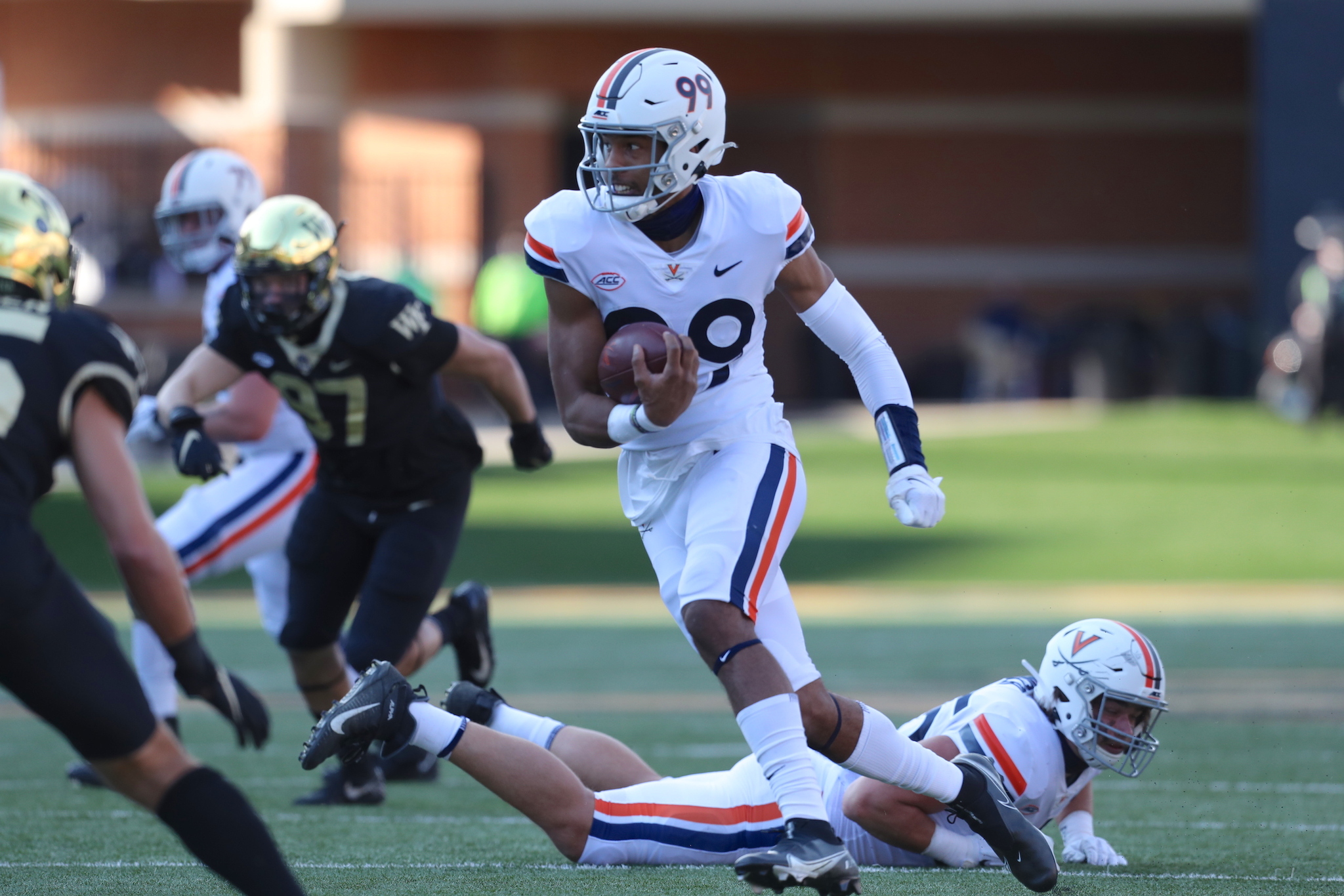
Image Source: jerryratcliffe.com
The Mechanics of a Wrist Fracture
A wrist fracture occurs when one or more of the bones in the wrist are broken. The wrist is a complex structure made up of eight small bones (carpals) arranged in two rows, connected to the two long bones of the forearm, the radius and ulna.
Common Causes of Wrist Fractures in Football
The high-impact nature of football makes it a sport where wrist injuries are unfortunately common. These can happen in various ways:
- Falling onto an outstretched hand (FOOSH): This is perhaps the most frequent cause. When a player falls, they instinctively try to break their fall with their hands, extending their wrist. The force transmitted up the arm can easily cause a fracture.
- Direct impact: A strong blow to the wrist from another player’s helmet, shoulder, or a direct tackle can also result in a fracture.
- Twisting injuries: Awkward movements or being tackled in a way that twists the wrist forcefully can lead to breaks.
Types of Wrist Fractures
There are several types of wrist fractures, each with varying degrees of severity and impact on playing ability:
- Distal Radius Fracture: This is the most common type, involving the end of the radius bone near the wrist. A Colles’ fracture is a common example, where the broken piece of the radius is angled backward.
- Scaphoid Fracture: The scaphoid bone is one of the small carpal bones. Fractures of the scaphoid are notorious for having poor blood supply, which can complicate healing and increase the risk of non-union (the bone failing to heal).
- Ulna Styloid Fracture: This involves a small, pointed end of the ulna bone. It often occurs along with other wrist fractures.
- Carpal Bone Fractures: Fractures of any of the eight carpal bones can occur, though they are less common than radius or scaphoid fractures.
Why Playing Football with a Broken Wrist is a Bad Idea
The immediate and long-term consequences of playing football with a broken wrist far outweigh any perceived benefit. The primary concern is the exacerbation of the injury and the potential for permanent damage.
Immediate Risks of Continuing Play
When a wrist is broken, the bone fragments are unstable. Engaging in football activities will:
- Increase Pain: The slightest movement will cause intense pain, making it difficult to perform any football action.
- Displace Bone Fragments: Continued stress can cause the broken pieces of bone to shift further out of alignment. This makes the fracture harder to set correctly and can lead to deformities.
- Damage Surrounding Tissues: The sharp edges of broken bone can tear into surrounding muscles, tendons, ligaments, and nerves, causing additional injury and complications.
- Cause Further Fractures: A weakened bone is more susceptible to additional breaks in the same or nearby areas.
Long-Term Consequences
If a broken wrist is not properly managed, the repercussions can be significant and long-lasting:
- Non-Union or Malunion: The bone may fail to heal altogether (non-union) or heal in an incorrect position (malunion). Both can result in chronic pain, weakness, and deformity.
- Arthritis: Damage to the joint surface from the fracture or improper healing can lead to post-traumatic arthritis, causing stiffness, pain, and limited range of motion years down the line.
- Nerve Damage: Compression or injury to nerves, such as the median nerve, can cause persistent numbness, tingling, and weakness in the hand and fingers.
- Tendon Damage: Tendons that control finger movement can be affected by the fracture or subsequent swelling, leading to difficulty in movement or even rupture.
- Reduced Strength and Dexterity: Even after healing, a poorly managed fracture can result in permanently reduced grip strength and fine motor skills, which are crucial for many aspects of football, from throwing to catching.
The Healing Process: What to Expect
Bone healing is a biological process that requires time and proper conditions. A broken wrist is no different. The recovery timeline for a wrist fracture varies greatly depending on the type and severity of the break, as well as the individual’s age and overall health.
Stages of Bone Healing
Bone healing typically progresses through several stages:
- Inflammation: Immediately after the fracture, the body initiates an inflammatory response. Blood vessels at the fracture site bleed, forming a hematoma (a blood clot). This stage is crucial for bringing in cells that will begin the healing process.
- Soft Callus Formation: Within days of the injury, specialized cells begin to form a soft callus, which is a fibrous tissue and cartilage that bridges the gap between the broken bone ends. This provides initial stability.
- Hard Callus Formation: Over several weeks, the soft callus is replaced by a hard callus, which is woven bone. This stage provides more robust support to the fracture site. This is when casting or immobilization is typically most crucial.
- Bone Remodeling: This is the longest stage, which can take months or even years. The hard callus is gradually reshaped and strengthened to resemble the original bone’s structure and strength.
Typical Recovery Timeline for a Wrist Fracture
While every injury is unique, here’s a general idea of the recovery timeline:
| Stage of Recovery | Estimated Duration | Activities |
|---|---|---|
| Initial Immobilization (Cast/Splint) | 4-8 weeks | Strictly no weight-bearing or forceful movements. Focus on pain management and reducing swelling. |
| Cast Removal and Early Motion | 2-4 weeks | Gradual introduction of gentle range-of-motion exercises. Minimal resistance. |
| Progressive Strengthening and Return to Light Activities | 4-8 weeks | Increasing resistance in exercises, introducing light grip activities. |
| Return to Sport-Specific Training | 4-12 weeks (or longer) | Gradual increase in intensity and complexity of drills. Focus on functional movements. |
| Full Return to Football | 3-6 months (or longer) | Complete return to unrestricted play. |
It is crucial to consult with a healthcare professional for a personalized recovery timeline.
Medical Advice and Fracture Care
When a suspected wrist fracture occurs, seeking prompt medical advice is paramount. A proper diagnosis and appropriate fracture care are the cornerstones of effective healing and a successful return to play.
Diagnosis of a Wrist Fracture
The diagnostic process typically involves:
- Physical Examination: A doctor will examine the injured wrist, looking for signs of swelling, deformity, tenderness, and assessing range of motion and sensation.
- X-rays: These are the primary imaging tool to visualize the bones and identify the location and severity of the fracture.
- CT Scans or MRIs: In some complex cases, a CT scan might be used to get a more detailed view of the bone, especially for carpal bone fractures or complex articular fractures. An MRI may be used to assess damage to surrounding soft tissues like ligaments and tendons.
Treatment Options for Wrist Fractures
The treatment plan will depend on the specific type and severity of the wrist fracture.
Non-Surgical Treatment
Many wrist fractures, particularly those that are not displaced or are only minimally displaced, can be managed non-surgically. This typically involves:
- Immobilization: The wrist is usually immobilized using a cast or a splint. This holds the bones in the correct position, allowing them to heal. The cast is typically worn for 4-8 weeks, depending on the fracture.
- Pain Management: Over-the-counter or prescription pain relievers are used to manage discomfort.
- R.I.C.E. Method: Rest, Ice, Compression, and Elevation are important in the initial stages to reduce swelling and pain.
Surgical Treatment
More severe fractures, including those that are significantly displaced, unstable, or involve the joint surface, may require surgery. Surgical options include:
- Closed Reduction and Immobilization: If the bones are displaced, a doctor may manipulate them back into alignment without surgery (closed reduction) and then immobilize the wrist with a cast.
- Open Reduction and Internal Fixation (ORIF): This surgery involves making an incision to directly reposition the broken bone fragments and then fixing them in place with hardware such as plates, screws, or pins.
- External Fixation: In severe open fractures or complex comminuted fractures, an external fixator may be used. This involves pins inserted into the bone above and below the fracture, connected to a rigid frame outside the skin to hold the bones stable.
The Role of Physical Therapy in Recovery
Once the initial immobilization period is over and the bone has achieved a certain level of stability, physical therapy becomes a crucial component of recovery. Sports medicine professionals, including physical therapists, play a vital role in guiding athletes back to their sport safely.
Goals of Physical Therapy
The primary goals of physical therapy after a wrist fracture are:
- Restore Range of Motion: Fractures and immobilization lead to stiffness. Therapists use various techniques to regain flexibility in the wrist and fingers.
- Regain Strength: Strengthening exercises are essential to rebuild the muscles of the forearm and hand. This includes grip strength, pinch strength, and overall wrist stability.
- Improve Dexterity and Coordination: Fine motor skills and hand-eye coordination, vital for football, need to be redeveloped.
- Reduce Swelling and Pain: Continued management of swelling and pain is important throughout the rehabilitation process.
- Gradual Return to Function: Therapists help patients transition from specific exercises to sport-specific movements.
Types of Exercises
A tailored physical therapy program might include:
- Gentle Range-of-Motion Exercises:
- Wrist flexion and extension
- Wrist radial and ulnar deviation
- Forearm pronation and supination
- Finger and thumb flexion and extension
- Strengthening Exercises:
- Grip strengthening with therapy putty or grip trainers
- Wrist curls with light weights
- Rubber band exercises for finger strength
- Elbow and shoulder strengthening to support the arm
- Proprioception and Balance Exercises:
- Activities to improve the sense of position and balance in the wrist and hand.
- Functional Activities:
- Practicing lifting objects, writing, and other everyday tasks to prepare for daily life and sports.
Return to Play: The Long Road Back
The decision to allow a player to return to play after a football injury, especially a wrist fracture, is multifaceted and requires careful consideration by medical professionals and the athlete. The recovery timeline is highly individualized.
Factors Influencing Return to Play
Several factors are considered before clearing a player to compete again:
- Radiographic Evidence of Healing: X-rays or other imaging must show adequate bone healing. The fracture site should be stable and show signs of completing the hard callus or remodeling stage.
- Pain-Free Range of Motion: The player must have a full, pain-free range of motion in the wrist.
- Strength and Endurance: Grip strength, forearm strength, and overall arm strength should be comparable to the uninjured side.
- Functional Readiness: The player must demonstrate the ability to perform sport-specific skills without pain or compromise. This includes throwing, catching, tackling preparation, and ball handling.
- Psychological Readiness: The player needs to feel confident and mentally prepared to return to a high-impact sport without fear of re-injury.
Phased Return to Football
A gradual, phased approach to returning to play is the safest strategy:
- Non-Contact Drills: Once cleared from immobilization and initial pain subsides, players may begin non-contact drills that don’t involve gripping or impact. This might include running, agility drills, and playbook study.
- Controlled Contact Drills: As strength and motion improve, players might progress to controlled contact drills. This could involve light throwing, catching, and drills with limited physical contact.
- Full Practice Participation: The player gradually increases their participation in full practice sessions, starting with limited reps and progressing to full engagement as tolerated.
- Return to Competition: The final step is full return to game play. This decision is usually made by the team physician or sports medicine specialist in consultation with the coaching staff.
Protective Bracing: Many athletes wear specialized wrist braces or splints during their return to play to provide additional support and protection against re-injury. The type and effectiveness of such bracing should be discussed with a medical professional.
Frequently Asked Questions (FAQ)
Q1: How long does it take for a broken wrist to heal enough to play football?
A1: The recovery timeline for a wrist fracture can range from 3 to 6 months, and sometimes longer, depending on the severity of the football injury and the player’s adherence to fracture care and physical therapy.
Q2: Can I wear a cast while playing football?
A2: No, playing football with a cast is highly dangerous. Casts are rigid and can cause significant injury to opponents if they come into contact with them. They also do not provide sufficient support for the dynamic movements required in football and can hinder proper bone alignment during healing.
Q3: What if my broken wrist doesn’t hurt anymore, can I play?
A3: Pain subsiding is a good sign, but it doesn’t necessarily mean the bone is fully healed and strong enough for the demands of football. Medical advice is essential. Continued activity without full bone healing can lead to displacement, malunion, or re-injury.
Q4: How important is physical therapy after a broken wrist?
A4: Physical therapy is extremely important. It helps restore range of motion, strength, and function, which are all critical for a safe and effective return to play in sports like football. Without it, players may experience long-term stiffness, weakness, and pain.
Q5: What is the role of a sports medicine doctor in my recovery?
A5: A sports medicine doctor oversees your entire return to play process. They diagnose the football injury, recommend the best fracture care strategy, monitor your bone healing, and work with your physical therapist to ensure you are physically and psychologically ready to compete again.