
Yes, in a pinch, you can use football cleats for lacrosse, but it’s generally not recommended as the best cleats for lacrosse offer features specifically designed for the sport’s unique demands. While both sports involve running and quick directional changes, the way these movements are executed and the playing surfaces differ, making specialized lacrosse footwear a superior choice for optimal performance and safety.
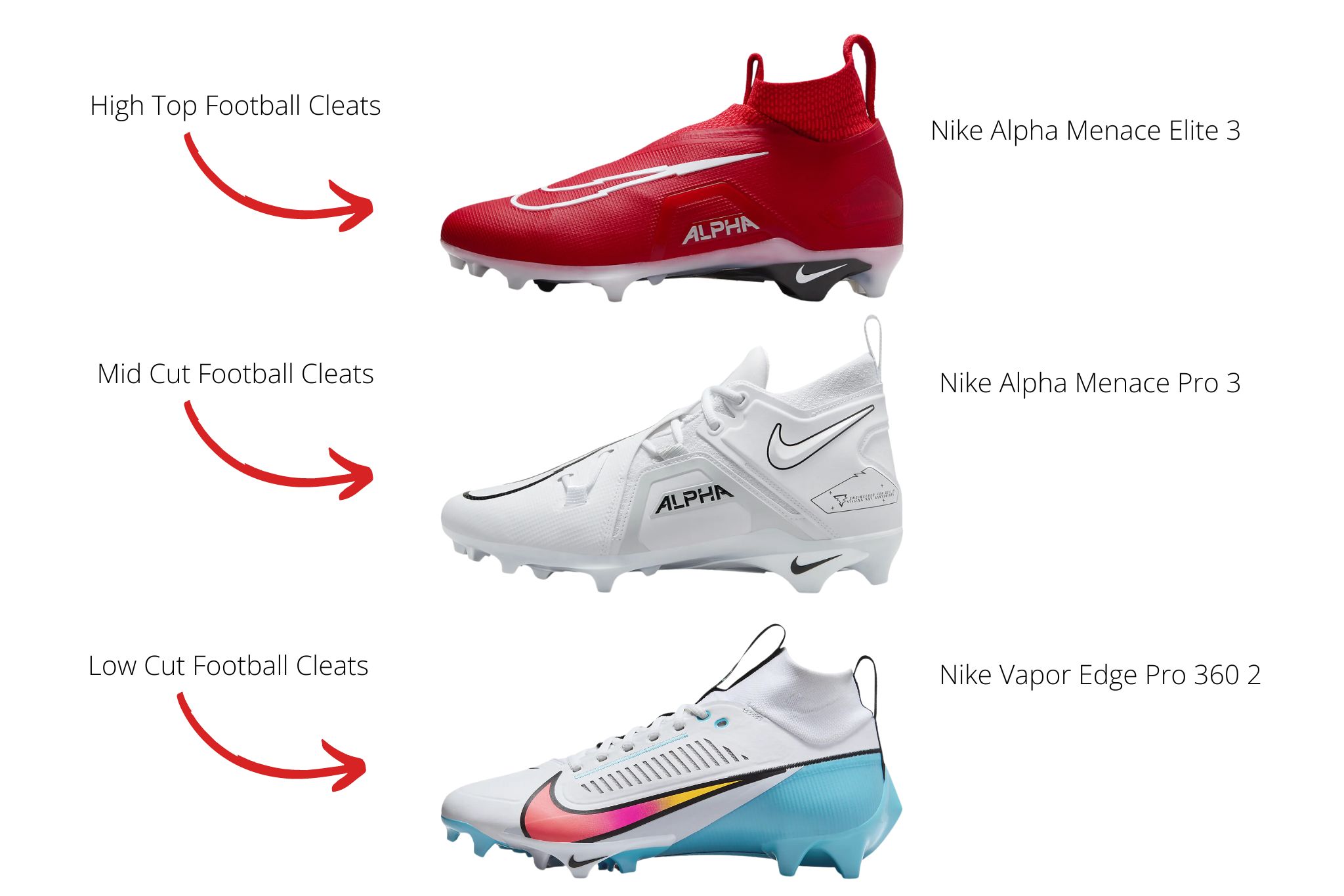
Image Source: i.stringerssociety.com
The Interplay Between Football Cleats and Lacrosse Fields
The question of whether football cleats on lacrosse field are a viable option is a common one, especially for athletes who participate in multiple sports or are just starting out. It’s natural to wonder if existing gear can be adapted. However, a deeper dive into the design and function of both types of cleats reveals significant differences that impact gameplay.
Football Cleats: Designed for the Gridiron
Football cleats are built with the explosive, straight-line acceleration and multi-directional bursts characteristic of American football. Their stud configurations and outsole patterns are engineered to provide maximum traction on grass and turf, facilitating powerful pushes off the line of scrimmage and decisive cuts.
- Stud Configuration: Football cleats often feature a variety of stud lengths and types. Longer, more aggressive studs are common, particularly in the heel and forefoot, to grip the turf during sprints and tackles. Some may have detachable or “interchangeable cleats lacrosse” style options, allowing for some adaptability, but the primary design remains focused on football’s specific needs.
- Ankle Support: Many football cleats, especially for lineman positions, offer high-top designs to provide significant ankle support, crucial for absorbing impact and preventing injuries during collisions.
- Weight: Football cleats can sometimes be heavier due to the reinforced materials and the need to withstand the rigors of a contact sport.
Lacrosse Cleats: Tailored for the Field of Play
Lacrosse, while also requiring speed and agility, involves a different type of movement. Players need to make rapid cuts, pivots, and quick stops while cradling a stick and often evading opponents. This necessitates lacrosse footwear that provides excellent lateral support and a different kind of traction.
- Stud Pattern: Lacrosse cleats typically have a more consistent stud pattern across the sole, often with a focus on forefoot studs for quick acceleration and turning. Some models may incorporate a midfoot shank for torsional rigidity.
- Flexibility: Lacrosse cleats are generally designed to be more flexible than many football cleats, allowing for greater range of motion in the ankle and foot during the dynamic movements of the game.
- Weight: Lighter weight is often a priority in lacrosse cleats to enhance speed and reduce fatigue.
- Lateral Stability: Lacrosse cleats often feature designs that enhance stability during side-to-side movements and quick pivots, a critical aspect of dodging and defending.
Examining the Pros of Using Football Cleats for Lacrosse
While not ideal, there are a few situations where using football shoes for lacrosse might seem like an option.
- Accessibility and Cost: For a beginner or someone trying out lacrosse for the first time, using existing football cleats can be a cost-effective solution. Purchasing specialized lacrosse gear cleat compatibility might be an unnecessary expense initially.
- Emergency Situations: If a player’s dedicated lacrosse cleats are lost or damaged right before a game or practice, football cleats can serve as a temporary substitute.
- Specific Field Conditions: On very soft or muddy fields, the aggressive studs of some football cleats might offer superior grip compared to certain lacrosse cleats designed for firmer surfaces.
Deconstructing the Cons: Why Football Cleats Fall Short for Lacrosse
The differences in design, while seemingly subtle, can have a significant impact on a player’s performance and safety. The question “Can football cleats work for lacrosse?” is best answered by considering these drawbacks.
Traction Differences: More than Just Grip
The primary difference lies in how the cleats interact with the ground.
- Forefoot vs. Full Sole Traction: Football cleats are often designed with concentrated traction points, especially in the heel, to propel players forward in straight lines. Lacrosse requires more distributed traction, particularly for lateral movements and quick stops where digging in with the edges of the foot is crucial.
- Aggressive Studs: The longer, more pointed studs found on some football cleats can sometimes dig too deeply into softer lacrosse fields, leading to ankle rolls or making it difficult to release from a cut. Conversely, on harder turf, they might not provide the optimal surface contact for quick pivots.
Ankle Support and Flexibility Trade-offs
- Limited Ankle Mobility: High-top football cleats, while offering support, can restrict the ankle’s range of motion. Lacrosse players need a greater degree of ankle flexibility for efficient footwork, quick changes of direction, and a feel for the ground. This restriction can hinder agility and increase the risk of certain types of ankle injuries if the cleats force the ankle into unnatural positions.
- Stiffness: The overall stiffness of football cleats, designed for powerful forward momentum, can make the quick, lateral cuts common in lacrosse feel less responsive and natural.
Weight and Responsiveness
- Added Weight: As mentioned, some football cleats can be heavier. This extra weight can translate to slower acceleration, increased fatigue over the course of a game, and a less nimble feel on the field. Every bit of weight saved in footwear can contribute to a player’s speed and endurance.
Potential for Injury
- Ankle Rolls: The aggressive stud patterns and the stiffness of some football cleats can increase the risk of ankle sprains when making sharp, lateral cuts that are fundamental to lacrosse. The studs might catch in the turf in a way that causes the ankle to twist beyond its natural limit.
- Toe Drag: The stud placement on football cleats might not be optimized for the “toe drag” technique used in lacrosse for quick stops and changes of direction, potentially leading to awkward foot placement and increased stress on the ankle and Achilles tendon.
Deciphering Lacrosse Cleat Types
To truly appreciate why specialized lacrosse footwear is important, it’s helpful to look at the different types available. The market offers various designs catering to different player positions and preferences.
Mid-Top vs. Low-Top Lacrosse Cleats
- Mid-Tops: These offer a balance of ankle support and flexibility, making them a popular choice for most attack and midfield players. They provide a bit more stability than low-tops without significantly hindering ankle mobility.
- Low-Tops: Favored by players who prioritize maximum agility and ankle flexibility, often attackmen or players with strong ankles who don’t require extra support.
Specific Features to Look For in Lacrosse Cleats
When searching for the best cleats for lacrosse, consider these features:
- Outsole Design: Look for a combination of circular and bladed studs for optimal traction during both forward movement and quick lateral cuts.
- Midfoot Support: A shank or plate in the midfoot can help with torsional rigidity, preventing the shoe from twisting excessively and providing a stable platform for powerful movements.
- Cushioning: Adequate cushioning is important for comfort during long games and practices, absorbing impact from running and jumping.
- Material: Lightweight yet durable synthetic materials are common, offering breathability and water resistance.
Football vs. Lacrosse Cleats: A Comparative Look
To solidify the differences, a direct comparison is useful.
| Feature | Football Cleats | Lacrosse Cleats |
|---|---|---|
| Primary Focus | Explosive acceleration, straight-line speed, tackling | Agility, lateral movement, quick cuts, pivots |
| Stud Design | Aggressive, varied lengths, often heel-focused | Balanced, often bladed or circular, forefoot emphasis |
| Ankle Support | High-tops common, maximum support | Mid-tops and low-tops, moderate to minimal support |
| Flexibility | Generally stiffer, less ankle mobility | More flexible, greater ankle mobility |
| Weight | Can be heavier | Generally lighter |
| Lateral Stability | Less emphasis, designed for forward drive | High emphasis, designed for side-to-side motion |
| Injury Risk | Higher risk of ankle rolls from aggressive studs | Designed to mitigate ankle roll risk during lacrosse movements |
Interchangeable Cleats: A Potential Bridge?
The concept of “interchangeable cleats lacrosse” is relevant here. Some athletic shoes, including certain football cleats, allow for the swapping of studs. While this offers a degree of customization, it’s important to remember that the fundamental design of the shoe’s sole and upper remains geared towards the primary sport. Swapping studs on a football cleat for lacrosse might slightly alter the traction, but it won’t change the inherent ankle restriction or the overall balance and support characteristics of the shoe.
Conclusion: Prioritizing Performance and Safety
Ultimately, while the question “Can you use football cleats for lacrosse?” has a conditional “yes,” the answer for optimal performance and safety is a strong “no.” The specialized design of lacrosse cleats is engineered to meet the unique demands of the sport, enhancing agility, providing appropriate traction for quick changes of direction, and minimizing the risk of injury. For any serious lacrosse player, investing in proper lacrosse footwear is a crucial step in elevating their game and ensuring their well-being on the field. The compatibility of your lacrosse gear cleat choice with your on-field actions is paramount.
Frequently Asked Questions (FAQ)
- Q1: Are football cleats bad for lacrosse?
- A1: They aren’t necessarily “bad” in the sense of being immediately dangerous in every situation, but they are not ideal. They can increase the risk of ankle injuries due to their different stud patterns and stiffness, and they may hinder agility and quickness.
- Q2: Can I wear soccer cleats for lacrosse?
- A2: Soccer cleats are generally even less suitable than football cleats for lacrosse. Soccer cleats have very low-profile studs designed for kicking and minimal ground contact, which will not provide the necessary grip for lacrosse’s quick cuts and pivots.
- Q3: What if I only play lacrosse occasionally?
- A3: If you’re just trying lacrosse out with friends and not in a competitive league, using football cleats might be acceptable for a few casual sessions. However, if you plan to join a team or play regularly, proper lacrosse cleats are highly recommended.
- Q4: Will using football cleats make me slower in lacrosse?
- A4: Potentially, yes. The added weight and less optimized stud pattern for quick lateral movements can affect your acceleration and agility, making you feel slower compared to players wearing dedicated lacrosse cleats.
- Q5: What is the most important feature of lacrosse cleats?
- A5: The most crucial features are a balanced stud pattern that provides traction for both forward motion and quick lateral cuts, along with appropriate ankle support and flexibility for the sport’s dynamic movements.