
Image Source: i.ytimg.com
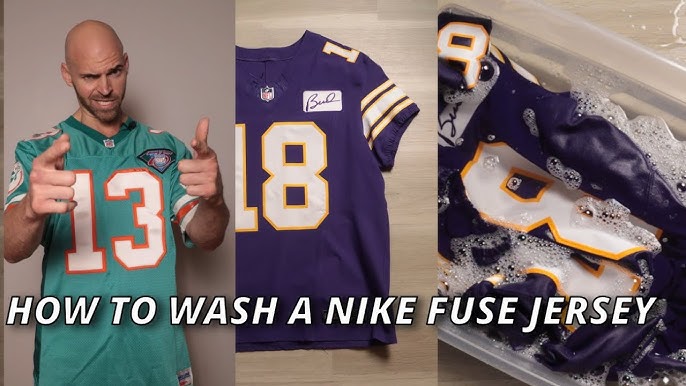
Can You Put Football Jerseys In The Dryer? Safely
Yes, you can put football jerseys in the dryer, but it’s crucial to do so safely to avoid damage. The best way to dry football jerseys is on a low heat setting or even an air-dry cycle. High heat can damage the fabric, shrink the jersey, and fade the vibrant colors and intricate details that make your favorite team’s gear look its best. When it comes to drying football uniforms, careful consideration of the fabric care football jerseys require is key to their longevity.
Caring for your football jerseys properly ensures they last longer, look great, and maintain their team spirit. From the stitching of the team logo to the fabric of the jersey itself, each element needs a gentle approach. This guide will walk you through the best practices for drying football jerseys, covering everything from understanding the labels to choosing the right dryer settings. We’ll delve into how to dry sports jerseys effectively and explore the nuances of drying sports apparel to keep your favorite kits in top condition.
Decoding Jersey Care Labels
The first and most important step in safely drying your football jersey is to check the care label. This small tag, often found inside the jersey, contains vital information provided by the manufacturer. These instructions are tailored to the specific materials and construction of the jersey. Ignoring these can lead to irreparable damage.
- Material Composition: Most modern football jerseys are made from synthetic fabrics like polyester or a blend of polyester and spandex. These materials are designed for performance, wicking away sweat and offering flexibility. However, they can also be sensitive to high heat.
- Washing Symbols: Care labels use universal symbols to indicate recommended washing and drying methods.
- A square with a circle inside typically means tumble dry.
- A square with a circle and a single dot signifies low heat.
- A square with a circle and two dots suggests medium heat.
- A square with a circle and three dots indicates high heat.
- A square with a circle and an “X” through it means do not tumble dry.
- A square with a circle and lines underneath means tumble dry with no heat or air dry.
- Dryer-Specific Instructions: Look for symbols that specifically address tumble drying. If you see a symbol with an “X” over the dryer, it’s a clear indication to avoid the dryer altogether.
Table 1: Common Tumble Dry Symbols and Their Meaning
| Symbol | Meaning | Recommended Action |
|---|---|---|
| Tumble Dry | Can be tumble dried. Check heat setting. | |
| Tumble Dry Low | Use the lowest heat setting on your dryer. | |
| Tumble Dry Medium | Use a medium heat setting on your dryer. | |
| Tumble Dry High | Use a high heat setting on your dryer. | |
| Do Not Tumble Dry | Air dry only. Do not use a dryer. | |
| Tumble Dry No Heat/Air | Use the air fluff or no heat setting on your dryer. |
The Risks of High Heat and Tumble Drying Football Jerseys
Putting a football jersey in the dryer on a high heat setting can be a recipe for disaster. The synthetic fibers commonly used in sports apparel are not as resilient to heat as natural fibers like cotton.
- Shrinkage: This is one of the most common problems. High heat can cause the synthetic fibers to contract, resulting in a jersey that is too small to wear. This is a significant concern when preventing football jersey shrinkage.
- Fabric Damage: Intense heat can weaken the fibers, making them prone to pilling, snagging, and tearing. This is particularly true for jerseys with intricate stitching, appliqués, or heat-pressed designs.
- Logo and Number Fading: The high temperatures can cause the inks and dyes used in printing logos, numbers, and player names to fade, crack, or peel. This can severely impact the aesthetic appeal of your jersey.
- Elasticity Loss: Many jerseys incorporate spandex or other elastic materials to allow for movement. High heat can break down these elastic fibers, causing the jersey to lose its stretch and fit.
Football Jersey Dryer Settings: Finding the Sweet Spot
When you decide to use the dryer for your football jerseys, selecting the correct football jersey dryer settings is paramount.
- Low Heat / Delicate Setting: This is almost always the safest bet. The low heat setting is designed to gently dry clothes without causing excessive shrinkage or damage to sensitive fabrics. This is the best way to dry jerseys that have any printed or embroidered elements.
- Air Fluff / No Heat: This setting is the absolute safest option. It uses the tumbling action of the dryer without any heat. This is ideal for very delicate jerseys or when you want to be absolutely sure no heat damage occurs. It essentially mimics air drying but speeds up the process by providing air circulation.
- Avoid High Heat: As mentioned, high heat is the enemy of most football jerseys. Unless the care label explicitly states otherwise, steer clear of the high heat setting.
How to Dry Sports Jerseys: A Step-by-Step Guide
To ensure you’re drying sports apparel, especially your precious football kits, correctly, follow these steps:
- Check the Care Label: Always start by reviewing the manufacturer’s care instructions. If it says “Do Not Tumble Dry,” then you must air dry.
- Wash Properly: Before drying, ensure the jersey has been washed according to its care instructions. Typically, this involves washing in cold water with mild detergent and avoiding fabric softeners, which can clog the wicking properties of synthetic fibers.
- Gentle Spin Cycle: After washing, use a gentle spin cycle in your washing machine to remove excess water. Avoid over-spinning, which can stretch or damage the fabric.
- Shake Out the Jersey: Before placing it in the dryer, gently shake out the jersey to help remove wrinkles and untangle any twisted seams.
- Use Dryer Balls (Optional): Wool dryer balls can help speed up drying time and reduce static cling without the need for fabric softeners. They also help keep the jersey from clumping in the dryer.
- Select the Right Setting: Choose the football jersey dryer settings as discussed: low heat, delicate, or air fluff.
- Limit Drying Time: Do not over-dry the jersey. Remove it as soon as it is dry to the touch. Over-drying can lead to shrinkage and fabric damage, even on low heat.
- Inspect After Drying: Once removed from the dryer, inspect the jersey for any signs of damage or shrinkage. If it’s still slightly damp, you can hang it to air dry completely.
Drying Football Uniforms: Beyond Just the Jersey
When we talk about drying football uniforms, it’s important to remember that a full uniform often includes pants, socks, and sometimes pads or accessories. Each of these items may have different care requirements.
- Football Pants: These are often made from durable nylon or polyester blends. They can generally tolerate a slightly higher heat than jerseys, but it’s still best to err on the side of caution and use low to medium heat. Check the specific care labels for the pants.
- Socks: Football socks are typically a cotton or synthetic blend. They can usually be dried on a medium heat setting, but be mindful of any reinforced areas or specific cushioning, which might be affected by high heat.
- Pads and Accessories: Any items like shoulder pads, thigh pads, or helmets should never be put in a dryer. The heat can warp or damage the protective materials. These should be air-dried separately.
Tumble Dry Football Kits: Best Practices for Longevity
The term tumble dry football kits encompasses the entire ensemble. To ensure your football kits maintain their performance and appearance, consistent gentle care is essential.
- Avoid Overloading the Dryer: A crowded dryer means reduced air circulation, leading to longer drying times and uneven drying. This can also increase the chance of items getting snagged or damaged. Dry jerseys in smaller loads, preferably with similar synthetic fabrics.
- Remove Promptly: As soon as the cycle is finished, remove the jerseys. Leaving them in a hot dryer will continue to expose them to heat, even if the heating element has turned off.
- Check for Dampness: Before folding, feel the jersey. If any areas still feel damp, hang them up to finish air drying rather than putting them back in the dryer for another cycle.
- Ironing (Use Caution): If your jersey needs ironing, use the lowest possible heat setting and place a thin cloth (like a pillowcase or tea towel) between the iron and the jersey. Never iron directly onto logos, numbers, or heat-pressed graphics, as this can melt them.
Heat Setting Football Jerseys: A Crucial Consideration
The heat setting football jerseys are exposed to during drying is a critical factor in fabric care football jerseys.
- Low Heat (130-140°F or 54-60°C): This is the safest setting for most synthetic sports fabrics. It’s sufficient to dry the jersey without causing significant damage.
- Medium Heat (140-150°F or 60-65°C): Some more durable synthetic blends might tolerate medium heat, but it’s still riskier for jerseys with prints or delicate construction.
- High Heat (160°F+ or 70°C+): This should be avoided at all costs for most football jerseys. It significantly increases the risk of shrinkage, fabric damage, and graphics degradation.
How to Dry Sports Jerseys: Preserving Quality
When you want to know how to dry sports jerseys without compromising their quality, think of it as a gentle process.
- Air Drying – The Ultimate Safe Method: If you have the time and space, air drying is the safest and most recommended method. Hang the jersey on a sturdy hanger or lay it flat on a drying rack. Avoid direct sunlight, as this can fade colors over time. Ensure good air circulation around the jersey.
- Using the Dryer Strategically: When air drying isn’t feasible, the dryer on a low or no-heat setting is the next best option. It’s about minimizing exposure to heat and mechanical stress.
Fabric Care Football Jerseys: A Holistic Approach
Fabric care football jerseys involves more than just the drying process. It’s about a consistent approach from washing to storing.
- Pre-Treatment: Treat any stains before washing. Use a stain remover specifically designed for sports fabrics or a mild detergent.
- Washing: Always wash jerseys inside out to protect the logos and numbers. Use cold water and a gentle cycle. Avoid bleach and fabric softeners.
- Drying: As we’ve covered extensively, low heat or air drying is best.
- Storage: Store jerseys folded neatly or on padded hangers to prevent stretching or creasing.
Preventing Football Jersey Shrinkage: Proactive Measures
Preventing football jersey shrinkage is a primary goal when deciding on drying methods.
- Read the Label: This can’t be stressed enough.
- Use Low Heat: Always opt for the lowest heat setting available on your dryer.
- Remove While Slightly Damp: Taking the jersey out before it’s completely bone dry allows it to finish drying on the hanger or rack without further heat exposure.
- Avoid High-Traffic Drying: Don’t dry jerseys with heavy items like jeans or towels, as the friction and tumbling action can be harsher.
Drying Sports Apparel: General Guidelines
These principles apply to most drying sports apparel:
- Synthetic Fabrics: Polyester, nylon, spandex – generally need low heat.
- Cotton Blends: Can tolerate medium heat but still benefit from lower temperatures.
- Mesh Panels: Often found on jerseys, these are delicate and can snag easily. Use a mesh laundry bag if you are tumble drying.
- Performance Fabrics: Treated fabrics designed to wick moisture can be sensitive to heat and chemicals.
Best Way to Dry Jerseys: The Verdict
The best way to dry jerseys is a combination of washing correctly and using the gentlest drying method possible.
- Wash Cold, Inside Out: Use a mild detergent on a gentle cycle.
- Air Dry Whenever Possible: This is the safest option.
- Low Heat Dryer: If using a dryer, select the lowest heat setting or air fluff.
- Remove Promptly: Take the jersey out when slightly damp.
- Hang or Lay Flat: Allow it to finish drying naturally.
Football Jersey Washing Instructions: Setting the Stage for Drying
Proper football jersey washing instructions are the precursor to successful drying.
- Pre-Wash Prep: Zip up zippers and fasten Velcro to prevent snagging. Turn the jersey inside out.
- Washing Machine Settings: Use the delicate or gentle cycle.
- Water Temperature: Always opt for cold water.
- Detergent: Use a mild detergent. Avoid harsh chemicals, bleach, and fabric softeners. Fabric softeners can coat synthetic fibers, reducing their ability to wick moisture effectively.
- Washing with Similar Items: Wash jerseys with other synthetic athletic wear to prevent damage from rougher fabrics like denim.
Frequently Asked Questions (FAQ)
Q1: Can I put my authentic football jersey in the dryer?
A1: Authentic jerseys often have more delicate materials and intricate embroidery or patches. It’s best to air dry them. If you must use a dryer, use the absolute lowest heat or air fluff setting and remove while still slightly damp.
Q2: My jersey has a printed name and number. Can I tumble dry it?
A2: Yes, but with extreme caution. Always use the lowest heat setting or air fluff. High heat is notorious for cracking and peeling printed graphics. Turning the jersey inside out before drying can offer some additional protection.
Q3: What if I don’t have a low heat setting on my dryer?
A3: If your dryer only has medium and high heat, it’s much safer to air dry your football jersey. The risk of damage is too high with the available settings. Alternatively, look for an “air fluff” or “no heat” cycle.
Q4: How long should I tumble dry a football jersey?
A4: It depends on the jersey and the dryer setting, but never for the full cycle. Check it frequently. Remove it when it is no longer wet to the touch, even if it feels slightly cool. Over-drying is a common mistake.
Q5: Can I use dryer sheets with my football jerseys?
A5: It’s generally not recommended for athletic apparel. Dryer sheets can leave a residue that reduces the moisture-wicking capabilities of the synthetic fabrics. Wool dryer balls are a better alternative if you want to reduce static cling and soften the fabric.
Q6: My jersey feels stiff after drying. What did I do wrong?
A6: Stiffness can be a sign of over-drying or damage to the synthetic fibers. Ensure you’re using low heat and removing the jersey promptly. Sometimes, a quick, gentle iron on low heat over a protective cloth can help restore some softness, but be very careful with the graphics.
By following these detailed guidelines and paying close attention to the specific needs of your football jerseys, you can ensure they remain in excellent condition, game after game, season after season. Gentle care is the key to preserving the vibrant spirit and performance of your favorite team gear.