
How Much Are College Football Players Getting Paid Now?
College football players are now being paid through Name, Image, and Likeness (NIL) deals, which allow them to earn money from endorsements, sponsorships, appearances, and other business ventures. While there are no outright “football player salaries” in the traditional sense, the advent of NIL has dramatically changed the landscape of college athlete compensation, leading to significant student-athlete earnings across the sport.
The world of college football has undergone a seismic shift. Gone are the days when players were strictly prohibited from profiting off their own likeness. The introduction of Name, Image, and Likeness (NIL) rules has ushered in a new era of college athlete compensation, fundamentally altering the financial landscape for student-athletes, particularly those in high-profile sports like football. This means that football player salaries, while not direct payments from universities, are now a tangible reality through a complex web of NIL deals. The question of “how much are college football players getting paid now?” is no longer a simple no, but a resounding yes, albeit through a system designed to bypass direct payment from the institutions themselves.
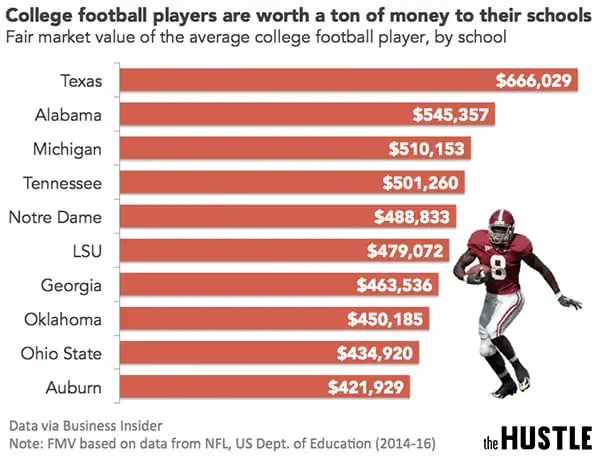
Image Source: 20627419.fs1.hubspotusercontent-na1.net
The Genesis of NIL: A Revolution in College Sports
For decades, the concept of amateurism vs. professionalism was a central tenet of college sports. Athletes were expected to compete for the love of the game and the opportunity to earn a scholarship. However, as college sports revenue exploded, driven by massive TV contracts, ticket sales, and merchandise, the disparity between the income generated by athletes and their own financial limitations became increasingly stark. Critics argued that this system was exploitative, allowing universities and athletic departments to profit immensely while the athletes, the primary drivers of this revenue, remained largely uncompensated beyond their scholarships.
The push for change gained momentum, fueled by legal challenges and growing public sentiment. The landmark Supreme Court case, NCAA v. Alston, which limited the NCAA’s ability to cap education-related benefits, further paved the way for the current NIL era. In July 2021, the NCAA adopted interim NIL policies, allowing student-athletes to benefit from their NIL without violating amateur status. This was not a federal law, but rather a shift in the NCAA’s own rules, leaving individual states to enact their own legislation. This patchwork of state laws created a dynamic and sometimes confusing environment, but the core principle remained: athletes could now earn money.
Decoding NIL Deals: How Players Actually Earn Money
The term “NIL deals” encompasses a broad range of opportunities for college athletes. It’s crucial to distinguish this from direct payments from universities, which remain prohibited. Instead, players can monetize their popularity and influence through various avenues:
- Endorsement Deals for Athletes: This is perhaps the most visible aspect of NIL. Brands, both local and national, are eager to partner with popular college athletes to promote their products and services. These deals can range from social media shout-outs and appearances at events to longer-term partnerships. For example, a quarterback known for his impressive passing accuracy might endorse a sports drink, while a star running back could promote a local car dealership.
- Autograph Signings and Memorabilia: Athletes can hold autograph sessions or sell signed merchandise, with the proceeds going directly to them. This taps into the passionate fanbase that follows college sports.
- Appearances and Camps: Players can be paid for appearances at events, youth sports camps, or even business openings. This allows them to interact with fans and earn income simultaneously.
- Social Media Influencing: With large followings on platforms like Instagram, TikTok, and Twitter, athletes can leverage their digital presence to earn income through sponsored posts and content creation.
- Licensing Their Own Name and Likeness: Athletes can create their own branded merchandise or business ventures, such as custom apparel or podcasts, and profit from these directly.
- Collectives: These are third-party organizations, often comprised of boosters and alumni, that pool funds to facilitate NIL opportunities for athletes. They can set up donation structures that directly benefit players through various NIL activities.
The Financial Spectrum: How Much Are We Talking About?
The question of “how much are college football players getting paid?” doesn’t have a single answer. The earning potential varies dramatically based on several factors:
- Player Popularity and Marketability: Star quarterbacks, Heisman Trophy candidates, and players from historically successful programs with large fanbases generally command the highest NIL deals. Their social media reach and brand recognition are significant assets.
- Position: Certain positions, like quarterback, often have higher earning potential due to their visibility and impact on the game.
- Team Success and Conference: Athletes on winning teams, especially those in major conferences like the SEC, Big Ten, or Pac-12, tend to have more exposure and access to lucrative NIL opportunities.
- Location: Players at universities in larger markets or areas with strong alumni networks may find more local business endorsement opportunities.
- State NIL Laws: The specific NIL laws in each state can influence the types of deals that are permissible and the structures used to facilitate them.
Table 1: Estimated NIL Deal Ranges for College Football Players
| Player Tier | Estimated Annual Earnings | Examples of NIL Activities |
|---|---|---|
| Top-Tier/National Stars | $500,000 – $2,000,000+ | National endorsements, major social media campaigns, lucrative appearance fees, collectiverelated opportunities. |
| High-Profile Starters | $200,000 – $500,000 | Regional endorsements, consistent social media partnerships, autograph signings, camp appearances. |
| Key Contributors/Role Players | $50,000 – $200,000 | Local endorsements, smaller social media collaborations, limited appearances. |
| Bench Players/Walk-ons | $0 – $50,000 | Occasional local deals, social media posts, minimal to no earning potential. |
Note: These figures are estimates and can fluctuate based on the factors mentioned above and market dynamics. Some exceptional cases may exceed these ranges.
It’s important to reiterate that these earnings are not guaranteed. While some athletes are securing substantial compensation, many others, particularly those not in prominent starting roles, may see minimal or no NIL income. The NIL compensation models are still evolving, and a significant portion of the NIL money is directed towards the top talent.
The Role of Collectives in NIL Compensation
One of the most impactful developments in the NIL landscape has been the rise of NIL collectives. These independent entities, often fueled by wealthy boosters and alumni, are crucial in connecting athletes with earning opportunities. Collectives typically:
- Source and Negotiate Deals: They act as intermediaries, identifying potential sponsors and negotiating contracts on behalf of athletes.
- Create NIL Opportunities: Some collectives establish programs where fans can subscribe or donate, with those funds then distributed to athletes for various NIL activities, such as creating content for the collective or participating in community events.
- Provide Education and Guidance: Many collectives offer educational resources to athletes on financial literacy, brand building, and navigating NIL agreements.
The existence of collectives has been instrumental in making NIL deals a reality for many players. Without them, the logistical and marketing challenges of securing individual deals would be insurmountable for most athletes. However, the indirect nature of these payments, with funds often flowing through collectives rather than directly from universities, has also drawn scrutiny and calls for greater transparency.
The Business of College Sports: A New Revenue Stream
The integration of NIL has transformed the college sports business model. While universities themselves cannot directly pay players, the overall revenue generated by college sports continues to grow, and NIL allows a portion of that wealth to be distributed to the athletes who are central to its generation. This has led to discussions about fair pay for athletes, with some advocating for even more direct compensation structures, potentially through revenue sharing or a more standardized pay-for-play model.
The NCAA is still grappling with how to best regulate the NIL landscape to ensure fair play and prevent improper inducements. The debate over amateurism vs. professionalism is far from over. While NIL allows athletes to earn money, it doesn’t fundamentally alter their student status. However, the financial incentives are undeniably significant, blurring the lines between amateur and professional sports.
Navigating the NIL Landscape: Challenges and Opportunities
The NIL era presents both immense opportunities and significant challenges for college football players and the institutions they represent:
Opportunities:
- Financial Empowerment: Athletes can now earn income that reflects their market value, helping them with expenses, saving for the future, or supporting their families.
- Brand Building: NIL allows athletes to develop their personal brands, which can be beneficial long after their college careers end.
- Increased Engagement: The ability for athletes to engage with fans through sponsored content can deepen the connection between players and the fanbase.
Challenges:
- Inconsistency and Inequality: The uneven distribution of NIL opportunities can create significant disparities among players, even within the same team.
- Compliance and Regulation: Navigating the complex and evolving NIL rules requires careful attention and legal counsel.
- Potential for Exploitation: Without strong oversight, there’s a risk of players being taken advantage of by unscrupulous agents or collectives.
- Impact on Team Dynamics: Perceived unfairness in NIL earnings could potentially create friction or resentment within a team.
- Focus Shift: Concerns exist that the focus on earning potential might detract from the academic and athletic development of student-athletes.
The Future of College Football Player Compensation
The NIL landscape is constantly evolving. As more states enact NIL legislation and the NCAA continues to refine its policies, we can expect further changes. Key areas of future development might include:
- Standardized NIL Structures: Efforts may be made to create more uniform NIL regulations across states and conferences to ensure a more level playing field.
- Increased Transparency: There will likely be a continued push for greater transparency in how NIL deals are structured and how funds are distributed, particularly through collectives.
- Direct University Involvement: While direct payment is currently off-limits, discussions about universities playing a more direct role in facilitating NIL opportunities, perhaps through structured partnerships, might emerge.
- Player Associations: The formation of player associations could give athletes a stronger voice in negotiating NIL terms and advocating for their rights.
The question of fair pay for athletes will continue to be debated. As the college sports business becomes increasingly professionalized, the pressure to compensate athletes more directly will likely intensify. The NIL era is a significant step, but it may be just the beginning of a larger transformation in how college athletes are valued and rewarded for their contributions to the multi-billion dollar college sports industry.
The ability for college football players to now earn through NIL deals has fundamentally altered the financial dynamics of college athlete compensation. While not direct football player salaries, these opportunities have led to substantial student-athlete earnings, fundamentally changing the game for many. The future of college sports revenue will undoubtedly continue to be shaped by how these NIL compensation models evolve and how the balance between amateurism vs. professionalism is further defined in the ever-growing college sports business.
Frequently Asked Questions (FAQ)
Q1: Can college football players receive direct salaries from their universities?
A1: No, college football players cannot receive direct salaries from their universities. The NCAA prohibits direct payments from institutions. All earnings are derived from Name, Image, and Likeness (NIL) activities through third-party arrangements.
Q2: How much money can a college football player realistically earn through NIL?
A2: The amount a college football player can earn through NIL varies greatly. Top-tier, nationally recognized players at prominent programs can earn anywhere from several hundred thousand to over a million dollars annually through endorsement deals, appearances, and other NIL activities. However, many players earn significantly less, or nothing at all, depending on their profile, team, and marketability.
Q3: What are NIL collectives, and how do they work?
A3: NIL collectives are independent third-party organizations, often comprised of boosters, alumni, and businesses, that pool resources to create NIL opportunities for student-athletes. They act as facilitators, connecting athletes with endorsement deals, running donation-based programs that benefit players, and sometimes providing marketing or brand-building services.
Q4: Do all college football players get paid the same amount through NIL?
A4: No, there is significant disparity in NIL earnings. Players who are national stars, have large social media followings, or play high-profile positions on successful teams tend to earn substantially more than their teammates who have less exposure or are not key contributors.
Q5: Are NIL deals considered boosters or improper inducements?
A5: NIL deals are intended to be compensation for an athlete’s name, image, and likeness, and not for their athletic performance or commitment to a university. Universities are prohibited from paying recruits or current athletes directly as an inducement to attend or remain at the institution. However, the NCAA and state athletic associations are still working to establish clear guidelines and enforcement mechanisms to prevent improper inducements.
Q6: What are the main ways college football players earn money through NIL?
A6: The primary ways college football players earn money through NIL include endorsement deals with businesses, social media influencing and sponsored posts, autograph signings, paid appearances, and licensing their name and likeness for merchandise.
Q7: Has NIL changed the concept of amateurism in college sports?
A7: Yes, NIL has significantly blurred the lines of traditional amateurism. While athletes are still considered students and are not direct employees, the ability to earn substantial income from their athletic activities and public persona has introduced a more professional element into college sports.
Q8: What is the NCAA’s role in NIL?
A8: The NCAA adopted interim NIL policies in July 2021 that allow student-athletes to profit from their NIL. However, the NCAA does not have a comprehensive federal law governing NIL, and the landscape is largely shaped by individual state laws and university policies. The NCAA continues to work on developing more consistent and comprehensive NIL guidelines.
Q9: Are NIL earnings taxable?
A9: Yes, earnings from NIL deals are considered taxable income for the athletes and are subject to federal and state income taxes. Athletes are responsible for tracking their earnings and fulfilling their tax obligations, often requiring them to work with tax professionals.