
A regulation American football weighs between 14 and 15 ounces.
The world of sports often brings up questions about equipment, and when it comes to football, one of the most common queries is about its weight. Specifically, how much does a football weigh in pounds? This question might seem straightforward, but the answer can vary depending on the type of football you’re referring to. This article will delve into the specifics of football weight, covering American football, soccer, and even a brief look at rugby balls, to give you a comprehensive answer. We’ll explore the football weight specifications for different leagues and types of play, helping you understand the nuances of football pounds and football size and weight regulations.
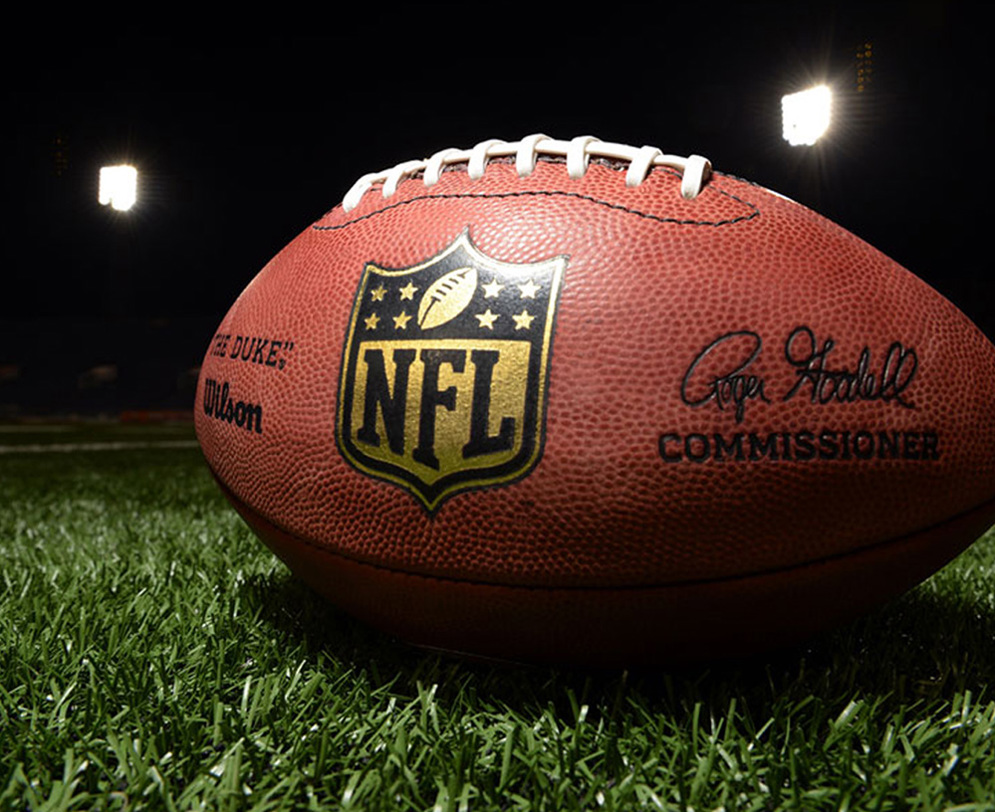
Image Source: operations.nfl.com
Deciphering American Football Weight
When people ask “how much does a football weigh,” they are often thinking of the iconic oval-shaped ball used in American football. The American football weight is carefully regulated to ensure fair play and consistent performance.
Regulation Football Weight
In American football, the official weight of the ball is set by governing bodies like the National Football League (NFL) and NCAA (for college football). The standard specifications are quite precise:
- Weight: A regulation football must weigh between 14 and 15 ounces (approximately 0.875 to 0.938 pounds).
- Circumference: The long circumference (from tip to tip) should be between 27.75 and 28.5 inches.
- Short Circumference: The circumference around the middle of the ball should be between 20.75 and 21.25 inches.
- Inflation Pressure: The ball should be inflated to a pressure of 12.5 to 13.5 pounds per square inch (psi).
These specifications are crucial for quarterbacks to grip and throw accurately, for receivers to catch, and for kickers to strike with power and precision. The slight variation in weight ensures that even with manufacturing tolerances, the balls remain within a playable range.
The NFL Football Weight
The NFL football weight adheres strictly to the general regulation. Each ball used in an NFL game is inspected to ensure it meets these precise weight and size requirements. The feel of an NFL ball is distinct – it’s designed for a good grip, even in challenging weather conditions.
College and High School Football
While the NFL sets the standard for professional play, college and high school football also follow similar guidelines. The regulation football weight for these levels is generally the same, ensuring a consistent experience for players transitioning through different stages of the sport. Slight variations might exist in specific youth leagues, but the 14-15 ounce range is the benchmark for most organized American football.
Why These Specifications Matter
The weight of an American football is not arbitrary. It directly impacts:
- Throwing Distance and Trajectory: A ball that is too heavy would be difficult to throw far, while one that is too light might be too easily affected by wind. The specified weight provides a balance for optimal aerodynamic performance.
- Grip: Quarterbacks need to be able to grip the ball securely. The size and weight contribute to a firm hold, allowing for better control during a pass.
- Kicking: Kickers rely on the ball’s weight and inflation to achieve the desired power and accuracy on field goals and punts.
- Tackling and Ball Security: The weight and shape also play a role in how easily the ball can be fumbled or intercepted during tackles.
Fathoming the Weight of a Soccer Ball
The term “football” can also refer to the sport known internationally as soccer. The ball used in soccer is vastly different from its American counterpart in shape, size, and, crucially, weight. So, how much does a soccer ball weigh?
FIFA Football Weight Specifications
FIFA, the international governing body for soccer, has set strict football weight specifications for the game at professional levels. These regulations are designed to ensure that the ball behaves consistently across all matches, regardless of the playing environment.
- Circumference: A regulation soccer ball (size 5, the standard for adult play) should have a circumference between 27 and 28 inches (68 to 70 cm).
- Weight: The FIFA football weight ranges from 14 to 16 ounces (approximately 0.875 to 1 pound or 410 to 450 grams). This is quite similar to the upper end of the American football weight range, but the shape is entirely different.
- Pressure: The ball should be inflated to a pressure between 0.6 and 1.1 atmospheres at sea level (approximately 8.7 to 15.9 psi).
Soccer Ball Weight Compared to American Football
It’s interesting to note that while the soccer ball weight can be slightly heavier than the lightest regulation American footballs, the difference is not as pronounced as one might expect if they only consider the common names. However, the spherical shape of a soccer ball means it’s designed for kicking and rolling, whereas the oval shape of an American football is optimized for throwing.
Why Soccer Ball Specifications Matter
The consistent weight and size of a soccer ball are essential for:
- Kicking Accuracy: Players need to be able to strike the ball with precision for passes, shots on goal, and clearances.
- Ball Control: The weight and inflation affect how the ball bounces and rolls, influencing dribbling and trapping.
- Aerodynamics: The spherical shape and consistent weight allow for predictable flight paths when the ball is kicked high or with spin.
- Fair Competition: Uniform ball specifications ensure that no team has an advantage due to using a ball that deviates from the standard.
A Brief Look at Rugby Ball Weight
While not strictly “football” in the common understanding of the term in the US, rugby is another sport that uses an oval-shaped ball. It’s useful to compare the rugby ball weight to American football to highlight the distinct design philosophies.
Rugby Ball Specifications
The International Rugby Board (now World Rugby) also has specific regulations for the rugby ball.
- Length: Between 11 to 11.8 inches (28 to 30 cm).
- Circumference (End to End): Between 23.6 to 24.4 inches (60 to 62 cm).
- Circumference (Width): Between 17.7 to 18.5 inches (45 to 47 cm).
- Weight: The rugby ball weight is specified to be between 13.76 to 14.78 ounces (390 to 420 grams).
Rugby Ball Weight vs. American Football
The rugby ball weight is very close to that of an American football. However, the dimensions and the exact shape differ slightly, with rugby balls generally being a bit more elongated and less pointed at the ends than American footballs. These differences influence how the ball is handled in play – rugby emphasizes carrying, kicking, and passing backwards, while American football is built for forward passing and strategic placement.
The Materials and Construction of Footballs
The weight and feel of a football are not just about size but also about the materials used in its construction.
American Football Construction
An American football typically consists of:
- Cover: Usually made from genuine leather for professional and high-level play, or synthetic leather (like polyurethane) for recreational or indoor use. Leather provides better grip and durability.
- Lacing: The laces are made of rubber or a similar synthetic material and are sewn into the cover. They enhance grip, especially for quarterbacks.
- Bladder: An internal inflatable bladder, usually made of butyl rubber, holds the air.
- Cover Panels: The leather or synthetic cover is often made of four panels stitched together.
The type of leather and the stitching can influence the overall weight slightly, but manufacturers must still adhere to the 14-15 ounce range. The “tack” or stickiness of the leather is also a critical factor for grip, often enhanced by conditioners.
Soccer Ball Construction
Soccer balls are spherical and are constructed differently:
- Cover: Modern soccer balls typically have covers made from synthetic leather (polyurethane or PVC).
- Panels: They are made up of either 32 panels (traditional design) or fewer, larger panels (modern designs) which are stitched or thermally bonded together. Thermally bonded balls are often preferred for their consistency in weight and water resistance.
- Bladder: Like American footballs, they have an internal inflatable bladder, usually made of butyl rubber for better air retention.
The choice of material for the cover and how the panels are joined can affect the ball’s responsiveness, water absorption, and overall feel, which indirectly relates to how it performs in different weather conditions, though weight remains the primary regulated factor.
Factors Affecting Football Weight (and Why It Matters for Every Pound)
While regulations dictate a specific range for football pounds, several factors can subtly influence a ball’s weight and performance over time or in different conditions.
Inflation Pressure
As mentioned, both American footballs and soccer balls have recommended inflation pressures. A ball that is under-inflated might feel softer and less responsive, while an over-inflated ball can be harder and might bounce unpredictably. While the weight itself doesn’t change due to inflation, the feel and performance of the ball are significantly altered. The specified weight is for a properly inflated ball.
Moisture Absorption
One factor that can cause a ball to deviate from its ideal weight, particularly in outdoor sports like American football and soccer, is moisture.
- Leather Footballs: Leather, especially natural leather, can absorb water. During a rainy game, an American football can become heavier due to waterlogged leather. This is one reason why synthetic materials are often preferred for less formal play or in consistently wet climates. This extra weight can make throwing harder and affect the ball’s flight.
- Soccer Balls: Modern soccer balls, especially those with thermally bonded panels and synthetic covers, are designed to minimize water absorption. However, even these can pick up some moisture, potentially leading to a slight increase in weight.
Wear and Tear
Over the course of a game or season, a football will experience wear and tear.
- American Football: The leather cover can get scuffed, and the stitching might fray slightly. While these don’t drastically alter the weight, they can affect the grip and overall feel.
- Soccer Balls: The outer material can wear down, and seams can loosen. Again, the weight change is usually minimal, but the performance characteristics can degrade.
The consistent football weight specifications ensure that these minor variations don’t create an unfair advantage or disadvantage.
Variations for Different Age Groups and Sports
It’s important to remember that the weights discussed so far are for adult, regulation play. Different age groups and specific variations of sports often use different sized and weighted balls.
Youth Football
For younger players in American football, smaller and lighter balls are used to help them develop proper throwing mechanics and grip. These balls might weigh less than the 14-15 ounce standard.
Indoor Football
Indoor football leagues might use balls with slightly different specifications to suit the indoor environment and playing style.
Touch Football or Flag Football
In less contact-oriented versions of American football, lighter balls might be used, or simply the standard ball without the strict weight adherence, prioritizing ease of handling.
Summary of Football Weights
To provide a clear overview, here’s a quick comparison:
| Sport | Ball Type | Typical Weight Range (Ounces) | Typical Weight Range (Pounds) |
|---|---|---|---|
| American Football | Regulation (NFL/NCAA) | 14 – 15 | 0.875 – 0.938 |
| Soccer | Regulation (FIFA) | 14 – 16 | 0.875 – 1.000 |
| Rugby | Regulation | 13.76 – 14.78 | 0.860 – 0.924 |
As you can see, the weights are surprisingly close across these major oval and spherical ball sports, with the differences often being in the precise ounces and the materials used. The primary distinction remains the shape, which dictates how the ball is used in the game.
Frequently Asked Questions About Football Weight
Q1: How much does a football weigh in pounds?
A regulation American football weighs between 14 and 15 ounces, which translates to approximately 0.875 to 0.938 pounds.
Q2: What is the official weight of an NFL football?
The official NFL football weight is between 14 and 15 ounces.
Q3: Does the weight of a soccer ball differ significantly from an American football?
While the term “football” can refer to both sports, the regulation soccer ball weight (14-16 ounces) is quite similar to the American football weight (14-15 ounces). The key difference is the shape: soccer balls are spherical, while American footballs are oval.
Q4: Can I use a soccer ball for American football practice?
No, you should not use a soccer ball for American football practice. The different shapes and sizes will not help you develop proper throwing or catching techniques for an American football.
Q5: Who determines football weight specifications?
Football weight specifications are determined by the governing bodies of each sport. For American football, this includes the NFL and NCAA. For soccer, it’s FIFA. For rugby, it’s World Rugby.
Q6: What happens if a football is too heavy or too light?
If a football is outside the regulated weight range, it can negatively impact player performance. A ball that is too heavy is hard to throw and control, while a ball that is too light might be too easily affected by wind or lacks the necessary momentum for kicks.
Q7: Do youth footballs weigh less than adult footballs?
Yes, youth footballs are typically smaller and lighter than adult regulation footballs to make them easier for younger players to handle and throw.
Q8: Does weather affect the weight of a football?
Yes, especially for leather footballs, moisture from rain or dew can be absorbed, making the ball heavier. Modern synthetic soccer balls are designed to minimize this effect.
In conclusion, when we ask “how much does a football weigh,” the answer hinges on which sport we’re discussing. For American football, the precise football weight is a key component of its performance, meticulously defined in ounces and pounds. Similarly, FIFA football weight standards ensure fairness in the global game of soccer. Whether it’s the iconic oval of American football or the spherical soccer ball, football weight specifications are in place to guarantee a consistent and fair playing experience for athletes worldwide.