
What is zone coverage in football? Zone coverage is a defensive scheme where players are responsible for guarding specific areas of the field, rather than specific offensive players. This means a defensive back might cover a zone from the hash mark to the sideline, or a linebacker might cover the area between the hashes in the short to intermediate passing game. Can I beat zone coverage with a strong running game? Yes, you can often beat zone coverage with a strong running game by identifying and attacking gaps that defenders are abandoning to cover passing lanes. Who is responsible for covering the deep middle in Cover 3 zone? In a Cover 3 zone defense, the free safety is typically responsible for the deep middle of the field.
Beating zone coverage is a fundamental aspect of offensive football. Defensive coordinators love to employ zone schemes because they can simplify coverage responsibilities and allow defenders to play faster and more aggressively. However, every scheme has weaknesses, and by knowing how to exploit zone defense, offenses can achieve significant success. This guide will delve into various strategies and tactics for attacking zone schemes and effectively beating zone coverage football.
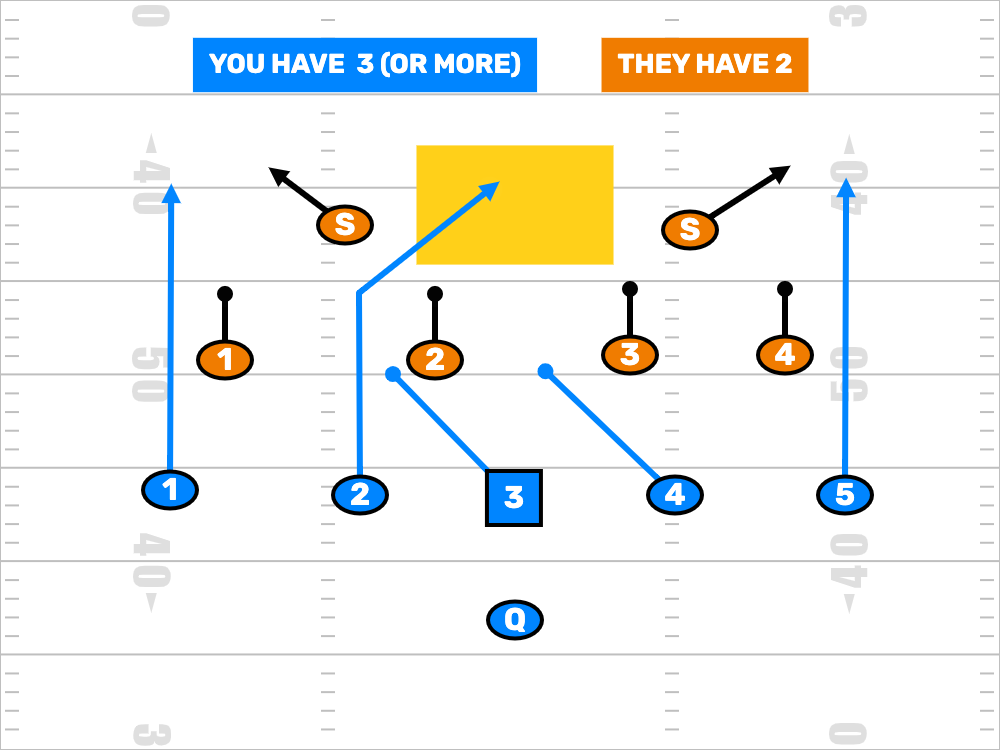
Image Source: firstdown.playbooktech.com
Deciphering Zone Defense Principles
Before we can effectively attack zone schemes, it’s crucial to grasp zone defense principles. In essence, zone defenders are tasked with protecting specific zones, areas of the field. When an offensive player enters their zone, they become responsible for that player. When that player leaves their zone, the defender passes them off to the next defender whose zone that player is entering. This creates a “wall” of defenders that is designed to prevent big plays and force offenses into predictable, manageable situations.
Key aspects of zone coverage include:
- Defined Responsibilities: Each defender has a specific area to cover.
- Pass-Offs: Defenders hand off receivers to teammates as they move between zones.
- Eyes on the Quarterback: Many zone defenders keep their eyes on the quarterback to anticipate passes.
- Breaking on the Ball: Defenders aim to break quickly on passes thrown into their zone.
Common zone coverages include Cover 2, Cover 3, Cover 4, and Cover 6. Each has its nuances, but the fundamental principle of protecting areas remains the same.
Exploiting Zone Defense: Attacking Zone Schemes
Beating zone coverage isn’t about brute force; it’s about precision, timing, and exploiting the inherent holes that exist within these schemes. We’re looking to create mismatches or force defenders out of their assigned areas.
Passing Against Zone
Passing against zone coverage requires a different approach than man-to-man. Instead of trying to beat a single defender, the goal is to find openings between zones or force defenders to commit to one area, leaving another vulnerable.
Creating Passing Lanes
- Spacing and Stretching the Field: Offenses that spread the field horizontally and vertically can force defenders to cover more ground, creating larger gaps.
- Crossing Routes: Routes that cross from one side of the field to the other are excellent for attacking zone. They force linebackers and defensive backs to make decisions about who to cover and can create traffic in the middle of the field.
- In-Breaking Routes: Slants, outs, and digs are effective because they attack the short to intermediate zones, forcing defenders to break downhill or laterally.
- Out-Breaking Routes: Comebacks and outs can pull defenders towards the sideline, opening up space underneath.
Quarterback’s Role in Beating Zone
The quarterback is the conductor of the offense when facing zone coverage. Their ability to read the defense and make quick, accurate decisions is paramount.
- Identifying Soft Spots: Look for areas where defenders are not covering aggressively or are slow to react.
- Moving the Safeties: If safeties are playing deep and in the middle, short passes to the flats can force them to come up, opening up opportunities downfield. Conversely, if safeties are cheating up, deep shots can be effective.
- Using the Middle of the Field: Many zone schemes can leave windows open in the middle of the field between linebackers and defensive backs. Tight ends and slot receivers are key here.
Specific Passing Concepts Against Zone
Here are some effective passing concepts for attacking zone coverage:
- Mesh Concept: Two receivers run shallow crossing routes that intersect. This action can occupy linebackers and create a void for one of the receivers to hit.
- Four Verticals: Four receivers run deep routes down the field. This stretches the safeties vertically and can create opportunities for one-on-one matchups or mismatches.
- Levels Concept: Receivers run routes at different depths in the same area of the field (e.g., a flat route, a comeback route, and a go route). This forces defenders to choose which depth to cover, and the quarterback can throw to the open receiver.
- Snag Concept: A receiver runs a quick out-breaking route, and another runs a shallow cross behind them. This can freeze linebackers and create a throwing lane.
Running Against Zone
Running against zone coverage requires patience, good blocking, and the ability to hit the correct holes. Defenders in zone coverage are often focused on passing lanes, which can leave gaps for opportunistic runners.
Identifying Running Lanes
- Zone Blocking Schemes: Offensive linemen are tasked with blocking areas rather than specific defenders. This allows them to move with the play and create a running lane.
- Cutback Opportunities: As defenders commit to stopping an initial run, there’s often a cutback lane that opens up behind the pursuing defenders.
- Misdirection: Play-action and jet sweeps can draw linebackers and safeties out of position, opening up interior running lanes.
Key Elements for Successful Zone Running
- Patient Running Backs: Running backs need to be patient, letting their blocks develop, and then exploding through the hole.
- Agile Offensive Linemen: Linemen who can effectively reach block and seal defenders are crucial for zone blocking schemes.
- Fullback or H-Back Involvement: These players can be vital in sealing off linebackers or creating a lead block.
Zone Coverage Weaknesses to Target
Every zone scheme, no matter how well-designed, has inherent weaknesses. Identifying and exploiting these is the key to consistently beating zone coverage.
- Holes Between Zones: There will always be areas of the field that are not directly covered by any defender, especially in the intermediate areas of the field.
- Linebacker Responsibilities: Linebackers are often the primary defenders responsible for the short to intermediate middle of the field. If they are drawn out of position or can be held in coverage, the middle of the field can become vulnerable.
- Safeties in Two-Deep Coverage: In Cover 2, the two deep safeties are responsible for the deep halves of the field. If the intermediate zones are attacked effectively, safeties can be forced to break on underneath throws, opening up deep passes.
- Defensive Line Pass Rush vs. Coverage: When a defense brings only three or four rushers and drops seven or eight into coverage, they are sacrificing pass rush for coverage. This can give the offense more time to find open receivers.
Zone Coverage Adjustments and How to Counter Them
Defenses will make zone coverage adjustments based on what an offense is trying to do. Being able to recognize these adjustments and counter them is crucial for sustained success.
Recognizing Common Zone Adjustments
- “Cloud” or “Roll” Coverage: In Cover 2, one safety might “roll” to the sideline to take away the flat and short outside routes, essentially turning it into a variation of Cover 3.
- Lurking Linebackers: Linebackers might drop deeper into coverage, anticipating crossing routes, which can clog up intermediate passing lanes.
- Man Principles within Zone: Sometimes, a defense will play a zone concept but have a specific defender responsible for an aggressive “man” coverage on a particular receiver.
Offensive Counter-Adjustments
- Adjusting Route Combinations: If a defense is overloading a specific area with defenders, adjust route combinations to attack the opposite side or areas with fewer defenders.
- Tempo and No-Huddle: Playing at a faster tempo can prevent the defense from making effective substitutions or adjustments between plays.
- Using Formations to Isolate: Offensive formations can create natural matchups or force defenders into less advantageous positions. For example, lining up with a tight end on one side can force a linebacker to cover them in space if they are playing zone.
- Screen Passes: Screen passes can be incredibly effective against aggressive zone defenses. By drawing linebackers and defensive backs up to stop the run or the short pass, the offense can get the ball to a receiver in space behind the initial rush.
Specific Zone Coverage Tips for Success
Here are some actionable zone coverage tips for offenses:
H3: Utilize Formations to Create Mismatches
- Bunch Formations: Grouping receivers together can confuse zone defenders and make it difficult for them to cover their assigned areas cleanly. This can also create natural picks and rubs.
- Empty Formations: Spreading receivers out wide forces linebackers to make decisions about dropping into coverage or staying in man-to-man on slot receivers.
- Tight Ends and H-Backs: These players are often matched up against linebackers in zone coverage. Exploiting these matchups in the middle of the field can be highly effective.
H3: Master the Art of the Mesh and Crossing Routes
The mesh concept, where two receivers run shallow crossing routes that intersect, is a fantastic way to attack zone.
- How it Works: One receiver runs a shallow cross, and another follows behind them, also crossing.
- What it Does: The defenders responsible for the intermediate zones often have to make a choice between covering the first receiver or the second, or they can get caught up in traffic.
- Quarterback Read: The quarterback reads which receiver is open after the routes develop. Often, one of them will be able to slip through the defenders.
H3: Attack the Soft Spots in the Middle
Many zone coverages leave vulnerabilities in the middle of the field, particularly between the linebackers and the safeties.
- Slants and Digs: These routes are designed to attack these areas.
- Tight End and Slot Receiver Usage: These players are ideal for running routes into the middle of the field.
- Play-Action: Using play-action can freeze linebackers, allowing receivers to get open in the middle.
H3: Stretch the Field Vertically and Horizontally
- Vertical Stretch: Four verticals or deep outs can pull safeties back, opening up opportunities underneath.
- Horizontal Stretch: Quick passes to the flats or out-breaking routes can pull defenders laterally, creating gaps in the middle.
- “Y-Cross” or “Cross-Field” Concepts: A receiver runs a deep cross from one sideline to the other, forcing defenders to pass them off and potentially create a large window.
H3: The Importance of the Screen Pass
Screen passes are designed to exploit aggressive defensive play.
- How it Works: The offensive line initially sells a run block, drawing defenders up, and then backs off to screen for a receiver who has run a short route.
- Why it Works: It takes advantage of defenders who are trying to attack the line of scrimmage or are focused on short passing lanes.
- Variations: Bubble screens, tunnel screens, and traditional screen passes can all be effective.
H3: Utilize Play-Action to Freeze Defenders
Play-action is a powerful tool against zone coverage.
- Freezing Linebackers: A strong run fake can cause linebackers to hesitate, thinking it’s a run play. This pause gives receivers extra time to get open.
- Drawing Safeties Up: In some zone schemes, a convincing play-action can draw safeties up slightly, opening up opportunities for deep passes.
H3: Adjusting to Coverage Shells
Knowing the different coverage shells is vital.
- Cover 2: Two deep safeties, five under. Vulnerable in the intermediate middle.
- Cover 3: Three deep defenders, four under. Vulnerable in the seams and the intermediate zones between the underneath and deep defenders.
- Cover 4: Four deep defenders, three under. Generally stronger against deep passes but can be susceptible underneath.
H3: The Role of the Offensive Line
The offensive line’s blocking scheme is critical.
- Zone Blocking: Designed to create lanes by moving as a unit.
- Man Blocking: Each lineman is responsible for a specific defender.
- Combination Blocks: Linemen block a defender together before one moves to the second level.
Summary Table of Key Strategies
| Strategy | Description | Key Offensive Personnel |
|---|---|---|
| Passing Concepts | Mesh, Four Verticals, Levels, Snag | QB, Receivers, Tight Ends |
| Route Combinations | Crossing routes, Slants, Digs, Outs, Comebacks | Receivers, Slot Receivers |
| Running Concepts | Zone blocking with cutbacks, Misdirection | Running Backs, Offensive Line, Fullback/H-Back |
| QB Reads | Identifying soft spots, anticipating defender movement | Quarterback |
| Formation Usage | Bunch, Empty, Tight formations to isolate or confuse defenders | QB, Receivers, Tight Ends |
| Specialty Plays | Screen passes (bubble, tunnel), Play-action | QB, Receivers, Running Backs, Offensive Line |
| Field Awareness | Stretching the field vertically and horizontally | QB, Receivers |
| Offensive Line Scheme | Zone blocking to create lanes, combo blocks to seal defenders | Offensive Line |
| Tempo and Rhythm | Fast-paced offense to limit defensive adjustments | Entire Offense |
| Exploiting Weaknesses | Attacking holes between zones, isolating linebackers, using mismatches | All Offensive Players |
Frequently Asked Questions (FAQ)
Q1: What is the best way to attack Cover 3 zone?
Cover 3 zone defenses are strong against deep outside passes but can be vulnerable in the seams and the intermediate middle of the field. Attacking these areas with crossing routes, digs, and slants from your tight ends and slot receivers is often effective. Play-action can also freeze the linebackers, creating opportunities in the middle.
Q2: How do I beat Cover 2 zone?
Cover 2 zone has two deep safeties, leaving the area between the safeties and the underneath coverage (the “hole”) as a potential weakness. Attacks such as shallow crossing routes, digs, and seam routes can exploit this. Also, getting the ball out quickly to the flats can force the safeties to come up, potentially opening up deeper routes on the next play.
Q3: Is it better to run or pass against zone coverage?
Both running and passing can be effective against zone coverage. A strong running game can wear down the defense and exploit gaps if the defensive players are too focused on passing lanes. However, passing with precise route combinations and good quarterback reads is often the more direct way to exploit the holes in zone coverage. The best approach is to have a balanced attack that can do both effectively.
Q4: What is a “pick” play and is it legal against zone?
A “pick” play, also known as a rub or a screen, involves one receiver running a route that intentionally impedes a defender’s path to another receiver. While technically legal if the contact is incidental and not a deliberate hold or block, officials are often quick to throw flags for offensive pass interference if the contact is deemed excessive or intentional. Against zone, these can be effective at occupying or momentarily stopping a zone defender from covering their area.
Q5: How can I improve my team’s ability to beat zone coverage?
Consistent practice and film study are key. Offenses need to work on route combinations that create conflict for zone defenders, develop strong offensive line blocking schemes, and train quarterbacks to read defenses and make quick decisions. Practicing against various zone coverages in training camp and focusing on exploiting specific weaknesses will significantly improve an offense’s ability to beat zone.