
Yes, in a pinch, you can use football cleats for soccer, but it’s generally not recommended due to significant differences in design and function between the two types of athletic footwear. While they might seem similar on the surface, using football boots for soccer can impact your performance, increase your risk of injury, and even violate league rules. This article will delve into why these differences matter and what you need to know if you’re considering this footwear swap.
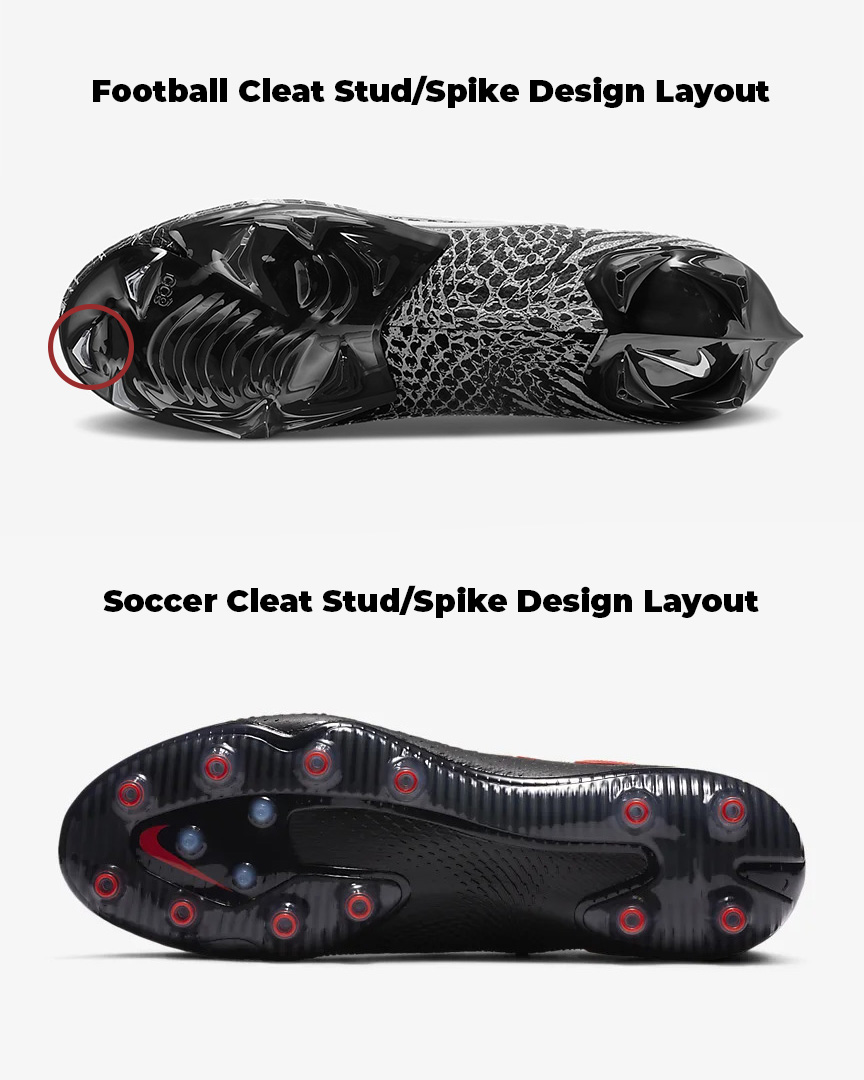
Image Source: juventussandiego.com
Exploring Football Boots vs. Soccer Shoes
The primary reason football cleats and soccer cleats are not interchangeable lies in their specialized designs, each tailored to the unique demands of their respective sports. The way the ball is kicked, the types of tackles involved, and the dominant movements on the field all influence the construction of these specialized cleats.
Purpose-Driven Design: The Core Differences
Football and soccer, despite both involving a ball and athletic movement, require vastly different approaches to footwear. This translates directly into the design of their respective cleats.
Traction and Stud Patterns
This is arguably the most significant difference. Football cleats are engineered for explosive acceleration and lateral movements, often on a softer, sometimes muddier, turf.
- Football Cleats: Tend to have a more aggressive stud pattern. They often feature longer, more pointed studs, especially on the heel, designed to dig into the turf for maximum grip during sprints, cuts, and changes in direction. Many football cleats also have a toe cleat, which aids in push-off during explosive plays. The placement and shape of these studs are optimized for the forward and backward motions common in football.
- Soccer Cleats: Are designed for agility, quick turns, and precise ball control. Their stud patterns are generally more rounded and shorter. They focus on providing consistent grip without digging too deeply, which could impede smooth rotation of the foot. The distribution of studs aims to allow for quick changes in direction and stability during dribbling and shooting. There is typically no toe cleat on soccer cleats, as this could inadvertently interfere with the delicate touch required for ball manipulation.
Upper Construction and Material
The materials used and the overall construction of the shoe’s upper also play a crucial role in their suitability for each sport.
- Football Boots: Often feature a more robust and protective upper. This can include thicker materials like synthetic leather or reinforced textiles, designed to withstand the heavier impact and physical contact inherent in American football. Some designs may offer more ankle support, especially in higher-cut models, to help protect against twists and sprains.
- Soccer Cleats: Prioritize a lightweight and snug fit. Uppers are typically made from thinner, more flexible materials like soft leather, synthetic leather, or engineered mesh. This allows for a better feel of the ball and greater flexibility in the foot, crucial for dribbling and passing. The emphasis is on a second-skin feel to enhance touch and control.
Soleplate Flexibility and Weight
The soleplate, the part of the shoe to which the studs are attached, also varies significantly.
- Football Cleats: Can have stiffer soleplates to provide a stable platform for powerful movements. The weight might be slightly more due to the reinforced materials and construction aimed at durability and protection.
- Soccer Cleats: Typically have more flexible soleplates. This flexibility allows the foot to move more naturally and aids in the subtle movements needed for ball control. Weight is also a critical factor, with most soccer cleats designed to be as light as possible to enhance player speed and reduce fatigue.
Why Football Cleats Are Not Ideal for Soccer
The differences outlined above directly translate into potential problems when you try to use football boots for soccer. These issues can affect your ability to play effectively and, more importantly, your safety on the field.
Performance Impediments
Using the wrong footwear can hinder your ability to execute essential soccer techniques.
- Ball Control: The bulkier construction and aggressive stud pattern of football cleats can make it difficult to get a clean touch on the ball. This can affect dribbling, passing, and shooting accuracy. The toe cleat, in particular, can get in the way of a proper strike.
- Agility and Quick Turns: While football cleats offer great traction, their design is geared towards forward bursts. The studs might dig in too much during sharp, lateral movements, potentially causing a player to stumble or slow down. This can be detrimental in a sport like soccer that requires constant changes in direction.
- Touch and Feel: Soccer demands a high degree of sensitivity in the feet for controlling the ball. The materials and padding in football cleats often reduce this tactile feedback, making it harder to feel the ball.
Injury Risks
Wearing inappropriate footwear can expose you to an increased risk of injuries.
- Ankle Sprains: The aggressive studs and stiffer soleplate of football cleats, especially those with higher ankle support, might not allow for the natural flex and rotation of the foot needed in soccer. This can put unnatural stress on the ankle joints, increasing the likelihood of sprains.
- Knee and Hip Injuries: When studs dig too deeply into the ground and the foot is prevented from twisting naturally, the rotational force can be transferred up the leg, potentially leading to knee or hip injuries.
- Toe and Foot Injuries: The toe cleat on many football boots can be particularly problematic. It can interfere with striking the ball cleanly, and in some cases, might even lead to stubbing your toe or causing discomfort during play.
Rule Violations
Many soccer leagues and governing bodies have specific regulations regarding footwear.
- Prohibited Stud Types: It’s common for soccer rules to prohibit certain types of studs, particularly metal cleats or studs that are too long or have aggressive patterns. Football cleats often fall into this category.
- Referee Discretion: Referees are responsible for ensuring player safety and adherence to equipment rules. They have the authority to disallow players from participating if their footwear is deemed unsafe or non-compliant. Using football cleats could lead to you being asked to change them before the game or even being unable to play.
When Might Football Cleats Be a “Workaround”?
While not ideal, there might be rare situations where using football cleats is a temporary solution. However, it’s crucial to weigh the pros and cons very carefully.
Emergency Situations
If you’re in a dire situation, like a sudden game where you have no other option, and you absolutely must play.
- Last Resort: This should only be considered if you have absolutely no access to proper soccer cleats.
- Minimal Impact Play: If you’re playing a casual pickup game with less emphasis on technical skill and more on general athleticism, the differences might be less pronounced.
- Modified Play: If you can, try to find football cleats with flatter, less aggressive studs, or ones that are lower cut. Avoid the aggressive, long studs, especially at the toe.
Specific Field Conditions
In very rare cases, the ground conditions might lead someone to consider football cleats.
- Extremely Soft Ground: If the soccer field is exceptionally soft and muddy, some players might think the deeper digging of football cleats would be beneficial. However, soccer cleats are designed to shed mud and provide consistent grip even in wet conditions, and football cleats can still be too aggressive, leading to the same injury risks.
What to Look for If You Must Use Them (and How to Mitigate Risks)
If you find yourself in a situation where you absolutely have to use football cleats for soccer, here are some things to keep in mind to minimize the negative impacts:
Choose Wisely (If Possible)
Not all football cleats are created equal.
- Lower Cut Models: Opt for low-top football cleats rather than mid-tops or high-tops to allow for more ankle mobility.
- Fewer, Shorter Studs: If you have a choice, select football cleats with a more balanced stud pattern, fewer studs, and shorter stud lengths.
- Avoid Toe Cleats: If a football cleat has a prominent toe cleat, it’s best to avoid it for soccer entirely.
Adjust Your Playstyle
You’ll need to adapt your technique.
- Focus on Touch: Be extra conscious of your footwork when controlling the ball. Use the instep and sides of your foot more, and try to avoid using the toe of the shoe.
- Softer Touches: Practice softer passes and dribbling to compensate for the reduced feel.
- Cautious Turns: Be mindful of your turns and avoid making very sharp, sudden pivots that could cause your studs to dig in too much.
Pre-Game Preparation
Some steps can help before you even step onto the field.
- Break Them In: If you have any time at all, wear the football cleats around the house to get a feel for them and slightly soften the materials.
- Check the Rules: Double-check the specific league rules to ensure your footwear won’t get you disqualified.
The Importance of Dedicated Soccer Cleats
The benefits of using footwear specifically designed for soccer are substantial. Investing in the correct gear is crucial for any serious player.
Optimized for Soccer’s Demands
Soccer cleats are engineered from the ground up to support the sport’s unique movements and techniques.
- Enhanced Ball Control: The snug fit and thin, flexible uppers provide unparalleled feel and control over the ball.
- Agility and Quickness: Stud patterns are designed for rapid changes in direction, allowing players to pivot, cut, and accelerate effectively.
- Comfort and Reduced Fatigue: Lightweight materials and ergonomic designs contribute to greater comfort and less fatigue over the course of a game.
- Injury Prevention: The stud configuration and soleplate flex are developed to work with the natural biomechanics of the foot during soccer movements, reducing the risk of common sports injuries.
Types of Soccer Cleats
Soccer cleats themselves come in various types to suit different playing surfaces and player preferences. Understanding these distinctions further highlights why football cleats are unsuitable.
Based on Surface Type
- Firm Ground (FG): The most common type, featuring a mix of conical and bladed studs for optimal traction on natural grass fields.
- Soft Ground (SG): Designed for wet, muddy fields, these cleats have longer, metal-tipped studs that can be screwed in or out to adjust traction.
- Artificial Grass (AG): Feature numerous shorter, rubber or plastic studs to provide grip on artificial turf and reduce stress on joints.
- Turf (TF): Have many small rubber nubs, ideal for hard, artificial surfaces like indoor soccer courts or very worn outdoor fields.
Based on Player Position or Style
While less rigid now, historically, certain cleat designs were associated with specific player roles:
- Forwards/Wingers: Often preferred lighter, more flexible cleats for speed and agility.
- Midfielders: Might opt for a balance of comfort, control, and traction.
- Defenders: Sometimes favored slightly more supportive and durable cleats.
Features to Consider When Buying Soccer Cleats
When purchasing footwear for soccer, consider these key elements:
- Fit: This is paramount. Cleats should be snug but not painfully tight. There should be no significant heel slippage.
- Upper Material: Leather offers excellent comfort and ball feel but can be heavier and absorb water. Synthetics are often lighter, more water-resistant, and require less break-in time. Engineered mesh provides breathability and a sock-like fit.
- Closure System: Laces are standard, but some brands offer laceless designs for a cleaner striking surface.
- Cushioning: While lighter is often better, some cushioning can improve comfort, especially for longer matches.
Frequently Asked Questions (FAQ)
Can I use baseball cleats for soccer?
Generally, no. Baseball cleats often have a toe cleat, similar to football cleats, which is prohibited in soccer. The stud patterns are also different and not optimized for soccer movements.
Are football boots heavier than soccer cleats?
Yes, football boots are typically heavier due to their more robust construction, thicker materials, and emphasis on protection and support for a more physically demanding sport.
Can I use interchangeable cleats in football boots for soccer?
While some football boots may have interchangeable cleats, the underlying design of the boot (soleplate flexibility, upper material, overall weight) will still make them less than ideal for soccer. The ability to swap studs doesn’t change the fundamental differences in the footwear.
Will using football cleats for soccer void my warranty?
It’s possible. Manufacturers design their athletic footwear for specific sports. Using cleats in a way they weren’t intended could potentially void any warranty if damage occurs.
What are the most important features of soccer cleats?
The most important features are fit, the type of studs for the playing surface, the upper material for ball feel and comfort, and overall weight for agility.
Are there any exceptions where football cleats are acceptable for soccer?
Only in very rare, informal pickup games where rules are relaxed, and the focus is not on precise ball control or competitive play. Even then, injury risk remains.
Can I use soccer cleats for football?
No, soccer cleats are not suitable for football. They lack the necessary support, protection, and aggressive traction needed for the demands of American football, and their lighter construction would not withstand the forces involved.
In conclusion, while the idea of using football cleats for soccer might seem like a practical solution in a bind, the significant differences in design and purpose make it a poor choice. For optimal performance, safety, and adherence to the rules of the game, investing in a proper pair of soccer cleats is always the best option. They are specialized athletic footwear crafted to enhance your experience and protect you on the soccer field.