
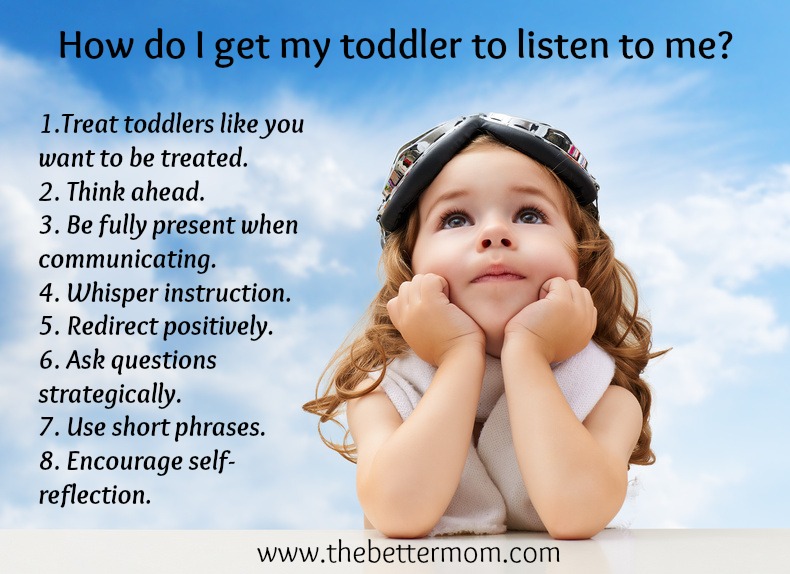
Image Source: static.squarespace.com
Effective Ways: How To Get Toddler To Listen To You
Getting a toddler to listen can feel like a constant challenge. Why is it so hard? Toddlers are still learning about the world and how to control themselves. Their brains are growing fast, but they don’t yet understand complex ideas or feelings like we do. They can get distracted easily. They are also learning to be their own person, which sometimes means saying “no” or doing the opposite of what you ask. This is a normal part of their growth. But there are good ways to help them listen more. We can use positive parenting techniques toddlers respond to well. This article shares tips for toddler listening and effective communication with toddlers to make things easier for everyone.
Grasping Why Toddlers Act This Way
It is helpful to know why toddlers don’t always listen the first time you ask. It is not usually because they are trying to be mean. Their actions come from how their brains and bodies are developing.
Their Brains Are Still Growing
A toddler’s brain is much different from an adult’s brain. The part that helps with thinking ahead, controlling feelings, and making good choices is not fully ready.
* They live in the moment.
* They have trouble stopping one thing to start another.
* They forget what you just said very quickly.
* They do not understand danger in the same way adults do.
They Have Big Feelings
Toddlers feel things very strongly. They can be happy, sad, or angry all in a few minutes. They do not know how to handle these big feelings yet. This can make it hard for them to hear you or follow what you say.
They Want Independence
Toddlers want to do things by themselves. They want to explore and make choices. Saying “no” or not listening can be their way of showing they are their own person. This is a normal step in growing up.
They Get Distracted Easily
A colorful toy, a loud noise, or even a dust bunny can catch a toddler’s eye. They can lose focus on what you are saying very fast. This is not them ignoring you on purpose. It’s just how their young minds work.
Knowing these things helps us be more patient. It helps us find better toddler discipline strategies that are gentle and work with how toddlers are built.
Simple Ways To Speak So Toddlers Hear
How you talk to your toddler makes a big difference. Effective communication with toddlers is key to getting toddlers to listen. Here are simple ways to talk so they pay attention.
Get Down to Their Level
When you want to talk to your toddler, get on your knees or sit down so you are at their eye level. This shows them you are serious and helps them focus on you.
Make Eye Contact
Look them in the eyes when you talk. This helps them connect with you. It tells them you are speaking directly to them.
Use Simple, Clear Words
Toddlers do not understand long sentences or hard words. Use simple words they know. Keep your sentences very short.
* Bad: “Darling, could you please fetch your stuffed bear from the sofa and place it in the designated toy bin?”
* Good: “Get bear. Put in box.”
Say It Once (Or Twice, Simply)
Try to say your request only once or twice. Repeating it many times can make them tune you out. If you repeat, use the exact same simple words.
Tell Them What to Do, Not What Not to Do
Instead of saying “Don’t run!”, say “Walk, please.” Instead of “Don’t throw that!”, say “Keep that toy down.” Telling them what you want them to do is clearer than telling them what not to do.
Be Calm and Gentle
Speak in a calm, kind voice. Shouting or getting angry can scare them or make them stop listening. A gentle voice is often heard better.
Give Them a Choice (When You Can)
Toddlers like to feel like they have some control. Offer simple choices.
* “Do you want to wear the red shirt or the blue shirt?”
* “Do you want to eat your carrots or your peas first?”
* This helps with getting toddlers to cooperate without feeling forced.
Use Fun Voices or Songs
Sometimes, making a request into a game or a little song can catch their attention and make them more willing to listen.
Wait for a Response
After you ask something, wait a few seconds. Give them time to process what you said and respond. They might need a moment.
Using these simple ways to talk helps your toddler understand you better. It is the first step in getting toddlers to follow directions.
Setting Clear Rules: Boundaries with Toddlers
Toddlers need rules. Rules help them feel safe and know what to expect. Setting boundaries with toddlers is about making these rules clear and sticking to them gently.
Why Boundaries Matter
Boundaries are like friendly fences. They show toddlers where it is safe to play and what is not okay.
* They learn what behavior is expected.
* They feel secure because things are predictable.
* They learn self-control over time.
Make Rules Simple and Visible
Keep rules very simple. Use only a few words. You can even draw pictures of the rules and put them where your toddler can see them.
* “Gentle hands.” (Show gentle hands)
* “We walk inside.” (Show walking)
* “Share toys.” (Show two people playing with one toy)
Mean What You Say
Only set rules you plan to keep. If you say, “If you throw that again, it goes away,” you must take it away if they throw it again. If you don’t, the rule means nothing to them.
Be Consistent
This is very important. Rules must be the same every time. If hitting is not allowed today, it must not be allowed tomorrow. If the rule is sometimes okay and sometimes not, it is confusing for your toddler. Consistency helps them learn.
Tell Them the Rule Ahead of Time
Before you go to a new place or start an activity, remind them of the rules.
* “When we go to the park, we stay close to Mom.”
* “At the store, we keep our hands in the cart.”
* This helps them know what is coming and what is expected. It helps with getting toddlers to follow directions.
Explain the “Why” Simply
You can explain why a rule exists using simple words.
* “We walk inside so we don’t fall and get a boo-boo.”
* “We use gentle hands so we don’t hurt friends.”
* Keep it short and focused on safety or kindness.
Praise When They Follow Rules
When your toddler follows a rule, tell them! “You are walking nicely inside! Good job!” Praise makes them feel good and want to follow rules again. This is a part of positive parenting techniques toddlers learn from.
Setting clear, simple boundaries helps your toddler learn self-control and makes it easier for them to listen and cooperate because they know what the rules are.
Gentle Discipline Approaches: Guiding Behavior
Discipline is about teaching, not punishing. Gentle discipline approaches and toddler discipline strategies focus on guiding your child and helping them learn from their mistakes.
What Gentle Discipline Looks Like
It means teaching your toddler what to do instead of what not to do. It means staying calm even when things are hard. It means helping them feel safe and loved while they learn.
Redirection Is Your Friend
Toddlers can get stuck on doing something you don’t want them to do (like pulling books off a shelf). Redirection is showing them something else they can do.
* If they are pulling books: “Books stay on the shelf. Let’s go play with your blocks over here!”
* If they are hitting: “Hands are for gentle touching. Let’s hug your teddy bear.”
* This helps with managing difficult toddler behavior by changing the focus.
Offer Alternatives
If you say “no” to something, offer two other things they can do.
* “No jumping on the couch. You can jump on the floor or go outside and run.”
* This gives them acceptable options and helps with getting toddlers to cooperate.
Use “When/Then” Statements
This helps toddlers understand cause and effect in a simple way.
* “When you put your toys in the box, then we can read a story.”
* “When you finish eating, then you can have a small treat.”
* This clearly links following directions to a positive outcome. It helps with getting toddlers to follow directions.
Natural Consequences (When Safe)
Sometimes, the natural result of their action is the best teacher.
* If they push their food off the tray, they don’t have that food anymore.
* If they throw a toy gently and it breaks, it’s broken and they can’t play with it.
* Only use this if it is safe and helps them learn. Never let them be unsafe or get hurt.
Logical Consequences (Simple and Related)
If there isn’t a natural consequence, create a simple, related one.
* If they draw on the wall, the crayon is put away for a while.
* If they refuse to put on shoes, they cannot go outside.
* The consequence should fit the action and be done calmly.
Take a Short Break (Time-In or Time-Out)
If a toddler is having a meltdown or doing something unsafe after other methods fail, a short break can help them calm down.
* Time-In: Sitting with them calmly until they are ready to try again. You are there to support them. This is very gentle.
* Time-Out: A short time (one minute per year of age) in a safe, boring place to calm down alone. This is used more for actions like hitting or biting. It should be done calmly, not as a punishment out of anger.
Focus on Teaching, Not Just Stopping
When you use discipline, talk about why the rule exists and what they can do next time. “Hitting hurts. We use gentle hands.” This teaches them the right way to act.
Apologies and Making Amends
When your toddler is old enough (around age 2.5-3), you can gently guide them to apologize if they hurt someone or broke something. This teaches them empathy and responsibility. “Can you say ‘sorry’ to your friend?” or “Let’s help clean up the milk.”
Gentle discipline is about being their guide. It helps with managing difficult toddler behavior while keeping your bond strong. These toddler discipline strategies build good habits for the future.
Helping Toddlers Follow Directions
Getting a toddler to follow instructions is a key part of them listening. It takes practice for both of you. Here are specific tips for toddler listening when you give directions.
Make Sure You Have Their Attention First
Before you give a direction, say their name. Wait for them to look at you. Get close to them. Make sure they are not too busy or distracted.
Use One Step at a Time
Do not give a toddler a list of things to do. Ask them to do just one thing.
* Bad: “Go upstairs, put on your pajamas, brush your teeth, and get in bed.”
* Good: “Let’s go upstairs.” (Wait until they do that). “Now, put on your pajamas.” (Wait until they do that). And so on.
Make It Concrete
Toddlers understand things they can see and touch better than ideas. Show them what you mean if you can.
* Instead of “Clean your room,” point to a toy and say, “Put this in the box.” Then point to another.
* Instead of “Get dressed,” show them the shirt and say, “Put this shirt on.”
Pair Words with Actions
When you ask them to do something, do the action yourself if possible, or gently guide them.
* “Let’s put the blocks away.” (Start putting some blocks away yourself).
* “Time to wash hands.” (Walk to the sink with them).
Use Visual Cues
Pictures or simple signs can help. A picture of a toothbrush reminds them it’s time to brush teeth. A picture of toys in a bin reminds them to clean up.
Turn It into a Game
Make following directions fun.
* “Can you hop to the table?”
* “Let’s see how fast you can put on your shoes!”
* This helps with getting toddlers to cooperate.
Give a Short Warning
Tell them before it is time to do something new.
* “Five more minutes until we clean up.”
* “Soon, it will be time to leave the park.”
* This helps them get ready for the change. It prevents some difficult behavior.
Check for Comprehension (Simply)
Sometimes, they look at you like they heard you, but they did not understand. Ask them a simple question back.
* You: “Put your shoes on.”
* You: “What do we need to put on now?” (Point to shoes).
* Or simply wait and see if they start doing it.
Following directions is a skill they learn over time with your patient guidance. These tips for toddler listening help build that skill.
Getting Toddlers to Cooperate More Often
Cooperation means working together. It is a skill that develops as toddlers grow. You can encourage getting toddlers to cooperate with helpful strategies.
Offer Choices (Again!)
Choices make them feel like they have a say. This makes them more willing to work with you. Offer simple, acceptable choices.
Make Tasks Fun or Part of a Game
Turning everyday tasks into a game makes them less of a battle.
* “Let’s race the toys into the bin!”
* “Can you be my helper and carry these napkins to the table?”
* This is a fun positive parenting technique toddlers enjoy.
Use Praise and Encouragement
When they cooperate, even a little bit, notice it and praise them. “Thank you for helping put your book away!” “You did a great job holding my hand in the parking lot!” Specific praise works best.
Work Together
Do the task with them. This shows them how and makes it feel less like a chore.
* “Let’s clean up blocks together!”
* “We can put the shoes away side-by-side.”
Respect Their Pace (When Possible)
Toddlers are not fast. Give them enough time to do what you ask. If you rush them constantly, they might resist more. Plan extra time when you can.
Acknowledge Their Feelings
If they are resistant or upset, say what you see. “You seem angry about putting your toys away.” This shows you understand, even if they still need to do the task. This is part of effective communication with toddlers.
Use Transition Warnings
Toddlers need time to switch from one activity to the next. Give warnings before a change happens.
* “In 5 minutes, we will clean up.”
* “After this show is over, it’s bath time.”
* Using timers can help too. A visual timer lets them see how much time is left.
Create Simple Routines
Having a predictable daily routine helps toddlers know what to expect. This makes transitions easier and reduces resistance. They know that after eating comes bath time, then books, then bed. This helps with getting toddlers to follow directions because the ‘directions’ are built into the day.
Encouraging cooperation is about building a positive relationship and using smart techniques to make following directions feel less like a command and more like teamwork.
Handling Tough Moments: Managing Difficult Behavior
Even with the best plans, toddlers will have moments of difficult toddler behavior. This is normal. Learning how to handle these moments calmly is important for both you and your child.
Stay Calm Yourself
This is hard, but try your best. When you get upset, your toddler gets more upset. Take a deep breath. Count to five. Step away for a second if you need to (make sure your child is safe).
Connect Before You Correct
Before you try to fix the behavior, connect with your child. Make eye contact, use a soft voice. Let them know you are there. “I see you are angry.” Then, after they feel seen, gently guide them.
Address the Behavior, Not the Child
Separate the action from the person. Instead of “You are a bad boy for hitting,” say “Hitting is not okay. Hands are not for hitting.” This tells them the behavior is wrong, not that they are wrong. This is key in gentle discipline approaches.
Use Time-In to Help Them Calm
When a toddler is having a meltdown, they need help to calm their big feelings. Sit with them. Offer comfort. Do not try to reason with them when they are upset. Just be there. Talk about the feelings later when they are calm.
Be Brief and Clear During Corrections
When you correct behavior, keep it short and simple. “No hitting. Gentle hands.” Do not give long lectures. Toddlers cannot process a lot of information when they are upset or have just done something wrong.
Follow Through Calmly
If you set a boundary or consequence, follow through calmly and consistently. No anger or yelling. “Because you threw the toy after I asked you to stop, the toy needs a break.”
Focus on One Behavior at a Time
Do not try to correct everything at once. If they are hitting and yelling, address the hitting first. Keep it simple.
Recognize and Praise Positive Behavior
Catch them being good! When they play nicely, share, or use gentle hands, praise them specifically. This encourages the behaviors you want to see more of. This is part of positive parenting techniques toddlers thrive on.
Reflect Later
After a difficult moment passes and everyone is calm, you can think about what happened. Was there a trigger (hungry, tired, bored)? Could I have handled it differently? Thinking helps you plan for next time. This is part of improving your toddler discipline strategies.
Managing difficult toddler behavior is a skill you build over time. It requires patience, consistency, and a focus on teaching and guiding rather than just stopping the behavior.
Bringing It All Together: Practical Steps for Listening
Putting all these ideas into action takes practice. Here are some practical steps and tips for toddler listening to help you get started.
Start with the Basics
Make sure your toddler’s basic needs are met. Are they hungry? Tired? Overstimulated? Meeting these needs reduces triggers for difficult behavior and makes them more able to listen.
Build a Strong Relationship
Toddlers listen better to people they feel connected to and safe with. Spend quality time playing and connecting with your toddler every day. Laugh together. Be silly. This bond is the foundation for everything else.
Be a Role Model
Your toddler watches everything you do. If you want them to use a calm voice, you use a calm voice. If you want them to be kind, you are kind. Show them how to listen by listening to them.
Give Warnings Before Changes
Use warnings for transitions (5 minutes, 2 minutes, now!). This helps them prepare and reduces resistance.
Use Simple Commands
One step at a time. Simple words. Get their attention first.
Follow Through Consistently
If you say you will do something (a rule, a consequence), do it. Every time. This builds trust and helps them learn what to expect. This is a key toddler discipline strategy.
Praise Effort and Success
Notice when they try to listen or cooperate, even if it’s not perfect. “You tried to put your shoes on! Good job trying!” Praise the process, not just the outcome.
Keep Instructions Positive
Frame your requests positively. “Walk please” instead of “Don’t run.”
Use Visual Aids
Pictures, charts, or visual timers can make expectations clearer for toddlers.
Practice Listening Skills
Play games that involve listening, like “Simon Says.” This makes listening fun.
Pick Your Battles
You do not have to enforce every single rule all the time. Focus on the important rules related to safety, kindness, and respect. Let go of the small things.
Ask for Help
Parenting is hard! Talk to other parents, read books, or seek advice if you are struggling. You are not alone.
These steps combine effective communication with toddlers, setting boundaries with toddlers, and gentle discipline approaches to help you in getting toddlers to cooperate and listen more effectively. It is a journey, not a race. Be patient with yourself and your toddler.
Table: Common Challenges and Effective Approaches
This table shows common reasons toddlers do not listen and simple ways to handle them.
| Why Toddlers Don’t Listen | Common Situation | Less Effective Approach | More Effective Approach | Relevant Strategy |
|---|---|---|---|---|
| Distraction | You ask them to put away a toy while they play. | Repeating loudly, getting frustrated. | Get close, make eye contact, use simple words: “Look. Put toy away.” Then help them. | Effective Communication, Tips for Listening |
| Wanting Independence/Control | You ask them to wear a specific outfit. | Forcing the outfit, arguing. | Offer a choice: “Red shirt or blue shirt?” | Getting Cooperation, Positive Parenting |
| Not Understanding the Request | You give a complex instruction. | Getting angry that they didn’t do it. | Break it down: “Put this shoe on.” (Wait). “Now put this shoe on.” | Effective Communication, Getting Directions |
| Testing Boundaries | They do something you said “no” to. | Yelling, inconsistent response. | Stay calm, use a simple reminder of the rule, follow through with a gentle consequence. | Setting Boundaries, Gentle Discipline |
| Big Feelings/Overwhelm | They have a meltdown when asked to leave. | Demanding they stop crying, ignoring feelings. | Acknowledge feeling (“You are sad to leave”), offer comfort, then gently transition. | Managing Difficult Behavior, Positive Parenting |
| Lack of Transition Warning | You suddenly announce it’s time to go. | Expecting immediate compliance. | Give a warning ahead of time: “5 minutes until we go.” | Getting Cooperation, Tips for Listening |
| Not Knowing What TO Do | You say “Don’t run!” | Just stopping the unwanted behavior. | Tell them what to do: “Walk, please.” | Effective Communication, Getting Directions |
| Request is Too Far Away/Invisible | You call from another room to clean up. | Expecting them to hear and obey from far away. | Go to them, get down to their level, show them what needs cleaning. | Effective Communication, Tips for Listening |
Using the “More Effective Approach” column consistently builds better habits for everyone and supports gentle discipline approaches and effective toddler discipline strategies.
Frequently Asked Questions (FAQ)
Q1: How long should I wait for my toddler to listen after I ask them to do something?
A1: Give them a few seconds. Toddlers need time to process what you said. Wait silently for 5-10 seconds. If they don’t respond, gently repeat the simple instruction while getting their attention (getting close, eye contact).
Q2: What if my toddler just says “No!” to everything?
A2: This is very common! It’s them practicing their independence. Give choices when possible (“Do you want to put your shoes on first or your coat?”). For things that are not optional (like safety rules), state the expectation calmly (“We need to hold hands in the parking lot to be safe”). You might need to gently guide them physically while stating the rule.
Q3: Is it okay to repeat myself a lot?
A3: Repeating too much can make your toddler tune you out. Try to give the instruction clearly and simply just once or twice. If they don’t respond, use a different tactic, like getting closer, showing them what to do, or using a visual cue. Focus on effective communication with toddlers first.
Q4: My toddler listens sometimes but not others. Why?
A4: Consistency is key, but also consider their needs. Are they tired, hungry, or feeling sick? Their ability to listen changes based on how they feel. Be consistent with your rules and communication methods, but also be patient and flexible when they are not at their best.
Q5: What’s the most important thing to remember about toddler listening?
A5: Building a strong, loving relationship with your toddler is the most important thing. They listen best when they feel safe, loved, and connected to you. Your connection is the base for all positive parenting techniques toddlers.