
What is the best way to hold a football while running? The best way to hold a football while running is to keep it secure against your body, utilizing a strong grip with both hands, minimizing unnecessary movement. This is often referred to as cradling the ball.
Running with a football can feel awkward at first, but mastering the right way to carry it makes a huge difference. It’s not just about speed; it’s about ball security. When you’re running, you’re vulnerable. Defenders are looking to strip the ball, and fumbles can cost your team dearly. Learning how to hold the ball correctly ensures it stays with you, no matter how fast you’re moving or how much you’re dodging.
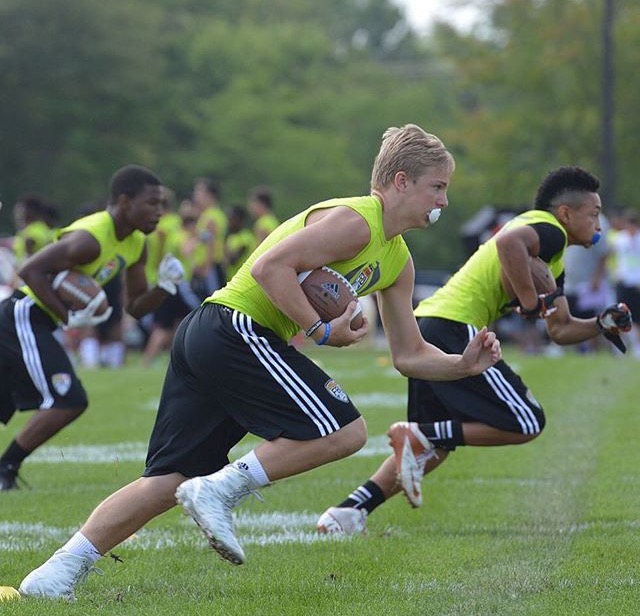
Image Source: footballuniversity.org
The Core Principles of Ball Security While Running
Holding the football securely while running is built on a few key ideas. First, grip is everything. You need to feel the ball, but you also need to protect it. Second, ball security is your top priority. This means making it as hard as possible for anyone to knock the ball loose. Third, your arm swing and stride need to work together with how you hold the ball. Finally, thinking about evasion and how you might need to break tackles helps you prepare your hold.
Grip: Your Foundation for Carrying
A good grip is the bedrock of carrying the ball well. It’s not just about squeezing; it’s about positioning your hands correctly.
Hand Placement for a Solid Hold
- Fingertip Control: The most critical part of your grip is using your fingertips, not your palm. The laces of the football provide excellent grip. Spread your fingers wide enough to get a good feel for the ball’s texture and the seams.
- Finger Spread: Experiment with how wide you spread your fingers. Some players prefer a wider spread, almost covering the entire width of the ball with their fingertips and thumb. Others might tuck their pinky finger slightly underneath. The goal is to have as much surface area of the ball in contact with your skin as possible, without losing control.
- Thumb Position: Your thumb should generally wrap around the underside or side of the ball, complementing your finger grip. It acts as a stabilizing anchor. Avoid having your thumb directly opposite your fingers, as this can make the ball more susceptible to being pried away.
- Avoiding the “Death Grip”: While you need a firm grip, an overly tight, tense grip can actually make you less agile and more prone to fumbling. A controlled, strong grip allows for more flexibility and better feel.
The Art of Carrying: Securing the Pigskin
Carrying the football is more than just holding it; it’s a conscious effort to protect it. Think of it as hugging the ball to your body.
Cradling for Maximum Protection
- Arm Hug: The most common and effective way to carry the ball while running is to cradling it against your body. This means tucking the ball into the crook of your arm or against your chest.
- Two-Handed Security: Whenever possible, use both hands. One hand wraps around the front of the ball, while the other supports it from underneath or the side. This creates a strong, unified hold.
- Against the Ribs: Aim to keep the ball tucked firmly against your ribs. This position protects it from outstretched arms and hands trying to dislodge it. The closer it is to your body’s core, the harder it is to steal.
- Protecting the Ball with Your Body: Use your shoulder, elbow, and even your bicep to shield the ball. As you run, subtly adjust your body position to keep the ball protected.
Integrating Your Running Mechanics
How you hold the ball is directly linked to your stride and arm swing. For optimal performance and security, these elements must be in sync.
The Impact of Stride and Arm Swing
- Natural Arm Swing: When you run, your arms swing naturally to help maintain balance and momentum. When carrying the ball, you need to adapt this.
- One Arm for the Carry: Typically, you’ll use one arm to cradle and secure the ball. The other arm is often kept free for balance or to fend off defenders.
- Controlled Arm Swing: If you’re carrying the ball with your right arm, your left arm can swing more freely for balance. If you need to change direction sharply or are anticipating contact, you might bring both arms in closer to protect the ball, sacrificing some natural arm swing.
- Stride Adjustment: A long, powerful stride is great, but if it compromises your ability to hold the ball securely, it’s not ideal. You might need to shorten your stride slightly when the ball is in a vulnerable position, or adjust your footwork to maintain balance while cradling.
- The “Run with the Ball” Motion: Think of it as a unified motion. Your body moves as one unit with the ball as an extension of you. Your hips and core engage to drive you forward, and the ball stays tucked and protected.
Advanced Techniques for Enhanced Ball Security
Beyond the basics, several advanced techniques can significantly improve how you hold and carry the football while running, especially in challenging situations.
Evasion and Elusiveness: Keeping the Ball Safe
When you’re trying to avoid defenders, evasion is key. This often involves quick changes of direction and cuts.
Maintaining Control During Evasion
- The Low Carry: When you see defenders closing in or need to make a quick cut, lowering your center of gravity and tucking the ball even tighter is crucial. This makes you a smaller target and provides better leverage.
- Body Shielding: Use your free arm and shoulder to actively shield the ball from tacklers. Even a slight turn of your body can protect the ball.
- “Protect the Ball” Instinct: Develop an instinct to instinctively bring the ball closer to your body when you anticipate contact. This becomes second nature with practice.
- Hand Swap: In some situations, especially when switching from one arm to another to protect the ball from a specific angle, you might perform a quick, secure hand swap. This is an advanced move that requires a lot of practice to execute without fumbling.
Tackling and Contact: Holding Strong Under Pressure
Dealing with tackling is an inevitable part of football. Your grip and carry become even more important when contact is imminent.
Surviving the Tackle
- The “Wrap Up”: When a defender hits you, your instinct might be to tense up. Instead, try to “wrap up” the ball with your arms and body. Think of it as absorbing the hit with your entire being, with the ball held firmly within.
- Using Your Legs: Powerful leg drive can help you push through tackles. As you drive your legs, ensure the ball remains tucked and secure against your core.
- The “Keep the Ball Alive” Mentality: Even if you see a tackle coming, focus on protecting the ball. Sometimes, a strong, secure hold can even help you break a tackle or keep the play alive.
- Staying High: While lowering your center of gravity for evasion is good, sometimes staying a bit more upright (while still keeping the ball protected) can help you see the field better and potentially avoid the initial impact of a tackle. It’s a balance that depends on the situation.
Drills to Improve Your Football Carry
Consistent practice is the only way to truly master holding a football while running. Here are some drills that focus on improving your grip, carrying, and overall ball security.
Basic Drills for Ball Control
These drills focus on the fundamentals of holding and moving with the ball.
Building a Solid Foundation
- Stationary Ball Hops: Stand still and practice repeatedly handing the ball from one hand to the other, keeping it close to your body. Focus on a clean transfer and maintaining control.
- Walking with the Ball: Simply walk around, holding the ball in different secure positions. Get used to the feel of the ball against your body as you move.
- Shuttle Runs with the Ball: Run short shuttle drills, focusing on maintaining a secure grip and cradling the ball effectively through changes in direction.
Advanced Drills for Game-Like Situations
Once you’re comfortable with the basics, these drills simulate game pressure.
Practicing Under Pressure
- Cones and Evasion: Set up cones in a zig-zag pattern and practice running through them while carrying the ball, focusing on keeping it secure during sharp cuts.
- “Ball Security” Tag: Have a partner (wearing a flag belt or similar) try to gently pull the ball from you as you run. This helps you develop your body-shielding techniques.
- Tackle Bags: Practice running with the ball and hitting padded tackle bags. Focus on maintaining your grip and cradling technique as you absorb contact.
- Mirror Drills: Run alongside a partner and mirror their movements, keeping the ball secure. This helps you practice carrying the ball while maintaining balance and agility.
The “Pocket” and Ball Control
In the context of passing, the term pocket refers to the space in front of a quarterback where they hold the ball before throwing. While this isn’t directly about running, the principles of keeping the ball secure and controlled in the pocket translate to running.
Applying Pocket Principles to Running
- Maintaining a “Safe Zone”: Think of your body as your “pocket” when running. You want to create a safe, controlled zone around the ball.
- Ball Ready: Just like a quarterback keeps the ball ready to throw, you want to keep the ball in a position where you can easily adjust your grip or move it if needed, all while maintaining security.
- Protecting the Vulnerable Part: In the pocket, a QB protects the ball from pass rushers. When running, you’re protecting it from tacklers and strip attempts. The core idea is to keep it out of reach and hard to dislodge.
Common Mistakes to Avoid
Even experienced players can fall into bad habits. Be aware of these common errors and actively work to correct them.
Pitfalls in Carrying the Football
- The “Fingers on Top” Syndrome: Holding the ball with your fingers flat on top and your palm pressed against the ball is a recipe for disaster. This provides a poor grip and makes the ball easy to knock loose.
- Over-Reliance on One Hand: While one arm is primary for cradling, neglecting the support of the second hand makes the ball more vulnerable.
- Letting the Ball “Bounce”: As you run, if the ball is loose or not held firmly, it can bounce around. This increases the chance of a fumble.
- Unnecessary Waving or Jiggling: Showing off or getting excited can lead to the ball being exposed. Keep it controlled and close.
- Forgetting About Ball Security When Tired: Fatigue can lead to a relaxed grip. Even when tired, consciously maintain your secure hold.
Frequently Asked Questions (FAQ)
Q1: Should I always cradle the ball with the same arm?
A1: Most players find a dominant arm that feels more natural for cradling, often the opposite of their throwing arm. However, it’s beneficial to practice carrying with both arms so you can switch hands if a defender is approaching from a certain side.
Q2: How tight should my grip be?
A2: Your grip should be firm and secure, but not so tight that it causes tension in your hands or arms. You want to feel the ball and have control, allowing for a bit of flexibility to adjust your position. Think of a controlled squeeze rather than a death grip.
Q3: What’s the best way to hold the ball if I’m smaller or lighter than the defenders?
A3: If you’re smaller, ball security becomes even more critical. Focus on keeping the ball extremely tight to your body, using your shoulder and chest to shield it. Develop excellent evasion skills to avoid direct contact when possible.
Q4: Can I use a fanny pack or straps to help carry the ball?
A4: While there are novelty items, in official games, you can only carry the ball with your hands and arms. Focus on mastering the proper techniques for carrying without external aids.
Q5: How do I practice holding the ball without dropping it when I’m running fast?
A5: Start slow. Practice holding the ball securely while walking, then jogging, and gradually increase your speed. Focus on your stride and how it affects your ability to maintain the cradling position. Drills that involve changing pace and direction will help you adapt.
Q6: What if a defender is trying to strip the ball from my non-carrying arm?
A6: Use your free arm and shoulder to actively shield the ball. If the threat is significant, you might need to bring that arm in to help protect the ball, even if it means a slightly less conventional carry for a moment. This is where tackling preparation and body control are vital.
Q7: How important is the feel of the ball (e.g., wet or dry) to my grip?
A7: The feel of the ball is very important. A wet or slippery ball requires an even firmer and more secure grip. Practice in various conditions if possible. Some players use glove products designed for better grip, but mastering your bare-handed grip is essential.
By focusing on these techniques and practicing diligently, you can significantly improve your ability to hold and carry a football while running, making you a more elusive and reliable player on the field. Remember, every carry is an opportunity to demonstrate superior ball security.