
Yes, football players can wear glasses safely, but it requires specific, protective prescription eyewear. Standard eyeglasses are not suitable for the high-impact nature of American football, posing a significant risk of breakage and injury. However, with the right athletic eyewear and adherence to safety regulations, vision correction is achievable for athletes on the field.
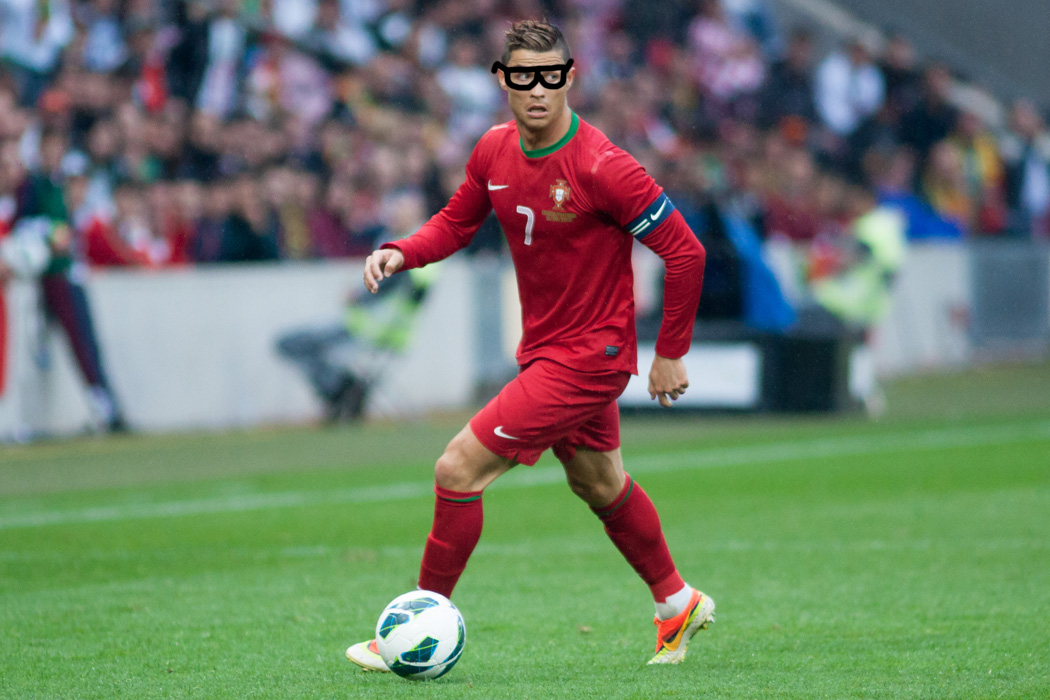
Image Source: www.selectspecs.com
Protecting Vision in the Game of Football
Football is a fast-paced, physical sport. Players collide, balls fly at high speeds, and tackles can be intense. For athletes with vision impairments, this presents a unique challenge: how to maintain clear sight without compromising safety. The question of whether football players can wear glasses safely is a common one, and the answer hinges on choosing the right kind of protective eyewear.
The Risks of Standard Eyeglasses
Wearing regular prescription glasses during a football game is extremely dangerous. These glasses are not designed to withstand the forces involved in the sport.
- Breakage: The frames and lenses of standard glasses can shatter on impact.
- Eye Injury: Shattered glass or plastic can cause severe lacerations to the eyes and surrounding tissues.
- Facial Injury: Broken frames can dig into the skin, causing cuts and bruises.
- Performance Degradation: Ill-fitting or constantly shifting glasses can obstruct a player’s vision, hindering their ability to track the ball, anticipate plays, or see opponents.
The Need for Specialized Eyewear
Fortunately, there are solutions for football players who need vision correction. The development of specialized eyewear and the evolution of sports goggles have made it possible to play safely and effectively. These options prioritize durability, secure fit, and robust eye protection.
Exploring Options for Vision Correction
For athletes needing vision correction, the primary alternatives to standard glasses are:
- Contact Lenses: A popular choice for many athletes, contact lenses offer a natural field of vision without the risk of breakage.
- Prescription Sports Goggles: These are specifically designed to be worn during athletic activities and offer superior protection.
Contact Lenses: A Clear Advantage?
Contact lenses are a viable option for many football players. They offer a wide, unobstructed field of vision and eliminate the risk of glasses breaking or falling off.
Benefits of Contact Lenses
- Unobstructed Vision: No frames to block peripheral sight.
- No Breakage Risk: Eliminates the danger of shattered lenses or frames.
- Secure Fit: Stays in place during strenuous activity.
- Comfort: Many users find them more comfortable for extended wear during sports.
Potential Drawbacks of Contact Lenses
While beneficial, contact lenses are not without their challenges in a football environment:
- Dryness: Sweat, dust, and wind can cause dryness, leading to discomfort and blurred vision.
- Irritation: Debris can get trapped under the lens, causing irritation or scratches to the cornea.
- Infection Risk: Improper handling or hygiene can lead to eye infections.
- Loss: While rare, a strong impact could potentially dislodge a contact lens.
- Maintenance: Requires diligent cleaning and proper storage.
Players considering contact lenses should consult with an eye care professional to determine if they are suitable and to learn about proper wear and hygiene practices for sports. Daily disposable lenses can minimize some of the hygiene concerns.
Prescription Sports Goggles: The Protected Solution
For many football players, prescription eyewear in the form of sports goggles is the most recommended and safest solution. These are not your typical ski goggles; they are engineered with safety and performance as top priorities.
Design Features of Sports Goggles
Sports goggles are built with specific materials and designs to withstand the rigors of contact sports.
- Impact-Resistant Lenses: Made from polycarbonate or other advanced materials that are highly shatter-resistant. This is crucial for eye protection against impacts from balls, elbows, or helmets.
- Durable, Flexible Frames: Constructed from materials like rubber or special plastics that can bend without breaking, absorbing impact rather than transmitting it to the face.
- Secure Strap System: A wide, adjustable elastic strap ensures the goggles fit snugly and stay in place, even during aggressive movements. Some straps have a locking mechanism for added security.
- Padding: Soft, hypoallergenic foam padding around the eye area provides comfort and helps create a seal against sweat and debris, while also cushioning any impact.
- Ventilation: Strategic vents help prevent fogging, ensuring clear vision.
Types of Prescription Sports Goggles
There are various styles of athletic eyewear designed for football, including:
- Wrap-Around Styles: Offer excellent peripheral vision and a secure fit.
- Goggle Frames with Straps: These are often designed to fit under a helmet, with the strap system ensuring they remain in position.
These are often referred to as performance goggles when they are specifically engineered for optimal athletic performance.
Navigating Safety Regulations and League Rules
Football, especially at organized levels like high school, college, and professional leagues, has safety regulations that govern the type of equipment players can use. It’s essential for any player wearing prescription eyewear to ensure their chosen equipment complies with these rules.
Key Considerations for Compliance
- League Policies: Check the specific rules of your league or governing body. Some leagues may have specific prohibitions or requirements for protective eyewear.
- NIOSH Approval: While more common for industrial safety, the principles of impact resistance are relevant. Look for athletic eyewear that clearly states its impact resistance ratings.
- No Sharp Edges: The design must ensure there are no sharp edges that could cause injury upon impact.
- Secure Fit: The equipment must be designed to stay securely on the face, not becoming a projectile itself.
Many manufacturers of sports goggles are aware of athletic regulations and design their products accordingly. It’s always best to buy from reputable brands known for producing performance goggles and athletic eyewear.
Ensuring a Proper Fit: The Key to Safety and Performance
Regardless of whether a player chooses contact lenses or prescription sports goggles, a proper fit is paramount.
For Contact Lens Wearers
- Professional Fitting: An optometrist or ophthalmologist must properly fit contact lenses. This ensures they sit correctly on the eye, minimizing the risk of dryness or irritation.
- Daily Disposables: For football, daily disposable lenses are often preferred as they reduce the risk of infection and the need for extensive cleaning at away games or during busy practice schedules.
For Sports Goggle Wearers
- Try Before You Buy: If possible, try on different brands and styles of sports goggles to find one that fits your face shape comfortably and securely.
- Helmet Compatibility: Ensure the athletic eyewear fits well with your football helmet. The strap should not interfere with the helmet’s fit or stability.
- Strap Adjustment: Learn how to adjust the strap correctly. It should be snug enough to prevent movement but not so tight that it causes discomfort or restricts blood flow.
- Padding Check: Make sure the padding is soft and creates a good seal around the eyes.
The Role of the Eye Doctor
Consulting with an eye care professional is the most critical step for any football player needing vision correction. They can:
- Assess Vision Needs: Determine the exact prescription required.
- Recommend Solutions: Advise on whether contact lenses or specific types of prescription eyewear are most suitable.
- Ensure Proper Fit: Fit contact lenses or help select the best-fitting sports goggles.
- Educate on Care: Provide instructions on how to care for contact lenses or maintain protective eyewear.
Combining Vision Correction with Other Protective Gear
Football players often wear other protective gear, such as mouthguards, which can complement their eye protection.
- Mouthguards: High-quality, custom-fitted mouthguards can significantly reduce the risk of dental and oral injuries. They also play a role in absorbing some of the force from impacts to the jaw.
- Helmet Fit: A properly fitted helmet is essential. It should not only protect the head but also accommodate any athletic eyewear being worn without compromising its own integrity or the player’s vision.
The Future of Vision Correction in Football
The technology for protective eyewear and specialized eyewear is constantly improving. We can expect to see:
- Lighter, Stronger Materials: Further advancements in materials will lead to even more durable and comfortable performance goggles.
- Enhanced Lens Technologies: Anti-fog coatings, UV protection, and perhaps even integrated corrective lenses in new materials will become more common.
- Customization Options: 3D printing and advanced molding techniques could lead to highly customized athletic eyewear that offers a perfect fit for every player.
A Player’s Perspective: Real-World Experiences
Many professional and collegiate football players have successfully incorporated vision correction into their game. Quarterbacks, wide receivers, and defensive backs, who rely heavily on clear sight, often use either contact lenses or specialized sports goggles. These players often report that the right prescription eyewear not only corrects their vision but can also enhance their performance by providing a consistent, clear view of the field.
Testimonials (Hypothetical)
- “Before I switched to prescription sports goggles, I was constantly squinting and missing plays. Now, my vision is crystal clear, and I feel much more confident.” – High School Wide Receiver
- “I prefer contact lenses for football. They feel natural, and I don’t have to worry about anything on my face. Just gotta be disciplined with cleaning them.” – College Quarterback
- “My son needed glasses for football. We got him some of these really sturdy sports goggles. He loves them, and I feel so much better knowing his eyes are protected.” – Parent of Youth Football Player
Frequently Asked Questions (FAQ)
Q1: Can I wear my regular eyeglasses while playing football?
No, it is highly unsafe to wear regular eyeglasses during a football game. They are prone to breaking and can cause serious eye or facial injuries.
Q2: What are the safest options for football players with vision problems?
The safest options are contact lenses or specially designed prescription sports goggles. These are made with durable materials and offer enhanced eye protection.
Q3: Are all sports goggles suitable for football?
No, not all sports goggles are suitable. You need athletic eyewear specifically designed for high-impact sports like football, with features like shatter-resistant lenses and secure straps. Look for performance goggles.
Q4: What if my prescription is very strong?
If you have a strong prescription, prescription sports goggles are still a viable and safe option. Many manufacturers can accommodate high prescriptions. Discuss your needs with your eye doctor.
Q5: Do leagues have rules about wearing glasses?
Yes, most organized leagues have safety regulations regarding protective eyewear. It’s crucial to check your specific league’s rules to ensure your chosen prescription eyewear complies.
Q6: Can contact lenses fall out during a football game?
It is rare, but possible, for contact lenses to be dislodged during a very forceful impact. However, they are generally secure and do not pose the same breakage risk as glasses.
Q7: How do I choose the right sports goggles?
Consult an eye care professional. They can help you select athletic eyewear that fits comfortably, securely, and meets safety regulations. Trying them on with your helmet is also recommended.
Q8: Are there any advantages to wearing sports goggles over contact lenses?
Some players prefer sports goggles because they eliminate the possibility of dryness or debris irritation that can occur with contact lenses. They also provide a physical barrier against some impacts.
In conclusion, with the right approach and the use of appropriate specialized eyewear, football players can safely and effectively manage their vision correction needs on the field. Prioritizing protective eyewear, adhering to safety regulations, and consulting with eye care professionals are key to a clear and protected playing experience.