
Yes, you can trip someone in football, but only under very specific circumstances, and attempting to do so outside of these parameters will almost certainly result in a tripping penalty and a football foul. The act of tripping an opponent is generally considered foul play and is a violation of the rules in most football codes. This blog post will delve into the rules surrounding tripping, differentiate between legal and illegal actions, and explore the consequences of this specific type of infraction.
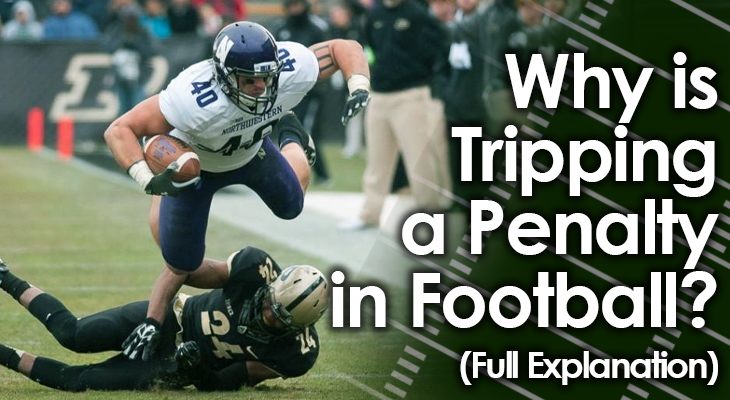
Image Source: footballadvantage.com
Deciphering the Rules of Tripping
Tripping, in its most common understanding, involves using your leg or foot to impede an opponent’s movement by bringing them down. In football, this can manifest in a few ways, but the intent and the method are crucial in determining legality.
What Constitutes Tripping in Football?
At its core, tripping is an action that causes an opponent to fall or stumble. The key distinction lies in whether this action is a result of a legitimate attempt to play the ball or an illegitimate attempt to unfairly disadvantage an opponent.
- Intent: Was the player trying to tackle the opponent or prevent them from reaching the ball? Or was their primary goal to cause the opponent to fall?
- Method: Did the player use their leg or foot in a way that is considered a legal tackle, or did they deliberately stick out their leg to trip the opponent?
- Ball Play: Was the player attempting to play the ball with their foot or leg at the same time they made contact with the opponent?
Legal vs. Illegal Tripping
The line between a legal tackle and an illegal trip is often fine, but it’s critical for players, coaches, and fans to understand.
Legal Actions (Rarely called “tripping” but can involve leg contact):
In certain sports, like American football, a player might legally bring down an opponent as part of a tackle. However, the term “tripping” is rarely used to describe these actions, as the rules are framed around tackling.
- American Football Tackles: A defensive player can use their legs and body to bring down an offensive player carrying the ball. This is a fundamental part of the game and is not considered tripping if executed legally. The focus is on wrapping up the ball carrier and bringing them to the ground. The legs are part of the tackle, but the intent is not to deliberately trip.
In sports like soccer, the concept of “tripping” is more directly addressed.
Illegal Actions (The focus of tripping penalties):
These are actions that are specifically prohibited by the rules and are penalized.
- Deliberate Trip: This is when a player intentionally sticks out their leg or foot to make an opponent fall, without making a legitimate attempt to play the ball. This is a clear football foul.
- Tackling from Behind with Excessive Force: While tackling is legal, if a player tackles an opponent from behind and uses excessive force, especially in a way that causes them to trip and potentially get injured, it will be penalized.
- Swinging Leg at the Ball and Catching Opponent’s Leg: In soccer, if a player attempts to kick the ball but misses and their leg connects with an opponent’s leg in a way that causes them to trip, it’s usually deemed a foul. The tripping penalty is a common outcome.
- Using Arms to Trip: While less common and often classified differently, using arms to deliberately unbalance or trip an opponent is also a foul.
Tripping in Different Football Codes
The specific rules regarding tripping can vary slightly depending on the code of football being played.
Soccer (Association Football)
Soccer has very clear rules about tripping, and it’s one of the most common fouls.
Soccer Rules on Tripping:
The Laws of the Game, as governed by IFAB (International Football Association Board), clearly define tripping as a cautionable (yellow card) or sending-off (red card) offense depending on the severity and context.
- Law 12: Fouls and Misconduct states that a direct free kick is awarded if a player “trips or attempts to trip an opponent.”
Consequences of Tripping in Soccer:
- Direct Free Kick: The opposing team is awarded a direct free kick from the spot of the foul.
- Penalty Kick: If the illegal trip occurs inside the offending player’s own penalty area, a penalty kick is awarded to the opposing team.
- Disciplinary Action:
- Yellow Card (Caution): Awarded for tripping that is careless or reckless.
- Red Card (Sending-Off): Awarded for tripping that is deemed “serious foul play” or denies an obvious goal-scoring opportunity. This is a dangerous play.
Examples of Tripping in Soccer:
- A defender lunging in with their foot extended to take out an attacker who is dribbling past them.
- A midfielder sticking their leg out in an attempt to intercept a pass, but instead, tripping the opponent.
- An offensive player trying to trip a defender to gain an advantage.
American Football
In American football, the term “tripping” isn’t used as frequently in the rulebook as “holding” or “illegal block.” However, actions that would be considered tripping in soccer are often penalized under different categories.
American Football Rules Related to Tripping:
While there isn’t a direct “tripping” penalty as in soccer, similar actions are penalized.
- Illegal Block Below the Waist: Blocking an opponent below the waist when the block is not against a player in the neutral zone or blocking in the back is prohibited. This can sometimes involve using the legs in a tripping-like manner.
- Unsportsmanlike Conduct: A deliberate and malicious attempt to trip an opponent, not related to a legitimate tackle or block, could be penalized as unsportsmanlike conduct. This falls under the umbrella of foul play and demonstrates poor sportsmanship.
- Horse-Collar Tackle (though usually with the arm): While typically involving grabbing the collar of the jersey, the intent to pull an opponent down unfairly can be seen as related.
- Roughing the Passer/Kicker: Actions that deliberately endanger the passer or kicker can include tripping.
Consequences of Tripping-Related Fouls in American Football:
- Yardage Penalties: These penalties result in a loss of yardage for the offending team. The yardage varies depending on the specific foul.
- Loss of Down: In some instances, a team might lose their down.
- Automatic First Down: For the non-offending team, the penalty usually results in an automatic first down.
Examples of Tripping-Related Actions in American Football:
- A defensive player intentionally sticking their leg out to trip a wide receiver running a route, especially if the ball isn’t nearby or the defender isn’t in a tackling position.
- An offensive lineman using their legs to clip an opponent below the waist in an illegal manner.
Canadian Football
Canadian football shares many similarities with American football but has its own nuances.
Canadian Football Rules Related to Tripping:
- Clipping: This is a major penalty in Canadian football. It involves blocking an opponent below the waist from behind. While not always a trip, the action can easily lead to one.
- Illegal Block: Similar to American football, illegal blocking techniques can encompass actions that involve using the legs to trip an opponent.
- Unsportsmanlike Conduct: Again, deliberate and dangerous attempts to trip would fall under this category.
Consequences of Tripping-Related Fouls in Canadian Football:
- Yardage Penalties: Significant yardage penalties are applied.
- Loss of Down/Automatic First Down: Similar to American football, these can also occur.
The Nuance of Intent and Context
It’s vital to reiterate that intent and context are paramount when officials assess whether an action constitutes a foul.
When is it a Foul?
- No Attempt to Play the Ball: If a player’s sole intention is to bring down an opponent, and they don’t make any genuine effort to play the ball, it’s a foul.
- Reckless or Careless Action: Even if there’s a hint of an attempt to play the ball, if the action is carried out in a way that is overly aggressive, careless, or reckless, it can be penalized. This is especially true if it endangers the opponent.
- Tackling from Behind: While tackling itself is legal, tackling an opponent from behind, especially in a manner that causes them to trip or fall awkwardly, is often scrutinized and can lead to a foul.
When is it NOT a Foul?
- Legitimate Tackle: In sports like American football, a player bringing down the ball carrier using their legs as part of a tackling motion is legal. The focus is on the tackle itself.
- Accidental Contact: Sometimes, during a scramble for the ball, players’ legs can tangle, and one might fall. If the contact is accidental and not deliberate, and the player was genuinely trying to play the ball, it’s usually not a foul.
- Legitimate Challenge for the Ball: In soccer, if two players are competing for the ball, and their legs make contact as they both try to get to it, it might not be a foul if it’s a fair contest. However, if one player uses their leg unfairly to impede the other, it becomes an illegal trip.
The Dangers of Tripping and Foul Play
Tripping is considered dangerous play because it can lead to severe injuries. When a player is moving at speed and is suddenly tripped, they can fall awkwardly, twisting ankles, knees, or even suffering head injuries. This is why referees are vigilant in penalizing such actions.
Potential Injuries from Tripping:
- Ankle Sprains and Fractures: The most common injuries, caused by the ankle being forced into unnatural positions.
- Knee Ligament Tears (ACL, MCL): Twisting of the knee upon falling can tear crucial ligaments.
- Concussions: Awkward falls can lead to players hitting their heads on the ground.
- Muscle Strains and Tears: Hamstring or quad tears can occur during the fall.
Unsportsmanlike Conduct and Sportsmanship
Tripping often falls under the broader category of unsportsmanlike conduct. It’s not just about breaking a rule; it’s about the spirit of the game. Tripping an opponent when they don’t have the ball, or in a way that is clearly meant to injure or unfairly disadvantage them, goes against the principles of good sportsmanship. Referees often consider the player’s intent and whether their actions bring the game into disrepute.
Referee’s Role and Decision-Making
Referees are tasked with making split-second decisions on the field. When it comes to potential tripping fouls, they consider several factors:
Factors Referees Consider:
- Position of the Players: Was the player being tripped in possession of the ball? Were they in a dangerous position?
- Ball Location: Was the ball nearby? Was the player making a legitimate play for the ball?
- Action of the Defender: Did the defender use their leg or foot to deliberately trip the opponent? Or was it a consequence of a fair tackle?
- Contact Point: Where did the contact occur? On the ankle, shin, or foot?
- Severity of Contact: Was the contact excessive or reckless?
- Consequences of the Action: Did the trip cause the opponent to fall, potentially get injured, or lose a clear scoring opportunity?
Use of Technology
In modern football, especially in professional leagues, technology like VAR (Video Assistant Referee) can be used to review potential tripping incidents, particularly those that may have been missed or were unclear to the on-field officials. This helps ensure fairer outcomes and reduces the impact of subjective judgment errors.
Frequently Asked Questions (FAQ)
Q1: Can a player deliberately trip an opponent in football?
No, a player cannot deliberately trip an opponent. This is considered foul play and will result in a football foul, likely a tripping penalty.
Q2: What happens if a player trips an opponent in soccer?
If a player trips an opponent in soccer, a direct free kick is awarded to the opposing team. If the foul occurs within the penalty area, a penalty kick is given. The player who committed the foul may also receive a yellow or red card depending on the severity.
Q3: Is tripping a foul in American football?
While not always explicitly called “tripping,” actions that resemble tripping are penalized under rules like illegal block below the waist or unsportsmanlike conduct.
Q4: What is considered “serious foul play” in relation to tripping?
Serious foul play involves excessive force, brutality, or intent to injure. Tripping an opponent with excessive force or in a manner that clearly endangers them would be considered serious foul play and result in a red card in soccer.
Q5: Does it matter if the player trying to trip has possession of the ball?
Yes, it absolutely matters. Tripping an opponent who does not have possession of the ball, or who is not in a position to realistically contest for the ball, is almost always going to be penalized.
Q6: What is the difference between tripping and a legal tackle?
A legal tackle involves attempting to dispossess an opponent of the ball, usually by using the body and legs to bring them down while playing the ball. Tripping is the deliberate use of the leg or foot to impede or bring down an opponent without a legitimate attempt to play the ball, often occurring from behind or with excessive force.
Q7: Can a player be penalized for tripping their own teammate?
Generally, no. Rules are in place to govern interactions between opposing players. Tripping a teammate would be an internal team issue and not a penalty on the field unless it was part of an elaborate and unsportsmanlike ploy.
Q8: Does the severity of the trip matter in terms of the penalty?
Yes, the severity of the trip is a major factor. A careless trip might result in a caution (yellow card) and a free kick. A reckless or violent trip, especially one that endangers the opponent or denies a goal-scoring opportunity, can lead to a sending-off (red card) and a penalty kick if in the box.
Conclusion
In conclusion, while the physical act of impeding an opponent with one’s legs can occur in football, the rules are clear: a deliberate trip is a football foul. Whether in soccer, American football, or Canadian football, such actions are prohibited and carry penalties, ranging from free kicks and yardage to cards and potential player suspensions. The game emphasizes fair competition and sportsmanship, and actions that unfairly target an opponent’s ability to move safely and legally are not tolerated. Players must always strive to play the ball and engage opponents in a manner that respects the rules and the well-being of all participants.