
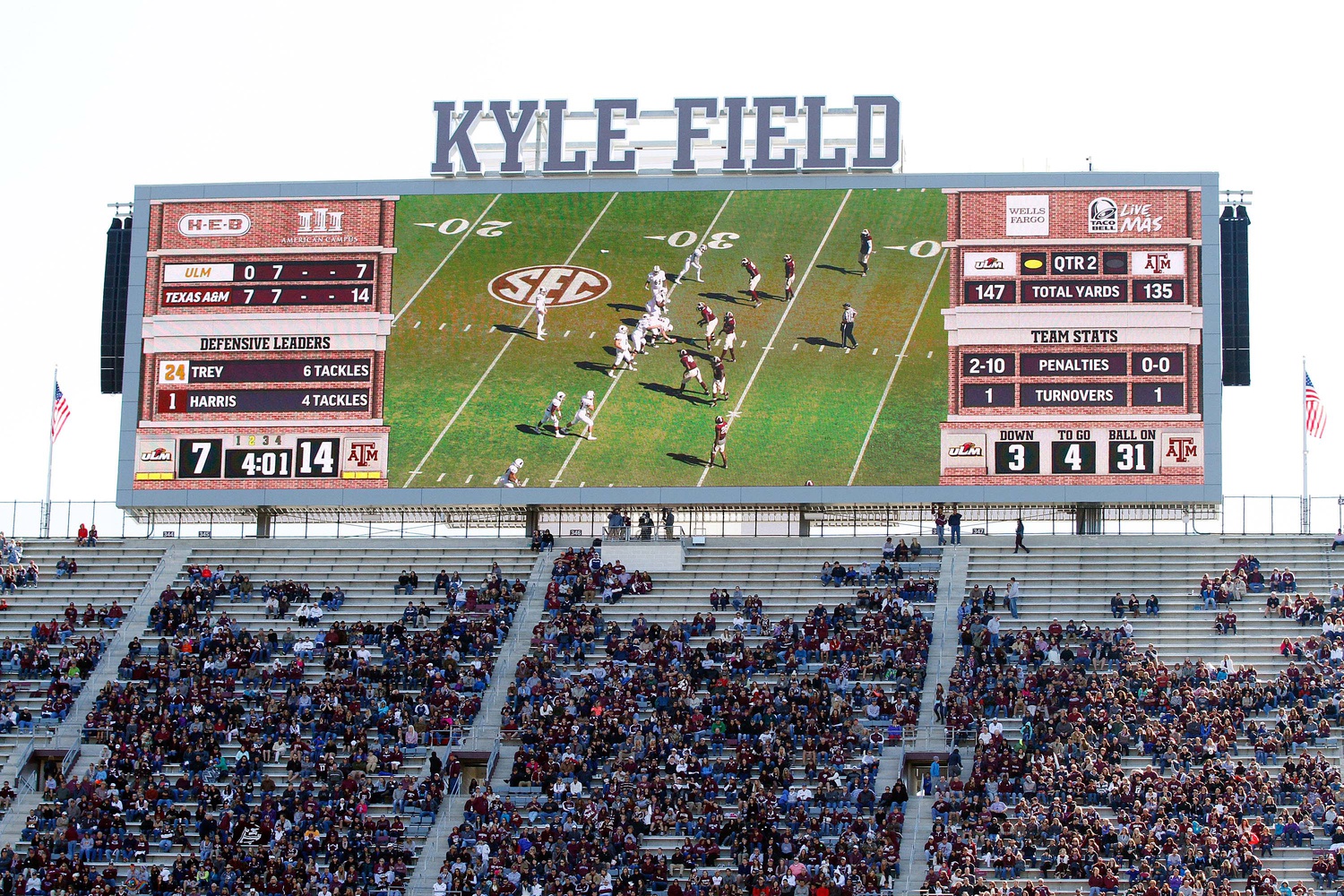
Image Source: collegefootballnetwork.com
How Many Minutes In A College Football Quarter: Explained
A college football quarter is 15 minutes long. This is the standard duration for each of the four quarters that make up a regulation college football game.
Navigating the intricacies of a college football game can sometimes feel like deciphering a complex code, especially when it comes to the game’s timing. Many fans new to the sport, or even seasoned observers who haven’t delved deep into the specifics, often wonder about the exact duration of each segment. So, how many minutes are actually packed into a college football quarter? The straightforward answer is 15 minutes. However, the reality of how those 15 minutes play out on the field is far more nuanced, influenced by a variety of stoppages and strategic decisions that can dramatically extend the overall game time. This exploration will delve into the core of college football quarter length, contrasting it with other levels of play, and explaining the various factors that contribute to the football game clock.
The Foundation: NCAA Football Quarter Duration
The National Collegiate Athletic Association (NCAA) governs college football, and its rules dictate the fundamental NCAA football quarter duration. Each quarter is officially set at 15 minutes. This provides a consistent structure for the game, allowing for strategic planning and predictable game flow. Think of it as the baseline for how long each segment of the game should theoretically take.
However, the actual time a college football quarter runs on the clock is rarely the full 15 minutes without interruption. The beauty and frustration of American football, at all levels, lie in its stop-start nature. This is intentionally designed to allow for plays to be set up, strategies to be discussed, and for officials to manage the game.
Deciphering the Football Game Clock
The football game clock is a critical element in the sport. It’s the primary indicator of how much playing time remains. When the clock is running, the game is in active play. When it stops, time is frozen, and the game pauses. Several common events cause the clock to stop:
- Out of Bounds: When a player with the ball goes out of bounds, the clock is stopped. This is a strategic move often used by teams to conserve time.
- Incomplete Pass: If a forward pass is not caught by an eligible receiver, the clock stops.
- Penalties: Officials stopping play for a penalty also halts the game clock.
- Timeouts: Both teams and officials can call timeouts, which stops the clock.
- Scoring: After a touchdown, field goal, or safety, the clock is stopped.
- Change of Possession: When possession of the ball changes, the clock typically stops momentarily before restarting.
- Injuries: If a player is injured, play is stopped, and the clock is halted.
- Two-Minute Warning: In the final two minutes of each half (both the second and fourth quarters), there is an automatic two-minute warning that stops the clock, regardless of what is happening on the field.
These stoppages are a fundamental part of college football timing and are why a 15-minute quarter can often take much longer in real-time.
How Long Is a Football Quarter, Really?
So, if a college football quarter length is 15 minutes, how long does it actually take to play? This is where the concept of “game time” versus “real time” becomes important. A 15-minute quarter can easily stretch to 20-30 minutes or even longer in real-world time, depending on the frequency of clock stoppages.
Consider a scenario with multiple incomplete passes, out-of-bounds plays, a penalty flag thrown, and perhaps a coach’s challenge or a review. Each of these events adds seconds, or even minutes, to the overall duration. This is a core aspect of football quarter time – the clock shows 15 minutes, but the passage of events dictates the actual temporal experience.
NFL vs. College Football Quarter: Key Differences
While both the NFL and college football adhere to the 15-minute quarter format, there are subtle differences in how the clock is managed, which can affect the overall duration of a college football quarter and its NFL counterpart.
- Overtime: College football has a unique overtime system that differs significantly from the NFL. In college overtime, teams get possession from the opponent’s 25-yard line. If the score is still tied after each team has had a possession, they repeat the process. Starting with the second overtime period, teams must go for two points after a touchdown. Starting with the third overtime, teams alternate trying for a two-point conversion after scoring. This system generally leads to shorter overtime periods compared to the NFL’s sudden-death or timed-overtime rules.
- Clock Stoppages: While many clock stoppage rules are similar, there can be minor variations in how officials handle certain situations or interpret specific rules regarding clock management. For instance, the “two-minute warning” is universal, but other specific scenarios might be handled with slightly different interpretations that can impact the clock’s flow.
- Tempo and Play Calling: Professional teams in the NFL often have more sophisticated play-calling systems and can execute them more rapidly. College offenses, while increasingly fast-paced, might sometimes operate at a slightly more deliberate pace, which can contribute to a longer overall game time due to more frequent clock stoppages for huddles and adjustments.
Essentially, while the college football quarter length is 15 minutes, the NFL vs college football quarter can differ in how quickly the game moves and the specific overtime rules that influence total game duration.
The Football Game Structure: Quarters and Halves
A standard college football game is divided into two halves, each consisting of two 15-minute quarters.
- First Half: Consists of the 1st quarter and the 2nd quarter.
- Halftime: A break between the first and second halves, usually lasting 12-15 minutes, featuring halftime shows and team preparations.
- Second Half: Consists of the 3rd quarter and the 4th quarter.
This football game structure provides a clear framework for the competition, with the halftime break offering a significant pause in the action. The total regulation playing time is therefore 60 minutes (4 quarters x 15 minutes). However, as previously discussed, the actual time it takes to complete these 60 minutes of play can be much longer.
College Football Rules Clock: Detailed Breakdown
The specific college football rules clock are designed to ensure fairness and manage the flow of the game. Here’s a more detailed look at how the clock operates:
Running Clock Situations
The clock generally runs under the following circumstances:
- After a Kickoff: The clock starts when the ball is legally touched by the receiving team.
- After a Punt: The clock starts when the receiving team legally touches the ball.
- After a Change of Possession (with some exceptions): If a team gains possession through an interception or fumble recovery, the clock will typically start when the ball is blown dead or when the player is tackled.
- After a Touchback: If the ball goes into the end zone on a kickoff or punt and is downed, it’s a touchback. The clock will start on the next snap from the 25-yard line.
- After a Score (when the clock is not stopped for a change of possession): Following a score, the clock is stopped. It restarts on the subsequent kick, typically a kickoff, when it is legally touched by the receiving team.
Clock Stoppage Triggers
As mentioned earlier, the clock stops for:
- Incomplete Passes: This is a significant clock stopper.
- Player Out of Bounds: Whether it’s the ball carrier or a player touching a loose ball out of bounds.
- Penalties: All penalties stop the clock until the penalty is administered.
- Timeouts: Called by coaches or officials.
- Injuries: When a player is hurt and play is stopped.
- Scoring Plays: Touchdowns, field goals, safeties.
- Two-Minute Warning: An automatic stop in the final two minutes of each half.
- Change of Possession (specific scenarios): Sometimes, a change of possession itself can cause a brief clock stoppage for clarity.
- Measurement: If a first down is questioned, a measurement will stop the clock.
- Coin Toss: Before the game and in overtime.
“10-Second Runoff” Rule
A crucial aspect of college football timing is the 10-second runoff rule. If a penalty occurs with less than 10 seconds remaining in either half, and the penalized team has possession, the team that was fouled can choose to either:
- Accept the penalty and have the clock run for 10 seconds, restarting play.
- Decline the penalty and have the clock remain stopped, forcing a replay of the down with the previous time remaining (which would likely be less than 10 seconds).
This rule is designed to prevent teams from using penalties to strategically stop the clock when they have very little time left.
College Football Timing: Beyond the Quarter Mark
The college football timing goes beyond just the 15-minute quarter. The broadcast experience also adds to the perceived length of a game. Commercial breaks, halftime shows, and replays all contribute to the total time from kickoff to the final whistle. A typical college football game broadcast can last anywhere from 3 to 4 hours, even if the actual football game clock shows only 60 minutes of play.
Factors Influencing Quarter Duration:
- Tempo of Play: Teams that run more plays per minute (fast-paced offenses) will experience more clock stoppages over a game.
- Number of Penalties: More penalties mean more clock stoppages.
- Number of Incomplete Passes: Each incomplete pass stops the clock.
- Coaching Decisions: Strategic timeouts and challenges can influence clock management.
- Officiating Reviews: Replay reviews can add significant time to the game, often occurring during a clock stoppage.
How Long Is a Football Quarter: Practical Considerations
When asking “how long is a football quarter,” it’s vital to distinguish between the official duration and the actual elapsed time. While the official college football quarter length is 15 minutes, the practical experience of playing through a quarter involves numerous breaks.
A team might have a quarterback who is prone to throwing incomplete passes, or a defense that commits many penalties. These factors will naturally make their quarters last longer in real-time. Conversely, a team that runs the ball effectively, stays in bounds, and avoids penalties will likely see their offensive possessions move more swiftly through the 15-minute segments.
The Significance of the Two-Minute Warning
The two-minute warning is a critical part of football quarter time, particularly in the fourth quarter. This automatic stoppage provides a moment for coaches to strategize, for players to catch their breath, and for the broadcast to present more commercials and analysis. It also allows teams that are trailing to regroup and plan their final drives effectively. For teams trying to run out the clock, this warning signifies a crucial point where defensive strategies might change to prevent long gains or completions.
The Duration of a College Football Quarter in Practice
To truly grasp the duration of a college football quarter, one must consider the dynamic nature of the game. It’s a strategic battle where time is both a weapon and an adversary.
- Offensive Strategy: Teams that want to control the clock will try to run the ball, get first downs, and keep the ball out of the opponent’s hands. This often involves fewer incomplete passes and plays that keep the clock moving.
- Defensive Strategy: Teams that are trailing will want to stop the clock as much as possible. This means forcing incomplete passes, forcing opponents out of bounds, and calling timeouts.
- Game Situations: A close game with many possessions and potential scoring drives will naturally have more clock stoppages than a blowout where one team dominates possession and the clock is less of a factor.
Summary of College Football Quarter Length
In conclusion, the official college football quarter length is firmly set at 15 minutes. This is the governing rule for all NCAA football games, defining the core football game structure. However, the actual elapsed time of a college football quarter can vary significantly due to the numerous stoppages inherent in the sport, governed by specific college football rules clock. When you consider the combined effects of penalties, timeouts, incomplete passes, and out-of-bounds plays, the 15 minutes of game time can easily extend into half-hour or more of real-world time. This dynamic aspect of college football timing is what makes the sport so engaging and strategically rich.
Frequently Asked Questions (FAQ)
Q1: Is a college football quarter exactly 15 minutes from start to finish?
A1: Officially, yes, a college football quarter is designated as 15 minutes of playing time. However, due to various stoppages like incomplete passes, out-of-bounds plays, penalties, and timeouts, the actual elapsed time for a quarter can be considerably longer.
Q2: Does the clock stop after every play in college football?
A2: No, the clock does not stop after every play. It primarily stops for specific events like incomplete passes, when a player goes out of bounds, penalties, scoring plays, timeouts, and the two-minute warning. If a play ends with the ball carrier still in bounds and no other stoppage occurs, the clock continues to run.
Q3: How much longer does a college football quarter usually take in real time?
A3: It’s difficult to give an exact figure as it varies greatly depending on the game’s flow. However, a 15-minute quarter can often take 20 to 30 minutes or even more in real-world time due to the frequency of clock stoppages.
Q4: Are the quarter lengths the same in college football and the NFL?
A4: Yes, both college football and the NFL have quarters that are officially 15 minutes long. The primary differences lie in other rules, such as overtime procedures and some clock management nuances.
Q5: What is the “two-minute warning” in college football?
A5: The two-minute warning is an automatic stoppage of the game clock that occurs when there are two minutes remaining in the second and fourth quarters, regardless of where the ball is or who has possession. It allows teams to strategize and prepare for the end of the half.