
Can I mold a football mouthpiece at home? Yes, most football mouthpieces are designed for home molding using a simple boil-and-bite process, allowing you to achieve a custom fit for optimal protection and comfort.
Getting the perfect fit for your football mouthpiece is crucial. A well-molded mouthguard not only offers superior protection against dental injuries but also improves your ability to breathe and speak on the field. This guide will walk you through the entire process of molding a football mouthguard, from preparation to achieving that ideal, custom football mouthguard fit. We’ll cover everything you need to know about how to shape a mouthguard correctly, ensuring it stays put and provides the best possible protection.
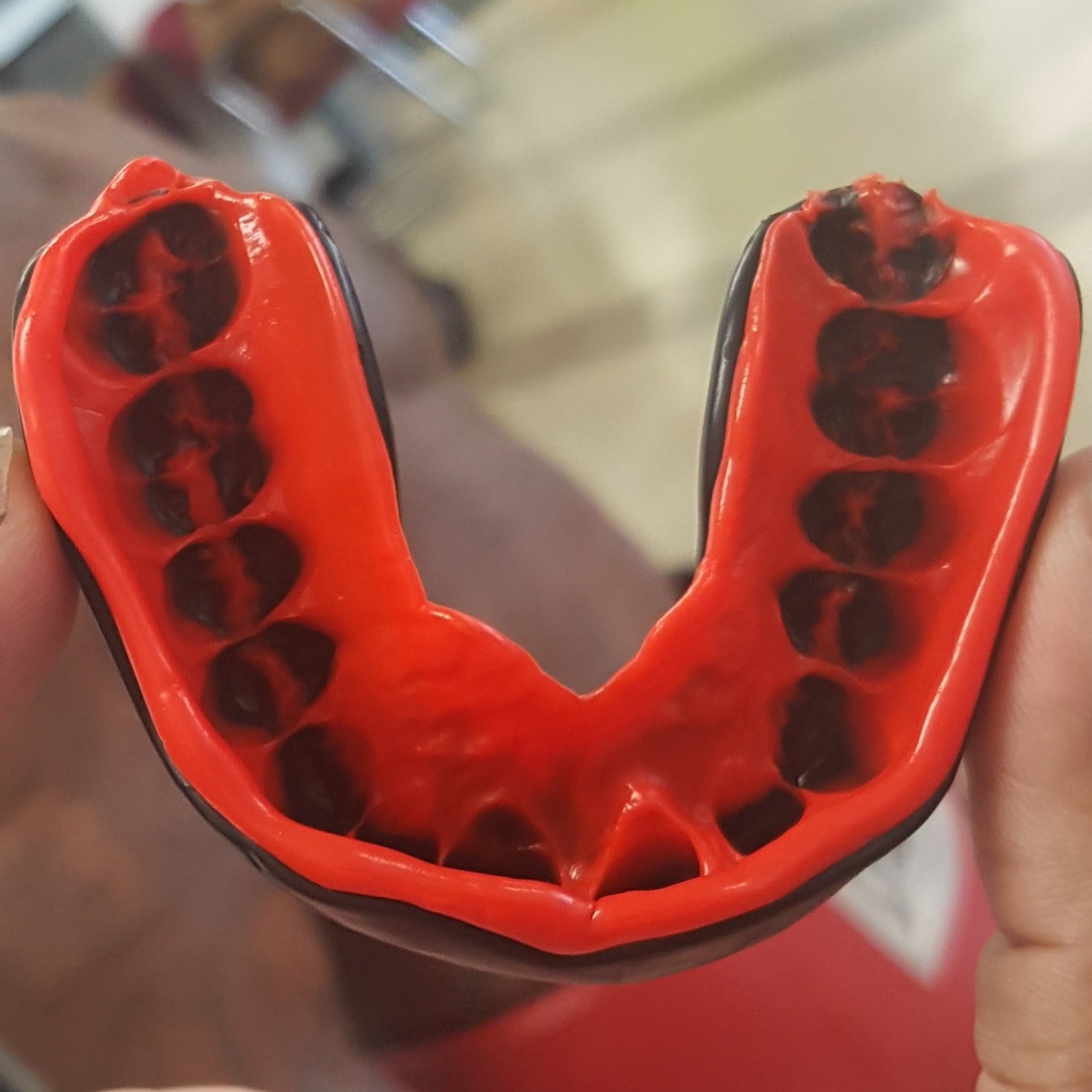
Image Source: www.oralmart.com
Why a Proper Fit Matters for Your Football Mouthguard
A poorly fitted mouthguard is worse than no mouthguard at all. It can fall out during play, hinder your breathing, and even become a choking hazard. On the other hand, a properly molded dental protector is like a second skin, offering a secure fit that allows you to focus on the game.
Benefits of a Custom-Fitted Mouthguard
- Enhanced Protection: A snug fit ensures the mouthguard stays in place to absorb impact and protect teeth, jaw, and even the brain from injuries.
- Improved Breathing: A custom fit allows for easier airflow, preventing you from feeling suffocated or breathless during intense play.
- Clearer Communication: When your mouthguard fits well, you can talk more clearly with teammates and coaches.
- Comfort: A good fit means no pinching, gagging, or discomfort, so you’ll actually wear it.
- Reduced Jaw Clenching: Some mouthguards are designed to help reduce the effects of teeth grinding and clenching.
Preparing for Your Football Mouthpiece Molding
Before you start the football mouthguard procedure, gathering the right materials and preparing your workspace will make the process smoother and more successful.
What You’ll Need:
- Your Football Mouthpiece: Ensure it’s the boil-and-bite type.
- Pot of Water: A small saucepan is ideal.
- Boiling Water: You’ll need enough to fully submerge the mouthpiece.
- Bowl of Cold Water: For stopping the molding process.
- Slotted Spoon or Tongs: To handle the hot mouthpiece.
- Timer: To track the boiling time accurately.
- Mirror: To check your bite and the mouthpiece’s position.
- Clean Towel or Paper Towels: For drying your hands and the mouthpiece.
Setting Up Your Workspace
Choose a clean, well-lit area. Have all your supplies within easy reach. Ensure you have a stable surface to work on, especially when dealing with hot water.
The Boil and Bite Mouthguard Molding Process: Step-by-Step
This section provides a detailed breakdown of how to shape a mouthguard using the common boil-and-bite method. Following these steps carefully is key to achieving a secure and effective fit for your football dental guard fitting.
Step 1: Boiling the Water
- Fill your saucepan with enough water to completely cover the mouthguard.
- Place the saucepan on the stove and bring the water to a rolling boil.
- Once boiling, reduce the heat slightly to maintain a steady boil, but avoid excessive bubbling that could splash hot water.
Step 2: Preparing the Mouthpiece
- While the water heats, take your mouthguard and rinse it under cool water.
- Lightly wet your hands, as this can help prevent sticking.
Step 3: The Boil
- Use your slotted spoon or tongs to carefully place the mouthguard into the boiling water.
- Allow it to boil for the time specified in the manufacturer’s instructions. This is typically between 30 seconds and 2 minutes. Do not overboil, as this can damage the material and make it difficult to mold. Do not underboil, as it won’t soften enough.
Important Note: Always check the specific instructions that came with your mouthguard. Different brands may have slightly different recommended boiling times.
Step 4: Cooling the Mouthpiece
- Carefully remove the mouthpiece from the boiling water using your slotted spoon or tongs.
- Immediately dip it into the bowl of cold water for about 1 to 2 seconds. This helps to cool the outer surface slightly, making it safe to handle while keeping the inside pliable.
Step 5: Molding Your Mouthpiece
This is the most critical step for fitting a football mouthpiece.
- Remove Excess Water: Shake off any excess water from the mouthguard.
- Position the Mouthpiece: Place the softened mouthguard into your mouth. Position it so that it covers your upper teeth.
- Bite Down Gently: Bite down firmly but not so hard that you push all the material out. You want to create an impression of your teeth.
- Use Your Fingers: While biting, use your fingers to press the mouthguard against your teeth and gums. Mold the material around the outside of your teeth and press it firmly against the roof of your mouth.
- Suck in Air: While maintaining the bite and finger pressure, suck in sharply through your mouth. This action further molds the mouthguard to your teeth and helps create a vacuum seal, ensuring a tight fit.
- Hold and Wait: Hold this position for about 60 seconds, or until the mouthguard has cooled and hardened. Avoid moving your jaw or teeth too much during this time.
Step 6: Checking the Fit
- Carefully remove the molded mouthguard from your mouth.
- Examine the impression. You should see clear indentations of each tooth.
- Try it back on. It should feel snug and stay in place even when you open your mouth or move your head.
- Check for any rough edges or areas that might be uncomfortable.
Step 7: Trimming (If Necessary)
If the mouthguard feels too long or has uncomfortable edges, you can trim it. Use clean, sharp scissors. Trim small amounts at a time and re-test the fit. Always trim from the outside edges, not from the biting surface.
Step 8: Rinsing and Storing
- Rinse the molded mouthguard thoroughly under cool water.
- Allow it to air dry completely before storing it in its protective case.
Troubleshooting Common Fitting Issues
Even with careful molding, you might encounter some minor problems. Here are solutions for common issues when fitting a football mouthpiece:
Mouthpiece Feels Too Loose
- Cause: Not enough pressure applied during molding, or not enough time spent sucking in air.
- Solution: Re-boil the mouthguard and repeat the molding process. Focus on biting down firmly and sucking in air aggressively. Ensure you hold the position until it hardens.
Mouthpiece Feels Too Tight or Pinches
- Cause: Over-molding or biting down too hard initially, forcing material into unintended areas.
- Solution: Try re-boiling and molding again, but be gentler with the initial bite. Focus on shaping the material around your teeth rather than compressing it excessively. If it continues to pinch, you might need to trim a small section, but do so cautiously.
Difficulty Breathing
- Cause: The mouthguard is too thick or covers too much of the palate or throat.
- Solution: During the molding process, ensure you press the material upwards and against the roof of your mouth without blocking your airway. If it’s still an issue, you may need to trim it slightly from the back, but this can compromise its protective qualities. Consider a different brand or style of mouthguard if this persists.
Material is Too Hard or Too Soft
- Cause: Incorrect boiling time.
- Solution: If it’s too hard, you likely didn’t boil it long enough or it cooled too quickly. If it’s too soft and mushy, you might have over-boiled it. Refer back to the manufacturer’s instructions for the precise boiling time.
Re-Molding Your Mouthguard
The beauty of the boil-and-bite process is that it allows for re-molding. If your initial attempt at fitting a football mouthpiece isn’t quite right, you can often try again.
When to Re-Mold:
- The fit is not secure.
- It feels uncomfortable.
- You missed a crucial step during the first molding.
How to Re-Mold:
Simply repeat the boiling process. Heat the water, boil the mouthguard for the recommended time, cool it briefly, and then re-mold it, paying close attention to the molding steps. Avoid re-molding too many times, as this can degrade the material.
When to Consider a Custom Dental Lab Mouthguard
While boil-and-bite mouthguards are effective and affordable, some athletes may benefit from a custom dental lab mouthguard.
What is a Custom Football Mouthguard?
A custom football mouthguard is made by a dental professional based on an impression of your teeth.
Advantages of a Custom Dental Lab Mouthguard:
- Superior Fit: Perfectly tailored to your unique dental anatomy.
- Maximum Comfort: Designed for optimal comfort and breathability.
- Enhanced Protection: Often made from higher-quality materials and engineered for specific impact absorption.
- Durability: Generally more durable than boil-and-bite options.
When to Opt for a Custom Fit:
- You have braces or dental work.
- You find it consistently difficult to get a good fit with boil-and-bite mouthguards.
- You experience persistent breathing or comfort issues.
- You want the absolute best protection available.
The football mouthguard procedure for a custom guard involves visiting a dentist who will take impressions of your teeth. These impressions are then sent to a dental lab that fabricates the mouthguard.
Maintaining Your Molded Mouthguard
Proper care will extend the life of your molded dental protector and keep it hygienic.
Cleaning:
- Rinse your mouthguard with cool water after every use.
- Gently brush it with a soft toothbrush and mild soap or toothpaste. Avoid abrasive cleaners.
- Soak it in an antibacterial mouthwash solution or a specialized mouthguard cleaning solution periodically.
Drying and Storage:
- Always allow your mouthguard to air dry completely before storing it.
- Store it in its protective case to prevent contamination and damage.
- Keep it away from direct sunlight and extreme heat, which can warp the material.
Replacement:
- Replace your mouthguard at least once a season, or more frequently if it shows signs of wear and tear, such as cracks, thinning, or if the fit becomes loose.
- If you’ve had significant dental work done (like new crowns or fillings), you’ll need to have your mouthguard remolded or replaced.
Frequently Asked Questions About Molding a Football Mouthguard
Here are answers to common questions about fitting a football mouthpiece.
Q1: How long should I boil the mouthguard?
A1: Always refer to the manufacturer’s instructions. Typically, it’s between 30 seconds and 2 minutes. Over-boiling can damage the material, while under-boiling means it won’t soften enough to mold properly.
Q2: Can I mold a mouthguard for someone else?
A2: While possible, it’s much harder to get a good fit. The best results come from molding it yourself to your own teeth. If you must mold it for someone else, ensure they are present and actively participate in the molding process.
Q3: What if I have braces?
A3: Standard boil-and-bite mouthguards are generally not recommended for individuals with braces. The rigid material can snag on the brackets, causing injury. It’s best to get a specialized mouthguard designed for orthodontics or a custom dental lab mouthguard made for braces.
Q4: How do I know if my mouthguard fits correctly?
A4: A well-fitting mouthguard will stay securely in place without you needing to bite down. It shouldn’t move, fall out, or cause gagging. You should be able to breathe and talk reasonably well while wearing it.
Q5: Can I trim my mouthguard if it’s too long?
A5: Yes, you can trim excess material from the edges with sharp scissors if it causes discomfort or extends too far back. Trim small amounts at a time and test the fit after each trim. Avoid trimming the biting surface.
Q6: How often should I replace my mouthguard?
A6: It’s recommended to replace your mouthguard at least once per sports season, or if it shows signs of wear, becomes loose, or develops tears. Children and teens may need replacements more often due to jaw growth and development.
Q7: Why is my mouthguard tasting bad?
A7: This is usually due to improper cleaning or storage. Ensure you rinse and air dry your mouthguard thoroughly after each use and store it in its clean case. Periodic soaking in an antibacterial solution can help.
Q8: Can I mold a mouthguard for my lower teeth?
A8: Most boil-and-bite mouthguards are designed primarily for the upper teeth, as this offers the most protection for the front teeth and jaw. Some specialized mouthguards can be molded for the lower teeth, but always check the product description.
Q9: What’s the difference between a football mouthguard and a general sports mouthguard?
A9: While the molding process is often the same, football mouthguards are typically designed with thicker materials and may offer features specifically for impact absorption related to the forces experienced in football, such as jaw stabilization or tooth protection during tackles.
By following these guidelines for forming a mouthpiece, you can significantly improve your football dental guard fitting and ensure your mouthguard provides the best possible protection throughout the season. Remember, a well-fitted sports mouthguard is a non-negotiable piece of equipment for any serious football player.