
It’s tough when your little one wakes up crying. Many parents ask, “Why does my toddler wake up crying?” There are many reasons. It could be a simple need like hunger or a wet diaper. It could be something about their sleep, like a bad dream or waking up in a strange part of their sleep cycle. Sometimes, it’s about how they feel, like missing you. Let’s look at the main reasons why this happens. These are common toddler night waking causes.
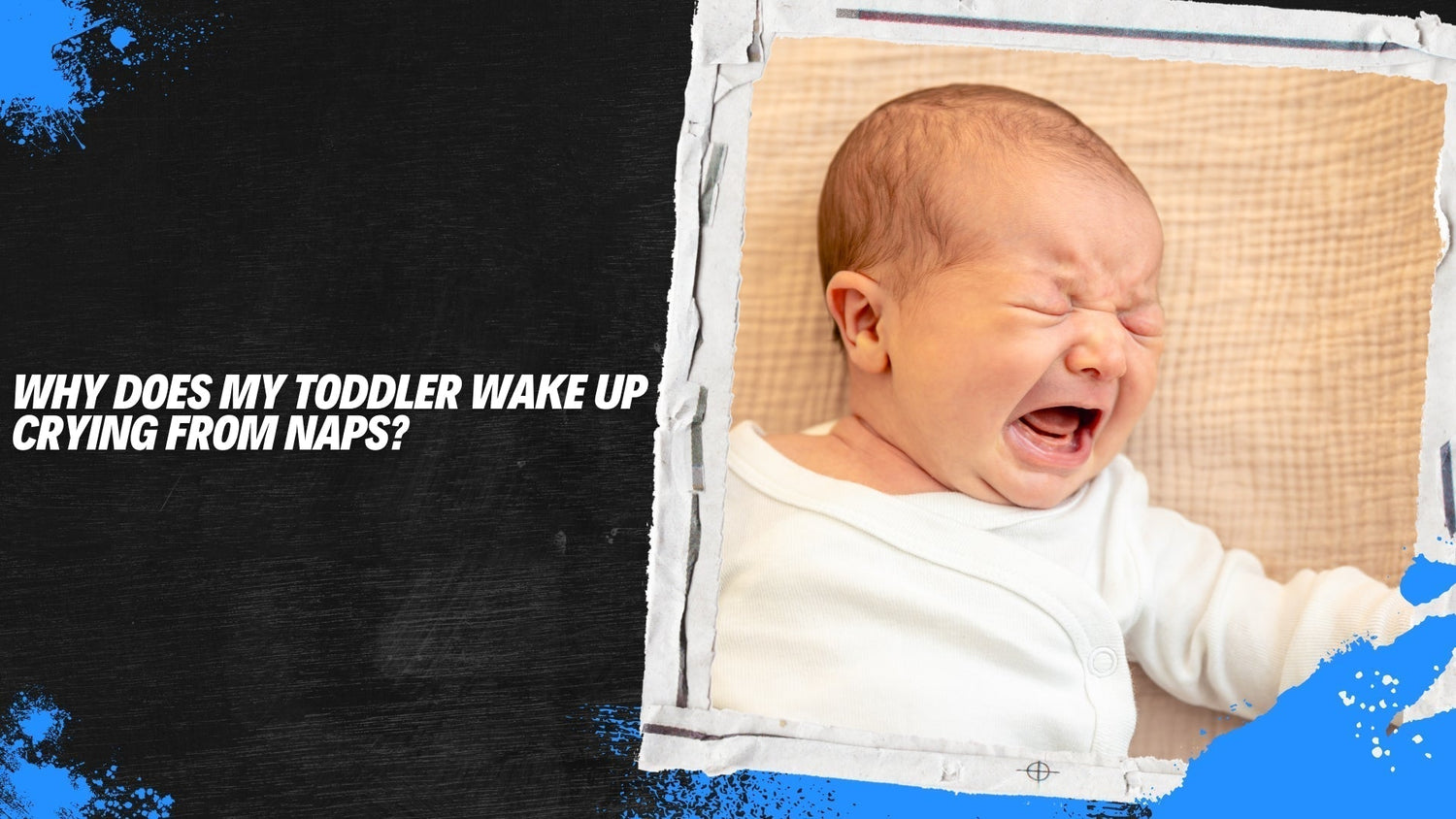
Image Source: thesleepysloth.com
Exploring Why Toddlers Cry at Night
Toddlers are learning and growing fast. This affects their sleep. When they wake up crying, they are telling you something is wrong. They cannot just say, “I am hungry” or “I had a bad dream.” Crying is their way to communicate.
Understanding the reasons helps you help your toddler. It helps you figure out what they need. It can also help you prevent some night waking.
Common Reasons for Waking Up Crying
Toddlers might cry when they wake for many reasons. These reasons can be grouped. They can be physical, emotional, or about their sleep itself.
Physical Needs Making Toddlers Wake
Sometimes, the reason is very simple. It’s about the body needing something.
Hunger at Night
Toddlers have small tummies. They eat a lot during the day. But they might still feel hungry at night. This is true if they did not eat enough dinner or had a very active day. Growth spurts can also make them hungrier.
When a toddler wakes hungry, they feel uncomfortable. This makes them cry.
- Signs of Hunger:
- Wakes shortly after falling asleep, especially if dinner was small or early.
- Seems soothed by milk or a snack.
- Might be in a growth spurt, eating more during the day too.
Toddler hunger at night can be a real issue, especially for younger toddlers or during growth phases. A simple fix is making sure they eat enough during the day. A snack before bed might also help. This snack should be healthy, not sugary.
Feeling Sick or Unwell
Being sick makes anyone feel bad. Toddlers feel it more strongly. A simple cold can make it hard to breathe. Ear infections hurt when lying down. A fever makes them feel hot and uncomfortable. All these things can wake a toddler. When they wake, they feel bad, so they cry.
A sick toddler waking at night needs comfort. They might need medicine if the doctor says so.
- Signs of Sickness:
- Fever.
- Cough or runny nose.
- Ear pulling.
- Being more fussy during the day.
- Not wanting to eat much.
- Seems more tired than usual.
If your toddler is sick, comfort is key. Check their temperature. Give them water if they can have it. Follow doctor’s advice. Night waking is common when they are unwell.
Teething Discomfort
Teething hurts. New teeth pushing through the gums can cause pain. This pain can wake a sleeping toddler. Just like ear infections, lying down can make teething pain feel worse.
When a toddler wakes from teething pain, they are upset. They cry because they hurt.
- Signs of Teething:
- Drooling more than usual.
- Chewing on things.
- Swollen or red gums.
- Being fussy during the day.
- Slight fever (check with doctor).
You can help a teething toddler. Offer a teething toy they can chew. Sometimes, a cool washcloth helps. A doctor might suggest pain relief if it’s bad. Teething pain usually comes and goes. So, night waking might only happen for a few nights while a tooth comes in.
Wet or Dirty Diaper
This is a simple one. A wet or dirty diaper can be uncomfortable. Some toddlers sleep through anything. Others are sensitive. They wake up feeling wet or messy. Then they cry because they feel yucky.
- Signs of Diaper Discomfort:
- Wakes soon after falling asleep or late in the night.
- Diaper feels heavy or smells bad.
- Seems fine after a diaper change.
Changing the diaper is the fix. Using absorbent diapers at night helps. This might prevent waking from wetness.
Being Too Hot or Too Cold
The room temperature matters for sleep. If a toddler is too hot or too cold, they will be uncomfortable. This discomfort can wake them up. Then they cry because they don’t feel just right.
- Signs of Temperature Issues:
- Sweating (too hot).
- Cold hands or feet (though check back of neck/tummy for true temp).
- Restless sleep before waking.
- Room feels very warm or very cool.
Dress your toddler in sleep clothes right for the room temp. Use layers you can add or take away. The room should feel comfy to you. Not too warm, not too cool. Around 68-72°F (20-22°C) is often good.
Emotional Reasons for Waking Up Crying
Toddlers have big feelings. These feelings can affect their sleep. Waking up alone in the dark can be scary or lonely for them.
Separation Anxiety
Around age 1-2, toddlers learn that you are a separate person. They learn you can leave. This is a normal part of growing up. It’s called separation anxiety toddler sleep. They love you and want you near. At night, when they wake up alone, they feel this separation. They might cry because they want you. They miss you.
This anxiety can be stronger at night. They might check if you are still there. When they find you are not, they get scared or upset.
- Signs of Separation Anxiety:
- Clingy during the day.
- Gets upset when you leave the room.
- Might cry when you put them down for sleep.
- Wakes crying and wants you right away.
- Is soothed when you are near.
To help with separation anxiety at night, make saying goodnight calm and quick. Spend quality time before bed. Use a lovey or special blanket. If they wake, go in quickly. Offer comfort but try to keep it short. Let them know you are near. Reassure them you will be there in the morning.
Need for Comfort or Reassurance
Sometimes, a toddler wakes and just needs a hug. They might be feeling a bit unsure. The world is big and new. Sleep is a time when they are alone with their thoughts or feelings. Waking up can feel startling. They might just need to know you are there.
They might cry not from pain or fear, but from a simple need for connection.
- Signs of Needing Comfort:
- Crying stops quickly when you pick them up or talk to them.
- Doesn’t seem sick or in pain.
- Might just want to cuddle for a minute.
Offer a quick cuddle or gentle words. Put them back down while they are still a bit sleepy. The goal is to comfort, but not create a need for you to stay until they fall asleep again.
Sleep Issues Causing Waking
Sometimes, the crying is linked to sleep itself. How the toddler is sleeping or not sleeping well plays a big part.
Toddler Sleep Regression
Sleep regression is a time when a toddler who was sleeping well suddenly starts waking up more. This often happens around 18 months or 2 years old. It is a normal part of growth. Toddlers are learning new things fast – walking, talking, thinking. Their brains are very busy. This busy brain activity can make sleep harder.
During a toddler sleep regression, their sleep cycles change. They might spend more time in lighter sleep stages. Waking up between cycles is easier then. They might wake up fully and have trouble going back to sleep.
- Signs of Sleep Regression:
- Sudden increase in night waking.
- Trouble falling asleep.
- Shorter naps or fighting naps.
- Happens when they are reaching new milestones (walking, talking, potty training).
- Usually lasts for a few weeks.
Handling sleep regression needs patience. Stick to their normal toddler sleep schedule. Offer comfort but avoid starting new habits like rocking them to sleep every time. Keep bedtime routine same. This period passes.
Being Overtired
It seems strange, but being too tired makes it harder to sleep. When a toddler is overtired toddler signs include being fussy, hyper, or having a hard time settling down. An overtired toddler’s body makes stress hormones. These hormones make it hard to fall asleep and stay asleep.
An overtired toddler might fall asleep fast from exhaustion. But they often wake up crying later. Their sleep is not restful.
- Signs of Overtiredness:
- Rubbing eyes.
- Yawning a lot.
- Being fussy or easily frustrated.
- Becoming hyperactive or silly.
- Having a ‘second wind’ of energy before bed.
- Waking crying soon after falling asleep.
The best way to avoid overtiredness is a good toddler sleep schedule. Make sure they get enough sleep during the day (naps) and at night. Watch for their tired signs and start the bedtime routine early.
Issues with the Sleep Schedule
A changing or uneven sleep schedule can mess up a toddler’s night sleep. Going to bed too late, inconsistent nap times, or missing naps can lead to problems.
If a toddler sleeps too much or too little during the day, it affects the night. If they go to bed too early before they are tired enough, they might wake later. If they go to bed too late, they get overtired (see above).
- Signs of Schedule Problems:
- Difficulty falling asleep at bedtime.
- Waking up too early in the morning.
- Frequent night waking.
- Short or skipped naps.
- Toddler seems tired or hyper at wrong times.
Try to set a regular toddler sleep schedule. Have a set bedtime and wake-up time, even on weekends. Make naps happen at roughly the same time each day. A regular routine helps set their internal clock.
Nightmares
Toddlers start having dreams. Sometimes dreams are scary. These are toddler nightmares. Nightmares usually happen in the second half of the night. This is when REM sleep, the dreaming stage, is most active.
When a toddler wakes from a nightmare, they are scared. They might be confused. They remember the scary dream. They cry because they are frightened.
- Signs of a Nightmare:
- Wakes up fully.
- Is scared or upset.
- Can usually be comforted by you.
- Might be able to tell you about the bad dream (even in simple words) later.
- Happens later in the night.
If your toddler has a nightmare, go to them. Offer calm comfort and reassurance. Tell them they are safe. Help them understand it was just a dream. Avoid scary stories or TV before bed.
Night Terrors
Night terrors are different from nightmares. They are scarier for the parent to see. A toddler night terrors episode happens in the first few hours of sleep. This is during deep, non-REM sleep.
During a night terror, a toddler might scream, thrash, and look awake. But they are not truly awake. Their eyes might be open, but they are not aware you are there. They are usually very hard to comfort. They might push you away. After a few minutes (or longer), they calm down and go back to deep sleep. They usually do not remember it the next day.
- Signs of a Night Terror:
- Happens in the first 2-3 hours after falling asleep.
- Sudden screaming or crying.
- Eyes are open but seem unfocused.
- Toddler is not awake or aware of you.
- Hard to comfort.
- Usually falls back asleep quickly after it ends.
- Does not remember it later.
Night terrors are scary but harmless. Do not try to wake the toddler. Make sure they are safe (won’t fall or hit anything). Wait for it to pass. They usually grow out of them. Being overtired can make night terrors more likely. So, ensuring enough sleep helps.
Sleep Environment Problems
The place where a toddler sleeps matters. If it’s too noisy, too bright, or uncomfortable, it can disturb sleep.
- Light: Too much light can signal the body to wake up. Even small lights (from electronics, street lights) can affect sleep.
- Noise: Sudden loud noises can wake a toddler. Even ongoing background noise might disturb light sleep.
- Comfort: Is their bed comfy? Are their pajamas scratchy? Is their room strange if they are traveling?
Make the sleep space dark, quiet, and comfortable. Blackout curtains help. A white noise machine can block out sudden noises and create a calming sound. Make sure their bedding and PJs are soft and right for the temperature.
Sleep Training and Night Waking
Some parents use toddler sleep training to help their child sleep better. Sleep training teaches a toddler how to fall asleep by themselves and go back to sleep if they wake up.
Different methods exist for toddler sleep training. Some involve checking on the toddler at set times if they cry. Others involve staying in the room but not helping them fall asleep.
- How Sleep Training Can Help Night Waking:
- Teaches the toddler they are safe waking alone.
- Helps them learn how to soothe themselves back to sleep.
- Reduces the need for parents to help them fall back asleep every time they stir.
If toddler night waking causes are not physical (hunger, sickness) or emotional (strong anxiety), sleep training can be an option. It can help if the toddler relies on a parent to fall asleep initially.
However, sleep training does not fix all waking. A sick toddler needs comfort. A hungry toddler needs food. A scared toddler (from a nightmare) needs reassurance. Toddler sleep training is mostly for waking where the toddler is otherwise fine but doesn’t know how to settle themselves back to sleep.
Table of Common Causes and What to Look For
Here is a quick look at reasons why toddlers might wake up crying and signs to watch for:
| Reason | What to Look For | When It Often Happens | How to Help |
|---|---|---|---|
| Hunger | Wakes shortly after sleep, soothed by milk/snack, during growth spurts. | Any time, but often earlier in the night. | Ensure enough food during day, offer small healthy snack before bed. |
| Sickness | Fever, cough, runny nose, ear pulling, fussy, low appetite, tired during day. | Any time. | Comfort, doctor’s advice, manage symptoms. |
| Teething | Drooling, chewing on things, red gums, fussy during day. | Any time, especially when new teeth come in. | Teethers, gentle gum rub, pain relief (ask doctor). |
| Wet/Dirty Diaper | Diaper is heavy/smelly, wakes up feeling wet. | Any time, often late night or early morning. | Change diaper, use absorbent night diapers. |
| Too Hot/Cold | Sweating, cold extremities (check neck/tummy), restless sleep. | Any time. | Adjust layers, set room temperature. |
| Separation Anxiety | Clingy during day, upset when you leave, wants you right away when waking. | Waking up after falling asleep, middle of night. | Calm goodnight, quick comfort at night, reassurance. |
| Need for Comfort | Crying stops quickly with hug, not sick/in pain, just wants closeness. | Any time. | Quick, gentle comfort, put back down sleepy. |
| Sleep Regression | Sudden increase in waking, trouble falling asleep, shorter naps, hitting milestones. | Around 18-24 months, happens for weeks. | Stick to schedule, be patient, offer comfort without creating new habits. |
| Overtiredness | Fussy/hyper before bed, rubbing eyes, yawning, hard to settle, wakes crying. | Often soon after falling asleep, or multiple times. | Ensure good sleep schedule, watch for tired signs, earlier bedtime. |
| Schedule Problems | Hard to fall asleep, early waking, short naps, inconsistent sleep times. | Frequent waking, timing is off. | Set a regular sleep schedule, consistent bedtime/wake time. |
| Nightmares | Wakes fully scared, can be comforted, might remember dream, happens later in night. | Second half of the night. | Calm comfort, reassurance, talk about dream (simply). |
| Night Terrors | Screaming, thrashing, eyes open but not awake, hard to comfort, no memory later. | First few hours after falling asleep. | Ensure safety, do not try to wake, wait for it to pass, check for overtiredness. |
| Environment Problems | Room too bright, noisy, or uncomfortable bed/PJs. | Any time. | Make room dark, quiet, comfortable. |
The Importance of a Toddler Sleep Schedule
Having a consistent toddler sleep schedule is one of the best things you can do to help your toddler sleep well. It helps regulate their body clock, called the circadian rhythm. When their body knows when to expect sleep, it becomes easier to fall asleep and stay asleep.
A good schedule includes:
- Consistent Bedtime: Aim for the same time every night, even on weekends. Toddlers do best with an early bedtime, often between 7:00 PM and 8:00 PM.
- Consistent Wake-Up Time: Waking up around the same time each morning helps set the schedule for the whole day.
- Regular Nap Times: Most toddlers need one or two naps a day. Having naps at the same time helps prevent overtiredness.
When a toddler follows a regular toddler sleep schedule, they are less likely to be overtired. This reduces night waking caused by being too tired. It also helps their bodies get into a good rhythm for sleep cycles.
Keeping a schedule can be hard with life events, travel, or sickness. But getting back to the schedule as soon as possible helps.
Fathoming Toddler Sleep Cycles
Understanding a bit about how toddlers sleep can help. Like adults, toddlers sleep in cycles. These cycles include light sleep and deep sleep. As the night goes on, they spend more time in lighter sleep stages, including REM sleep where dreams happen.
When a toddler finishes a sleep cycle, they come to a point of being partly or fully awake. This is a normal part of sleep. Adults often just roll over and go back to sleep without remembering. Toddlers are learning this skill.
If a toddler needs help to fall asleep at the start of the night (like rocking or feeding), they might need that same help when they wake up between cycles. They haven’t learned to go back to sleep on their own. This is where toddler sleep training can sometimes help, teaching them to link falling asleep with their bed, not with outside help.
Factors like toddler sleep regression or being overtired can make these brief awakenings longer or more likely to result in crying. Their sleep cycles might be disrupted, or they might just be too upset or wired to easily fall back asleep.
Getting to the Bottom of Night Waking
When your toddler wakes up crying, take a moment to think about what might be causing it.
- Check for immediate physical needs: Are they wet? Too hot or cold? Could they be hungry (especially if it’s been a long time since they ate)?
- Consider sickness or pain: Are they coughing, have a fever, or seem in pain (like earache or teething)?
- Think about their schedule: Were they overtired today? Did they miss a nap? Was bedtime much later than usual? Is their
toddler sleep scheduleconsistent? - Look at the time: Is it early in the night (maybe night terror or overtired)? Or later (maybe nightmare)?
- Consider recent changes: Are they going through a
toddler sleep regression? Have you been away? Isseparation anxiety toddler sleepa likely cause? Are they learning new things? - Check the environment: Is their room dark enough, quiet enough, comfortable?
Your response can depend on what you think is the reason. For sickness, offer comfort and care. For hunger, a quick small snack might help. For nightmares or separation anxiety, offer calm reassurance. For other waking, a consistent, calm approach can teach them to go back to sleep.
It’s okay to go to your toddler when they cry. They need to know you are there. The key is how you respond.
- Respond calmly: Your calm helps them feel safe.
- Keep it brief: For wakes that are not clearly from sickness or distress, try to keep visits short. Don’t turn on bright lights. Don’t start playing.
- Comfort without fully waking: If they are having a night terror, don’t try to wake them. Just ensure they are safe. For other wakes, comfort, but try to put them back down while they are still sleepy, not fully awake.
- Be consistent: Whatever approach you choose, try to do it the same way each time. Consistency helps toddlers learn what to expect.
Sometimes, toddler sleep training methods are considered if waking is frequent and not tied to a clear physical or emotional need. This is about teaching independent sleep skills. There are many gentle methods. You can research options like check-ins or gradual withdrawal.
Frequently Asked Questions About Toddler Waking
Why does my toddler wake up crying every night?
Waking up crying every night points to a regular issue. It could be a sleep schedule problem, consistent separation anxiety toddler sleep, ongoing teething or mild sickness, or they might not know how to fall back asleep on their own. Look at their toddler sleep schedule, bedtime routine, and check for common toddler night waking causes like overtiredness or hunger.
Is it normal for a 2-year-old to wake up crying?
Yes, it is normal for toddlers, including 2-year-olds, to wake up at night. Crying is their way of calling for you. Waking is common during toddler sleep regression phases, when they are sick (sick toddler waking at night), have nightmares, or feel separation anxiety. The frequency and cause of waking vary greatly between toddlers.
How do I get my toddler to stop waking up crying?
First, try to figure out why they are waking up crying. Check for immediate needs like hunger (toddler hunger at night) or a wet diaper. See if they are sick (sick toddler waking at night) or teething. Consider if it’s related to their toddler sleep schedule or if they show overtired toddler signs. If none of these are the clear cause, it might be separation anxiety toddler sleep, nightmares, night terrors, or needing to learn to self-soothe. Addressing the specific cause is key. Sometimes, toddler sleep training methods can help if the issue is needing help to fall back asleep.
What is the difference between a nightmare and a night terror?
A toddler nightmare happens during lighter sleep, usually later in the night. The child fully wakes up, is scared, remembers the dream, and can be comforted by you. A toddler night terror happens during deep sleep, usually early in the night. The child seems awake but isn’t, may thrash or scream, is hard to comfort, and won’t remember it.
Can overtiredness cause night waking?
Yes, absolutely. Being overtired is a major cause of toddler night waking causes. When a toddler is too tired, their body produces stress hormones that disrupt sleep, making it harder to fall asleep and stay asleep. They are more likely to wake crying and have trouble settling down again. Recognizing overtired toddler signs and preventing it with a good toddler sleep schedule is important.
How does separation anxiety affect toddler sleep?
Separation anxiety toddler sleep means a toddler gets anxious or scared when they realize you are not there. At night, when they wake up alone, this feeling can be strong. They cry to get you to come back. This is common during the 18-24 month phase when they understand being separate from parents.
Should I feed my toddler if they wake up hungry at night?
If your toddler is waking because of toddler hunger at night, yes, a small, quick feed or snack might be needed, especially for younger toddlers or during growth spurts. However, you want to avoid creating a habit where they need a feed to fall back asleep every time they wake. Make sure they eat enough during the day and try a healthy snack before bed if hunger seems like a regular issue.
When should I consider sleep training?
You might consider toddler sleep training if you have ruled out other toddler night waking causes like sickness, hunger, pain, nightmares, or obvious separation anxiety, and your toddler seems to rely on you to fall back asleep after a normal waking between sleep cycles. It is about teaching them to self-soothe. Choose a method you are comfortable with and be consistent.
Helping Your Toddler Sleep Better
Seeing your toddler wake up crying is hard. It pulls at your heartstrings. By looking at the possible reasons, you can better help them.
- Be a sleep detective: Watch for clues. Is it always at the same time? Do they seem sick? Were they extra tired today?
- Focus on routine: A calm, regular bedtime routine signals it’s time to sleep.
- Ensure enough sleep: A consistent
toddler sleep scheduleprevents overtiredness. - Provide comfort: Respond to their cries, but match your response to the likely cause (quick check vs. longer comfort for sickness or nightmare).
- Adjust the environment: Make the room a good place for sleep.
Most toddler night waking causes are temporary or can be managed. With patience and consistency, you can help your toddler sleep more soundly and wake up happy (most of the time!).
Sometimes, persistent night waking can be very tiring for the whole family. If you are worried about your toddler’s sleep or if their crying seems very distressed often, talk to their doctor. They can check for any health issues and offer more advice. Sleep is important for everyone!