
Can you return an extra point in football? Yes, you can, but only under very specific circumstances and it’s a relatively new rule that has significantly changed the landscape of scoring in football. For decades, an extra point attempt was a straightforward PAT attempt, usually a kick, that yielded one point if successful. However, the rules surrounding these crucial extra points have evolved, introducing exciting possibilities for defensive scoring.
In the past, the extra point was almost always a formality, a simple kick through the uprights after a touchdown. This offered a single point and was generally a low-risk, high-reward play for the offense. But football is a game of constant innovation, and to inject more excitement and strategic depth, the rules have been adjusted. This evolution has led to a scenario where a defensive player can indeed return an extra point attempt for points. This is not a common occurrence, but its potential impact on the game is substantial, especially in close contests.
Image Source: static.clubs.nfl.com
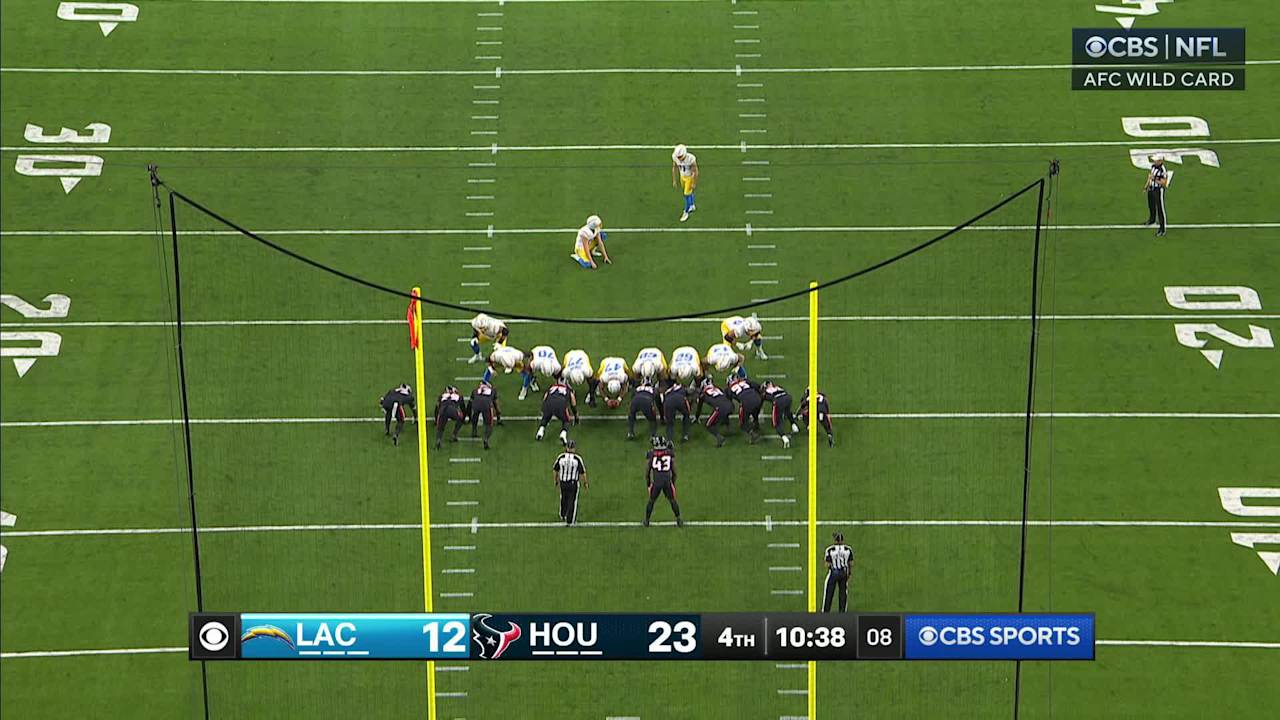
The Evolution of Scoring in Football: From PATs to Defensive Returns
The way teams score in football has seen a remarkable transformation over the years. Initially, scoring was a simpler affair, primarily revolving around touchdowns and field goals. The extra point, a PAT attempt, was an afterthought for many, a reliable way to add a single point. However, the advent of the two-point conversion in many leagues, where teams opt to run or pass for two points instead of kicking the single point, added a new layer of strategy. This move towards greater offensive risk and reward opened the door for further rule changes.
The most significant change, directly impacting whether you can return an extra point, came with the introduction of the defensive return for points. This rule, adopted by the NFL in 2015, fundamentally altered how teams approach extra point attempts.
Deciphering the Current Rules for Extra Point Returns
To answer definitively “Can you return an extra point?”, we need to look at the specific scenarios allowed by current football rules. The key is that the defense can only score if they gain possession of the ball during an extra point attempt and return it to the opponent’s end zone. This isn’t about intercepting a pass that’s already through the uprights; it’s about securing possession during the play and advancing it.
Here’s a breakdown of how it works:
- The Setup: After a touchdown, the scoring team has the option to attempt an extra point (PAT attempt) either by kicking the ball through the uprights or by attempting a two-point conversion from the 2-yard line (in the NFL and some other leagues).
- The Defensive Opportunity: If the defense intercepts a pass or recovers a fumble during an extra point or two-point conversion attempt, they can return the ball.
- The Scoring Action: If a defensive player successfully returns the recovered ball all the way to the opponent’s end zone, their team is awarded two points.
This means that an extra point isn’t just a potential point for the offense; it’s also a potential two-point swing for the defense. This addition has added immense drama and strategic consideration to what was once a predictable part of the game.
The NFL Rule Change: A Catalyst for Defensive Scoring
The NFL’s decision to allow defensive returns for points on extra point attempts was a game-changer. Before this rule, if the defense intercepted a pass or recovered a fumble during a PAT attempt, the play was dead, and no points were awarded. The change was intended to increase the excitement and strategic complexity of the game, making every play, even the seemingly routine extra point, a potential scoring opportunity for both teams.
This rule adoption had a ripple effect, influencing coaching decisions and adding a new dimension to defensive play. Teams now train specifically for these scenarios, knowing that a quick turnover and return could be critical in a close game.
Scenarios Where You Can Return an Extra Point
Let’s delve into the specific ways a defensive player can intercept or recover the ball during an extra point attempt and achieve a return for points:
1. Interception of a Two-Point Conversion Pass
This is perhaps the most common scenario for a defensive return. When a team opts for a two-point conversion, they are attempting to throw or run the ball into the end zone from a short distance.
- The Play: The offense lines up for a two-point conversion attempt. The quarterback throws a pass.
- The Defensive Response: A defensive player intercepts the pass.
- The Return: The intercepting player then runs with the ball towards the opponent’s end zone. If they reach the end zone, their team scores two points.
2. Fumble Recovery on a Two-Point Conversion Run
While less frequent, it’s also possible to recover a fumble during a two-point conversion run.
- The Play: The offense attempts a run for a two-point conversion. The ball carrier fumbles the ball before crossing the goal line.
- The Defensive Response: A defensive player recovers the fumble.
- The Return: The recovering player then advances the ball into the opponent’s end zone for two points.
3. Interception or Fumble Recovery on a Blocked PAT Kick
This is a more complex but entirely possible scenario. If the defense manages to block an extra point kick, the play doesn’t immediately end.
- The Play: The offense attempts an extra point kick. The defense successfully blocks the kick.
- The Outcome: The blocked kick bounces around.
- The Defensive Opportunity: If a defensive player gains possession of the blocked kick before it goes out of bounds and before the play is blown dead, they can attempt to advance it.
- The Return: If they can return the ball to the opponent’s end zone, their team scores two points.
It’s crucial to note that the defense cannot simply block the kick and have it sail through the uprights for their own points. They must gain possession and advance the ball.
What If the Defense Recovers the Ball and is Tackled?
If the defense recovers the ball during an extra point attempt but is tackled before reaching the opponent’s end zone, no points are scored. The play simply ends. The crucial element for the defense to score is the successful return to the end zone.
Strategic Implications of the Extra Point Return Rule
This rule has profound strategic implications for both offenses and defenses:
For the Offense:
- Increased Risk on Two-Point Conversions: Teams that opt for a two-point conversion now face the added risk of giving up two points if their play is turned over. This can influence whether a coach decides to kick the extra point or go for two, especially in situations where a single point might be sufficient.
- Protection of the Ball: Offensive players need to be extra vigilant about ball security during extra point attempts, particularly during runs or if a pass play breaks down.
- Offensive Strategy Adjustments: Offensive coordinators must consider the defensive capability of returning the ball. This might lead to simpler play calls or plays designed to avoid turnovers at all costs.
For the Defense:
- Scoring Opportunities: Extra point attempts are now legitimate scoring opportunities for the defense. This adds a new dimension to defensive preparation and execution.
- Aggressive Play: Defensive players may play with more aggression on extra point attempts, looking for opportunities to intercept or recover fumbles, knowing the potential reward.
- Special Teams Unit Training: Defensive players involved in special teams need to be trained for these specific return scenarios, practicing ball security and open-field running.
Historical Context and Notable Returns
While the rule is relatively new, there have been instances of defensive returns for points in the NFL, showcasing the impact of this rule. These plays, though rare, are often memorable because they occur at critical junctures of a game and can significantly alter the scoreline.
- The First Return: The first defensive return for points in the NFL occurred on September 13, 2015, when Baltimore Ravens safety Will Hill intercepted an extra point pass attempt by the Denver Broncos and returned it for two points.
- Impact on Close Games: Imagine a game tied in the final seconds. The winning team scores a touchdown. If they attempt a PAT and the defense returns it, they now trail by one point. This can be the difference between a win and a loss.
The existence of this rule means that a team might be leading by a single point after a touchdown and extra point kick, but if the opponent successfully returns a two-point conversion, the score could be flipped in the other team’s favor.
Comparing Extra Point Kick vs. Two-Point Conversion with Return Potential
Let’s look at a simple comparison of the scoring outcomes:
| Play Type | Offensive Success | Defensive Success (Return) | Offensive Failure (No Return) | Defensive Failure (No Return) |
|---|---|---|---|---|
| Extra Point Kick | +1 Point | 0 Points | 0 Points | 0 Points |
| Two-Point Conversion | +2 Points | +2 Points | 0 Points | 0 Points |
Crucially, from the defense’s perspective:
- On an extra point kick, if the defense gains possession and returns it, they score 2 points.
- On a two-point conversion attempt (pass or run), if the defense gains possession and returns it, they score 2 points.
This highlights the fact that regardless of whether it’s a standard PAT attempt or a two-point conversion attempt, the defense can score two points by returning possession to the opponent’s end zone.
Common Misconceptions About Extra Point Returns
There are a few common misunderstandings surrounding this rule:
- Can you return a blocked PAT for one point? No, a defensive return of any extra point attempt, whether it was a kick or a two-point conversion, always results in two points for the defense if successful.
- Can the defense score if the ball is blocked and goes through the uprights? No. The defense must gain possession of the ball and advance it. The ball going through the uprights is only relevant to the offense scoring one point on a kick attempt.
- Does the penalty for the defense matter? Yes, if the defense commits a penalty during the return that prevents them from scoring, they will not get the points. Conversely, if the offense commits a penalty that is declined by the defense after a successful return, the points stand.
The Kicking Game and Defensive Returns
The kicking game, specifically the extra point kick, is where the potential for defensive returns is perhaps most dramatic. A well-executed block by the defense, followed by a clean recovery and a sprint to the end zone, can be a game-changing play. This adds a layer of excitement to the kicking game that wasn’t there before. Teams with strong special teams units that excel at blocking kicks are now even more dangerous.
Safety on an Extra Point Attempt
Another rare but possible outcome is a safety. If the offense attempts an extra point or two-point conversion and the ball becomes dead in their own end zone due to their own actions (e.g., fumbling out of bounds in their own end zone), the defense would be awarded two points (a safety). However, this is exceedingly rare and more commonly associated with plays from scrimmage.
Analyzing Offensive Strategy vs. Defensive Execution
The decision to go for two points versus kicking an extra point is a complex one, now even more so with the defensive return possibility.
- When to Go for Two: Teams might opt for two points when trailing by a significant margin where two points are needed to cut the deficit, or in situations where a strong offensive play is likely to succeed, and they want to maximize their score. However, the risk of giving up two points to the defense must be weighed.
- When to Kick: Kicking the extra point remains the safer option for gaining a single point. It’s often the preferred choice when a one-point lead is sufficient, or when the team has a highly reliable kicker and wants to avoid the risk of a turnover.
The defensive execution on these plays is paramount. A well-drilled defense can capitalize on offensive mistakes and turn a potentially demoralizing extra point into a morale-boosting two points for their team.
The Future of Extra Point Scoring
The introduction of defensive returns for points has undoubtedly made football more dynamic. It’s a rule that has been met with general approval for adding excitement and strategic nuance. As coaches and players continue to adapt to this rule, we may see even more creative strategies emerge from both sides of the ball. The simple extra point kick has become a battleground for points, offering a unique opportunity for defensive players to make a significant impact beyond traditional defensive plays.
The continued evolution of football rules suggests that innovation is always on the table. While the current rule allows for defensive returns, the game is always subject to change based on how it impacts the sport. For now, however, the answer to “Can you return an extra point in football?” is a resounding yes, and it’s a play that fans should always watch closely.
Frequently Asked Questions (FAQ)
Q1: Can a defensive player score points by blocking an extra point kick and having it go through the uprights?
A1: No. For the defense to score, they must gain possession of the ball during the play and return it to the opponent’s end zone. The ball simply going through the uprights after a block does not count as points for the defense.
Q2: How many points does the defense get if they return an extra point attempt for a touchdown?
A2: The defense is awarded two points if they successfully return an extra point attempt (either a kick or a two-point conversion) to the opponent’s end zone.
Q3: Does the rule about returning extra points apply to college football?
A3: Rules can vary between different football leagues, including college football. In NCAA football, the rules regarding extra point attempts and defensive returns are similar to the NFL, allowing for defensive scoring on these plays. Always check the specific rulebook for the league you are following.
Q4: What happens if the defense intercepts a pass on an extra point attempt but fumbles it before reaching the end zone?
A4: If the defense intercepts a pass on an extra point attempt and then fumbles the ball, and the ball goes out of bounds or is recovered by the offense, no points are scored. The defense must maintain possession and advance the ball into the opponent’s end zone.
Q5: Is it more common to return an extra point kick or a two-point conversion attempt?
A5: It is generally more common for a defensive return to occur on a two-point conversion attempt that is a pass. This is because passes offer more opportunities for interceptions compared to the scenarios surrounding blocked kicks or fumble recoveries on running plays. However, all are possible.