
The question on many athletes’ minds, especially during the intense football season meniscus concerns, is whether playing with a torn meniscus is a viable option. The short answer is: it’s complicated, and generally not advisable without proper medical evaluation and rehabilitation. While some individuals with minor tears might tolerate play for a short period, attempting to continue football activities with a significant meniscus tear can lead to further damage, increased pain, and prolonged recovery.
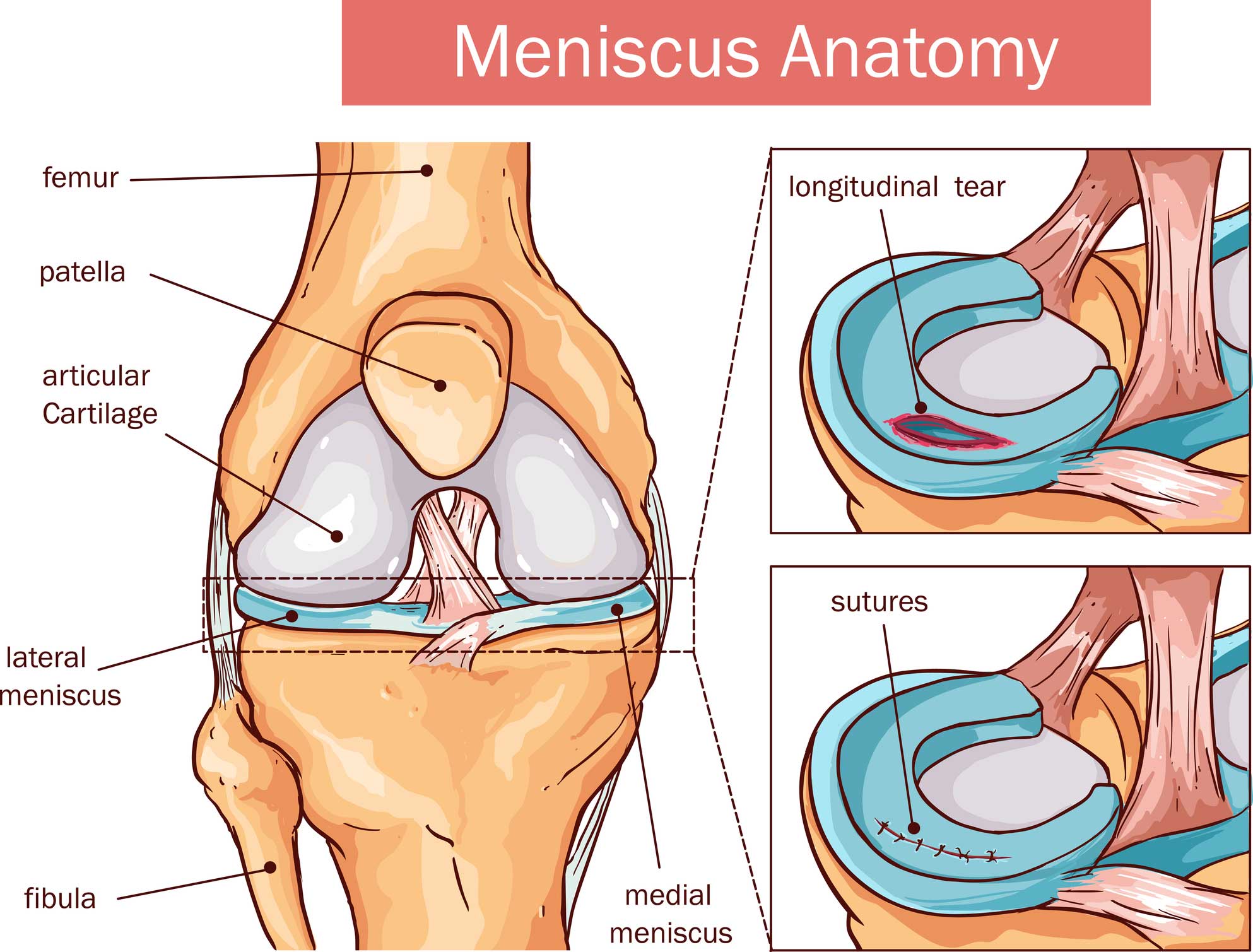
Image Source: healthnewshub.org
Deciphering Meniscus Tears
The meniscus is a C-shaped piece of tough cartilage that acts as a shock absorber between your shinbone and thighbone in the knee. There are two menisci in each knee: the medial meniscus on the inside of the knee and the lateral meniscus on the outside. These crucial structures help stabilize the knee and distribute weight evenly.
Common Causes of Meniscus Tears in Football
Football injuries frequently impact the knee, and meniscus tears are among the most common. These tears often occur due to:
- Sudden Twists or Pivots: Planting your foot and quickly changing direction while running or tackling is a classic mechanism for meniscus tears.
- Deep Squatting or Kneeling: While less common in game play, prolonged or forceful deep knee bending can stress the meniscus.
- Direct Impact: A blow to the knee, especially when the foot is planted, can cause a tear.
- Degenerative Tears: Over time, the meniscus can wear down, becoming more prone to tearing even with minor movements. This is more common in older athletes.
Recognizing the Signs: Meniscus Tear Symptoms
If you’ve experienced a knee injury during football, or if you’re experiencing ongoing discomfort, it’s vital to be aware of the tell-tale meniscus tear symptoms. These can vary depending on the location and severity of the tear, but commonly include:
- Pain: Often felt along the joint line, which can be sharp and sudden, or a dull ache that worsens with activity.
- Swelling: The knee may become swollen and stiff, usually appearing a few hours after the injury.
- Stiffness: Difficulty fully straightening or bending the knee.
- Clicking or Popping Sensation: You might hear or feel a popping sound at the time of injury, and a clicking or grinding sensation during knee movement.
- Locking: The knee may get stuck in a certain position, making it impossible to straighten or bend.
- Giving Way: A feeling of instability or buckling in the knee.
It’s important to note that knee pain football players experience can stem from various issues, including ligament sprains (like an ACL meniscus tear often occurs with), cartilage damage, or other soft tissue injuries. A proper diagnosis from a medical professional is essential.
The Risks of Playing Football with a Torn Meniscus
Playing through the pain of a torn meniscus is a gamble. While the desire to compete and contribute to the team is strong, the potential consequences can be severe and long-lasting.
Aggravating the Tear
When you play football, your knees undergo significant stress. Running, jumping, cutting, and absorbing impact all put pressure on the knee joint. If your meniscus is already torn, these forces can:
- Enlarge the Tear: A small tear can become larger, potentially affecting more of the meniscus.
- Cause Further Damage: Fragments of the torn meniscus can break off and float in the joint, potentially irritating the joint lining or even lodging between the bones, causing further pain and inflammation.
- Damage Other Knee Structures: An unstable knee due to a meniscus tear can also put excessive strain on ligaments, like the ACL, increasing the risk of an ACL meniscus tear or other ligamentous injuries.
Impact on Knee Rehabilitation
Attempting to play with a torn meniscus can significantly complicate your knee rehabilitation. The ongoing stress and potential for further injury can:
- Delay Healing: The knee needs time and proper conditions to heal. Playing through a tear prevents this natural healing process.
- Increase Inflammation: Continued activity will likely keep the knee inflamed, making it harder for tissues to recover.
- Lead to Chronic Pain: If not properly managed, a meniscus tear can develop into chronic knee pain that persists long after the initial injury.
Compromising Long-Term Knee Health
The meniscus plays a vital role in protecting the articular cartilage that covers the ends of your bones. A damaged meniscus means less shock absorption, which can lead to increased wear and tear on this cartilage. Over time, this can accelerate the development of osteoarthritis in the knee.
When Can You Return to Play After a Meniscus Tear?
The return to play meniscus decision is a critical one, guided by medical professionals and a thorough assessment of the individual’s recovery. There’s no one-size-fits-all timeline, as it depends on several factors:
Factors Influencing Return to Play
- Type and Severity of the Tear: Different types of meniscus tears have different healing potentials and can affect return-to-play timelines differently.
- Treatment Received: Whether the tear was managed non-surgically or surgically plays a significant role.
- Success of Knee Rehabilitation: The athlete’s progress in regaining strength, flexibility, and stability is paramount.
- Absence of Pain and Swelling: The knee should be pain-free and without significant swelling during daily activities and basic athletic movements.
- Restoration of Full Range of Motion: The ability to fully bend and straighten the knee without pain or restriction.
- Strength and Power: Quadriceps, hamstring, and calf muscle strength should be comparable to the uninjured leg.
- Functional Movement: The ability to perform sport-specific movements like cutting, jumping, and landing without pain or instability.
The Role of Sports Medicine in Recovery
Sports medicine meniscus specialists are key in guiding an athlete’s recovery. They utilize advanced diagnostic tools and evidence-based treatment protocols to ensure a safe and effective athletic recovery. This often involves a multidisciplinary approach with physical therapists, athletic trainers, and physicians working together.
Navigating Meniscus Surgery Recovery
For many football players with significant meniscus tears, surgery is often the recommended course of action. The goal of surgery is typically to repair the torn meniscus or remove the damaged portion (meniscectomy).
Types of Meniscus Surgery
- Meniscus Repair: This procedure involves stitching or suturing the torn meniscus back together. It is typically performed on tears located in the “red zone” of the meniscus, which has a better blood supply and a higher chance of healing. Recovery can be longer as the meniscus needs time to heal.
- Partial Meniscectomy: This involves removing only the damaged part of the meniscus. This is usually for tears that cannot be repaired or are located in areas with poor blood supply. Recovery is generally quicker than with a repair, but there can be a slightly higher risk of osteoarthritis development later in life due to the removal of healthy meniscus tissue.
- Meniscus Allograft Transplantation: In cases of significant meniscus tissue loss, a donor meniscus can be transplanted. This is a more complex procedure with a longer recovery.
The Post-Surgery Journey: Meniscus Surgery Recovery
The meniscus surgery recovery process is rigorous and requires patience and dedication. It typically involves several phases:
-
Immediate Post-Op (Weeks 1-4):
- Protection of the repaired meniscus.
- Pain and swelling management (RICE protocol: Rest, Ice, Compression, Elevation).
- Use of crutches and possibly a brace.
- Gentle range of motion exercises to prevent stiffness.
- Activation of quadriceps muscles.
-
Early Rehabilitation (Weeks 4-12):
- Gradual increase in range of motion.
- Introduction of strengthening exercises for the quadriceps, hamstrings, glutes, and calf muscles.
- Low-impact aerobic exercises (cycling, swimming).
- Focus on improving proprioception (the sense of where your body is in space).
-
Late Rehabilitation (Months 3-6+):
- Progressing to more challenging strengthening exercises, including plyometrics (jumping exercises).
- Agility drills and sport-specific movements.
- Gradual return to light jogging and eventually running.
- Continued focus on balance and neuromuscular control.
Realistic Timelines for Return to Play After Surgery
- Partial Meniscectomy: Athletes can typically expect to return to play anywhere from 4 to 8 weeks post-surgery, depending on the extent of the removal and their individual rehabilitation progress.
- Meniscus Repair: Recovery is significantly longer, often ranging from 4 to 6 months, as the repaired meniscus needs time to heal and revascularize. Some surgeons may even recommend longer periods to ensure complete healing.
It is crucial to adhere strictly to the guidance of your medical team throughout the knee rehabilitation process. Pushing too hard too soon can lead to re-injury and setback your athletic recovery.
Can You Play Football with an ACL Meniscus Tear?
An ACL meniscus tear is a particularly serious combination of injuries. The ACL (anterior cruciate ligament) is a primary stabilizer of the knee, and a tear of this ligament often occurs simultaneously with a meniscus tear.
The Interplay of ACL and Meniscus Injuries
- Mechanism of Injury: Many ACL tears occur with a forceful twisting motion of the knee, which is also a common cause of meniscus tears. It’s common for the meniscus to be caught and torn during the same event that tears the ACL.
- Instability: An ACL tear leads to significant knee instability. Playing football with an unstable knee, even if the meniscus is managed, is extremely dangerous and significantly increases the risk of further damage to the remaining meniscus, cartilage, and even the other knee.
- Treatment Approach: In cases of an ACL meniscus tear, surgery is almost always recommended. This often involves ACL reconstruction, and depending on the nature of the meniscus tear, it may be repaired or debrided during the same surgical session.
The Long Road Back from ACL and Meniscus Injuries
The return to play meniscus after an ACL reconstruction, especially when combined with a meniscus repair, is a lengthy process. The rehabilitation protocol is extensive and typically spans 9 to 12 months, and sometimes longer, before an athlete can safely return to the high-impact demands of football. This extended timeline is necessary to allow for the healing of both the ACL graft and the repaired meniscus, and to rebuild the strength, stability, and neuromuscular control of the entire knee joint.
Preventing Future Football Injuries
While it’s impossible to eliminate all risks, adopting a proactive approach to injury prevention can significantly reduce the likelihood of meniscus tears and other football injuries.
Key Prevention Strategies
- Proper Warm-up and Cool-down: Always dedicate time to dynamic stretching before practice and games, and static stretching afterward.
- Strength and Conditioning: A comprehensive program that strengthens the muscles surrounding the knee (quadriceps, hamstrings, glutes, calves) is essential. Stronger muscles provide better support and stability to the knee joint.
- Balance and Proprioception Training: Exercises that challenge your balance and body awareness can improve your ability to react to sudden movements and prevent awkward landings, reducing the risk of tears.
- Appropriate Footwear: Wear cleats or shoes that provide good traction for the playing surface but also allow for controlled pivots.
- Proper Technique: Emphasize correct tackling, landing, and cutting techniques to minimize stress on the knee.
- Listen to Your Body: Don’t ignore early signs of pain or discomfort. Address minor issues before they become major problems.
Frequently Asked Questions (FAQ)
Q1: Can I play football with a mild meniscus tear?
While some very minor, degenerative tears might allow for limited activity with minimal pain, it is generally not recommended to play football with any suspected meniscus tear. Playing can worsen the tear, lead to further knee damage, and complicate future treatment and recovery. Always consult a sports medicine professional for diagnosis and advice.
Q2: How long is the recovery after meniscus surgery for football players?
The recovery time varies significantly based on the type of surgery. A partial meniscectomy might allow a return to play in 4-8 weeks, while a meniscus repair can take 4-6 months or longer. If an ACL reconstruction is also performed, the return-to-play timeline can extend to 9-12 months or more.
Q3: What are the long-term effects of playing football with a torn meniscus?
Playing with a torn meniscus can lead to increased pain, chronic instability, further damage to the meniscus and other knee structures (like cartilage), and an increased risk of developing osteoarthritis later in life.
Q4: What exercises are important for knee rehabilitation after a meniscus injury?
Key exercises include quadriceps strengthening (e.g., straight leg raises, quad sets, terminal knee extensions), hamstring strengthening (e.g., hamstring curls), calf raises, glute strengthening (e.g., bridges, clamshells), balance exercises (e.g., single-leg stance), and eventually plyometric and agility drills as recovery progresses.
Q5: Is it possible to tear your meniscus without a specific injury event?
Yes, degenerative meniscus tears can occur over time due to wear and tear, without a distinct traumatic event. These tears are more common in older individuals and can manifest with less dramatic symptoms, sometimes presenting as gradual onset of pain and stiffness.
Q6: What is the difference between a meniscus tear and an ACL tear?
The meniscus is cartilage that acts as a shock absorber, while the ACL is a ligament that stabilizes the knee. Both are crucial for knee function, and they can be injured independently or together. An ACL tear often leads to significant instability, whereas a meniscus tear primarily causes pain, swelling, and mechanical symptoms like locking.
By prioritizing proper diagnosis, adhering to recommended knee rehabilitation, and making informed decisions about return to play meniscus protocols, football players can significantly improve their chances of a full and successful athletic recovery and protect their long-term knee health.