
A high school football field is 100 yards long between the goal lines, with two 10-yard end zones. The playing area is 53 1/3 yards wide, and goalposts are typically 10 feet high.
For any fan, player, or aspiring coach, knowing the precise measurements of a high school football field is fundamental. It’s the canvas upon which countless thrilling games are played, strategies are executed, and memories are made. So, how big is a high school football field? Let’s dive deep into the dimensions that define the game.
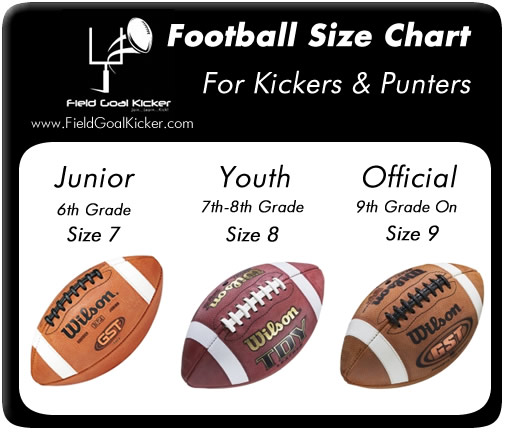
Image Source: www.fieldgoalkicker.com
The Playing Field: More Than Just Grass
The heart of any football game lies within the boundaries of the playing field. These dimensions aren’t arbitrary; they are carefully set to ensure fair play and a consistent challenge for all involved.
High School Football Field Dimensions: The Core Measurements
The size of a regulation football field for high school play follows standards set by governing bodies. These dimensions dictate everything from offensive drives to defensive formations.
- Length: The total length from one goal line to the other is 100 yards. This is the primary stretch where teams aim to advance the ball.
- Width: The width of the playing area is 53 1/3 yards (or 160 feet). This provides ample space for movement and strategic positioning.
These core measurements create the playing area football teams compete within. Beyond this central rectangle, the field extends further to accommodate the end zones.
The End Zones: The Scoring Territory
The end zones are critical areas where points are scored. Their size is also standardized to maintain consistency in the game.
- End Zone Dimensions: Each end zone is 10 yards deep. This means that from the goal line to the back of the end zone, there are 10 yards to cover.
When you combine the 100 yards of the main field with the two 10-yard end zones, the total length from the back of one end zone to the back of the other is 120 yards. However, the length of a football field is typically referred to as the 100 yards between the goal lines.
Field Markings: Guiding the Game
The distinctive lines and numbers on a football field are not just for decoration. They serve vital purposes in tracking progress, identifying penalties, and managing the game’s flow.
Yard Lines: Measuring Progress
The yard lines football fields feature are essential for keeping track of distances.
- Markings: Yard lines are marked every 5 yards, with the numbers indicating the distance from the nearest goal line. So, you’ll see lines labeled 10, 20, 30, 40, and 50 yards (midfield).
- Hash Marks: These shorter lines are placed within the playing area and are crucial for ball placement. They are set at intervals to ensure the ball is centered or slightly off-center for plays. The hash marks are typically placed 70 feet, 9 inches from the sidelines.
Other Football Field Markings: Defining the Boundaries
Beyond the yard lines and hash marks, other markings contribute to the complete picture of the field.
- Sidelines: These are the lines that run along the length of the field, defining its width of a football field.
- Goal Lines: These lines mark the beginning of each end zone. Crossing the goal line with possession of the ball is how a touchdown is scored.
- Inbounds Lines (Hash Marks): As mentioned, these shorter lines dictate where the ball is spotted for each new play.
Goalposts: The Ultimate Target
The goalposts are the structures at the back of each end zone that players aim to kick the ball through for extra points and field goals.
- Goalpost Height Football: The uprights of the goalposts are typically 10 feet high.
- Width of Goalposts: The crossbar is 18 feet, 6 inches wide. The uprights are usually 23 feet, 4 inches apart, measured from the inside edges.
A Visualizing the Dimensions
To truly grasp the size, let’s put the high school football field dimensions into perspective.
Table of Key Dimensions
| Feature | Measurement |
|---|---|
| Length (Goal Line to Goal Line) | 100 yards |
| Width | 53 1/3 yards |
| End Zone Depth | 10 yards (each) |
| Total Length (Back of End Zone to Back of End Zone) | 120 yards |
| Goalpost Height | 10 feet |
| Goalpost Width (Crossbar) | 18 feet, 6 inches |
Comparing to Familiar Objects
To make the size more relatable, consider these comparisons:
- Length: 100 yards is the length of a standard American football field. It’s roughly the length of three school buses parked end-to-end.
- Width: 53 1/3 yards is wide enough to fit several lanes of traffic side-by-side.
- Area: The total playing area football teams cover, including the end zones, is 120 yards by 53 1/3 yards, which is a considerable space.
Beyond the Playing Field: The “Penalty Box” and Other Areas
While the term “penalty box” is more commonly associated with sports like hockey or ice skating, in American football, penalties result in yardage deductions or other consequences, not a physical confinement. However, there are areas on or near the field that might be informally referred to in a way that relates to penalties or game management.
Where Penalties Manifest: Yardage Deductions
When a penalty occurs, it directly impacts the playing area football teams operate within for the subsequent play.
- Yardage Penalties: Penalties like holding, pass interference, or offsides result in a specific number of yards being added to the opponent’s starting position. For example, a 15-yard penalty for unsportsmanlike conduct means the ball is moved 15 yards closer to the offending team’s goal line.
- Spot Fouls: Some penalties, like pass interference, are “spot fouls,” meaning the ball is placed directly at the spot of the foul.
There isn’t a designated “penalty box” on the field in the same way as other sports. Instead, penalties are marked by moving the ball according to the rules.
The Coaching Box and Sideline Area
Around the main playing field, there are designated areas for coaches and team personnel.
- Coaching Box: This is a rectangular area marked on the sideline, typically extending from the 20-yard line to the opponent’s 20-yard line. Coaches must stay within this area during the game.
- Sideline Personnel: Players not on the field, trainers, and other support staff occupy the area behind the coaching box.
These areas are crucial for the team’s operations but are not part of the official playing area football is conducted on.
The Importance of Standardized Dimensions
Why are these dimensions so important? Standardization ensures a level playing field for all high school football programs.
Fairness and Consistency
- Equal Opportunity: Every team plays on a field of the same size, meaning no team has an inherent advantage due to a larger or smaller playing surface.
- Strategic Planning: Coaches can develop strategies knowing the exact distances for offensive drives, defensive coverage, and kicking plays. The yard lines football uses are critical for play-calling.
Skill Development
- Practice Efficiency: Players can practice specific skills, like kicking field goals or executing long passes, with consistent reference points provided by the field’s layout. The accurate high school football field dimensions are vital for training.
- Game Situations: Understanding how to manage the clock and yardage, especially in the red zone (the area between the opponent’s 20-yard line and their goal line), is a key skill that relies on the precise markings on the field.
A Closer Look at the Field Components
Let’s break down some of the elements that make up the overall field.
The Turf: Natural vs. Artificial
High school football fields can feature either natural grass or artificial turf. Both have their pros and cons, but the dimensions remain the same regardless of the surface.
- Natural Grass: Requires meticulous maintenance, including mowing, fertilizing, and aeration, to remain playable.
- Artificial Turf: Offers consistent playability in various weather conditions and requires less intensive maintenance.
The Boundary Lines: The Ultimate Determinants
The sidelines and end lines are non-negotiable boundaries.
- Sidelines: These lines define the width of a football field. If a player with possession of the ball steps on or outside a sideline, they are considered out of bounds.
- End Lines: These lines mark the end of the playing field and the beginning of the end zone. If a player crosses the end line with the ball, it’s a touchback.
Frequently Asked Questions About High School Football Fields
Q1: How long is a high school football field from end zone to end zone?
A high school football field is 120 yards long from the back of one end zone to the back of the other end zone. The actual playing field, between the goal lines, is 100 yards.
Q2: What are the dimensions of the end zones?
Each end zone is 10 yards deep.
Q3: How wide is a high school football field?
The width of a football field is 53 1/3 yards (or 160 feet).
Q4: What is the height of the goalposts?
The goalposts are 10 feet high.
Q5: How far apart are the yard lines on a football field?
The yard lines football fields feature are marked every 5 yards, with numbers indicating the distance from the nearest goal line.
Q6: Are there penalty boxes on a football field?
No, there are no physical “penalty boxes” on a football field. Penalties result in yardage being added or subtracted from a team’s position on the field.
Q7: What is the total area of a high school football field, including end zones?
The total area of the field, including both end zones, is 120 yards by 53 1/3 yards.
Q8: How are hash marks positioned on the field?
Hash marks are typically placed 70 feet, 9 inches from the sidelines, dividing the field into thirds lengthwise. The ball is spotted on the hash marks for most plays.
Q9: Does the size of a high school football field differ from a college or professional field?
The dimensions of a high school football field are the same as college and professional fields, adhering to a standard size for the sport. The primary differences might be in the quality of the turf, stadium amenities, and the presence of specific markings like the 2-yard line for extra point kicks in some leagues.
Q10: What does the 50-yard line signify?
The 50-yard line is the center of the field, exactly halfway between the two goal lines. It’s often used as a reference point for many plays and statistics.
Conclusion: The Foundation of the Game
The size of a regulation football field is a foundational element of the sport. From the precise high school football field dimensions that dictate movement and strategy, to the detailed football field markings that guide every play, these measurements are integral to the integrity and excitement of the game. Whether you’re a seasoned veteran or a newcomer to the sport, appreciating the specifics of the field helps in fully engaging with the action on the gridiron. The 100 yards of turf, the 10-yard end zones, and the guiding lines all combine to create the iconic stage for America’s favorite sport.