
Yes, Army and Navy football players can go pro, but their path is significantly different and more complex than that of players from civilian universities due to their mandatory service commitment.
The dream of playing professional football, specifically in leagues like the National Football League (NFL), is a common aspiration for many talented young athletes. For those who choose to attend prestigious military academies like West Point (Army) or Annapolis (Navy), the pursuit of this dream encounters a unique set of challenges and considerations. While the allure of the NFL might seem distant given the rigorous demands of military service, the reality is that military academy athletes have indeed transitioned to professional football careers. However, it’s not a straightforward journey.
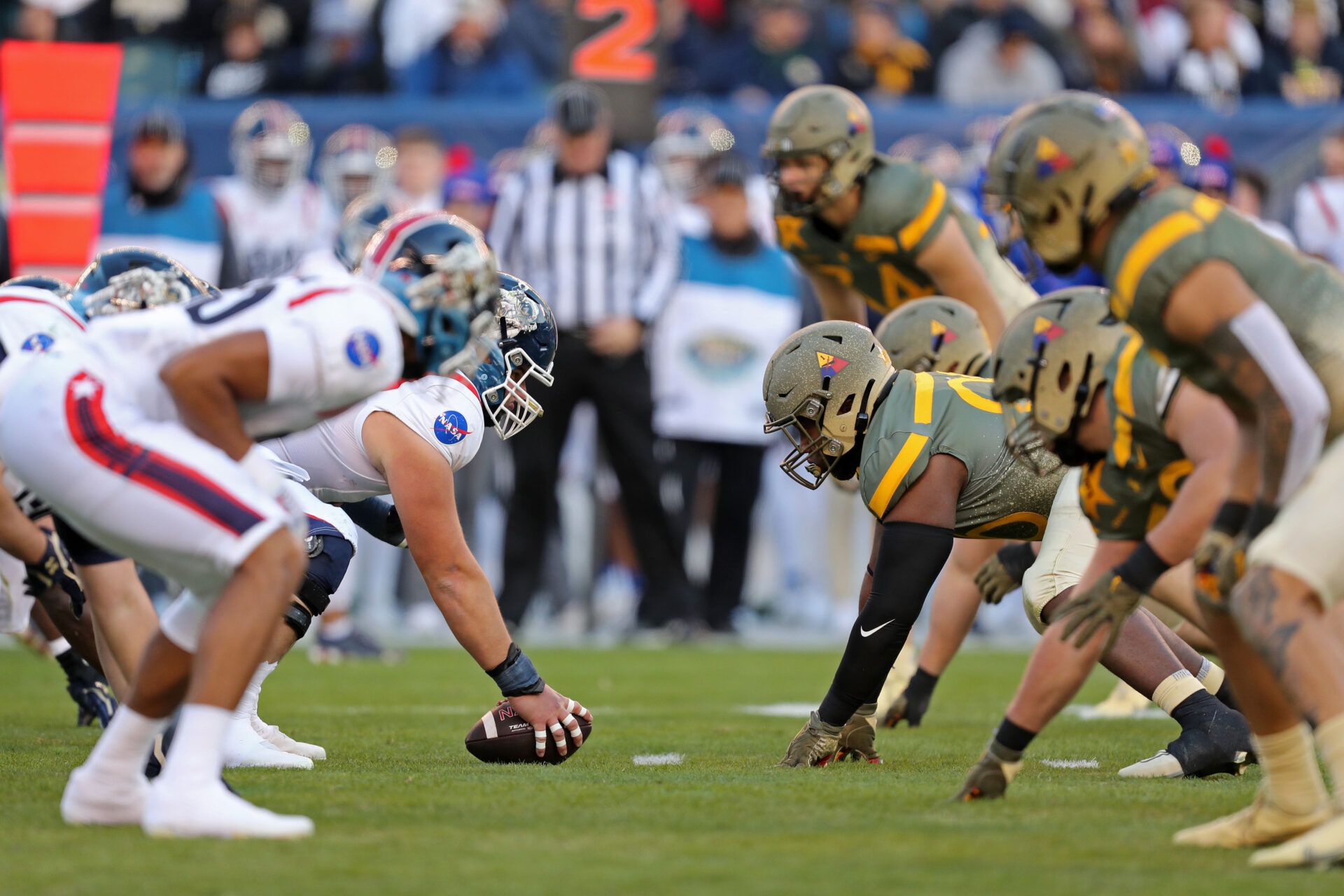
Image Source: statico.profootballnetwork.com
The Military Academy Athlete’s Journey
Attending a military academy is a significant commitment. Players are not just students and athletes; they are cadets or midshipmen being trained for leadership roles in the U.S. Army or Navy. This training inherently includes a service commitment after graduation, typically five years of active duty. This commitment often dictates the timeline and feasibility of pursuing professional football.
NCAA Eligibility and the Path to the Pros
The initial step for any aspiring professional football player is to excel in college football, which for Army and Navy players means navigating NCAA eligibility rules. Like any other NCAA Division I program, the Black Knights and the Midshipmen must adhere to academic standards and athletic participation requirements.
- Academic Rigor: Military academies are known for their demanding academic programs. Athletes must maintain strong grades to remain eligible for both their military training and their sport.
- Athletic Competition: Army and Navy compete in NCAA Division I FBS (Football Bowl Subdivision), facing some of the top collegiate programs in the country. This level of competition provides a platform for players to showcase their talents to NFL scouting departments.
- Service Academy Bowl: Often, the season culminates with the annual Army-Navy Game, a historic rivalry that garners significant national attention. Post-season bowl appearances are also possible, offering further exposure.
The Service Commitment: A Major Hurdle
The most significant factor differentiating military academy athletes from their civilian counterparts is the mandatory service commitment. Upon graduation, cadets and midshipmen are commissioned as officers and are obligated to serve their country. This creates a unique situation when considering professional football careers.
Deferment Possibilities
Historically, talented athletes from Army and Navy who were drafted into the NFL or signed as free agents could apply for a deferment of their active duty service. This deferment allowed them to pursue their professional football careers for a period, typically the duration of an NFL season, with the understanding that their service obligation would be fulfilled later.
- Conditional Approval: Deferments were not guaranteed. They were subject to approval from the respective branches of the military and were often granted based on the player’s potential impact and the specific needs of the service.
- Service After Football: Even with a deferment, the service commitment remains. Players who played professionally would still have to fulfill their active duty obligations, which could mean putting their football careers on hold or ending them entirely to serve.
NFL Scouting and Opportunities
NFL scouting departments pay close attention to talent across all NCAA programs, including the service academies. While the pool of players drafted from Army and Navy might be smaller compared to traditional football powerhouses, scouts do evaluate these athletes.
Key Considerations for Scouts
- Physical Attributes: Scouts look for size, speed, strength, and agility – the fundamental physical tools needed for the NFL.
- Football IQ and Technique: Beyond physical traits, scouts assess a player’s understanding of the game, their technique, and their ability to execute plays.
- Leadership and Character: Military academy athletes often possess exceptional leadership qualities and strong character, which are highly valued in the NFL.
- Service Commitment: This is the elephant in the room. Scouts and NFL teams are aware of the service commitment and factor it into their draft evaluations and contract negotiations. The uncertainty surrounding deferments and the eventual fulfillment of service can influence a team’s decision to draft a player.
Success Stories: Paving the Way
Several players have successfully navigated the path from military academies to professional football careers. These individuals serve as inspiration and demonstrate that the dream is achievable, albeit with significant planning and, often, a bit of luck with service deferments.
Notable Examples:
- Chad Hennings (Air Force): While not Army or Navy, Hennings is a prime example of a service academy athlete who excelled in the NFL. Hennings played defensive end for the Dallas Cowboys for nine seasons, winning three Super Bowls. He fulfilled his service commitment with the Air Force, serving as a pilot before beginning his NFL career. His situation highlights that pathways exist, even if they involve different branches of military service.
- Napoleon McCallum (Navy): McCallum was a standout running back for Navy who was drafted by the Los Angeles Raiders in 1986. He received a deferment to play professionally and had a notable career in the NFL, despite a career-ending injury. His story is a crucial point of reference for understanding the potential, as well as the risks, involved.
The Reality of Civilian Leagues and Other Opportunities
While the NFL is the ultimate goal for many, civilian leagues and other professional football opportunities also exist. For players whose service commitment prevents them from entering the NFL immediately or at all, these leagues can offer a chance to continue playing.
- Arena Football: Leagues like the Arena Football League (AFL) have historically provided opportunities for athletes who may not have the size or specific skill set for the NFL but possess talent and drive.
- Canadian Football League (CFL): The CFL, with its different rules and larger field, is another option for professional players.
Branch-Specific Considerations: Army, Navy, and Beyond
While the core principles of the service commitment apply to all military branches, there can be subtle differences in how deferments are handled or the emphasis placed on specific sports within different academies.
- Army Football: Players at West Point also face the same stringent academic and military training requirements. Their path to professional football mirrors that of their Navy counterparts, with the service commitment being the primary factor.
- Navy Football: As highlighted with Napoleon McCallum, Navy has had notable NFL success. The academy’s athletic department has a history of producing players who have pursued professional careers.
- Marine Corps Football: While the Marine Corps does not operate a football program at the collegiate NCAA Division I level like Army or Navy, Marines are part of the broader U.S. military. Those who played football at civilian institutions before enlisting or commissioning would still have their service obligations to consider.
- Air Force Football: As seen with Chad Hennings, the Air Force Academy also produces athletes capable of playing professionally, demonstrating the opportunities available across different service branches.
- Coast Guard Football: The U.S. Coast Guard Academy does not currently field a Division I football team. However, any individual who played football at a civilian institution and later joined the Coast Guard would be subject to their service commitments.
Deciphering the Path: What It Takes
The journey from a service academy to the professional ranks is not just about athletic talent; it requires a unique blend of dedication, strategic planning, and an understanding of military regulations.
Key Factors for Success:
- Exceptional Talent: Players must possess NFL-caliber talent. This means standing out statistically and physically against top competition.
- Strong Academic Performance: Maintaining academic eligibility is paramount.
- Excellent Character and Leadership: These are inherent qualities of military academy athletes, often appreciated by pro teams.
- Cooperative Military Leadership: Securing a service deferment is crucial, and this relies on the willingness of military leadership to grant it.
- NFL Interest: A team must be willing to draft or sign the player, knowing the complexities of their service commitment.
The Financial Aspect: Contracts and Service Pay
For players who do make it to the NFL, they face a dual career path. They earn NFL salaries but are also commissioned officers.
- NFL Contracts: NFL contracts can be lucrative, offering financial security. However, these contracts are contingent on fulfilling football obligations and, importantly, any service deferment stipulations.
- Military Pay: While on deferment, players may receive a stipend or base pay associated with their officer rank. This military pay is separate from their NFL salary.
- Post-NFL Service: Once the NFL career concludes, or if the deferment ends, the service obligation must be met. This could involve active duty, reserve duty, or other assignments as determined by the military branch.
Fathoming the Future: Trends and Outlook
The landscape of athletes from service academies pursuing professional careers is always evolving. Several factors can influence this trend:
- Increased Focus on Professional Development: As professional sports become more structured and lucrative, the appeal of playing professionally before fulfilling service obligations grows.
- Military Policy Changes: Shifts in military policy regarding deferments or the prioritization of personnel can impact the availability of these opportunities.
- Scouting Adaptability: NFL scouting departments continue to adapt and identify talent from all collegiate programs, including service academies.
Challenges and Considerations for Current Athletes
- The “What If” Factor: Athletes must weigh the potential rewards of a professional football career against the certainty of a military career. The risk of injury in professional sports could end an NFL dream and still leave them with their service commitment.
- Strategic Career Planning: Prospective professional athletes from Army and Navy often need to consult with military advisors and potential NFL teams to strategize the best approach to managing their dual paths.
Comparing Pathways: Civilian vs. Military Academies
| Feature | Civilian University Athlete | Military Academy Athlete |
|---|---|---|
| Primary Goal | Professional Football Career | Military Service & Leadership, then potentially Pro Football |
| Time Commitment | Primarily focused on football and academics | Military Training, Academics, and Football |
| Post-Graduation | Free to pursue professional sports directly | Mandatory Service Commitment |
| Service Deferments | Not applicable | Possible, but not guaranteed |
| NFL Scouting Focus | Talent evaluation, potential for immediate pro impact | Talent evaluation, service commitment as a major factor |
| Career Trajectory | Direct to NFL draft or free agency | Often requires navigating service deferments and obligations |
Frequently Asked Questions (FAQ)
Q1: Can a player from Army or Navy get drafted into the NFL?
Yes, players from Army and Navy can absolutely be drafted into the NFL if they possess the required talent and meet NFL draft eligibility standards.
Q2: What happens to their service commitment if they are drafted?
If drafted, players typically apply for a deferment of their active duty service commitment. This deferment allows them to pursue their professional football career for a specified period, usually one season, with the understanding that their service will be fulfilled later.
Q3: Is the service deferment guaranteed?
No, a service deferment is not guaranteed. It is subject to approval by the respective military branch and depends on various factors, including the player’s potential and the needs of the service.
Q4: Do Army and Navy players still serve if they play pro football?
Yes, the service commitment remains. Even if granted a deferment to play professionally, athletes are still obligated to serve their country after their football careers conclude or their deferment expires.
Q5: Are there opportunities in other professional football leagues for these athletes?
Yes, besides the NFL, players may explore opportunities in other civilian leagues such as the Canadian Football League (CFL) or the Arena Football League (AFL), depending on their skills and service commitment timelines.
Q6: Has anyone from Army or Navy played in the NFL?
Yes, there have been several players from service academies who have played in the NFL, with notable examples like Napoleon McCallum (Navy) and Chad Hennings (Air Force) paving the way.
Q7: What makes the path for Army and Navy players different from other college athletes?
The primary difference is the mandatory service commitment upon graduation. This commitment significantly impacts the timing and feasibility of pursuing a professional football career compared to athletes from civilian universities.
Q8: Does NFL scouting treat players from service academies differently?
While scouts evaluate talent objectively, the service commitment is a significant factor considered during the NFL scouting process. It influences draft evaluations and contract discussions due to the complexities involved.
The dream of playing professional football is a powerful motivator, and for those who choose to serve at institutions like Army and Navy, it remains a possibility. It requires immense talent, unwavering dedication, and a unique navigation of military obligations. While the path is less direct and fraught with more significant hurdles than that of their civilian counterparts, the success stories of those who have made it to the professional ranks serve as a testament to the fact that it can be done. The dedication, discipline, and leadership forged at these military academies are qualities that not only serve them well in the military but also make them compelling prospects for teams in the demanding world of professional football.