
So, how much does an NFL football weigh? An official NFL football must weigh between 14 and 15 ounces. This specific weight is part of a broader set of regulations designed to ensure fairness and consistency in the game of American football.
The weight of an NFL football is a crucial detail, meticulously defined by the National Football League’s official rules. This isn’t just a random number; it’s a carefully chosen specification that impacts how the ball travels through the air, how it feels in a player’s hands, and ultimately, the strategies employed on the field. From the satisfying heft in a quarterback’s grip to the aerodynamic properties that dictate its flight path, every ounce is important.
This exploration will dive deep into the official NFL football weight, the standards that govern it, and why these dimensions are so vital to the sport we love. We’ll also touch upon related aspects like the size and feel of the ball, helping you grasp the full picture of this iconic piece of sporting equipment.
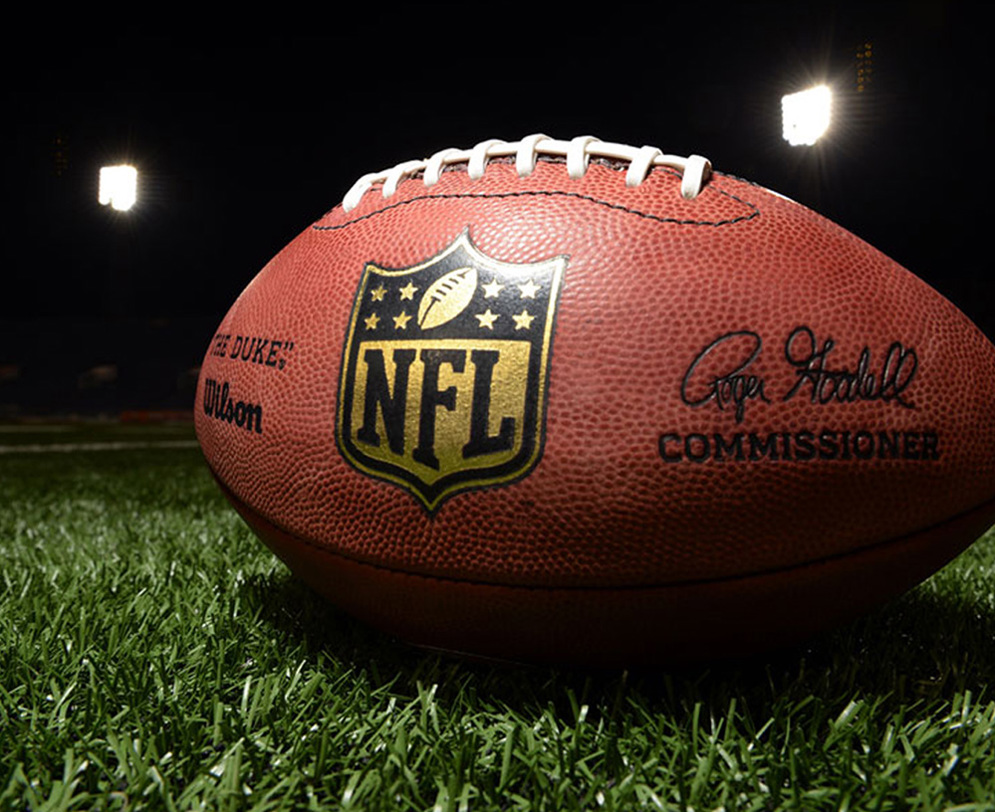
Image Source: operations.nfl.com
The Core Specifications: NFL Ball Weight
The National Football League has very clear guidelines for the equipment used in its games, and the football is no exception. The precise NFL football weight is a cornerstone of these regulations.
Regulation NFL Ball Weight: The Official Numbers
According to the NFL’s official rulebook, the weight of a regulation football is set within a narrow range.
- Minimum Weight: 14 ounces
- Maximum Weight: 15 ounces
This means that every ball used in an official NFL game must fall within this 1-ounce window. This uniformity is critical for a fair competition. Imagine if one team had balls that were noticeably lighter or heavier; it would significantly affect passing, kicking, and handling.
Why the Specific Weight Range?
The reason for this precise NFL pigskin weight range is multifaceted:
- Handling and Grip: A football that is too light might be harder for quarterbacks to grip securely, especially in adverse weather conditions. Conversely, a ball that is too heavy could lead to fumbles and make it more difficult to throw with velocity and accuracy. The 14-15 ounce range strikes a balance that allows for good control.
- Aerodynamics and Flight: The weight, along with the shape and inflation pressure, dictates how the ball flies. A consistent weight ensures that the ball travels predictably through the air, allowing receivers to track it and quarterbacks to aim with confidence. It influences the ball’s ability to cut through the wind or maintain a stable trajectory.
- Kicking Performance: For kickers, the ball’s weight is paramount. A slight variation in weight could alter the trajectory and distance of a punt or field goal. The specified weight range ensures that kickers can perform at their best without the added variable of an unusually heavy or light ball.
- Player Safety: While not the primary driver, a consistent weight contributes to the overall predictability of the game, which indirectly relates to player safety. Knowing how a ball will behave reduces unexpected impacts.
Deciphering NFL Football Dimensions: Beyond Just Weight
While the NFL football weight is a key metric, it’s part of a larger set of standard NFL football dimensions. These dimensions work in concert with the weight to define the ball’s characteristics.
Size Matters: Football Size and Weight
The size of an NFL football refers to its circumference and length. These measurements, along with the weight, define the iconic shape and feel of the pigskin.
- Long Circumference: The circumference around the ends of the ball, from tip to tip, must be between 27.75 and 28.5 inches.
- Short Circumference: The circumference around the middle of the ball, where the laces are, must be between 20.75 and 21.25 inches.
- Length: The length from the tip of one end to the tip of the other must be between 11 and 11.25 inches.
These dimensions contribute to the ball’s oval shape, which is crucial for spiraling passes and providing a good surface for players to grip with their fingertips. The weight is distributed within this form, and the interplay between size and weight is what gives the ball its unique flight and handling properties.
Inflation Pressure: The Unseen Factor
Beyond the physical dimensions and NFL ball weight pounds, the air pressure inside the football also plays a significant role.
- Inflation Pressure: The ball must be inflated to a pressure between 12.5 and 13.5 pounds per square inch (psi).
This pressure affects the ball’s firmness and how it bounces. It’s another variable that is standardized to ensure consistency across all games and among all teams. A ball inflated too low will feel soft and mushy, impacting grip and flight. A ball inflated too high will be overly firm, potentially making it harder to catch and less forgiving on contact.
How Much Does a Pro Football Weigh? The Professional Perspective
When we ask, “how much does a pro football weigh?“, we’re essentially asking about the same specifications as a regulation NFL ball, as professional players in the NFL use these exact specifications. The term “pro football” is synonymous with an NFL-regulation football in this context.
Manufacturers and the Official NFL Football
While the specifications are set by the NFL, the actual production of these balls is typically handled by licensed manufacturers. Wilson Sporting Goods has been the exclusive provider of NFL footballs since 1941, making their “The Duke” an iconic name in the sport.
The official NFL football specifications ensure that every ball, regardless of whether it’s for a regular season game, a playoff match, or the Super Bowl, adheres to the same high standards. This allows players to focus on their performance without worrying about variations in their equipment.
The Measurement of Weight: Ounces and Pounds
The NFL football weight ounces are the primary unit of measurement. However, it’s also useful to consider this in pounds.
- 14 ounces = 0.875 pounds
- 15 ounces = 0.9375 pounds
So, an NFL football weighs between 0.875 and 0.9375 pounds. This small weight is significant, as it’s precisely calibrated for the demands of the game.
A Detailed Look at the Ball’s Construction
The weight of an NFL football is a result of its materials and construction.
Materials Used
- Leather: The exterior of an NFL football is made from premium cowhide leather. This leather is treated and buffed to provide a superior grip, even when wet. The quality of the leather contributes to its durability and feel.
- Bladder: Inside the leather shell is a rubber or synthetic bladder that holds the air. The bladder material and its thickness also contribute to the overall weight and feel of the ball.
- Laces: The distinctive laces are typically made of rubber or a composite material. They are strategically placed to aid grip and improve the ball’s aerodynamic qualities when thrown. The material and thickness of the laces are also part of the overall design considerations.
The Manufacturing Process
Creating an NFL football is a precise process:
- Leather Cutting: The cowhide is cut into specific panels.
- Panel Stitching: The panels are carefully stitched together by hand to form the iconic shape. This is where the precise dimensions are achieved.
- Bladder Insertion: The inflated bladder is inserted into the leather shell.
- Lacing: The laces are sewn into place.
- Inflation and Testing: The ball is inflated to the correct pressure and then weighed and measured to ensure it meets all NFL specifications.
Each step is crucial for producing a ball that meets the official NFL football specifications.
The Impact of Weight on Gameplay
The specific NFL ball weight pounds range has a tangible impact on various aspects of the game.
Quarterback’s Perspective
- Throwing Velocity: A lighter ball might be thrown faster, but a ball with the correct weight allows for better control and a more consistent spiral. Quarterbacks train to throw balls within the regulation weight, developing the arm strength and technique to handle it effectively.
- Grip and Feel: The weight, combined with the texture of the leather and the laces, provides a tactile feedback that quarterbacks rely on. A consistent weight means they can trust how the ball will feel in their hand with every snap.
Receiver’s Perspective
- Tracking the Ball: The predictable flight path, influenced by weight, helps receivers accurately judge where the ball will land.
- Catching: The firmness, determined by weight and inflation, affects how the ball bounces off a receiver’s hands. A ball that is too light might be less stable, while one that is too heavy could be jarring.
Kicker’s Perspective
- Punting: The weight of the ball affects how it “kicks off” the foot. A consistent weight allows punters to develop a repeatable motion for maximum distance and hang time.
- Field Goals: For placekickers, precision is everything. The ball’s weight directly influences the contact point and the resulting trajectory. Variations could lead to missed kicks.
Defensive Player’s Perspective
- Interceptions and Fumbles: Defenders need to be able to secure the ball on interceptions and react to fumbles. The consistent weight and grip of an NFL ball aid in these actions.
Variations and Considerations
While the regulation NFL ball weight is strictly enforced for official games, there are some nuances to consider.
Practice Balls and Youth Footballs
Balls used for practice or by younger players may not always adhere to the exact NFL specifications. Youth footballs are often smaller and lighter to accommodate the developing strength and size of young athletes. However, for anyone aiming to play at higher levels, training with regulation-weight balls is essential.
Weather Conditions
Extreme weather can affect how a football feels and performs, even if its weight remains within specifications. A ball can become slick and heavier when wet, or harder and less grippy when very cold. The leather and laces are designed to offer the best possible grip in a variety of conditions, but extreme elements will always present a challenge.
“Breaking In” a Football
New NFL footballs are often referred to as “game balls” after they have been seasoned or “broken in.” This process involves a bit of handling and, sometimes, a light conditioning to make the leather softer and improve its grip. However, the fundamental weight and dimensions do not change. The NFL pigskin weight remains constant.
Frequently Asked Questions (FAQ)
Q1: What is the exact weight of an NFL football?
A1: An official NFL football must weigh between 14 and 15 ounces.
Q2: Can I buy an official NFL football for personal use?
A2: Yes, you can purchase official NFL footballs, often made by Wilson (“The Duke”), which adhere to the same specifications used in games.
Q3: Who is responsible for setting the NFL football’s weight?
A3: The National Football League sets all official specifications, including the weight, dimensions, and inflation pressure of the football.
Q4: Does the weight of an NFL football change during a game?
A4: No, the weight itself does not change. However, external factors like moisture can affect its feel and perceived weight.
Q5: What are the other dimensions of an NFL football?
A5: The long circumference is between 27.75 and 28.5 inches, the short circumference is between 20.75 and 21.25 inches, and the length is between 11 and 11.25 inches.
Q6: Why is the weight so important?
A6: The weight is crucial for consistent handling, predictable aerodynamics for passing and kicking, and overall fairness in competition.
Conclusion
The seemingly simple question of “how much does an NFL football weigh?” opens a door to a world of precise engineering and regulation that underpins the sport of American football. The NFL football weight, set strictly between 14 and 15 ounces, is a critical specification that influences every throw, catch, and kick. Alongside its standard NFL football dimensions and inflation pressure, this weight ensures that the game is played on a level field, allowing the skills of the athletes to shine through. From the quarterback’s powerful spiral to the kicker’s precise aim, the humble NFL pigskin, with its carefully calibrated NFL ball weight pounds, is an instrument of sport where every ounce truly counts.