
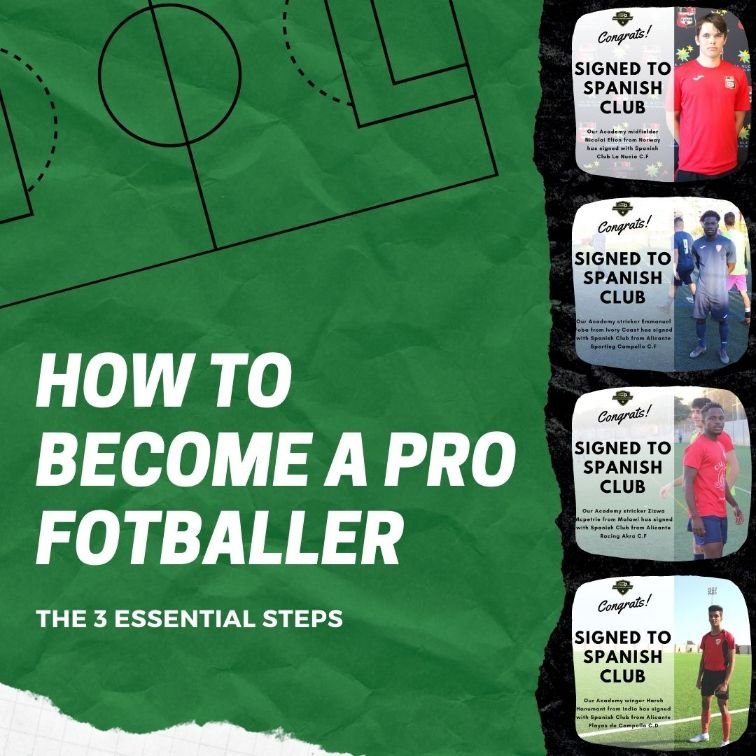
Image Source: alicantefootballacademy.com
How Do I Become A Professional Football Player? Get Scouted
To become a professional football player and get scouted, you need exceptional talent, consistent dedication to football training, a structured player development plan, and a strategic approach to showcasing your abilities through football tryouts.
The dream of playing professional football, of stepping onto that hallowed turf under the bright lights, is a powerful one. For many aspiring athletes, the path seems shrouded in mystery. How do you bridge the gap from dreaming about a professional football career to actually living it? The key often lies in becoming visible to those who matter – the scouts. This in-depth guide will illuminate the essential steps, from honing your soccer skills to navigating the world of football scouting.
The Foundation: Building Your Football Prowess
Becoming a professional football player isn’t just about raw talent; it’s about cultivating that talent through rigorous and intelligent practice. Football training is the bedrock upon which all success is built.
Mastering Your Soccer Skills
Every professional footballer possesses a sophisticated toolkit of soccer skills. These aren’t just innate abilities; they are the result of thousands of hours of dedicated practice and repetition.
Ball Control and Dribbling
- First Touch: The ability to receive a pass cleanly and immediately bring it under control is paramount. This allows you to dictate play and avoid losing possession.
- Dribbling: Efficient dribbling involves not just speed, but also close control, the ability to change direction quickly, and the vision to see passing options while on the move. Practicing with cones, using different parts of your feet, and challenging yourself in one-on-one situations are crucial.
- Passing Accuracy and Range: From short, sharp passes to long, driven balls, accurate passing is the lifeblood of any team. Focus on both the technique of striking the ball and the vision to pick out teammates in advantageous positions.
Shooting and Finishing
- Technique: Developing a variety of shooting techniques – laces, inside of the foot, volleys, headers – is essential. Each situation calls for a different approach.
- Power and Placement: Knowing when to strike for power and when to aim for the corners is a skill in itself. Practicing shooting from different angles and distances, and focusing on hitting specific targets, will improve your finishing.
- Composure in Front of Goal: The ability to remain calm and make the right decision when a goal-scoring opportunity arises is what separates good strikers from great ones.
Tactical Awareness and Positional Play
- Game Intelligence: This involves reading the game, anticipating opposition moves, and understanding your role within the team’s strategy. It’s about making the right decisions at the right time, both with and without the ball.
- Spatial Awareness: Knowing where your teammates are, where the opposition is, and where the space is on the field is vital for effective play.
- Understanding Formations and Tactics: Familiarize yourself with different formations and how they operate. This will help you adapt to different playing styles and understand your responsibilities in various scenarios.
Athletic Development
Beyond technical skills, professional football demands peak physical conditioning. Athletic development is a crucial, ongoing process.
- Speed and Agility: Quick bursts of acceleration and the ability to change direction rapidly are indispensable. Drills like shuttle runs, cone drills, and sprint training are vital.
- Strength and Conditioning: A strong core and legs provide power for shots and tackles, while overall muscular strength helps prevent injuries. Weight training, plyometrics, and resistance exercises are key components.
- Endurance: Football requires sustained effort throughout a match. Building cardiovascular fitness through running, interval training, and playing full matches is essential.
- Injury Prevention: Proper warm-ups, cool-downs, stretching, and listening to your body are critical for long-term career sustainability.
The Pathway: Building Your Football Career
Honing your skills is only the first part. The next step is to find the right environment for your player development and to get noticed.
Joining Football Academies and Elite Programs
Football academies are specifically designed to nurture young talent and provide a structured environment for athletic development and skill refinement.
- Structured Training Regimes: Academies offer professionally designed training sessions that focus on all aspects of the game.
- Expert Coaching: You’ll be guided by experienced coaches who understand player development and have a proven track record of identifying and nurturing talent.
- Competitive Exposure: Academies often participate in high-level leagues and tournaments, providing valuable match experience and opportunities to be seen.
- Educational Support: Many academies integrate education, ensuring that players have a fallback option should their football dreams not materialize or when their playing careers conclude.
Seeking Sports Scholarships
For players in countries where university sports are prominent, sports scholarships can be a fantastic way to fund your education while continuing to play at a high level.
- Access to Quality Coaching: University programs often have dedicated coaching staff and facilities comparable to professional clubs.
- Continued Development: Playing in collegiate leagues provides consistent match practice and exposure.
- Financial Assistance: Scholarships can significantly reduce the financial burden of higher education.
- Networking Opportunities: University environments offer chances to build connections within the sports industry.
The Importance of Amateur and Semi-Professional Leagues
Don’t underestimate the value of playing in amateur and semi-professional leagues. These are often the proving grounds where raw talent gets refined and scouts actively look for the next big thing.
- Game Experience: Consistent match play is crucial for development.
- Learning to Compete: These leagues often foster a gritty, competitive spirit.
- Visibility: Scouts and coaches from higher-level clubs regularly attend matches in these leagues.
- Building Resilience: Facing different challenges and opponents builds mental toughness.
Getting Noticed: The Art of Football Scouting
The ultimate goal for many aspiring professionals is to attract the attention of scouts. This is where strategy and proactive effort come into play. Football scouting is a meticulous process, and scouts are always on the lookout for players who demonstrate not only talent but also potential.
How to Get Scouted
Scouting isn’t solely about being in the right place at the right time; it’s about making yourself discoverable.
Be a Standout Player
- Consistency: Perform at a high level consistently, not just in one game. Scouts look for players who can deliver week in and week out.
- Dominance: Whether it’s scoring goals, creating chances, or organizing the defense, aim to be a dominant force on the pitch.
- Key Attributes: Scouts look for a blend of technical ability, tactical intelligence, physical attributes, and a strong mental attitude.
Proactive Outreach
- Highlight Reels: Create a professional-looking video showcasing your best skills, goals, assists, and defensive contributions. Keep it concise and impactful.
- Contacting Clubs: Research clubs that align with your playing style and level. Send them your highlight reel and a brief, well-written player profile.
- Attending Showcases and Camps: Many organizations run scouting showcases and camps specifically designed to give players exposure to scouts.
Networking and Relationships
- Talk to Your Coaches: Your coaches are your primary advocates. They have relationships with other coaches and scouts and can often facilitate introductions.
- Build a Professional Network: Get to know people within the football community – coaches, managers, and even other players who might move on to higher levels.
What Scouts Look For
Scouts are trained to identify specific qualities that indicate a player has the potential for a professional football career.
- Technical Proficiency: How good are you with the ball at your feet? This includes passing, dribbling, shooting, and first touch.
- Tactical Acumen: Do you read the game well? Can you make intelligent decisions on and off the ball? Do you understand your position and role?
- Physical Attributes: This includes speed, agility, strength, stamina, and a good build for your position.
- Mental Strength: Are you resilient? Can you handle pressure? Do you have a good work ethic, a positive attitude, and the drive to improve?
- Potential for Growth: Scouts aren’t just looking at what you can do now, but what you can become with further player development. They assess your learning capacity and willingness to adapt.
- Coachability: Are you receptive to feedback? Can you implement advice given by coaches?
Navigating Football Tryouts
Football tryouts are your direct opportunity to impress. Preparation and execution are key.
Before the Tryout
- Research: If possible, find out the format of the tryout and what the coaches will be looking for.
- Physical Preparation: Ensure you are in peak physical condition. A tryout is physically demanding.
- Mental Preparation: Visualize success. Go in with confidence but also with humility and a willingness to learn.
- Gear: Arrive with appropriate, well-fitting gear, including shin guards, suitable boots, and water.
During the Tryout
- Make a Good First Impression: Be punctual, polite, and enthusiastic.
- Communicate: Be vocal on the pitch, but communicate effectively and appropriately.
- Give 100%: Every drill, every pass, every run matters. Show your commitment.
- Play Your Game: Don’t try to be someone you’re not. Showcase your natural strengths.
- Be a Good Teammate: Even in a tryout setting, coaches observe how you interact with others.
After the Tryout
- Follow Up: If appropriate, send a polite thank-you email to the coach or scout.
- Be Patient: The decision-making process can take time.
- Learn from the Experience: Whether you succeed or not, analyze your performance. What could you have done better?
The Professional Football Career: Beyond the Tryout
Securing a professional contract is the beginning of a new journey. The demands are immense, and continued growth is essential.
Continuous Player Development
A professional contract is not an end point, but a stepping stone. The focus on player development intensifies at the professional level.
- Advanced Training Techniques: Professional clubs employ cutting-edge football training methods.
- Personalized Coaching: You’ll receive tailored feedback and training plans from specialized coaches.
- Nutrition and Recovery: Elite athletes adhere to strict nutritional plans and prioritize recovery to maintain peak performance and prevent injuries.
- Psychological Support: Mental strength and resilience are cultivated with the help of sports psychologists.
Adapting to the Professional Environment
The professional world of football comes with its own set of challenges and expectations.
- Competition: You are now competing with other highly talented players for a place in the team.
- Media Scrutiny: Professional players are often in the public eye, and their actions can be subject to media attention.
- Pressure to Perform: The stakes are higher, and the pressure to consistently perform at a high level is constant.
- Team Dynamics: Learning to integrate into a new team and contribute to its success is crucial.
Frequently Asked Questions
Q1: How young is too young to start serious football training?
It’s never too early to introduce children to football in a fun and age-appropriate way. However, highly structured and intense football training programs should typically begin in adolescence, around the ages of 12-14, when athletic development can be safely and effectively focused on. Prioritizing enjoyment and foundational soccer skills in younger years is key.
Q2: What if I don’t get scouted immediately?
Don’t be discouraged! The scouting process can be lengthy and multifaceted. Continue to focus on your football training and player development. Seek opportunities in higher-level amateur or semi-professional leagues. Keep creating highlight reels and proactively reaching out to clubs. Persistence and continuous improvement are vital.
Q3: How important are physical attributes versus technical skills for getting scouted?
Both are incredibly important. Scouts look for players with excellent soccer skills and the physical capacity to execute them effectively. A player with outstanding technical ability but lacking the necessary stamina or speed might struggle at the professional level. Conversely, exceptional athleticism without refined skills will also limit potential. A balance of both, along with tactical intelligence and mental strength, is ideal.
Q4: Can I become a professional footballer if I start playing late?
While starting earlier often provides an advantage in terms of ingrained soccer skills and athletic development, it is not impossible to become a professional if you start later. Exceptional talent, a rapid learning curve, intense football training, and a significant amount of dedication can still lead to a professional football career. You’ll likely need to focus heavily on catching up on technical and tactical aspects.
Q5: What are the common mistakes aspiring footballers make when trying to get scouted?
Common mistakes include: inconsistent performance, poor attitude or lack of coachability, focusing only on one skill, not creating highlight reels, not networking effectively, and neglecting physical conditioning. Many also fail to proactively seek opportunities and instead wait passively to be discovered.
Q6: How do football academies differ from regular youth clubs?
Football academies are typically more professionally structured and resourced, offering specialized football training, advanced player development programs, and often a direct pathway to professional clubs. They usually have a more rigorous selection process and focus on holistic development, including education and life skills, in addition to soccer skills. Regular youth clubs are often more community-focused and may not have the same level of professional coaching or scouting connections.
Q7: What should I focus on during my first football tryouts?
Focus on demonstrating your core strengths, your work ethic, and your ability to learn. Be decisive, communicate effectively, and show that you can adapt to different situations. Play with passion and give your absolute best effort in every drill and every practice game. Make sure your basic soccer skills are sharp and that you are physically prepared.
In conclusion, the journey to becoming a professional football player and getting scouted is a marathon, not a sprint. It requires an unwavering commitment to football training, a strategic approach to player development, and proactive engagement with the world of football scouting. By focusing on honing your soccer skills, building your athletic development, seeking the right opportunities like football academies or sports scholarships, and performing exceptionally well at football tryouts, you significantly increase your chances of achieving your dream of a professional football career. Remember, talent is a gift, but hard work, dedication, and a smart approach are what truly make dreams a reality in the demanding world of professional football.