
Yes, you can absolutely wash football cleats! Keeping your football boots clean is essential for their longevity and performance, especially after tackling muddy fields and dirty cleats. This guide will walk you through the process of washing football cleats, whether they’re soccer cleats, turf shoes, or traditional football boots. Proper boot maintenance is a key part of good shoe care.
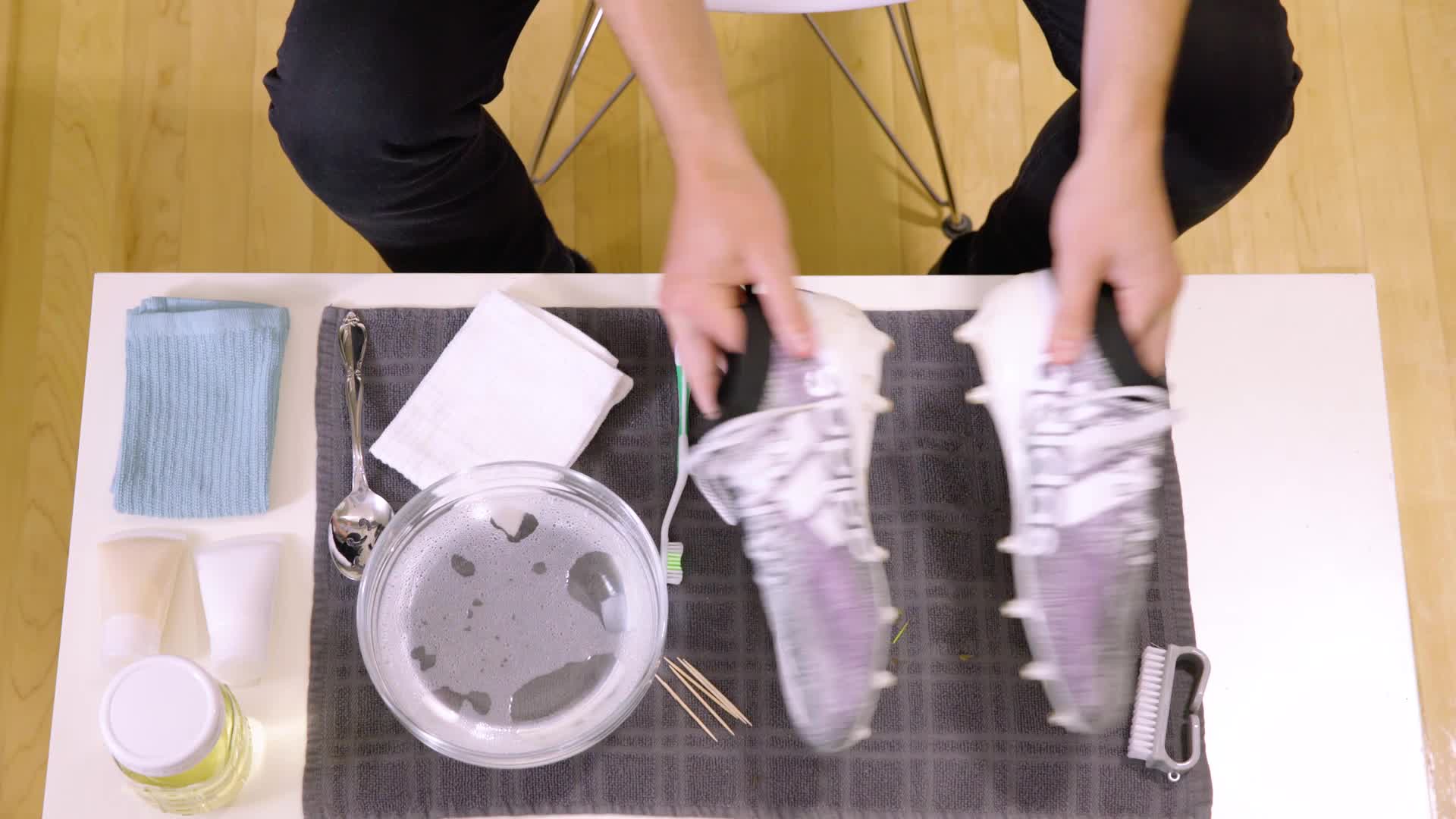
Image Source: brand.assets.adidas.com
Why Washing Football Cleats Matters
Football cleats take a beating. After every game or practice, they’re covered in mud, grass, sweat, and sometimes even blood. Letting this grime build up can lead to several problems:
- Material Degradation: Dirt and moisture can break down the materials of your cleats over time, especially leather and synthetic fabrics. This can make them stiff, brittle, or even cause them to tear.
- Odor and Bacteria: Sweat and dirt create a breeding ground for bacteria. This not only causes unpleasant smells but can also lead to fungal infections on your feet.
- Reduced Performance: Caked-on mud and debris can affect the grip and weight of your cleats, potentially hindering your agility and speed on the field.
- Aesthetics: Let’s be honest, clean cleats look better and show you care about your gear.
Getting Started: What You’ll Need
Before you dive into washing football boots, gather your supplies. Having everything ready makes the process smoother.
Essential Cleaning Supplies:
- Stiff Brush: An old toothbrush or a dedicated shoe brush works well for scrubbing.
- Softer Brush or Cloth: For more delicate areas and wiping.
- Mild Soap or Detergent: Dish soap or a gentle laundry detergent is ideal. Avoid harsh chemicals.
- Water: Lukewarm water is best.
- Old Towels: For drying and protecting surfaces.
- Newspaper or Paper Towels: For stuffing inside to absorb moisture.
- Optional: Shoe Cleaner: Specialized shoe cleaners can be very effective.
- Optional: Disinfectant Spray: For sanitizing cleats.
What to Avoid:
- Washing Machine: While tempting, the harsh agitation can damage your cleats.
- Clothes Dryer: The heat can warp and melt synthetic materials.
- Harsh Chemicals: Bleach or strong solvents can ruin the materials.
- Soaking for Extended Periods: Prolonged submersion can weaken adhesives.
Step-by-Step Guide to Washing Football Cleats
Let’s get those dirty cleats looking and smelling fresh! This process is suitable for most types of football cleats, including cleaning soccer cleats and how to clean turf shoes.
Step 1: Remove Loose Debris
This is the crucial first step for any type of muddy cleats or dirty cleats.
- Take your cleats outside.
- Bang the soles together to knock off as much dried mud and grass as possible.
- Use your stiff brush to scrub away any remaining caked-on dirt from the soles, studs, and uppers. Pay close attention to the nooks and crannies where dirt loves to hide.
Step 2: Clean the Uppers and Laces
Now, it’s time for the detailed cleaning.
- Remove the Laces: If your cleats have laces, remove them. You can wash these separately by hand in a bowl of soapy water or place them in a mesh laundry bag and wash them with your regular laundry on a gentle cycle.
- Prepare the Cleaning Solution: Mix a small amount of mild soap with lukewarm water in a bowl.
- Scrub Gently: Dip your softer brush or cloth into the soapy water. Gently scrub the uppers of your cleats. Work in small sections, cleaning away dirt and grime. For stubborn stains, you might need to apply a little more pressure or use a dedicated shoe cleaner.
- Wipe Clean: Use a damp cloth (rinsed in clean water) to wipe away the soap residue from the uppers. Make sure no soap is left behind, as it can damage the materials.
Step 3: Clean the Soles and Studs
This is where a stiff brush really shines.
- Dip your stiff brush into the soapy water.
- Vigorously scrub the soles and around the studs. Get into all the grooves to remove embedded dirt and mud.
- For very tough spots, you can use a pointed tool like a screwdriver or a nail file to gently dislodge stubborn debris from around the studs, but be careful not to damage the plastic.
- Rinse the brush frequently to avoid spreading dirt.
Step 4: Clean the Insides of the Cleats
Don’t forget the interior! This is vital for sanitizing cleats and eliminating odors.
- Wipe Down: Use a damp cloth (again, rinsed in clean water) to wipe the inside of the cleats. You can dab a little soapy water on the cloth for extra cleaning power, but ensure you wipe thoroughly with a clean damp cloth afterward to remove all soap.
- Tackle Odors: If there’s a persistent smell, you can create a baking soda paste (baking soda mixed with a little water) and gently rub it inside the cleats. Let it sit for a while, then wipe it out with a clean, damp cloth. Alternatively, a disinfectant spray specifically designed for shoes can also help with sanitizing cleats.
Step 5: Drying Football Cleats (Crucial Step!)
Proper drying is as important as cleaning to prevent damage and mildew.
- Towel Dry: Gently pat down the exterior of your cleats with a dry towel to remove excess moisture.
- Stuff with Paper: Loosely stuff the insides of your cleats with newspaper or plain paper towels. This helps absorb moisture from within and also helps them maintain their shape. Change the paper stuffing every few hours if they are very wet.
- Air Dry Naturally: Place your cleats in a well-ventilated area, away from direct sunlight or heat sources like radiators or hair dryers. Natural air drying is the safest and most effective method for drying football cleats. This can take anywhere from 24 to 48 hours, depending on how wet they are.
- Avoid Heat: Never put your cleats in a clothes dryer or use a hair dryer on them. The heat can melt glues, warp plastics, and damage the materials.
Step 6: Re-Lace and Condition (Optional)
Once your cleats are completely dry, you can give them a final touch.
- Re-Lace: Thread the clean laces back into your cleats.
- Condition Leather: If your cleats are made of leather, applying a leather conditioner after they are dry can help keep the material supple and prevent cracking.
Cleaning Specific Types of Football Cleats
While the general process applies to most types, there are slight variations for different cleat styles.
Cleaning Soccer Cleats
Soccer cleats often have a more refined upper material, sometimes including kangaroo leather.
- Gentle Scrubbing: Be extra gentle when scrubbing the uppers to avoid damaging delicate materials.
- Leather Care: If your soccer cleats are leather, consider using a specialized leather cleaner and conditioner after washing.
How to Clean Turf Shoes
Turf shoes have shorter, rubber nubs instead of metal or plastic studs.
- Focus on the Nubs: The rubber nubs on turf shoes can trap a lot of dirt. Use your stiff brush to thoroughly clean these.
- Material Check: Turf shoes often have mesh uppers. Be careful not to saturate the mesh, as it can take longer to dry.
Cleaning Cleats with Screw-In Studs
If your cleats have removable studs, this makes cleaning easier.
- Remove Studs First: Always remove the studs before washing. This allows you to clean them individually and ensures you can get into all the spaces around the stud holes.
- Clean Studs Separately: Wash the studs with a brush and soapy water, then rinse and dry them completely before reattaching.
- Check Threads: Ensure the threads on both the studs and the cleat are clean and dry before reinserting them to prevent them from getting stuck or damaged.
Maintaining Your Cleats for Longevity
Regular boot maintenance goes beyond just washing. Here are some tips for keeping your football boots in top condition:
- Wipe Down After Use: Even a quick wipe with a damp cloth after each use can prevent heavy dirt buildup.
- Store Properly: Store your cleats in a cool, dry place, away from direct sunlight. Using a shoe bag can protect them.
- Rotate Your Cleats: If you play frequently, owning two pairs and rotating them allows each pair to dry out completely between uses, extending their lifespan.
- Check for Wear and Tear: Regularly inspect your cleats for loose stitching, worn studs, or cracks in the sole. Address any issues promptly.
Troubleshooting Common Cleat Cleaning Issues
How to Get Rid of Stubborn Mud?
For deeply embedded mud, try letting the cleats soak in a bowl of lukewarm soapy water for about 15-30 minutes before scrubbing. This will help soften the mud. For dried-on mud, a stiff brush and a bit of elbow grease are your best friends.
How to Remove Grass Stains?
Grass stains can be tricky. A paste of baking soda and water applied to the stain and left for a few minutes before gentle scrubbing can help. For persistent stains, a pre-wash stain remover might be necessary, but test it on an inconspicuous area first.
How to Deal with Smelly Cleats?
After washing and thorough drying, if an odor persists, try stuffing the cleats with activated charcoal sachets or tea bags (unsweetened black tea). You can also spray the insides with a specialized shoe disinfectant or a diluted rubbing alcohol solution. Ensure they are completely dry again after these treatments.
What If the Glue is Coming Undone?
If you notice the sole starting to separate or a stud coming loose, it’s best to use a strong, flexible adhesive designed for shoes or sports equipment. Clean the area thoroughly, apply the adhesive as directed on the product, and clamp or weigh down the area while it dries. However, for major separation, it might be time to consider replacing the cleats.
Conclusion: Clean Cleats, Better Performance
Washing football cleats is not just about aesthetics; it’s a vital part of boot maintenance that ensures your gear performs at its best and lasts longer. By following these steps, you can effectively tackle dirty cleats and muddy cleats, keeping your football boots, soccer cleats, and turf shoes in prime condition. Consistent shoe care will reward you with better grip, improved comfort, and a longer-lasting investment in your game. Remember, clean cleats are happy cleats, and happy cleats lead to a better playing experience!
Frequently Asked Questions (FAQ)
Q1: Can I put football cleats in the washing machine?
A1: It is generally not recommended to put football cleats in a washing machine. The aggressive tumbling and spinning can damage the materials, adhesives, and structural integrity of your cleats. Hand washing is the safest and most effective method.
Q2: How often should I wash my football cleats?
A2: The frequency depends on how often you play and the conditions. Ideally, you should at least wipe them down after every use. A thorough washing is recommended after games played in wet or muddy conditions, or every few weeks of regular play to prevent odor and material degradation.
Q3: Can I use hot water to wash my cleats?
A3: No, it’s best to use lukewarm or cool water. Hot water can damage glues and synthetic materials, potentially causing them to warp or break down.
Q4: My cleats have a strong odor. How can I sanitize them?
A4: After washing and drying, if an odor persists, you can try spraying the inside with a disinfectant spray made for shoes, or a diluted solution of rubbing alcohol. Baking soda paste applied to the inside and then wiped out can also help neutralize odors. Ensure they are completely dry after any sanitizing treatment.
Q5: Can I speed up the drying process with a hairdryer?
A5: No, avoid using hairdryers or placing cleats near direct heat sources like radiators or in direct sunlight. Excessive heat can damage the materials, melt adhesives, and cause the cleats to lose their shape. Air drying is the safest method.
Q6: What’s the best way to clean the studs on my football cleats?
A6: Use a stiff brush and soapy water to scrub the studs thoroughly. If you have removable studs, take them out first for easier cleaning. For stubborn dirt lodged around studs, a pointed tool like an old toothbrush or a bamboo skewer can help dislodge it carefully.
Q7: My cleats are made of leather. How should I care for them after washing?
A7: After your leather cleats are completely dry, apply a good quality leather conditioner. This will help rehydrate the leather, keep it supple, and prevent it from cracking, thus extending their lifespan.
Q8: How do I clean the inside of my cleats to avoid bacteria?
A8: After washing the exterior, use a damp cloth (rinsed in clean water) to wipe down the interior. You can slightly dampen the cloth with a mild soapy solution if needed, but always follow up with a clean damp cloth to remove all soap residue. For sanitizing, consider a shoe disinfectant spray. Ensure the interior is completely dry before storing or wearing.