
Yes, football gloves can and should be washed to maintain hygiene, extend their lifespan, and ensure optimal grip. Neglecting to clean your football gloves can lead to a buildup of sweat, dirt, and bacteria, affecting their performance and potentially causing skin irritation.
Football gloves are essential gear for players, providing grip, protection, and comfort. However, during intense games and practices, they absorb a significant amount of sweat, dirt, and body oils. This accumulation not only makes them unpleasant to wear but can also degrade the materials, compromise their sticky grip, and become a breeding ground for odor-causing bacteria and fungi. Therefore, understanding proper football glove care is crucial for every player. This comprehensive guide will walk you through everything you need to know about washing football gloves, from deciding if they need a wash to the best methods for cleaning football gloves and ensuring they remain in top condition.
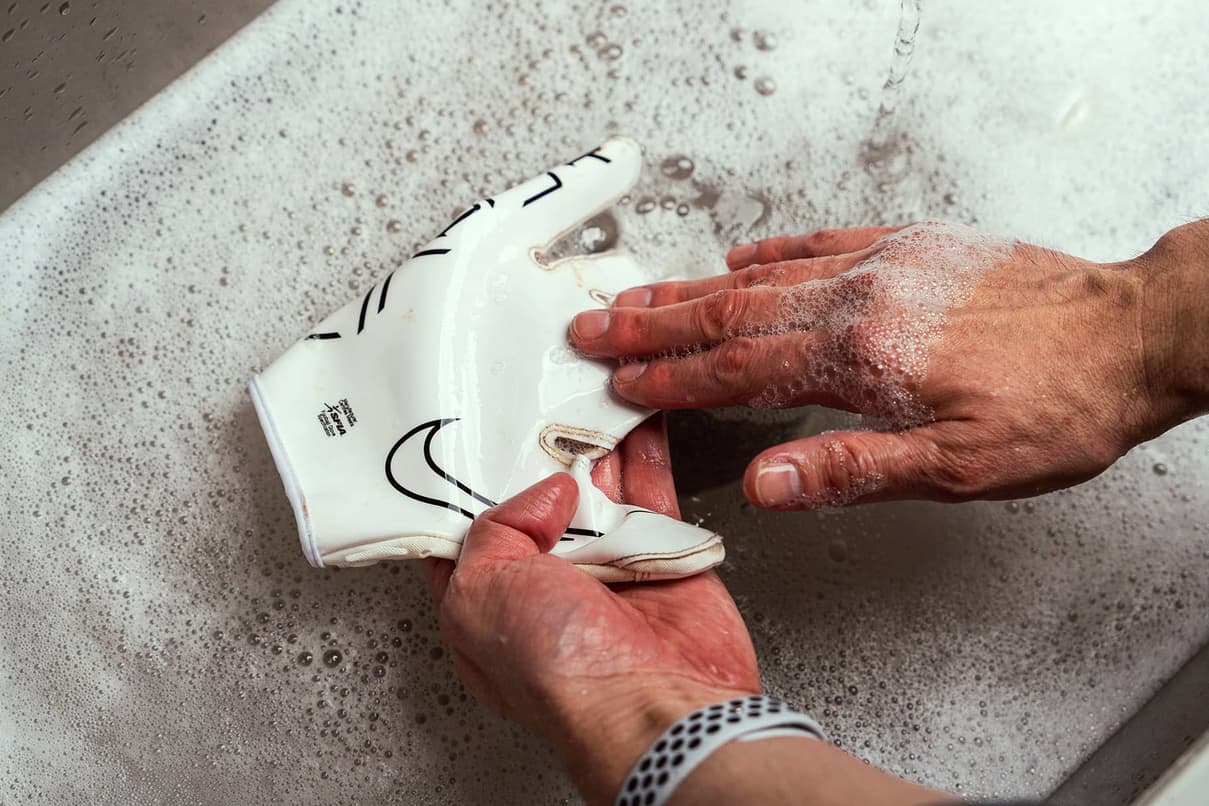
Image Source: static.nike.com
Why Washing Football Gloves Matters
Keeping your football gloves clean offers several key benefits:
- Hygiene: Sweat and dirt can harbor bacteria and fungi, which can lead to unpleasant odors and skin infections. Regular washing helps prevent these issues.
- Grip Performance: Over time, dirt and oils can build up on the palm of your gloves, reducing their stickiness and grip. Clean gloves offer better traction on the ball.
- Material Longevity: Sweat and grime can break down the synthetic materials and adhesives used in football gloves. Washing helps preserve these components, making your gloves last longer.
- Comfort: Clean, fresh-smelling gloves are simply more comfortable to wear during a game or practice.
Determining When to Wash Your Football Gloves
Not every session warrants a full wash. Here are some signs that indicate it’s time for football glove maintenance:
- Visible Dirt and Grime: If the palms or the rest of the glove are visibly caked with dirt or mud.
- Lingering Odor: A persistent, unpleasant smell that doesn’t dissipate after airing out is a strong indicator.
- Reduced Grip: If you notice a significant decrease in the tackiness of the palms.
- Sticky or Greasy Feel: Sweat and body oils can leave the gloves feeling tacky or greasy.
- After Heavy Use or in Hot/Humid Conditions: If you’ve played in particularly hot or humid weather, or after an especially demanding game or practice, it’s a good idea to clean them.
How to Wash Football Gloves: A Step-by-Step Guide
There are generally two main methods for washing football gloves: by hand or using a washing machine. Hand washing is often recommended as the best way to wash football gloves for preserving their delicate materials, but machine washing can be an option for certain types if done carefully.
Method 1: Washing Football Gloves by Hand (Recommended)
This method is the safest and most effective for most football gloves.
Materials You’ll Need:
- A basin or sink
- Cool to lukewarm water
- Mild detergent (liquid laundry detergent or dish soap)
- A soft brush (like an old toothbrush or a soft-bristled scrubbing brush)
- Clean towels
Step-by-Step Instructions:
- Preparation:
- Ensure you have all your materials ready.
- Check the care label on your gloves for any specific instructions. Some manufacturers may advise against certain cleaning methods.
- Initial Rinse:
- Fill your basin or sink with cool or lukewarm water. Avoid hot water, as it can damage the materials and adhesives.
- Submerge the gloves in the water for a few minutes to loosen any surface dirt.
- Applying Detergent:
- Add a small amount of mild detergent to the water. You don’t need much – just enough to create a gentle cleaning solution. Avoid harsh chemicals, bleach, or fabric softeners, as these can degrade the grip and materials.
- Gentle Scrubbing:
- Gently agitate the gloves in the soapy water.
- For stubborn dirt or grime, use your soft brush to gently scrub the palms and any affected areas. Be careful not to scrub too aggressively, especially on the grip-enhancing surfaces. Focus on areas where sweat and dirt tend to accumulate.
- Pay attention to the seams and finger areas where dirt can get trapped.
- Rinsing Thoroughly:
- Drain the soapy water and refill the basin with clean, cool water.
- Rinse the gloves thoroughly, squeezing them gently to remove all traces of detergent. Repeat this rinsing process until the water runs clear. Ensure no soap residue remains, as it can affect the grip and material.
- Removing Excess Water:
- Gently squeeze out as much water as possible from the gloves. Do not wring or twist the gloves aggressively, as this can stretch and damage the material.
Method 2: Machine Washing Football Gloves (Use with Caution)
While hand washing is preferred, some modern football gloves made from durable synthetic materials might tolerate machine washing. Always check the manufacturer’s care instructions first. If you choose to machine wash, follow these guidelines:
Materials You’ll Need:
- Washing machine
- Mesh laundry bag
- Mild detergent
- Cool water
Step-by-Step Instructions:
- Check Care Label: Confirm that your gloves are machine washable. If unsure, stick to hand washing.
- Prepare Gloves:
- Shake off any loose dirt or debris from the gloves.
- Place the gloves inside a mesh laundry bag. This protects them from snagging and excessive agitation.
- Washing Cycle:
- Wash the gloves on a delicate or gentle cycle using cool water.
- Use a small amount of mild detergent. Avoid fabric softeners, bleach, or harsh detergents.
- Avoid Other Laundry:
- Do not wash football gloves with other items, especially those with zippers or rough textures, as they can damage the gloves.
Drying Football Gloves: The Crucial Next Step
Proper drying football gloves is just as important as washing them. Incorrect drying can lead to misshapen gloves, material damage, or lingering odors.
What to Do:
- Gentle Towel Drying:
- After removing excess water by squeezing (not wringing), lay the gloves flat on a clean, dry towel.
- Pat them down gently with another towel to absorb more moisture.
- Air Dry Indoors:
- The best way to dry football gloves is to let them air dry completely.
- Lay them flat on a drying rack or hang them from a clothesline or hanger. Ensure good air circulation around them.
- Dry them in a well-ventilated area, away from direct sunlight or heat sources.
- Stuffing for Shape (Optional):
- To help them maintain their shape while drying, you can loosely stuff them with clean, dry towels or paper towels. Avoid overstuffing, which can impede airflow.
What NOT to Do:
- Do NOT use a clothes dryer: The heat from a dryer can melt adhesives, shrink materials, and warp the gloves, destroying their shape and performance.
- Do NOT place them near direct heat: Avoid radiators, heaters, or direct sunlight, as excessive heat can also damage the gloves.
- Do NOT leave them bunched up: This prevents proper airflow and can lead to mildew and lingering smells.
Football Glove Cleaning Tips for Optimal Maintenance
Here are some additional football glove cleaning tips to help you keep your gear in peak condition:
- Spot Cleaning: For minor dirt marks between washes, you can use a damp cloth with a tiny bit of mild soap to spot clean.
- Frequency: Aim to wash your gloves every few weeks of heavy use, or whenever they start to smell or show visible dirt. Don’t over-wash them, as this can also wear down the materials over time.
- Storage: After washing and drying, store your gloves in a cool, dry place. Avoid storing them in a sealed bag while still slightly damp, as this can encourage mildew.
- Deodorizing: If odors persist even after washing, you can try placing the dry gloves in a bag with baking soda for a few hours (then shake out the baking soda thoroughly).
- Grip Rejuvenation: For gloves that have lost some of their grip, specialized grip enhancers can sometimes help, but a good wash is often the first step.
- Inspect Regularly: Periodically inspect your gloves for any signs of wear and tear, such as loose stitching or peeling material, and address them promptly.
Common Football Glove Materials and Their Care
Most modern football gloves are made from a combination of synthetic materials like polyurethane, silicone, neoprene, and Lycra. Each material has its own characteristics that influence care:
- Polyurethane/Silicone Palms: These are the grip-enhancing surfaces. They are generally durable but can be sensitive to harsh chemicals and excessive heat. Gentle cleaning is key to preserving their tackiness.
- Neoprene and Lycra: These fabrics provide flexibility and a comfortable fit. They are usually quite resilient to washing but can be damaged by high heat and strong detergents.
Table: Care Recommendations by Glove Component
| Glove Component | Recommended Cleaning Approach | What to Avoid |
|---|---|---|
| Palms (Grip) | Gentle scrubbing with a soft brush, mild detergent. | Harsh chemicals, high heat, aggressive wringing. |
| Back of Hand | Soft brush, mild detergent, or wiping with a damp cloth. | Bleach, abrasive scrubbers. |
| Straps (Velcro) | Ensure they are clean and free of lint to maintain grip. | Over-washing that can degrade the adhesive. |
| Seams/Stitching | Gentle attention with a soft brush during washing. | Pulling or stretching forcefully. |
Frequently Asked Questions (FAQ)
Q1: Can I use bleach on my football gloves?
A1: No, you should never use bleach on football gloves. Bleach can severely damage the synthetic materials, adhesives, and grip-enhancing coatings, leading to premature breakdown and loss of performance.
Q2: How often should I wash my football gloves?
A2: The frequency of washing depends on how often you use them and the conditions. A good rule of thumb is to wash them every 4-8 uses, or whenever they start to smell, feel greasy, or have visible dirt buildup.
Q3: Can I put my football gloves in the washing machine?
A3: While some modern gloves might withstand machine washing on a delicate cycle in a mesh bag, it’s generally safer and more effective to hand wash them. Machine washing carries a higher risk of damage. Always check the manufacturer’s care instructions first.
Q4: How do I dry my football gloves properly?
A4: The best way to dry football gloves is to air dry them completely. Gently squeeze out excess water (do not wring), pat them with a towel, and then lay them flat or hang them in a well-ventilated area away from direct heat or sunlight. Never use a clothes dryer.
Q5: My football gloves still smell after washing. What can I do?
A5: If odors persist, try a more thorough hand wash with a bit more detergent. Ensure you rinse them exceptionally well. For stubborn smells, you can try placing the completely dry gloves in a sealed bag with a generous amount of baking soda for 24 hours, then shaking it out thoroughly. Ensure the gloves are completely dry before storing.
Q6: Will washing my football gloves affect their grip?
A6: Proper washing, using mild detergent and cool water, should not negatively affect the grip. In fact, removing dirt and oils can improve grip. However, harsh chemicals, excessive heat, or aggressive scrubbing can damage the grip surface.
Q7: Can I use fabric softener when washing football gloves?
A7: No, it is strongly advised against using fabric softener. Fabric softeners can leave a residue on the grip surfaces, reducing their tackiness and effectiveness. They can also degrade the materials over time.
By following these guidelines for washing football gloves, you can ensure your gear remains clean, performs at its best, and lasts for many seasons to come. Proper football glove care is a simple yet vital part of a player’s routine.