
A shotgun snap is when the center passes the football backward to the quarterback, who is positioned several yards behind the center. Mastering the shotgun snap is crucial for a successful offense, as it directly impacts the quarterback’s ability to execute plays. This guide will delve into the best techniques for executing a precise and effective shotgun snap.
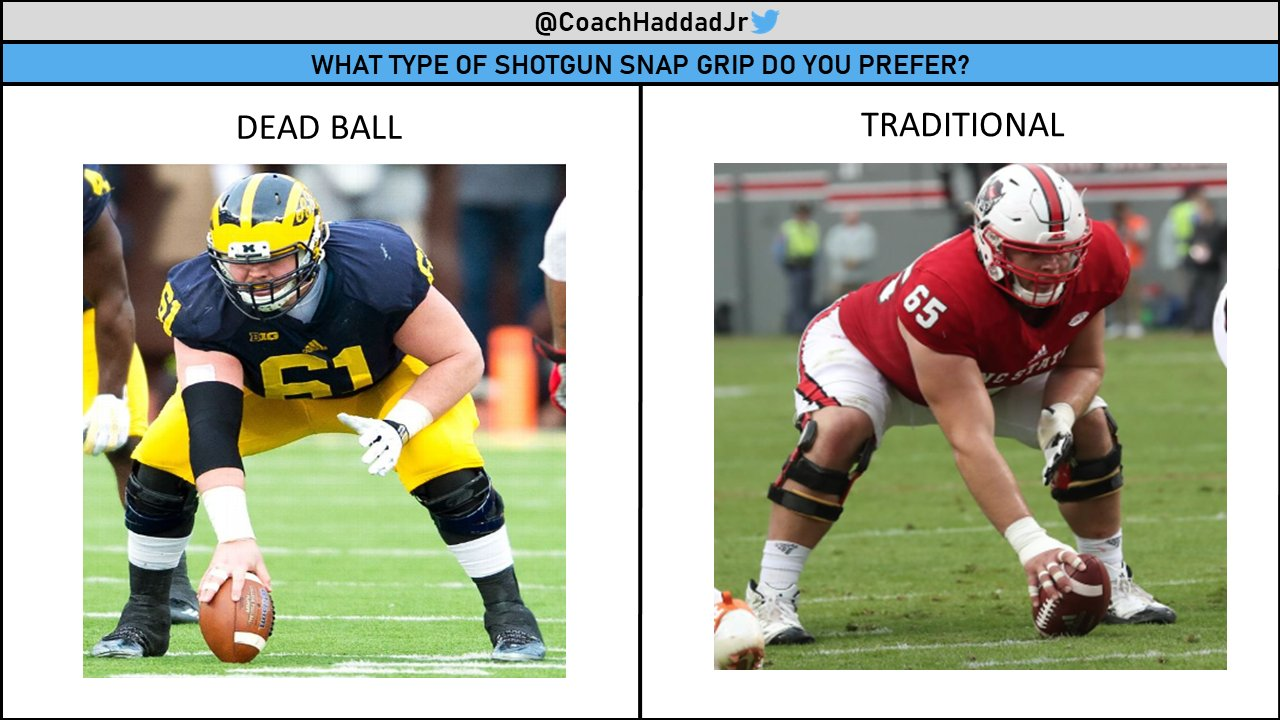
Image Source: www.viqtorysports.com
The Foundation of a Strong Shotgun Snap
A clean and consistent snap is the bedrock of any effective offensive play when the quarterback is in the shotgun formation. The shotgun formation snap demands a different approach than traditional under-center snaps, primarily due to the increased distance between the center and the quarterback. This distance amplifies any imperfections in the snap, making technique and repetition paramount.
Deciphering the Shotgun Snap Mechanics
The shotgun snap is a specialized skill that requires a unique set of physical and mental attributes. It’s not just about getting the ball back; it’s about getting it back accurately, with the right spin, and at the right time.
Key Components of a Proper Shotgun Snap:
- Stance: A stable base is essential. Your feet should be shoulder-width apart, with your non-dominant foot slightly ahead. This provides balance and allows for a powerful, controlled motion.
- Grip: The way you hold the football significantly impacts its flight. The laces should run parallel to your forearm. Your index finger should be on the back of the ball, near the laces, and your thumb should be on the bottom, also near the laces. This grip allows for optimal control and spin.
- Body Alignment: Your hips and shoulders should be square to your target (the quarterback). Avoid twisting your body excessively, as this can lead to inaccuracy.
- The Snap Motion: This is the core of the technique. It’s a fluid, whip-like motion originating from your legs and core, transferring energy through your arms and into the ball.
Grip Variations for Enhanced Control
Different centers find different grips more effective for the shotgun snap. Experimentation is key to discovering what works best for you.
Common Grip Styles:
- Two-Handed Grip: This is the most common and generally recommended grip for shotgun snaps.
- Your dominant hand’s index finger is typically placed on the back seam or laces of the football.
- Your thumb wraps around the bottom of the ball, mirroring the index finger’s placement.
- Your other hand supports the ball, with fingers spread for stability.
- This grip offers the most control and allows for a strong, consistent spiral.
- One-Handed Grip (Less Common for Shotgun): While more prevalent for under-center snaps, some centers utilize a one-handed grip in shotgun.
- The ball is held primarily in the dominant hand.
- The index finger and thumb are positioned as described above, but the supporting hand is removed entirely before the snap.
- This can be quicker but is generally less stable and harder to control for long distances.
Why the Laces Matter:
The laces of the football are crucial for a good spiral. When your index finger is placed on or near the laces, it helps impart spin as the ball is released. This spin stabilizes the ball in flight, making it easier for the quarterback to catch. A wobbly, poorly spiraled ball is much harder to handle, especially under pressure.
Executing the Shotgun Snap: Step-by-Step
The perfect shotgun snap is a symphony of precise movements. Let’s break it down.
The Stance: Building a Solid Base
Your stance is your platform for everything that follows. A good stance ensures balance, power, and consistent delivery.
Key Stance Elements:
- Foot Placement: Feet should be about shoulder-width apart.
- Weight Distribution: Your weight should be evenly distributed or slightly forward on the balls of your feet. Avoid being flat-footed or on your heels.
- Knee Bend: A slight bend in the knees is essential for generating power from your lower body. This isn’t a deep squat; it’s a controlled, athletic posture.
- Torso Angle: Bend forward at the hips, keeping your back relatively straight. Your upper body should be angled towards your target.
- Arm Position: Your arms should be relaxed and naturally positioned to cradle the football.
The Grip and Ball Placement
How you hold the ball is as critical as how you throw it.
Optimal Ball Hold:
- Find the Laces: Locate the laces on the football. They are your guide for proper grip and spin.
- Index Finger Placement: Place your index finger on the back of the ball, with your fingertip or the pad of your finger on or very close to the laces. Some prefer to have a finger or two straddling the laces.
- Thumb Placement: Your thumb should wrap around the bottom of the ball, directly opposite your index finger. Again, aim to have your thumb near the laces.
- Supporting Hand: Your non-dominant hand supports the ball from underneath and the side. Spread your fingers wide to create a stable cradle. Your palm should be slightly cupped.
- Ball Position: The ball should be positioned slightly in front of your body, allowing for a natural forward motion. It shouldn’t be tucked too close or held too far away.
The Motion: Power and Precision
This is where the magic happens. The snap motion is a coordinated effort involving your entire body.
The Snap Sequence:
- Initiate with the Legs and Core: The power for the snap begins in your legs and core. As you uncoil, you generate momentum.
- Arm Extension: Extend your arms forward towards the quarterback. This extension is fluid, not jerky.
- Wrist Flick and Finger Release: As your arms extend, your wrists and fingers provide the final flick that imparts spin and velocity to the ball. Your index finger is the primary driver for the spiral.
- Follow Through: Continue the motion forward. A proper follow-through ensures that all the energy is transferred to the ball and helps maintain accuracy. Imagine throwing the ball with a whipping motion.
Key Principles for a Smooth Snap:
- Fluidity: The entire motion should be smooth and continuous. Avoid stopping and starting.
- Power from the Core: Don’t rely solely on your arm. Your legs and core are the engine.
- Consistent Release Point: Aim for the same release point every time. This is crucial for timing.
- Spin: Focus on getting good spin on the ball. This is achieved through your finger action at the point of release.
Mastering Shotgun Snap Timing and Accuracy
Timing and accuracy are what separate a good shotgun snap from a great one. This is where practice and attention to detail truly pay off.
The Importance of Football Snap Count
The football snap count is the signal that triggers the snap. It’s a critical element for the entire offense to be in sync.
Understanding the Snap Count:
- Verbal Cues: Coaches use verbal cues to signal the snap. These can be simple numbers (“1,” “2,” “3”) or more complex phrases.
- Cadence: The rhythm and speed of the verbal cues create a cadence. A fast cadence can be used to catch the defense off guard, while a slower cadence allows for more deliberate play execution.
- Quarterback’s Role: The quarterback often adjusts the cadence based on the defensive alignment. They might “hike” the ball themselves or rely on the center to snap on a specific count.
- Center’s Responsibility: The center must be attentive to the snap count and react instantly. This requires intense focus and anticipation.
Achieving Precision: The Long Snapper’s Skillset
A long snapper shotgun specialist has honed these skills to an elite level. Their role is specialized and vital.
Qualities of an Elite Long Snapper:
- Exceptional Accuracy: Consistently hitting the quarterback in the hands or chest.
- Velocity: The ability to deliver the ball quickly to prevent pressure.
- Legality: Ensuring the snap is clean and doesn’t hit the ground first (except for punts).
- Flexibility and Agility: Being able to snap and then immediately get into blocking assignments.
- Mental Toughness: Performing under pressure in critical game situations.
The Quarterback Shotgun Snap Relationship
The center and quarterback are a team. Their communication and understanding are vital for a successful shotgun snap.
Building the Connection:
- Communication: Open dialogue about snap preference, cadence, and any adjustments needed.
- Repetition: Practicing the snap count and the physical snap repeatedly builds muscle memory and trust.
- Feedback: The quarterback provides feedback on the snap’s location, speed, and spin. The center uses this to refine their technique.
- Trust: The quarterback must trust that the center will deliver the ball on time and accurately, allowing them to focus on reading the defense and executing the play.
Snap for Shotgun: Targeting the Target
This is about hitting your mark every single time.
Targeting Drills:
- Target Placement: Use a hula hoop, a cone, or even a specific spot on the ground to represent the quarterback’s hands.
- Snap and Move: Snap the ball and then immediately transition into another action (e.g., dropping into a pass block). This simulates game conditions.
- Varying Distances: Practice snaps from different distances to mimic various shotgun formations (pistol, deep shotgun).
- Consecutive Snaps: See how many perfect snaps you can make in a row.
Offensive Line Shotgun Considerations
The offensive line’s role in the shotgun formation is unique and requires specific techniques.
Protecting the Quarterback
In the shotgun, the offensive linemen are further back from the line of scrimmage, which gives them slightly more time but also presents new challenges.
Blocking Techniques:
- Initial Steps: Offensive linemen typically take a short, powerful first step to establish their base and block assignment.
- Pass Protection: The primary focus is to create a pocket for the quarterback. This involves using hand placement, footwork, and body control to keep defenders at bay.
- Run Blocking: While the snap is different, the principles of run blocking remain similar, focusing on driving defenders off the ball.
- Awareness: Linemen must be aware of the snap count and the quarterback’s position to avoid false starts or penalties.
The Center’s Role in Offensive Line Protection
The center is the quarterback of the offensive line. Their ability to direct blocking schemes is crucial.
Center’s Leadership:
- Identifying Threats: The center must quickly identify defensive fronts and potential blitzers.
- Audible Calls: The center may change blocking assignments based on pre-snap reads, communicating these changes to the rest of the line.
- Communication: Clear and loud communication is essential, especially when dealing with noisy crowds or complex defensive schemes.
Shotgun Snap Drills for Improvement
Consistent practice is the key to mastering the shotgun snap. Here are some effective drills to refine your technique.
Drills for Centers
These drills focus on developing the core mechanics of the snap itself.
Center-Specific Drills:
- The Mirror Drill: Stand facing a mirror and practice your snap motion. This allows you to see your technique and make immediate adjustments to your stance, grip, and follow-through.
- Targeted Snaps (Static): Stand in your stance and snap the ball repeatedly to a target without any pressure. Focus solely on accuracy and spiral.
- Targeted Snaps (Moving Target): Have a partner stand in the shotgun position and move slightly (e.g., taking a half-step to the side). Snap the ball to them, requiring you to adjust your aim.
- The “Five-Second” Snap: Snap the ball as quickly as possible after the “go” cue, simulating a fast cadence.
- Snap and Block: Practice snapping the ball and immediately transitioning into a blocking technique (e.g., a punch and drive).
- Two-Handed to One-Handed Transition: Practice snapping with two hands and then, after a quick cue, snap with one hand to simulate different play calls or situations.
Drills for Quarterbacks
Quarterbacks need to be adept at receiving snaps in various situations.
Quarterback-Specific Drills:
- Taking the Snap: Stand in the shotgun and simply take the snap from the center. Focus on receiving the ball cleanly and securing it.
- Catch and Tuck: Take the snap and immediately bring the ball into a secure tuck position.
- Catch and Go: Receive the snap and immediately begin a drop-back or run.
- Under Pressure Snaps: Have a defender rush the quarterback as they receive the snap. This teaches them to secure the ball even with pressure.
- “Hot” Snaps: Practice receiving the snap and immediately throwing a quick pass, emphasizing the transition from receiving to throwing.
Drills for the Entire Offensive Line Unit
Coordination is key for the offensive line.
Unit Drills:
- Line Blocking Drills: Practice blocking assignments as a unit in various offensive schemes, including shotgun formations.
- Pass Protection Drills: Simulate pass-rushing scenarios to work on protecting the quarterback in the shotgun.
- Run Blocking Drills: Practice run blocking from the shotgun, ensuring proper footwork and leverage.
- Communication Drills: Practice verbal and non-verbal communication amongst the offensive line to ensure everyone is on the same page.
Common Pitfalls and How to Avoid Them
Even with dedicated practice, certain errors can creep into your shotgun snap technique.
Identifying and Correcting Errors
Common Shotgun Snap Mistakes:
- Wobbly Snaps: Often caused by improper finger placement on the laces or an inconsistent wrist flick.
- Correction: Focus on keeping your index finger on the laces and snapping with a strong, consistent wrist motion.
- Slow Snaps: Can be due to a lack of power from the legs and core, or hesitation in the motion.
- Correction: Emphasize generating power from your lower body and practicing faster cadences.
- Inaccurate Snaps (High/Low/Wide): Typically a result of poor body alignment, a jerky motion, or not tracking the target.
- Correction: Ensure your hips and shoulders are square to the target. Practice with a specific target and focus on a fluid, continuous motion.
- Ball Hitting the Ground: This is a penalty in most situations. It can happen if the snap is too low or if the center loses control.
- Correction: Focus on a consistent, controlled upward trajectory of the ball. Practice keeping the ball slightly above your knees during the initial part of the snap.
- False Starts/Movement: Occurs when the center moves before the snap count.
- Correction: Maintain a still and controlled stance until the exact moment of the snap. Practice listening intently to the snap count.
- Poor Follow-Through: Limits power and accuracy.
- Correction: Ensure your arms and wrists continue their motion in the direction of the target after releasing the ball.
The Evolution of the Shotgun Snap
The shotgun formation has become a staple in modern football offenses, and the shotgun snap has evolved with it.
Adapting to Different Formations
Teams employ various shotgun alignments, requiring centers to adapt their snaps.
Formation Variations:
- Deep Shotgun: The quarterback is further back, requiring a stronger, more accurate snap.
- Pistol Formation: The quarterback is positioned slightly behind and offset from the running back. This often requires a slightly different angle for the snap.
- Offset Shotgun: The quarterback is positioned a few yards back but offset from the center.
Technological Aids in Training
Modern technology can assist in refining shotgun snap technique.
Training Tools:
- Video Analysis: Recording yourself snapping and reviewing it with a coach can highlight flaws in technique.
- Specialized Training Balls: Some balls have grips designed to help centers develop better feel and control.
Frequently Asked Questions (FAQ)
Q1: How far behind the center should the quarterback stand in the shotgun formation?
A: The distance can vary, but typically the quarterback stands between 4 to 7 yards behind the center. Deeper formations require a stronger and more accurate snap.
Q2: What is the best grip for a shotgun snap?
A: The most common and recommended grip for a shotgun snap is the two-handed grip. Your index finger should be on or near the laces at the back of the ball, with your thumb opposite on the bottom laces. Your other hand cradles the ball for support.
Q3: How can I improve the accuracy of my shotgun snap?
A: Accuracy comes from consistent technique, a stable stance, a proper grip, and a fluid motion with a good follow-through. Repetitive drills focusing on hitting a target are essential.
Q4: Should the shotgun snap be hard or soft?
A: It depends on the play and the quarterback’s preference. Generally, you want a snap with enough velocity to reach the quarterback quickly, but not so hard that it’s difficult to catch cleanly. Aim for a controlled spiral.
Q5: How important is the snap count in the shotgun formation?
A: Extremely important. The snap count dictates when the ball is snapped, and it needs to be precise for the offense to execute plays effectively and avoid penalties. The center must be in sync with the quarterback’s cadence.
Q6: Can a long snapper snap the ball with one hand in shotgun?
A: While some centers might, it’s generally not recommended for the shotgun formation due to the increased distance and the need for maximum control and accuracy. The two-handed grip offers superior stability.
Q7: What are the key differences between an under-center snap and a shotgun snap?
A: The primary difference is the distance. A shotgun snap is delivered over a longer distance, demanding greater accuracy, velocity, and a more powerful, controlled motion to ensure the ball reaches the quarterback cleanly.
Q8: How can I develop more power in my shotgun snap?
A: Power originates from your lower body and core. Focus on engaging your legs and hips in the snapping motion, transferring that energy through your torso, arms, and into the ball with a strong wrist flick.
By focusing on these techniques, drills, and principles, any aspiring center or player looking to master the shotgun snap can significantly improve their accuracy, speed, and overall effectiveness on the field. The shotgun snap is a fundamental skill, and dedication to practice will yield substantial rewards for the entire offense.