
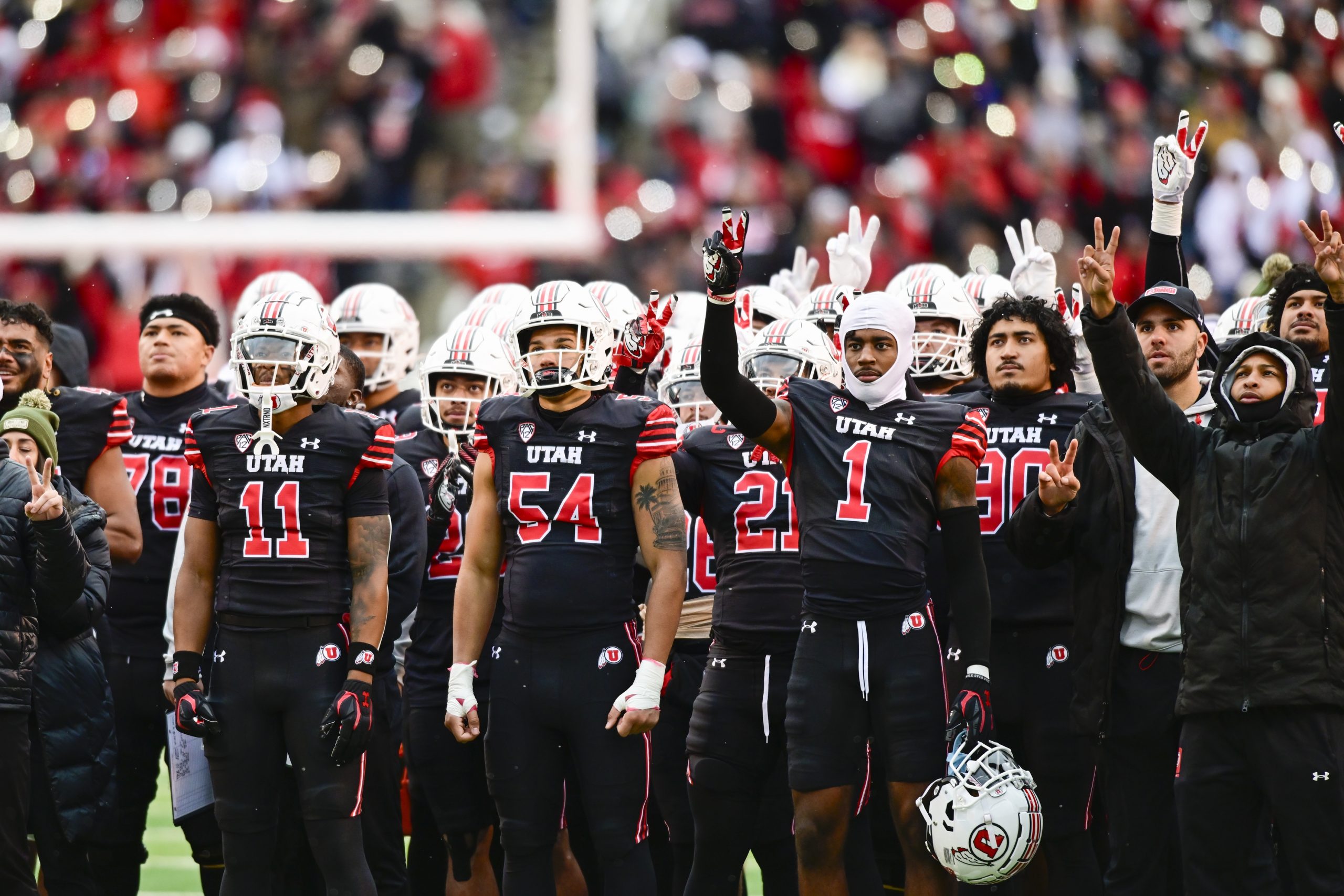
Image Source: collegefootballnetwork.com
College Football Numbers: How Many Players Are On A College Football Team?
A typical college football team roster can include anywhere from 85 scholarship players to over 100 players when you factor in walk-ons. This number fluctuates based on NCAA rules and individual program strategies. Let’s dive deeper into the specifics of NCAA football roster size and explore the structure of university football team rosters.
The world of college football is a fascinating arena, not just for its thrilling touchdowns and nail-biting finishes, but also for the sheer scale of its operations. Beyond the 100-yard field and the passionate fan bases, there lies a complex organizational structure that supports the game. A significant part of this structure is the size of the teams themselves. So, how many players are on a college football team? It’s a question with a nuanced answer, as various factors come into play, from scholarship limits to the strategic depth of a program.
When we talk about college football, we’re often referring to NCAA Division I football, and more specifically, the Football Bowl Subdivision (FBS). The FBS team size is governed by specific rules that dictate the maximum number of players who can receive athletic scholarships. This creates a baseline for how many players a program can actively recruit and develop.
Delving into NCAA Football Roster Size
The National Collegiate Athletic Association (NCAA) sets the rules for collegiate sports, and football is no exception. For FBS programs, the most significant rule regarding roster size pertains to scholarships. Each FBS team is allowed a maximum of 85 scholarship players on its roster. This is a crucial number that shapes how programs recruit, allocate resources, and manage their player pool.
However, the 85-scholarship limit doesn’t represent the total number of players on a college football team. Many programs also carry walk-on players. These are student-athletes who are not on athletic scholarship but try out for and make the team. Walk-ons can significantly increase the total players college football programs have at their disposal, contributing to depth, competition in practice, and special teams.
The exact number of walk-ons varies from one university to another. Some coaches prefer to carry a larger group of walk-ons to foster internal competition and provide more players for practice drills. Others might keep the walk-on numbers lower to focus resources and attention on their scholarship athletes. This means that while the scholarship foundation is fixed, the overall college football squad numbers can be considerably higher.
Typical College Football Roster Composition
To truly grasp the football team composition college teams employ, it’s essential to look beyond just the scholarship number. A typical FBS roster will often feature:
- Scholarship Players: The core of the team, comprising the 85 allowed scholarship athletes. These players are usually the most talented and highly recruited.
- Preferred Walk-Ons: While not on scholarship, these players have been invited to join the team by the coaching staff and are guaranteed a roster spot, at least initially. They often receive some perks, like team gear.
- Tryout Walk-Ons: These players must try out for the team and earn a spot. Their presence is often dependent on the team’s needs and their performance during tryouts.
The number of players on a football team university might also be influenced by the team’s offensive and defensive schemes. A program that relies heavily on a fast-paced offense might carry more receivers and running backs, while a team with a complex defensive scheme might have more defensive backs.
Breakdown of Scholarship Players by Position
The allocation of those 85 scholarships across different positions is a strategic decision made by each coaching staff. While there’s no set rule for how many players must be at each position, common distributions exist.
Here’s a generalized look at how scholarships might be distributed:
| Position Group | Approximate Number of Scholarships |
|---|---|
| Quarterbacks | 2-3 |
| Running Backs | 3-4 |
| Wide Receivers | 5-7 |
| Tight Ends | 3-4 |
| Offensive Linemen | 9-12 |
| Defensive Linemen | 9-12 |
| Linebackers | 5-7 |
| Cornerbacks | 5-7 |
| Safeties | 4-6 |
| Special Teams (K/P/LS) | 2-3 |
This table is a guideline, and actual numbers can vary significantly. For instance, a team might opt for more defensive backs if their scheme emphasizes pass defense, or they might prioritize depth on the offensive line.
American Football Player Count College: Beyond the Scoreboard
When you watch a college football game, you see many players on the field at any given time – 11 on offense and 11 on defense. However, the American football player count college programs manage is much larger. This is because football is a physically demanding sport, requiring specialized players for different situations and ensuring adequate depth for injuries and fatigue.
Consider the various units:
* Offense: Quarterbacks, running backs, receivers, tight ends, and offensive linemen.
* Defense: Defensive linemen, linebackers, cornerbacks, and safeties.
* Special Teams: Kickers, punters, long snappers, and return specialists.
Each of these units needs specialized players. You won’t have your starting quarterback taking snaps as a defensive lineman in practice. The sheer number of positions and the need for specialization contribute to the larger roster sizes.
The Role of Walk-Ons in Team Depth
Walk-ons play a vital role in the ecosystem of a college football program. While they may not get the same playing time as scholarship athletes, they contribute significantly to practice. They often fill out the scout teams, mimicking the opposing team’s offense and defense, which is crucial for preparing the scholarship players for game day.
The number of walk-ons can range from a handful to as many as 40-50 players on some teams. This means a college football team roster size can easily swell to over 100 players, with some programs exceeding 110 or even 120 players when accounting for all scholarship and walk-on athletes.
FBS Team Size: Navigating the Rules
The NCAA’s regulations for FBS team size are designed to create a competitive balance and ensure that student-athletes have a manageable academic and athletic load. The 85-scholarship limit is a cornerstone of this system.
Here are some key points about FBS roster management:
- Scholarship Limit: As mentioned, 85 is the magic number for FBS scholarships.
- Academic Progress Rate (APR): While not directly controlling roster size, APR rules can impact a team’s ability to maintain its scholarship athletes. Teams that fall below certain APR benchmarks can face scholarship penalties.
- Eligibility: Players have a limited number of years of eligibility (typically five years to play four seasons), meaning there’s a natural turnover of players each year. This constant influx of new talent and departure of seniors contributes to the dynamic nature of collegiate football player numbers.
- Redshirts: Many programs utilize redshirt rules, where players who don’t play much in their first year can use that year for practice and development without using up a year of eligibility. This can temporarily increase the number of players on the roster who are eligible to play in a given season but are still considered developmental.
The Impact of Coaching Philosophy on Roster Size
Beyond the NCAA rules, individual coaching staffs have considerable leeway in how they manage their rosters. Some coaches prioritize having a deep bench, carrying more players to foster competition and ensure they have ample bodies for intense practices and potential injuries. Other coaches might prefer a more focused approach, investing more resources and coaching attention on a slightly smaller group of highly talented players.
This philosophical difference directly impacts the typical college football roster size beyond the scholarship limit. A coach known for his “player development” might carry a larger group of high-potential freshmen and walk-ons, hoping to mold them into future starters. Conversely, a coach focused on immediate results might prioritize experienced transfer portal additions to fill out the roster quickly.
How Many Players on a Football Team University: A Broad Perspective
When we ask “how many players on a football team university,” it’s important to distinguish between the number of players who are actively competing for playing time and the total number of individuals associated with the program. The 85 scholarship players are the core, but the supporting cast of walk-ons is what brings the total number higher.
The sheer volume of talent and personnel required for a modern college football program is immense. Beyond the players, there are coaches (head coach, assistant coaches, position coaches), support staff (trainers, strength and conditioning coaches, equipment managers), and even student managers. This creates a large operational unit surrounding the team.
Factors Influencing Walk-On Numbers
Several factors contribute to the number of walk-ons a program chooses to carry:
- Team Needs: If a team has a particular weakness in depth at a certain position, they might actively seek out walk-ons to fill those roles, especially on special teams or in the defensive backfield.
- Recruiting Cycles: If a recruiting class is slightly smaller than anticipated, a coach might be more inclined to bring in walk-ons to bolster the roster.
- Academic Standards: Universities have academic requirements that all student-athletes must meet. Sometimes, a player who is academically borderline might be a walk-on rather than a scholarship athlete to ensure they meet university standards.
- Local Talent Pool: Programs located in areas with a strong high school football presence might have an easier time attracting talented local walk-ons.
The presence of walk-ons also fosters a unique team culture. They often represent the heart and soul of the team, proving that dedication and hard work can earn a spot, even without a scholarship. They are integral to the football team composition college teams strive for – a mix of talent, hard work, and team-first mentality.
Weighing the Numbers: Scholarship vs. Walk-On
The distinction between scholarship players and walk-ons is significant. Scholarship athletes receive financial aid for their education and are typically the most skilled players on the roster. Walk-ons, on the other hand, pay their own way through school and often juggle their academic responsibilities with the demanding schedule of a college football team.
However, this doesn’t mean walk-ons are not valuable. Many have gone on to become key contributors and even stars for their teams. Their presence on the roster provides:
- Practice Competition: They push scholarship players to perform better.
- Depth: They can step in when injuries occur.
- Special Teams Contributions: Many walk-ons find their niche on special teams units like kickoff coverage, punt coverage, or as extra bodies on the line of scrimmage.
- Team Morale: Their dedication can be inspiring to the entire team.
The college football squad numbers therefore represent a blend of highly recruited talent and homegrown dedication.
The Evolution of College Football Rosters
Over the decades, collegiate football player numbers have seen a gradual increase, largely driven by the specialization of positions and the increasing complexity of schemes. What might have been a 50-60 player roster in the early days of college football has now evolved into the much larger units we see today.
The increase in specialized coaching staff also necessitates a larger pool of players. For instance, having separate coaches for offensive line, defensive line, linebackers, and defensive backs allows for more detailed instruction, which in turn requires more players to implement effectively.
FBS Team Size: A Competitive Landscape
The FBS team size is a strategic asset. Having a deeper roster means a team can absorb injuries more effectively, rotate players to keep them fresh, and maintain a higher level of intensity during practices. This is why programs often actively recruit beyond the 85 scholarship limit, seeking out talented walk-ons to fill out their rosters.
The pursuit of talent is relentless in college football. Coaches are always looking for players who can contribute, regardless of their scholarship status. The allure of playing for a major Division I program, even as a walk-on, is strong for many aspiring athletes. This dynamic ensures that American football player count college programs remain robust and competitive.
Frequently Asked Questions (FAQ)
Q1: What is the maximum number of scholarship players allowed on an NCAA Division I FBS football team?
A1: An NCAA Division I FBS football team is allowed a maximum of 85 scholarship players.
Q2: Can a college football team have more than 85 players on its roster?
A2: Yes, college football teams can have more than 85 players on their roster by including walk-on players who do not receive athletic scholarships.
Q3: What is a walk-on player in college football?
A3: A walk-on player is a student-athlete who tries out for the team and makes it without being offered an athletic scholarship. They typically pay for their own education.
Q4: Do walk-on players ever get scholarships?
A4: Yes, it is possible for walk-on players to earn scholarships during their time on the team, usually based on performance and if a scholarship becomes available.
Q5: How many players are typically on a college football team roster in total?
A5: While the scholarship limit is 85, the total number of players on a college football team can range from around 90 to over 110 or even 120, depending on how many walk-ons the program carries.
Q6: Why do college football teams carry so many players?
A6: Teams carry a large number of players to ensure depth at every position, allow for specialized practice units (scout teams), provide competition for starting spots, and account for potential injuries or academic ineligibility.
Q7: Does roster size differ between NCAA divisions?
A7: Yes, roster sizes and scholarship limits differ significantly between NCAA divisions. Division I FBS has the largest rosters and scholarship limits, while lower divisions like Division I FCS, Division II, and Division III have different rules and typically smaller rosters.
Q8: How does the number of players affect practice?
A8: A larger roster allows for more effective practice drills, with separate units for offense, defense, and special teams. It also enables coaches to run more realistic simulations of game situations.