
Keeping your child safe in the car is the most important thing. You ask, “How to keep toddler from unbuckling car seat?” This is a common worry for parents. Toddlers are smart and like to explore everything. This includes their car seat buckles. A child who unbuckles their car seat while the car is moving is in great danger. It is vital to stop them quickly and safely. This guide helps you learn how. We will share reasons why kids do this and show you helpful tips and tools for toddler car seat unbuckling solutions.
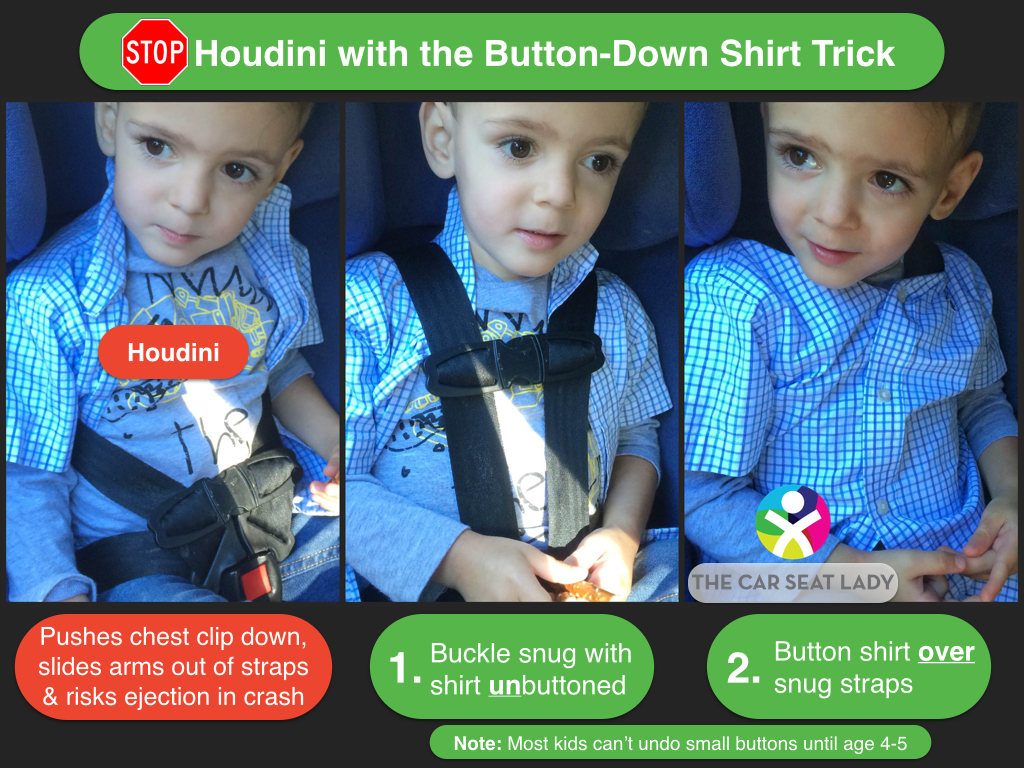
Image Source: thecarseatlady.com
Why Toddlers Unbuckle
It can feel like your child is trying to be naughty. But usually, that is not the reason. Toddlers unbuckle for many reasons. Figuring out the “why” helps you fix the problem.
Fathoming Their Actions
Toddlers are learning about their world. They love to see how things work. Buttons, latches, and buckles are like puzzles to them. Pushing a button and seeing something open is exciting. They learn cause and effect. Unbuckling is just another thing to try and figure out. They might not know it is unsafe.
They Want Freedom
Sitting still is hard for little kids. They have lots of energy. They might unbuckle because they want to move around. Maybe they want to grab a toy. Or maybe they are just tired of sitting still.
Discomfort
Sometimes, the car seat is not comfy. Straps might be too tight or too loose. The chest clip might be in the wrong place. The seat itself might be hot or scratchy. Kids cannot tell you what is wrong easily. Unbuckling is their way of saying, “I don’t like this!” Make sure the seat fits your child right.
Copying Others
Kids watch what grown-ups do. They see you unbuckle your seat belt. They see older siblings do it. They want to be like you. They are just doing what they see.
They Are Learning Skills
Toddlers are getting better at using their hands. They are building fine motor skills. Unbuckling a buckle takes finger strength and smarts. When they can do it, they feel proud. It is a big step for them, even if it is unsafe in the car.
First Steps to Take
Before you buy special gadgets, try these simple steps. They might solve the problem without extra cost. These steps are part of good child restraint system safety.
Check the Car Seat Fit
This is super important. A seat that fits right is safer and more comfortable.
- Tightness: The straps should be snug. You should not be able to pinch any extra webbing at your child’s shoulder. It should lie flat. Loose straps make it easier to wiggle free. They also are not safe in a crash.
- Chest Clip Position: The clip goes at armpit level. Not higher, not lower. It keeps the straps on the shoulders. If it is too low, kids can slip their arms out. If it is too high, it can be on their neck.
- Harness Height: Make sure the harness straps are at the right height. For rear-facing seats, straps should be at or below the shoulders. For forward-facing seats, straps should be at or above the shoulders. The seat manual shows you where the slots are.
- Comfort: Check for things that might make the seat uncomfortable. Is the fabric too hot? Is there something poking them? Are they too hot or cold? Add a thin layer in cold weather instead of bulky coats under straps. Bulky coats make straps loose.
Talk to Your Child
Even young toddlers understand more than you think. Use simple words.
- Explain that staying buckled is how they stay safe. Say things like, “The buckle keeps you safe in the car.”
- Tell them only grown-ups unbuckle when the car stops. “Mommy or Daddy unbuckles you when we are all done driving.”
- Be firm but calm. Do not yell. This can scare them and might not stop the unbuckling.
- Praise them when they stay buckled. “Thank you for keeping your buckle clicked! You are staying safe.”
Set Rules and Be Consistent
Kids do well with clear rules.
- The rule is: We stay buckled until the car is stopped. Everyone in the car follows this rule (grown-ups too!).
- If they unbuckle, stop the car as soon as you can safely. Pull over. Do not keep driving. Re-buckle them. Calmly repeat the rule. “The car stops if you unbuckle. You must stay buckled to keep riding.”
- This takes time and patience. You might have to stop many times at first. But being consistent shows them you mean it. They learn what happens when they unbuckle.
Distraction
Keep your child busy in the car.
- Offer safe car toys. Soft books, small figures, or travel games work well. Avoid toys that can become dangers in a crash.
- Play music they like.
- Sing songs.
- Talk about what you see outside. “Look at the big truck!”
- Snacks can help, but be careful. Only offer snacks that are not choking risks while riding.
These first steps are important. They fix common reasons for unbuckling. They also teach your child about safety.
Safety Devices to Help
If the first steps do not work, you might need a little extra help. There are several safety devices for car seat buckles that can make it harder for little fingers to unbuckle. These are part of toddler car seat safety accessories.
Important Note: Always check your car seat manual or the car seat maker’s website. Some makers say you cannot use items that did not come with the seat. Using outside items could change how the seat works in a crash. It could also void the warranty. Safety should always come first. Make sure any product you use does not hurt the safety of the child restraint system safety.
Types of Devices
There are a few main types of products designed for car seat buckle escape prevention and toddler harness escape.
- Buckle Covers/Shields: These go over the main crotch buckle. They make it hard to push the red button.
- Chest Clip Guards/Blockers: These stop kids from pinching the chest clip prongs to open it. They make the chest clip harder to open. This is a car seat chest clip blocker.
- All-in-One Harness Covers: Some products cover the whole harness area, making it harder to reach the buckles and clips.
Let’s look at some examples and what they do.
Buckle Covers
These are often simple plastic pieces that snap over the buckle release button. They require an adult hand (often with some strength or a tool like a key or pen) to push a different spot to release the buckle. This makes it hard for a toddler’s small fingers to manage alone.
- Pros: Can be very effective for kids who unbuckle the main buckle. Usually not too expensive.
- Cons: Might not work if the child is unbuckling the chest clip instead. Some covers are bulky. Some require a tool to open, which can be tricky in an emergency. You must check if your car seat brand allows this type of product.
Chest Clip Guards
These gadgets attach to the chest clip itself. They add a layer or change how the clip opens. They make it harder for a child to do the ‘pinch’ action needed to open the clip. This stops toddler harness escape at the chest.
- Pros: A direct help for kids who master the chest clip. Can be simple to use for the adult.
- Cons: Might only stop the chest clip escape, not the main buckle. Like buckle covers, check car seat maker rules. Some clever kids can still figure them out. This is a common type of childproof car seat latch accessory.
Full Harness Covers/Escape Artists Products
Some products cover more of the harness. They might be a vest or a piece of fabric that goes over the child and attaches to the seat behind them. These are designed for kids who can get arms out from under the chest clip even when it is placed right.
- Pros: Can stop kids from getting their arms out of the straps entirely.
- Cons: These often have the biggest concerns regarding safety and car seat warranty. They add layers between the child and the seat, which is usually not allowed. They can be hot or bulky. Most car seat experts and manufacturers advise strongly against these. They are often considered unsafe additions to a certified child restraint system safety.
Thinking About Using a Device
Before you buy a device, think about these points:
- Car Seat Maker Approval: This is number one. If the car seat brand says no, do not use it. An unapproved item can make the seat unsafe in a crash.
- Emergency Access: Can you quickly unbuckle your child in an emergency? Some devices make it slower or harder, which is a big risk.
- Child’s Skill: What exactly is your child unbuckling? The main buckle? The chest clip? Get a device that targets the right escape point.
- Reviews: Look for car seat buckle guard reviews. See what other parents say. Do they work? Are they easy (for the adult) to use? Are they safe?
- Ease of Use: You will use this buckle every trip. Make sure it is not too hard for you to use correctly every single time.
Table: Comparing Device Types
| Device Type | What it Stops | Pros | Cons | Safety Check Needed? | Common Names |
|---|---|---|---|---|---|
| Buckle Cover/Shield | Main Crotch Buckle Button | Stops main buckle push | May need tool, doesn’t stop chest clip, check car seat rules | YES | Buckle Guard, Buckle Cover, Anti-Unbuckle Device |
| Chest Clip Guard | Pinching Chest Clip to open | Stops chest clip escape | Doesn’t stop main buckle, check car seat rules, some kids defeat them | YES | Chest Clip Blocker, Houdini Clip, Anti-Escape Clip, Car seat chest clip blocker |
| Full Harness Cover | Getting Arms Out, Access to Buckles/Clips | Can prevent full escape | Often unsafe, not allowed by most makers, hard to remove fast, hot | HIGHLY RECOMMENDED AGAINST | Escape Artist Harness, Anti-Escape Vest |
Using unapproved items could change how the seat and harness work. The harness might not be snug enough. Or the buckle might not release right after a crash. This is why checking with the car seat maker is crucial for child restraint system safety.
Checking Your Car Seat and Install
Sometimes the problem is not the child. It is how the seat is used or put in the car. A child in a properly used seat is much safer. A correct install is part of car seat buckle escape prevention.
Review the Basics
Go back to the start. How is the seat installed? How is your child buckled in?
- Installation: Is the seat tight in the car? It should not move more than one inch side-to-side or front-to-back at the belt path. This is where the car’s seat belt or LATCH straps go through the car seat.
- Angle: Is the seat at the right angle? Rear-facing seats need to recline for newborns. Check the level or line on the seat.
- Harness Tightness: Again, pinch test! The harness must be snug on the child’s body.
- Chest Clip Position: Armpit level! Always!
- No Twists: Make sure the harness straps are not twisted. Twisted straps are not as strong and can be uncomfortable.
Read the Manuals
Yes, all of them!
- Car Seat Manual: Read it from start to finish. It tells you how to install the seat, how to buckle your child, where the harness straps should be, and what accessories you can or cannot use. It has important car seat buckle escape prevention tips specific to that seat.
- Car Manual: Your car’s manual tells you where you can install car seats in your car. It talks about LATCH points and using seat belts with car seats. It has important info about child restraint system safety in your specific vehicle.
Get Help from a Pro
If you are not sure about your install or how to buckle your child, get help.
- Find a Certified Child Passenger Safety Technician (CPST). You can search online for one near you.
- They can check your car seat install. They can show you how to buckle your child the right way. They can help you make sure the seat fits your child and your car properly. This is a great step for overall child restraint system safety.
- They can also give you tips on how to handle a child unbuckling based on their age and what you have tried.
Making sure the seat is installed and used correctly is the best first step after checking comfort. It solves many problems and makes the seat its safest.
More Tips and Tricks
Beyond devices and checks, try these other ideas for how to stop toddler unbuckling. These are often about changing the child’s behavior or your reaction.
Make it a Big Deal (Not Always!)
For some kids, the act of unbuckling gets attention. Even negative attention is attention. If they do it and you stop the car, get upset, or make a fuss, they learn this is a way to get a reaction from you.
- Try to stay calm. Stop the car safely. Re-buckle them with minimal talking. Repeat the rule simply (“Stay buckled to go”).
- Save the big reaction for when they do something good, like staying buckled. Praise them a lot!
Positive Reinforcement
Reward good behavior.
- Tell them clearly what you want them to do: “Stay buckled in your seat.”
- When the trip is over and they stayed buckled, give lots of praise. “You stayed buckled the whole ride! Great job staying safe!”
- For longer trips or older toddlers, you could use a simple reward chart. A sticker for every trip they stay buckled. After a few stickers, they get a small reward (extra playtime, a special book).
Timing Trips
Try to plan car trips around your child’s mood and schedule.
- Avoid driving when they are overtired, hungry, or need to go to the bathroom. These times make kids fussy and more likely to try and escape.
- If you have a long drive, plan stops. Let them get out and run around (in a safe place!) to burn off energy. This makes sitting still easier for the next part of the trip.
Dress for Success (and Safety)
What your child wears can affect comfort and harness fit.
- Avoid very bulky clothing under the harness, especially thick winter coats. This makes the harness loose. In a crash, the loose harness cannot hold them properly. Put the coat on backward over the harness once they are buckled if needed for warmth.
- Check for tags or seams that might be itchy.
- Make sure diapers are fresh before a trip.
The “Buckle Up” Routine
Make buckling up a routine that happens the same way every time.
- Talk about buckling up before you get to the car. “Soon we will get in the car. Remember, we put our straps on to stay safe.”
- Let them help in small ways if it is safe and helps them feel involved. Maybe they can carry their car toy to the seat. (They should NOT buckle themselves or the main buckle).
- Sing a quick song about buckling up.
- Make sure you buckle yourself up too! Show them you follow the rule.
Distract Again
Seriously, distraction is key for toddlers.
- Keep a special bag of car toys or books that only come out in the car. This makes them more exciting.
- Listen to audiobooks or kids’ podcasts on longer drives.
- Play simple car games like “I Spy” (for older toddlers) or point out colors of cars.
Understanding Specific Escape Points
Toddlers usually defeat the child restraint system safety at one of two places: the chest clip or the main buckle. Knowing which one helps you choose the best solution.
Chest Clip Escape
This is very common. Kids learn to pinch the two prongs of the chest clip together and push. If the clip is too low, they can also just slip their arms right out of the shoulder straps.
- Fix 1: Check the chest clip position! It must be at armpit level.
- Fix 2: Tighten the harness! You should not be able to pinch extra webbing at the shoulder. A snug harness makes it much harder to get arms out.
- Fix 3: Consider a chest clip guard or car seat chest clip blocker (if allowed by your seat maker) after trying the first two fixes. These make the pinching action harder.
Main Buckle Escape
Some toddlers figure out how to push the red button on the main buckle between their legs. This takes more finger strength and skill.
- Fix 1: Check the harness tension and buckle path. Make sure the straps coming from the seat and the buckle tongue are flat and easy to connect. Sometimes stiffness makes it harder to buckle right, leading to discomfort.
- Fix 2: Consider a buckle cover or shield (if allowed by your seat maker). These cover the button and make it hard for small fingers to push it. These are childproof car seat latch helpers.
Remember, fixing the fit and training your child are the first and often best steps for car seat buckle escape prevention. Devices are backup tools.
Long Term View
Dealing with a child who unbuckles is stressful. It is a safety issue you cannot ignore. It takes patience and often trying a few different things.
- Stay Patient: Toddler phases pass. They will not be trying to escape their car seat forever.
- Be Consistent: React the same way every time they unbuckle (safely stop, re-buckle, state the rule). Consistency is key for them to learn.
- Focus on Safety: Always put safety first. Never drive with an unbuckled child. Pull over as soon as it is safe.
- Re-Evaluate: If a solution isn’t working, think about why. Is the seat still uncomfortable? Are they just bored? Do you need help from a CPST?
Using a combination of proper car seat use, consistent rules, and maybe a carefully chosen (and car-seat-maker-approved) device can help solve this problem. Your goal is their safety every single ride. This includes using the child restraint system safety features correctly.
Frequently Asked Questions
Here are some common questions parents ask about kids unbuckling car seats.
Q: Are car seat buckle guards safe?
A: It depends on the specific product and, most importantly, if your car seat’s manufacturer allows it. Many car seat makers state that you should not use any product with their seat that did not come from them. Using an unapproved item could change how the seat works in a crash and make it unsafe. Always check your car seat manual or call the manufacturer before using any aftermarket product like a buckle guard or chest clip blocker. Safety is the top concern for toddler car seat safety accessories.
Q: My child keeps getting their arms out of the straps, even with the chest clip high. What do I do?
A: This is often due to a loose harness. Do the pinch test: Can you pinch any extra fabric on the harness straps at the child’s shoulder? If yes, the harness is too loose. Tighten it until you cannot pinch slack. Also, ensure the chest clip is truly at armpit level. Avoid bulky clothes under the harness. If these steps do not work, consult a Certified Child Passenger Safety Technician (CPST). They can check the fit on your child and in your car.
Q: Is it okay to just let them unbuckle if we are only driving a short distance?
A: No, never. Even a short distance can have unexpected events like sudden stops or crashes. An unbuckled child is not protected by the car seat or the car’s safety features. The risk is too high. Always stop the car safely and re-buckle them before continuing the trip, no matter how short. This is basic child restraint system safety.
Q: What if my car seat manufacturer does not allow any anti-unbuckling devices?
A: If devices are not allowed, you must rely on other methods. Focus intensely on ensuring the car seat fits your child and is installed correctly. Use consistent behavioral methods: stopping the car every time they unbuckle, calmly re-buckling, and stating the rule. Use positive reinforcement when they stay buckled. Distraction is also a key tool. Sometimes, getting a check from a CPST helps make sure you are doing everything else correctly for car seat buckle escape prevention.
Q: Can a different type of car seat help?
A: Maybe, but not always. Some car seats might have slightly different buckle designs. However, toddlers are clever and can often figure out many types of buckles over time. A different seat is usually not the first step to try unless the current seat does not fit your child well or is difficult to use correctly. Focus first on proper use, fit, and behavior strategies in your current seat.
Q: At what age do kids usually stop trying to unbuckle?
A: This varies a lot from child to child. Some kids go through a short phase around ages 2-3. Others may try it for longer. As children get older and understand more about safety, and as their desire to please you grows, they often stop trying to unbuckle. Consistency in your response is key to helping them learn this is not acceptable behavior.
Q: My child unbuckles right as I am parking. Is that still dangerous?
A: Yes, it can be. While the main crash risks happen at higher speeds, injuries can still happen in parking lots due to other moving cars or sudden stops. It also creates a bad habit. It’s best to have the rule be “stay buckled until I unbuckle you.” This teaches them to wait for your signal that it is safe to get out.
Keeping your toddler safely buckled is a challenge for many parents. By understanding why they do it, checking your seat setup, and using consistent methods, you can help them learn to stay safe during car rides. Your effort in toddler car seat unbuckling solutions keeps them protected.