
Is your toddler not gaining weight well? It can feel worrying. Many parents ask, “When should I see a doctor about my toddler’s weight?” You should talk to your child’s doctor if you worry about their growth or if they are below the usual lines on their growth chart. They can check if your child is healthy. This guide will help you learn simple ways to help your toddler gain weight in a healthy way. We will look at good foods, helpful meal ideas, and when it’s best to get advice from your doctor.
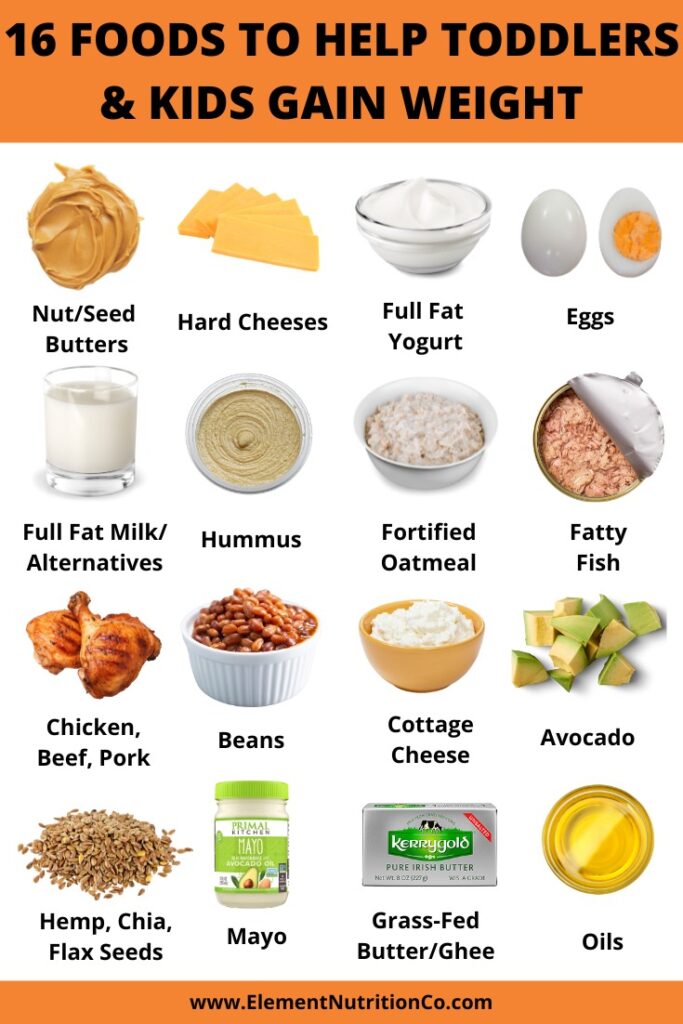
Image Source: www.elementnutritionco.com
Talking to Your Child’s Doctor
Getting advice from your child’s doctor is the first step. They are the best people to check your child’s health. They know about kids growing.
Checking Growth Charts
Doctors use growth charts. A growth chart is like a map. It shows how kids usually grow at different ages. It shows height and weight. On the chart, there are lines called percentiles. They show where your child’s size fits compared to others their age.
For example, if your child is on the 50th percentile for weight, it means half of kids their age weigh more, and half weigh less. If they are on the 5th percentile, it means only 5% of kids weigh less than them.
Doctors look at where your child is on the chart now. More important, they look at how their line changes over time. Is it going up steadily? Is it staying the same? Is it going down?
Why Doctors May Worry About Weight
Doctors might have concerns about low toddler weight if:
- Your child’s weight percentile is very low (like below the 5th percentile).
- Your child’s weight line on the chart is going down.
- Your child is not growing in height as expected.
- They see signs that your child is not getting enough good food.
- They think a health problem might be stopping weight gain.
Your doctor will check your child all over. They will ask you about what your child eats. They will ask about their energy level. They will help you figure out the next steps. Sometimes, a child is just small but perfectly healthy. Other times, they need help to grow better.
Boosting Calories the Healthy Way
To help your toddler gain weight, they need to eat more calories. But it’s important that these calories come from healthy high calorie foods toddler needs to grow strong. We don’t just want empty calories from sweet drinks or junk food. We want foods packed with good stuff like fats, proteins, and vitamins.
Power-Packed Foods
Think about adding healthy fats and proteins to your child’s meals. These foods have more calories in a small amount.
Dairy Fun
Full-fat dairy is great for adding calories.
* Whole Milk: Offer whole milk instead of low-fat milk. It has more fat and calories.
* Cheese: Add cheese to meals. Melt it on veggies, pasta, or eggs. Offer cheese sticks as snacks.
* Full-Fat Yogurt: Choose full-fat yogurt or Greek yogurt. It has more calories and protein than low-fat kinds. Mix in fruit or a little honey (only for kids over 1 year old).
* Butter and Cream: Stir a spoon of butter into cooked veggies, rice, pasta, or soup. Add a bit of cream to sauces or mashed potatoes.
Healthy Fats
These fats are good for the brain and add lots of calories.
* Avocado: Mash it on toast, mix it into smoothies, or offer slices. It’s full of healthy fats.
* Nut Butters: Peanut butter, almond butter, or cashew butter (if no allergies). Spread on toast, crackers, or fruit slices. Mix into oatmeal or yogurt. Make sure it’s smooth to prevent choking risks for young toddlers. Check for allergies first!
* Oils: Use healthy oils like olive oil, avocado oil, or coconut oil when cooking. Drizzle a little extra on cooked food.
Proteins
Proteins help build muscles and add calories.
* Eggs: Scramble with cheese and butter. Serve boiled eggs. Eggs are easy to eat and full of good stuff.
* Meats: Offer small pieces of chicken, turkey, beef, or fish. Cook with a little extra oil or butter.
* Beans and Lentils: Mash beans into dips, add lentils to soup. They have protein and other nutrients.
* Tofu: Cooked tofu can be soft and easy to eat. Add it to stir-fries or scramble it like eggs.
Grains with Goodness
Choose grains that offer more than just carbs.
* Oatmeal: Cook with whole milk instead of water. Add butter, nut butter, chopped nuts (if safe), or seeds.
* Pasta and Rice: Cook with butter or oil. Add creamy sauces or cheese.
* Whole-Wheat Bread: Use for sandwiches with protein fillings or spread with nut butter and banana.
Meal and Snack Ideas
Creating meal ideas for underweight toddlers means making every bite count. Offer smaller meals more often, plus regular snacks. This adds more chances to eat calories.
Breakfast Boosters
- Oatmeal made with whole milk, butter, and fruit.
- Scrambled eggs with cheese and a side of avocado.
- Full-fat Greek yogurt with berries and a sprinkle of granola or chopped nuts.
- Whole-wheat toast with butter and nut butter, served with a glass of whole milk.
- Smoothie with whole milk or yogurt, fruit, and maybe some avocado or a spoon of nut butter.
Lunch and Dinner Help
- Pasta with a creamy cheese sauce or pesto, plus little pieces of chicken or beans. Add extra olive oil to the sauce.
- Soup made with whole milk or cream, with added lentils or beans, and a side of buttery toast.
- Mashed potatoes made with whole milk and lots of butter, served with soft meat or fish cooked with oil.
- Rice cooked with a little butter, served with a mild curry or stew with coconut milk.
- Quesadillas made with cheese and beans, cooked with butter or oil in the pan. Serve with a side of guacamole (mashed avocado).
Smart Snacks
Toddler weight gain snacks are super important. They offer extra calories between meals. Offer 2-3 snacks a day.
* Full-fat cheese sticks or cubes.
* Full-fat yogurt cup or tube.
* Apple slices or banana with nut butter.
* Avocado slices.
* Hard-boiled egg.
* Cottage cheese (full-fat) with fruit.
* Smoothies (as mentioned for breakfast).
* Muffins or quick breads made with oil, butter, eggs, and milk.
* Whole-wheat crackers with cheese or nut butter.
* Trail mix with dry fruit, whole-grain cereal, and maybe some safe nuts/seeds (for older toddlers who can chew well, or finely chopped).
* Hummus with whole-wheat pita bread or veggie sticks (like cucumber or soft cooked carrots).
Here is a simple table with food ideas:
| Food Type | Ideas for Adding Calories/Nutrients |
|---|---|
| Milk | Whole milk instead of low-fat |
| Yogurt | Full-fat yogurt, Greek yogurt |
| Cheese | Shredded, cubes, sticks, melted |
| Butter/Oils | Add to cooking, stir into foods, spread |
| Avocado | Mash, slices, add to smoothies |
| Nut Butters | Spread, stir into things (check allergies) |
| Eggs | Scrambled, boiled |
| Meats/Fish | Small pieces, cooked with oil/butter |
| Beans/Lentils | Mashed, in soups |
| Grains (Oatmeal) | Cook with milk, add butter/nuts |
| Pasta/Rice | Add butter, oil, creamy sauces |
| Fruit | With yogurt, nut butter, in smoothies |
| Veggies | Cook with butter/oil, serve with cheese/dips |
Making Eating Easier
It’s not just what you offer, but how you offer it. Underweight toddler feeding strategies focus on making meal times calm and positive.
Helpful Feeding Ideas
- Offer Food Often: Toddlers have small tummies. Offer meals and snacks every 2-3 hours. This gives more chances to eat.
- Don’t Fill Up on Drinks: Limit milk or juice between meals. Offer water between meals. Milk and juice have calories but fill up tiny tummies quickly, leaving less room for solid food. Offer milk with meals.
- Add Calories to Favorites: If your child loves pasta, add extra butter and cheese. If they love soup, stir in cream or beans. Hide extra calories in foods they already eat.
- Make it Easy to Eat: Cut food into small, safe pieces. Offer foods that are easy for them to pick up or spoon.
- Eat Together: Sit down and eat with your child. They learn by watching you. Make it a happy family time.
- Stay Calm: Don’t force feed or make meal times stressful. This can make kids less likely to eat.
- Follow Their Lead (Mostly): If they really aren’t hungry, don’t force it. But do offer food at the planned times. It’s your job to offer healthy food at regular times; it’s their job to decide how much to eat from what you offer.
Tips for Picky Eaters
Many toddlers are picky eaters. This can make weight gain tricky. Picky eater toddler weight gain tips are all about patience and smart tricks.
* Keep Offering: Offer new foods many times, even if they don’t eat them at first. It can take 10 or more times for a child to try something new.
* Mix and Match: Offer a new food next to foods they like.
* Small Servings: Put just a little bit of a new food on their plate. A big serving can feel scary.
* Fun Shapes and Colors: Cut food into fun shapes. Arrange food to make a face or picture. Use colorful plates and cups.
* Let Them Help: Let your child help wash veggies, stir batter, or set the table. Kids are more likely to eat food they helped make.
* Dip It: Offer healthy dips like hummus, guacamole, or yogurt dip. Kids often like dipping foods.
* Be a Role Model: Let them see you eating and enjoying the foods you want them to try.
* Don’t Give Up: It can be frustrating, but keep offering healthy choices at meal and snack times.
Helping Your Child Want to Eat
While there aren’t magic foods to instantly increase toddler appetite, good feeding routines can help.
* Regular Times: Having meals and snacks at the same time each day helps their body know when to expect food.
* Active Play: Being active can make a child feel more hungry. Make sure they have time to run and play.
* Limit Sugary Drinks and Snacks: Too many sweets or sugary drinks can fill them up and make them less hungry for healthy meals. Focus on the healthy high calorie foods we talked about.
Creating a Simple Eating Plan
A nutrition plan for toddler weight gain doesn’t have to be strict or complicated. It’s more about making small changes to their normal day of eating to add more calories and nutrients.
Plan Your Meals and Snacks
Think about the day ahead. What will your child eat for breakfast, lunch, dinner, and snacks? How can you add extra healthy calories to these?
- Example Day Plan:
- Breakfast: Oatmeal cooked with whole milk + spoon of butter + berries. Glass of whole milk.
- Snack: Full-fat yogurt + fruit puree mixed in.
- Lunch: Mac and cheese (made with whole milk, butter, cheese) + small pieces of chicken + cooked carrots with butter. Small amount of whole milk or water.
- Snack: Avocado slices + whole-wheat crackers with nut butter.
- Dinner: Ground beef or lentil soup (add cream) + buttery bread + a little fruit. Water.
- Snack (if needed): Smoothie with whole milk/yogurt, banana, spinach, and a little nut butter.
This plan includes regular eating times and uses the high-calorie foods throughout the day.
Focus on Nutrient Density
Think “nutrient density” – meaning how much good stuff is packed into the food. Full-fat milk has more calories and fat than low-fat. Avocado has more calories and healthy fats than a rice cake. Choose foods that give more bang for your buck, calorie-wise, but are still healthy.
Don’t Rush
Give your child enough time to eat, but not too long that they get distracted. Maybe 20-30 minutes for meals.
Be Patient and Consistent
Helping a toddler gain weight takes time. You might not see changes right away. Keep offering the healthy, calorie-rich foods and stick to your feeding plan. Celebrate small wins, like trying a new food or eating a little more at a meal.
When to Ask the Doctor Again
You talked to the doctor first. You’ve been trying the feeding strategies and offering the healthy, high-calorie foods. When should you go back to the doctor? This relates back to the question, “when to see doctor about toddler weight,” but now it’s about follow-up.
You should definitely go back if:
- Your child is still not gaining weight after a few months of trying new strategies.
- Your child is losing weight.
- Your child seems very tired, sick often, or has other worrying symptoms.
- Your child has problems with swallowing or digestion.
- You feel very worried or stuck and need more support.
Your doctor can help check if there’s any other reason for the low weight. They might suggest seeing a different kind of doctor who knows a lot about kids’ eating (a pediatric dietitian) or other specialists. Don’t wait too long if you are still worried. Pediatrician concerns low toddler weight are important and should be checked out.
Keeping Track and Being Patient
It can be helpful to keep a simple food diary for a few days. Write down what your child eats and drinks, and roughly how much. This can show you if they are eating enough calories or if there are times they eat better. You can share this with your doctor or a dietitian.
Remember that toddlers have times when they eat more and times when they eat less. Growth doesn’t always happen in a straight line. Your child’s doctor will measure their weight and height over time to see the overall pattern on the toddler growth chart percentiles.
Helping your toddler gain weight is a journey. It requires offering the right foods (healthy high calorie foods toddler), using smart feeding strategies (underweight toddler feeding strategies, picky eater toddler weight gain tips), having a simple plan (nutrition plan for toddler weight gain), and working closely with your doctor. Be patient with your child and with yourself. You are doing a great job trying to help them grow healthy and strong.
Frequently Asked Questions (FAQ)
H5: How much weight should my toddler gain?
This is different for every child. Their doctor looks at their growth chart and their overall health. There isn’t one “right” number. The goal is steady, healthy growth over time, usually following along their growth curve. Your doctor can tell you what is expected for your child.
H5: Is it okay to give my toddler puddings or sweets to gain weight?
While these foods have calories, they don’t have many good nutrients like vitamins and minerals. They can fill up your child so they don’t eat healthier foods. Focus on healthy high calorie foods toddler needs that also give them energy and building blocks for growth. Things like full-fat dairy, avocado, nut butters, and cooking with healthy oils are better choices.
H5: My toddler only wants to drink milk. Is that okay for weight gain?
Milk is good, but too much milk can fill up a toddler’s tummy and stop them from eating solid food. Solid foods offer more types of nutrients. Toddlers aged 1-2 years usually need about 16-24 ounces of whole milk a day. Older toddlers need less milk and more solid food. Offer milk with meals, and water between meals.
H5: Can I give my toddler vitamin or calorie supplements?
Only give supplements if your doctor tells you to. It’s usually better for kids to get calories and nutrients from food. Supplements might be needed in some cases, but your doctor should advise you on this.
H5: What if my toddler is super active? Does that affect weight gain?
Yes, very active toddlers burn a lot of calories! They need to eat enough to fuel that activity and still have calories left over for growth. This is why offering healthy high calorie foods toddler needs throughout the day, including toddler weight gain snacks, is important for active kids.
H5: My toddler is a very picky eater. Will they ever gain weight?
Picky eating is common, but it can make weight gain hard. Use the picky eater toddler weight gain tips we talked about. Offer high-calorie versions of foods they do eat. Work with your doctor or a pediatric dietitian for more ideas tailored to your child. Patience and consistency are key.
H5: How long does it take to see a change?
It can take time. Don’t expect big changes in just a week or two. Healthy weight gain is slow and steady. Follow your plan, keep offering good food, and check in with your doctor regularly to track progress on the toddler growth chart percentiles.
H5: Should I limit my toddler’s physical activity so they gain weight?
No, physical activity is important for a toddler’s overall health, bone strength, and development. The goal is to make sure they are eating enough to support their activity and gain weight, not to stop them from moving.
Remember to always work with your pediatrician for advice on your child’s specific growth and health needs.