
Why might a toddler blink hard? Most times, it’s nothing serious. It can be a simple habit or something irritating their eye. Sometimes, it’s from vision problems, worry, or rarely, an eye tic. These are the main causes toddler blinking hard. Let’s look at the reasons behind this toddler excessive blinking.
Image Source: assets.clevelandclinic.org
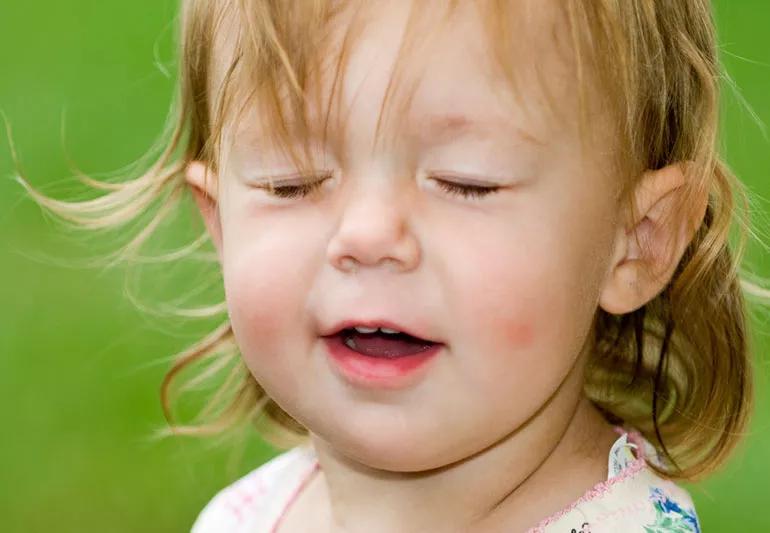
Comprehending Blinking
Kids blink all the time. We all do. It’s a natural body action. Blinking does many helpful things for our eyes.
What Blinking Does
Eyes need to stay wet. Blinking spreads tears over the eye. This keeps the eye surface smooth and clear. It helps us see well. Tears also clean the eye. They wash away tiny bits of dust or dirt. Blinking is like a tiny windshield wiper for the eye. It also protects the eye. If something comes too close, we blink fast. This keeps things out.
How Often Kids Blink
Babies blink less often than adults. As kids get older, they blink more. A toddler might blink 10 to 20 times in a minute. This is normal. Sometimes, kids blink more often. Or they blink in a way that looks strong or hard. This can make parents wonder why.
Deciphering Hard Blinking
Normal blinking is quick and soft. Hard blinking looks different. It seems like the child is squeezing their eyelids shut. They do it with more force than usual. It might happen many times in a row. Or it might be a single strong blink. Seeing this can be worrying for parents. But many times, the reason is simple. Let’s look at the common causes.
Simple Causes Toddler Blinking Hard
Often, the reason a child blinks hard is not serious. It might be something easy to fix.
Something in the Eye
This is a very common reason. A tiny bit of dust. A small piece of lint. A stray eyelash. These things can get into the eye. They bother the eye. They make the eye feel scratchy or itchy. The child blinks hard to try and get the thing out. It’s like the eye is trying to push it away. This is a simple child blinking problem. It usually stops when the irritant is gone.
- How to Check: Look closely at the eye. Is there anything visible? Is the eye red? Does the child rub the eye?
- What to Do: Gently rinse the eye with clean water. Or use sterile saline eyewash. Don’t rub the eye hard. If you see something, don’t try to dig it out. If it doesn’t come out easily, see a doctor.
Dry Eyes
Eyes need to be wet. Tears keep them moist. If eyes don’t have enough tears, they feel dry. Dry eyes can feel uncomfortable. They might feel scratchy or sandy. Blinking hard can feel like it helps spread tears. It might bring some comfort for a moment.
-
Why Eyes Get Dry:
- Not drinking enough water.
- Dry air (from heating or air conditioning).
- Windy weather.
- Too much screen time. Kids blink less when watching screens. This makes eyes dry.
-
What to Do: Make sure your child drinks enough water. Use a humidifier if the air is dry. Limit screen time. You can use artificial tears (like eye drops) made for kids. Ask your doctor which ones are safe.
Tiredness
When kids get very tired, they might blink hard. They might also rub their eyes. Their eyes can feel heavy. Blinking hard might be a way to try and keep them open. Or it could just be something they do when sleepy.
- How to Check: Is it close to nap time or bed time? Has the child had enough sleep?
- What to Do: Make sure your child gets enough sleep. Stick to a regular sleep schedule.
It’s Just a Habit
Kids sometimes pick up habits. Like twirling hair. Or biting nails. Or pulling on an ear. Blinking hard can become a habit too. Maybe it started because something was in the eye. The child kept blinking hard even after the problem was gone. It becomes a toddler eye blinking habit.
- How it Starts: Often, it begins for one of the reasons above (like irritation).
- How it Continues: The child gets used to doing it. It might happen when they are bored. Or when they are thinking hard. Or when they are not doing much.
- What to Know: Habits are usually harmless. They often go away on their own. It helps if you don’t make a big deal about it. Drawing attention to it can sometimes make it worse.
Fathoming Eye Health Issues
Sometimes, hard blinking is a sign of an eye problem. These need to be checked by a doctor.
Eye Allergies Toddler Blinking
Allergies can make eyes itch a lot. Things like pollen, dust mites, or pet hair can cause eye allergies. When a child has eye allergies, their eyes might be red, watery, and itchy. They might rub their eyes often. Blinking hard can be a way they try to relieve the itching. It might feel better for a second. This is a common cause for toddler excessive blinking causes, especially at certain times of the year.
-
Signs of Eye Allergies:
- Red eyes
- Watery eyes
- Itchy eyes
- Rubbing eyes
- Sneezing or runny nose (other allergy signs)
- Happens at certain times or in certain places
-
What to Do: See your doctor. They can suggest eye drops or medicine for allergies. Try to avoid what causes the allergy if you know what it is. Keep windows closed during pollen season. Wash bedding often to reduce dust mites.
Vision Problems
Problems with seeing can make kids blink hard. They might be trying to make things clearer. If a child can’t see things well, they might squint. Or they might blink forcefully. This is especially true if they are nearsighted (can’t see far away) or farsighted (can’t see close up). They might not know how to say “I can’t see.” Their body shows it by blinking hard.
-
Signs of Vision Problems:
- Squinting
- Holding books very close
- Sitting too close to the TV
- Headaches
- Trouble seeing the board at preschool
- Rubbing eyes a lot
- Blinking hard when trying to focus
-
What to Do: If you think your child might have trouble seeing, it’s important to get their eyes checked. A toddler vision test blinking is a good idea. An eye doctor can do tests to see if they need glasses. Eye exams are very safe and easy for kids.
Interpreting Feelings and Tics
Sometimes, hard blinking is linked to a child’s feelings or body movements they can’t control easily.
Anxiety Toddler Blinking
Kids feel worry and stress too. Big changes can cause stress. Starting a new school. A new baby at home. Problems in the family. Kids might not have the words to say they feel worried. Their body might show it. Blinking hard can be a way a child copes with stress or worry. It’s like a self-soothing action. Or it might be a sign of feeling tense. This link between anxiety toddler blinking is seen in some kids.
-
Signs of Anxiety in Toddlers:
- More clingy
- Trouble sleeping
- Changes in eating
- More irritable or crying
- Stomach aches or headaches
- Trouble separating from parents
- New fears
-
What to Do: Think about what might be causing stress for your child. Try to create a calm, predictable routine. Spend extra quiet time with them. Talk about feelings using simple words. If anxiety seems high or lasts a long time, talk to your doctor.
Toddler Eye Tic
Sometimes, hard blinking is a tic. A tic is a sudden, fast movement or sound. Kids don’t do it on purpose. They can’t easily stop themselves from doing it. Tics are common in childhood. They often show up between ages 5 and 10. But they can start earlier. An eye tic is one of the most common types of tics. It might look like a quick, hard blink. Or an eye roll. Or a squint.
-
What Tics Are Like:
- They are sudden and fast.
- They repeat the same way.
- The child can’t really control them.
- Stress or being tired can make them worse.
- They often come and go. They might last for weeks or months, then stop, then start again.
- They usually get better on their own over time.
-
What to Know About Tics: Tics are usually harmless. They don’t mean a child is doing something wrong. They are just things the body does. Most childhood tics go away by the teen years. Trying to make a child stop a tic can sometimes make it worse. It’s best not to draw a lot of attention to it.
Rare Neurological Blinking Child Causes
Very, very rarely, blinking tics can be part of something called Tourette Syndrome. This involves both body tics (like blinking) and sound tics (like clearing the throat). Tourette Syndrome is not common. It’s a neurological condition. It affects the brain. But forceful blinking by itself in a toddler is not usually a sign of Tourette Syndrome. It’s much more likely to be one of the simpler things we talked about. A neurological blinking child cause is something a doctor would look into only if there are other signs.
When to See Doctor Toddler Blinking Hard
Most of the time, hard blinking is not serious. It often goes away on its own. But there are times when you should talk to your doctor.
Signs It’s Time to Call the Doctor
- It doesn’t stop: The blinking has been happening for many weeks or months.
- It gets worse: The blinking is happening more often. Or it is stronger.
- It bothers the child: The child says their eyes hurt. Or they are upset by the blinking.
- You see other symptoms:
- Eye pain, redness, or swelling.
- Changes in vision.
- Headaches.
- Other body movements the child can’t control (other tics).
- Changes in how they walk or talk.
- Signs of high anxiety that won’t go away.
- You are worried: It’s always okay to talk to your doctor if you are concerned about your child’s health.
Don’t wait too long if you are worried. Your doctor can help you figure out what’s going on. Getting help early is always a good idea.
Steps You Can Take
If your toddler is blinking hard, here are some things you can do at home.
Watch and Observe
Pay close attention to when the blinking happens.
- When: Does it happen at certain times of the day? When they are tired? When they are watching TV? When they are stressed? When they are not doing much?
- How Often: Does it happen many times in a minute? Or just a few times a day?
- How Long: Did it just start? Or has it been going on for a while?
- What’s Happening Around Them: Is there dust in the air? Are they doing something that might make them anxious?
Keeping a small note of this can help you and the doctor.
Check for Simple Causes
- Look for anything in the eye.
- Think about how much screen time they have. Maybe cut back to see if it helps.
- Make sure they are getting enough sleep and water.
Don’t Make a Big Deal
If you think it’s a habit or a tic, try not to talk about it. Don’t tell them to stop. Don’t stare at them when they do it. Drawing attention to it can make kids feel nervous. This can sometimes make the blinking worse. Act like you don’t notice. Often, if you ignore it, it will go away faster if it’s just a habit or a simple tic.
Talk Gently (If They Are Old Enough)
If your child is old enough to talk a little (maybe age 3 and up), you can ask simple questions. “Do your eyes feel funny?” “Does something bother your eye?” Don’t push for an answer. Just see if they can tell you anything. If you think it might be from worry, you can say things like, “It’s okay to feel worried sometimes.” “We can talk about it.”
What Happens at the Doctor’s Visit
If you see your doctor about the hard blinking, here’s what might happen.
Doctor Will Ask Questions
The doctor will ask you many things.
- When did the blinking start?
- How often does it happen?
- What does it look like?
- Have you seen anything in the eye?
- Are there other symptoms? (Redness, pain, etc.)
- Has anything changed recently? (New school, etc.)
- Does it happen more at certain times?
- Does it stop when the child is focused on something fun? (Tics often lessen when kids are focused.)
Be ready to share what you have seen.
Doctor Will Look at the Child
The doctor will look at your child’s eyes. They will check for redness or swelling. They will look for anything in the eye. They might do a simple check of eye movement.
May See an Eye Doctor
If the doctor thinks it might be a vision problem or another eye issue, they will send you to an eye doctor (an ophthalmologist or optometrist). These doctors know a lot about eyes. They can do a full toddler vision test blinking check. They can see if glasses are needed. Or if there is an eye allergy or other issue.
May Talk About Feelings
If the doctor thinks the blinking might be linked to stress or anxiety, they can talk about ways to help. They might suggest talking to a child therapist if the anxiety seems high.
Helping the Hard Blinking Stop
The way to help the blinking depends on why it’s happening.
Simple Fixes
- For irritation: Rinse the eye.
- For dry eyes: Use special eye drops for kids. Limit screens.
- For allergies: Use allergy eye drops or medicine the doctor says are okay. Avoid what causes allergies.
- For tiredness: Make sure they get enough sleep.
For Vision Problems
If the eye doctor finds a vision problem, glasses might help. Wearing glasses will help the child see better. This takes away the need to blink hard to try and focus.
For Habits or Tics
If it’s a habit or simple tic, the best thing is usually to ignore it. It often goes away on its own. If the tic is severe or lasts a long time, doctors can offer other ideas. Sometimes, simple things like teaching a child a different movement to do when they feel the urge to blink can help older kids. This is called Habit Reversal Training. But this is more for older kids, not toddlers. For toddlers, just ignoring it is best.
For Anxiety
Helping the child with their worries can make the blinking stop. This might involve spending calm time together. Talking about feelings. Or getting help from a child therapist to learn ways to handle worry.
Final Thoughts
Seeing your toddler blink hard can make you worry. It’s good that you are looking into it. Remember, most of the time, the reason is simple. It could be something in the eye, dry eyes, or just a new habit. Sometimes, it’s linked to allergies, trouble seeing, or feeling worried. Rarely, it’s a tic that will pass.
Pay attention to what you see. Try simple home steps. Don’t make a big deal about it if you think it’s a habit or tic. If it lasts a long time, gets worse, or you see other signs, talk to your doctor. They can help you find the reason and what to do. You are doing a great job looking out for your child.
Frequently Asked Questions
H4 Is toddler blinking hard always serious?
No. Most times, it is not serious. It can be caused by simple things like something in the eye or dry eyes. It can also be a habit that goes away.
H4 Can hard blinking be a sign of a brain problem?
It is very rare for hard blinking alone to be a sign of a serious brain problem. Tics are linked to the brain, but childhood tics are common and usually harmless. More serious neurological causes are very uncommon and usually involve other signs.
H4 Will my toddler stop blinking hard on their own?
Often, yes. If it’s due to irritation, it stops when the irritant is gone. If it’s a habit or simple tic, it often goes away on its own over weeks or months. If it’s due to something like allergies or vision problems, it will stop when that issue is treated.
H4 Should I tell my child to stop blinking hard?
No, it’s usually best not to tell them to stop. If it’s a habit or a tic, they can’t easily control it. Telling them to stop can make them feel stressed. This might make the blinking happen more. Try to ignore it if possible.
H4 Can screen time cause a child to blink hard?
Yes. Watching screens can make eyes dry because kids blink less. Dry eyes can lead to hard blinking. Limiting screen time is a good step.
H4 What kind of doctor should I see?
Start with your child’s regular doctor (pediatrician). They can check for simple things. If they think it might be an eye problem, they will send you to an eye doctor (ophthalmologist or optometrist).
H4 Is blinking hard painful for the child?
It might feel uncomfortable if it’s due to dryness or something in the eye. If it’s a habit or tic, it’s usually not painful, but some kids say they feel an urge before the blink.