
How to help toddler hair grow? You might wonder about your little one’s hair. Is it growing fast enough? Does it feel thin? It’s important to know that hair growth varies a lot in babies and toddlers. Some kids have a lot of thick hair early on. Others have fine hair that grows slowly. Both are usually normal. Hair growth is a natural process. It’s different for everyone. While you can’t change genetics, you can help support healthy hair growth. This can make the hair they have look and feel thicker over time. This guide shares simple ways to care for your toddler’s hair and help it be as healthy and strong as possible.
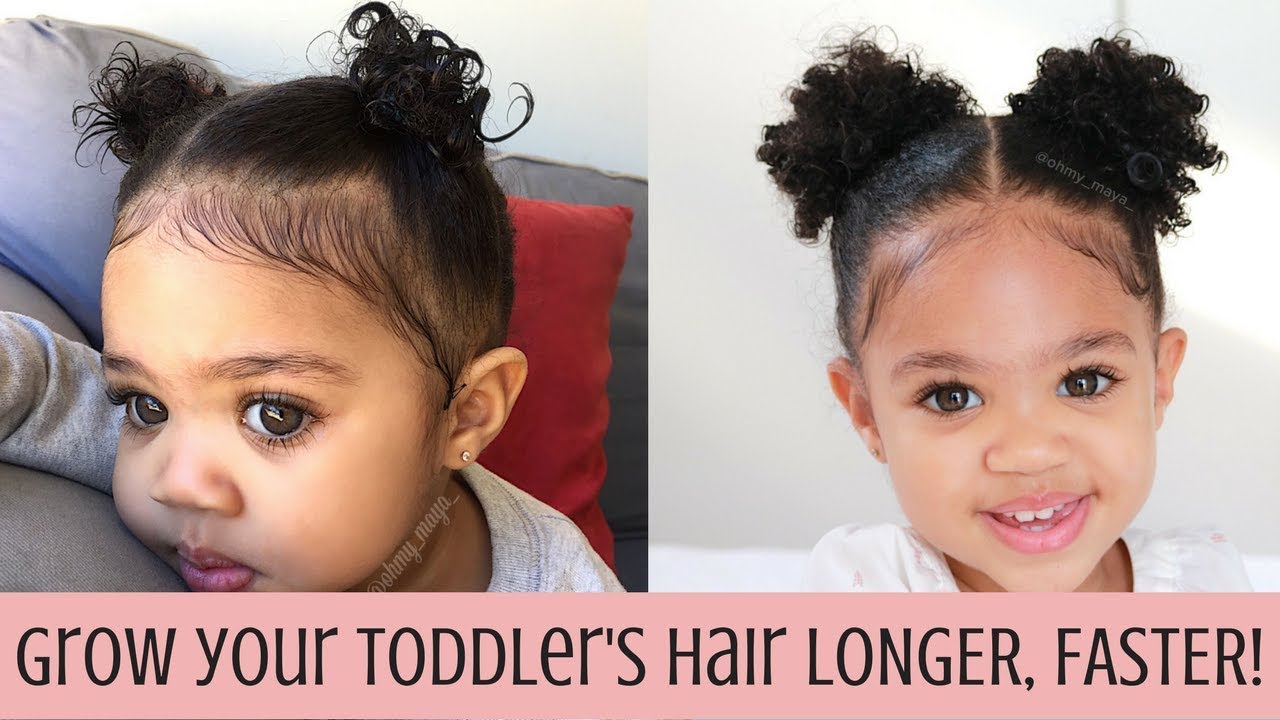
Image Source: i.ytimg.com
Grasping Toddler Hair Growth
It helps to know how hair grows. Hair grows in cycles. There’s a growth phase, a resting phase, and a shedding phase. For toddlers, this process is still settling.
Average Toddler Hair Growth Rate
Hair grows about half an inch per month for most people. This is the average toddler hair growth rate. But it can be slower or faster. Some babies are born with a full head of hair. Some have very little. Often, the baby hair falls out in the first few months. New hair grows back. This new hair might be a different color or texture. Don’t worry if your toddler’s hair seems different from when they were a baby. This is normal.
Things That Affect Hair Growth
Many things can affect how hair grows.
* Genetics: Family traits play a big role. Look at your hair and your partner’s hair. How was your hair as a child? This can give you an idea.
* Health: A healthy child usually has healthy hair. If a child is sick, their hair growth might slow down.
* Nutrition: Good food helps the body, including hair. We will talk more about this.
* Hormones: Hormones change as children grow. These changes can affect hair.
* Care: How you care for the hair matters. Gentle care is best.
Figuring Out Why Hair Might Be Thin or Slow
Sometimes parents worry about slow hair growth in toddlers causes or toddler hair thinning. There are several reasons this might happen. Most reasons are not serious.
Common Causes for Slow or Thin Hair
- Normal Variation: As mentioned, everyone is different. What looks “slow” to one parent might be normal for that child.
- Telogen Effluvium: This is a temporary hair loss. It can happen after a fever, illness, or stress. A lot of hair might go into the resting phase at once. Then it sheds. New hair usually grows back within a few months.
- Tinea Capitis (Ringworm): This is a fungal infection on the scalp. It can cause bald patches. It often looks like a ring. It needs treatment from a doctor.
- Alopecia Areata: This is an autoimmune condition. It causes round, smooth bald spots. It happens when the body’s immune system attacks hair follicles. A doctor should diagnose and treat this.
- Hair Trauma: Pulling, tight hairstyles, or harsh brushing can break hair. This makes it look thinner. This is called traction alopecia.
- Nutrient Shortages: Not getting enough of certain vitamins or minerals can affect hair growth.
- Underlying Health Conditions: Rarely, a health issue or hormone problem can affect hair. If you are worried, talk to your doctor.
It’s important to note that toddler hair thinning can be scary to see. But often, it is temporary. The hair can come back. Always check with your child’s doctor if you are concerned about hair loss or slow growth.
Fueling Hair Growth with Food
What your toddler eats is very important for their hair health. A diet for healthy toddler hair should be full of good nutrients. Hair is made of protein. It needs vitamins and minerals to grow strong.
Key Nutrients for Healthy Hair
Make sure your toddler gets a balanced diet with these key things:
* Protein: This is the building block of hair.
* Examples: Chicken, fish, eggs, beans, lentils, yogurt, cheese.
* Iron: Iron helps carry oxygen to hair follicles. Low iron can cause hair loss.
* Examples: Red meat, beans, fortified cereals, spinach (cooked).
* Zinc: Zinc helps hair tissue grow and repair.
* Examples: Meat, nuts, seeds, dairy.
* B Vitamins (especially Biotin): Biotin is often linked to hair health. Other B vitamins help with energy and cell growth.
* Examples: Eggs, nuts, whole grains, meat, fish, vegetables.
* Vitamin A: Helps the scalp make oil (sebum). Sebum keeps hair healthy.
* Examples: Carrots, sweet potatoes, spinach, broccoli, eggs, milk.
* Vitamin C: Helps the body absorb iron. It also helps make collagen. Collagen is part of hair structure.
* Examples: Citrus fruits, strawberries, bell peppers, broccoli.
* Vitamin D: Low Vitamin D may be linked to hair loss.
* Examples: Fatty fish, fortified milk, sunshine.
* Vitamin E: An antioxidant. It helps protect hair from damage.
* Examples: Nuts, seeds, spinach, broccoli.
* Omega-3 Fatty Acids: These healthy fats may help with scalp health.
* Examples: Fatty fish (salmon), flaxseeds, walnuts.
Food Ideas for Healthy Hair
Offer a colorful plate of food to your toddler.
* Breakfast: Oatmeal with berries and a sprinkle of nuts or seeds (ground for safety). Scrambled eggs. Yogurt with fruit.
* Lunch: Bean soup. Lentil stew. Chicken strips with veggie sticks. Cheese cubes.
* Dinner: Small pieces of fish or meat. Veggie stir-fry. Rice and beans.
* Snacks: Fruit slices, veggie sticks with hummus, a handful of nuts (if safe and ground or chopped small), yogurt.
Making sure your toddler eats a variety of these foods helps ensure they get the nutrients they need for overall health, including healthy hair.
Vitamins and Supplements
Can vitamins for toddler hair growth help? A healthy diet is usually enough. Most toddlers don’t need extra vitamins just for hair. If your toddler is a picky eater, or has a health condition, your doctor might suggest a multivitamin.
- Always talk to your pediatrician first. Giving too many vitamins can be harmful.
- Avoid specific “hair growth” supplements for toddlers. These are usually not tested for young children. They might contain things that are not safe or needed.
- Focus on a balanced children’s multivitamin if your doctor recommends one.
Gentle Care for Growing Hair
How you wash, brush, and style your toddler’s hair makes a difference. Gentle care helps prevent breakage. This allows hair to grow longer and look thicker.
Picking the Right Products
Using the right shampoo and conditioner is key.
* Best Shampoo for Toddler Hair Growth: Look for gentle products.
* Choose: Tear-free formulas. Shampoos with simple ingredients. Products labeled for babies or toddlers.
* Avoid: Harsh chemicals like sulfates (SLS), parabens, and strong fragrances. These can dry out the scalp and hair.
* How often to wash: Toddlers don’t need to wash their hair every day. Washing 1-3 times a week is usually enough. This keeps the scalp’s natural oils.
- Conditioner: Toddler hair is often fine. A little conditioner can help prevent tangles.
- Choose: Lightweight conditioners. Leave-in spray conditioners are easy.
- Apply: Just a small amount on the ends of the hair. Rinse well.
Caring for the Scalp
A healthy scalp is needed for healthy hair growth.
* Scalp Massage for Toddler Hair: Gently massaging your toddler’s scalp can help.
* How to do it: Use the pads of your fingertips. Move in small circles. Do this softly. You can do it when washing hair or just when cuddling.
* Benefits: It may help blood flow to the scalp. This could support hair follicles. It’s also a nice, relaxing moment for your child.
Using Natural Oils
Many parents like to use natural oils for toddler hair. These can add moisture and shine. They can also help with dry scalp.
-
Good Oils to Consider:
- Coconut Oil: Very common and safe. It can help moisturize hair and scalp. Use a small amount.
- Jojoba Oil: Similar to the oil our scalp makes. It can help balance scalp oil.
- Almond Oil: Light and good for moisturizing. Check for nut allergies first.
- Olive Oil: A bit heavier. Can be used for a deep moisture treatment.
- Castor Oil: Some people believe it helps hair growth. It’s very thick. Mix it with a lighter oil like coconut or almond oil if you use it.
-
How to Use Oils:
- Small Amount: Use just a tiny bit. Toddler hair gets greasy easily.
- Application: Warm a few drops in your hands. Gently rub onto the scalp or smooth over the ends of the hair.
- Overnight Treatment: For dry scalp, you can apply a bit more oil to the scalp before bed. Wash it out in the morning. Put a soft hat or towel on the pillow.
- Patch Test: Always test a small amount of oil on a patch of skin first. Wait 24 hours to check for a reaction.
Table: Natural Oils and Potential Uses
| Natural Oil | Texture | Common Use for Hair & Scalp | Notes |
|---|---|---|---|
| Coconut Oil | Solid/Liquid | Moisturizing, Conditioning | Very popular, easily found |
| Jojoba Oil | Liquid | Balances scalp oil, Moisturizing | Closest to natural sebum |
| Almond Oil | Liquid | Moisturizing, Adds Shine | Check for nut allergies |
| Olive Oil | Liquid | Deep Conditioning, Adds Moisture | Can be a bit heavy |
| Castor Oil | Very Thick | Moisturizing (often mixed), Some believe helps growth | Mix with lighter oil |
Creating a Hair Care Routine
A simple, consistent hair care routine for toddlers can help keep their hair healthy and reduce breakage.
Steps for Gentle Hair Care
- Washing: Use a gentle, tear-free shampoo 1-3 times a week. Focus on the scalp. Rinse well.
- Conditioning: Use a lightweight conditioner or detangling spray if needed. Apply to ends.
- Drying: Gently pat hair dry with a soft towel. Avoid rubbing hard. Air drying is best when possible.
- Brushing: Use a wide-tooth comb or a soft-bristle brush made for babies or toddlers.
- Start: Start from the ends of the hair and work your way up. Hold the hair gently to avoid pulling.
- When: Brush tangled hair gently. Brush just once or twice a day is usually enough. Don’t over-brush.
- Styling:
- Avoid: Tight ponytails, braids, or headbands that pull the hair tight. This can cause breakage and thinning over time (traction alopecia).
- Choose: Loose styles. Use soft hair ties instead of rubber bands.
- Reduce: Avoid heat styling (blow dryers, straighteners) as much as possible on toddler hair. Their hair is very fine and easily damaged.
Protecting Hair at Night
Toddlers move around a lot when sleeping. This can cause friction and tangles.
* Use a silk or satin pillowcase. This reduces friction on the hair.
* For long hair, a loose braid can help prevent knots overnight.
Actions to Help Make Toddler Hair Thicker
While you can’t change the number of hair follicles a child has (that’s genetics), you can focus on health and care. This can make the strands they have stronger and healthier. This helps their hair look and feel thicker. Here’s how to make toddler hair thicker by supporting its natural health.
Focus on Nutrition
- Healthy Food First: This is the most important step. Offer a varied diet rich in protein, iron, zinc, and vitamins.
- Hydration: Make sure your toddler drinks enough water. Being well-hydrated helps overall health, including hair.
Gentle Handling
- Avoid Harsh Chemicals: Use only mild, toddler-specific hair products.
- Brush with Care: Always use a soft brush and start from the ends to avoid pulling.
- Loose Hairstyles: Prevent breakage by avoiding tight styles.
- Limit Heat: Air dry hair instead of using a blow dryer.
Scalp Health
- Regular, Gentle Washing: Keep the scalp clean but don’t strip natural oils.
- Scalp Massage: Do soft scalp massage for toddler hair to potentially help blood flow.
- Moisturize (if needed): Use a tiny bit of natural oil on a dry scalp or hair ends.
Check for Issues
- Keep an eye on your toddler’s scalp. Look for dryness, redness, or patches.
- If you see anything unusual, or if hair loss seems sudden or patchy, talk to your pediatrician.
Be Patient
Remember that hair growth takes time. There’s no magic solution for instant thick hair. Focus on good health and gentle care. The hair will grow as it is meant to. It may naturally become thicker as your child gets older.
When to Talk to the Doctor
Most cases of slow or thin hair in toddlers are normal or due to simple things like breakage or temporary shedding. However, there are times when you should see a doctor.
- Sudden or Patchy Hair Loss: If hair is falling out in specific spots or very quickly.
- Scalp Changes: Redness, scaling, itching, or bumps on the scalp.
- Hair Pulling: If your child is pulling out their own hair (trichotillomania).
- No Growth: If your child’s hair seems to have stopped growing completely for a long time.
- Overall Health Concerns: If slow hair growth happens with other symptoms like not gaining weight, being very tired, etc.
Your pediatrician can check for any underlying health issues. They can also give advice specific to your child.
Key Takeaways for Parents
- Toddler hair growth varies greatly. It’s often linked to genetics.
- Focus on a healthy, balanced diet for healthy toddler hair. Ensure they get enough protein, iron, zinc, and vitamins.
- Avoid harsh products. Use a gentle best shampoo for toddler hair growth that is tear-free and mild.
- Handle hair gently. Avoid tight styles. Use a soft brush.
- Scalp massage for toddler hair can be a nice addition to the routine.
- Natural oils like coconut or jojoba oil can help with moisture but use sparingly.
- Most toddler hair thinning or slow growth is normal or temporary.
- If you are worried about slow hair growth in toddlers causes, talk to your doctor.
- Be patient! Healthy hair grows over time with good care.
Helping your toddler’s hair grow thicker is more about supporting its natural health and growth cycle. By focusing on good nutrition, gentle care, and a healthy scalp, you give their hair the best chance to be strong and full. Celebrate their unique hair, whatever its texture or speed of growth!
Frequently Asked Questions
H4 What is a normal toddler hair growth rate?
Hair usually grows about half an inch each month. But this varies a lot among children.
H4 Do vitamins help toddler hair grow thicker?
A balanced diet provides the nutrients needed for hair growth. Vitamins are usually not needed specifically for hair unless a doctor recommends a multivitamin due to dietary gaps or a health issue. Always check with your pediatrician first.
H4 Can I use natural oils on my toddler’s hair?
Yes, you can use natural oils like coconut or jojoba oil. Use only a tiny amount. They can help moisturize the scalp and hair. Do a patch test first to check for skin reactions.
H4 What is the best shampoo for toddler hair growth?
The best shampoo is a gentle, tear-free formula made for babies or toddlers. Look for fewer harsh chemicals. It won’t make hair grow faster, but it helps keep the scalp healthy, which supports growth.
H4 How often should I wash my toddler’s hair?
Washing 1-3 times per week is usually enough. Washing too often can strip natural oils that protect the hair and scalp.
H4 Can tight hairstyles cause hair thinning in toddlers?
Yes, tight ponytails, braids, or headbands that pull on the hair can cause breakage and hair thinning over time. This is called traction alopecia. Choose loose styles instead.
H4 Is slow hair growth in toddlers always a problem?
No, slow hair growth is often normal. It can be due to genetics or just how your child develops. If growth is extremely slow, stops, or is combined with other health concerns, talk to your doctor.
H4 How does diet affect toddler hair?
A good diet provides the protein, vitamins (like A, C, D, E, B vitamins), and minerals (like iron, zinc) that hair needs to grow strong and healthy. A poor diet can lead to nutrient shortages that affect hair.