
Giving liquid medicine to your little one is often a big challenge. Toddlers are learning about the world. They want to do things themselves. They don’t always want what you give them. This is very true for medicine. It can taste bad. It can feel strange. It’s normal for kids this age to fight it. But don’t worry. You can learn ways to make it much easier. There are many helpful strategies for giving medicine to toddlers. This guide will share proven ways to help your toddler take liquid medicine with less fuss. You will find ideas that work.
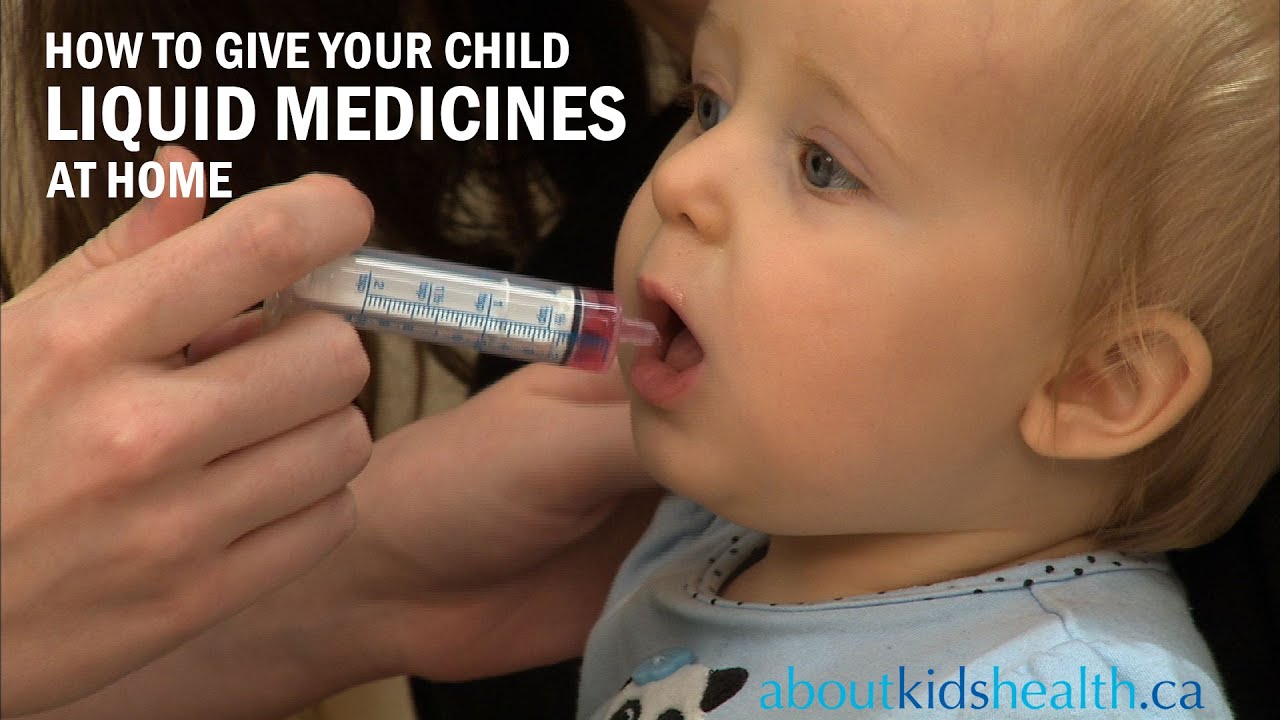
Image Source: i.ytimg.com
Facing the Challenge of Toddler Medicine Time
Why is it so hard to give medicine to a small child? Toddlers are just beginning to have their own ideas. They are testing boundaries. They often say “no” just because they can.
When they are sick, they feel bad. They might be scared. They might be cranky. Medicine often smells or tastes funny to them. They might have had a bad experience before. Maybe it made them feel worse at first. Maybe they spit it up.
Dealing with a toddler refusing medication is a common problem for parents. It’s not just your child being difficult. It’s a mix of their age, how they feel, and the medicine itself.
It can be very stressful for everyone. You know your child needs the medicine to get better. They just know they don’t want it.
But with patience and the right methods, you can make medicine time less of a battle. You can help your child take the medicine they need. This helps them feel better faster.
Getting Ready Before You Start
Being prepared makes a big difference. Don’t wait until your toddler is fighting you. Get everything ready first. This helps you stay calm. It helps things go faster.
Checking the Prescription Details
Always read the medicine bottle first. Look at the label carefully.
* What is the name of the medicine? Is it the right one?
* What is the dose? How much liquid should you give?
* How often should they take it? Every 4 hours? Every day?
* Should you give it with food? Or without food?
* Does it need to be kept in the fridge?
* When does it expire?
Make sure you know these things. If you are not sure, ask your doctor or pharmacist. Giving the wrong dose can be dangerous.
Having Your Tools and Supplies Ready
Gather everything you need before you call your child.
* The medicine bottle.
* The right measuring tool. This is very important. Use the tool that came with the medicine. Or use a special medicine syringe, cup, or spoon. Kitchen spoons are not right for measuring medicine.
* A little bit of water or juice. Have it ready for them to drink right after taking the medicine. This washes the taste away.
* A towel or bib. Medicine can spill. Be ready to catch it. This saves clothes and furniture.
* A small reward. Have a sticker, a favorite tiny toy, or a piece of fruit ready. You can give this right after they take the medicine.
Having everything set up means you don’t have to stop. It means you can give the medicine quickly and smoothly.
Picking the Best Tool for Giving Medicine
The tool you use can make a difference. Some tools work better for small babies. Some work better for older toddlers. It depends on your child and the medicine.
Using a Syringe for Giving Medicine
Using a syringe to give toddler medicine is often the best way. Syringes are usually plastic. They have marks on the side for measuring. They don’t have needles.
* Why syringes are good:
* They are very good for giving the exact dose.
* You can put the medicine in the side of the cheek. This makes it harder to spit out.
* You can give the medicine slowly. This helps your child swallow small bits.
* Most liquid medicines come with a syringe.
* How to use a syringe:
* Pull the medicine into the syringe. Make sure you have the right amount. Check the line on the side.
* Hold your child gently but firmly. Sitting them on your lap works well. Their head can rest against you.
* Put the tip of the syringe into their mouth. Aim it towards the inside of their cheek. Go towards the back. Don’t aim it straight down their throat. This can make them choke.
* Push the plunger slowly. Give a little bit of medicine. Let them swallow. Then give a little more.
* Go slow. Let them breathe and swallow between pushes.
Syringes give you good control. They help get the medicine where it needs to go.
Using Medicine Cups or Dispensers
Some medicines come with small cups. There are also special spoons or dispensers. Using medicine cups or dispensers for toddlers can work too.
* Why cups/spoons might work:
* Your child might feel more in control if they use a cup.
* They might like pouring it themselves (with your help).
* Some kids just prefer using a cup.
* Why they might not work:
* It’s easier to spill medicine from a cup or spoon.
* It’s harder to measure the exact dose perfectly.
* Your child can easily push the cup away or spit it out.
* Tips for cups/spoons:
* Make sure you pour the exact amount. Look at the lines on the cup.
* Give it quickly before they change their mind.
* Have the water or juice ready right away to wash down the taste.
You can let your child choose the tool. Maybe they want the “big kid” cup. This can help them feel like they have a say.
Smart Techniques for Giving the Medicine
Okay, you have the medicine ready. You have the right tool. Now, how do you actually give it? Here are some methods.
Aiming for the Cheek
When using a syringe, don’t shoot the medicine down the middle of their throat. This can cause gagging or choking.
Instead, put the syringe tip in the side of their mouth. Point it towards the back molar area (even if they don’t have molars yet). Aim it between their cheek and gums.
This sends the medicine to the side. It makes it harder for them to push it out with their tongue. It also helps them swallow it little by little.
Giving Small Amounts Slowly
Don’t give the whole dose at once, especially if it’s a lot. Push the syringe plunger just a little bit. Give maybe half a milliliter or one milliliter at a time.
Let your child swallow that small amount. Wait a second. Then give a little more.
This helps them manage the taste. It helps prevent choking. It makes the process less scary for them. It gives them time to get used to it.
The Gentle Blow Trick
This is an old trick that often works. After you give a small amount of medicine, gently blow a puff of air into your child’s face. Just a soft puff near their eyes or forehead.
This often makes them gasp or swallow. It can help them swallow the medicine without thinking about it too much. It’s a reflex action.
Sitting Upright and Securely
Never give a toddler liquid medicine when they are lying flat on their back. They could choke.
Sit your child upright on your lap. Their head should be slightly back but supported. Hold them gently but securely. This helps them swallow safely. It also prevents them from wiggling away too much while you are giving the medicine. A firm but loving hold is key.
Being Quick and Confident
Toddlers can sense if you are nervous. If you hesitate, they might get scared. Take a deep breath. Be quick and confident in your actions.
Have everything ready. Know your plan. Give the medicine swiftly but gently. The faster it’s done, the less time they have to fight it.
Say encouraging things in a calm voice. “Okay, time for medicine. You can do this. Quick sip!”
Solving the Bad Taste Problem
Many liquid medicines taste bad. They can be bitter or sweet in a weird way. This is a major reason toddlers refuse to take them. Here are ways to deal with the taste.
Hiding the Taste of Medicine for Kids
Can you mix the medicine with food or drink? Sometimes, yes. But you must be careful. This is a key way of hiding the taste of medicine for kids.
-
What to mix with:
- Use a very small amount of food or drink. Just enough to mix the medicine in. About a tablespoon or two.
- Good choices are foods with strong flavors and thick textures. Applesauce, yogurt, pudding, or a tiny bit of juice concentrate (like grape or apple).
- Warm foods are not good. They can make the taste stronger.
- Never mix medicine into a whole bottle of milk or a whole cup of juice. Your child must drink or eat all of the mixture to get the full dose. If they don’t finish it, you don’t know how much medicine they got. You cannot give more if you don’t know the dose they received.
-
What NOT to mix with:
- Milk or formula. These can sometimes stop the medicine from working right. Ask your pharmacist or doctor first.
- Essential foods or drinks. Don’t mix it into the milk they need for their meal. If they refuse it, they might start refusing that food or drink all the time. You don’t want them to hate milk because medicine was in it.
Mixing toddler medicine with food is a common method. But only use a small amount of food. Make sure they eat it all quickly. Have another spoonful of plain food ready to give right after. This helps clear the bad taste completely.
Flavoring Liquid Medicine for Toddlers
Did you know you can sometimes add flavor to medicine? Some pharmacies offer this service. This is a great way of flavoring liquid medicine for toddlers.
They have special flavor drops. You can choose flavors like cherry, grape, bubblegum, or even chocolate.
Ask your pharmacist if they can add a flavor to the medicine your doctor prescribed. There is usually a small extra cost. But for some kids, this makes a huge difference. It can turn medicine time from a fight into something much easier.
Offering a Strong Chase Drink or Food
Even if you can’t hide or flavor the medicine, you can chase it quickly. Have a strong-tasting drink ready. A sip of juice (not too much sugar!). Or a piece of fruit like an orange slice.
Give them the medicine, and immediately give them the chase food or drink. This helps wash away the bad taste fast.
Special Tips for Giving Liquid Antibiotics
Antibiotics are a common liquid medicine for toddlers. Tips for administering liquid antibiotics to toddlers are helpful because these medicines must be given correctly.
- Always Finish the Full Course: This is very important. Antibiotics kill bacteria. Your child needs to take all the medicine prescribed. Even if they start feeling better. If they stop too soon, some bacteria might survive. These can be harder to kill next time.
- Stick to the Schedule: Give antibiotics at the same time each day. This keeps a steady level of medicine in their body. This helps it work best. Set an alarm on your phone if you need to.
- Check Storage Needs: Many liquid antibiotics need to be kept in the refrigerator. Check the label. Keeping them cold can also make the taste a little less strong for some kids.
- Measure Carefully: Antibiotic doses are often based on your child’s weight. Make sure you give the exact amount the doctor ordered. Use the right measuring tool.
- Dealing with Refusal (Again): Since they must finish the course, you have to be extra persistent with antibiotics. Use all the strategies above. If they fight very hard, try the safe restraint method (see below). It’s vital they get the dose.
Making Medicine Time Easier Overall
Beyond the act of giving the medicine, you can change the whole experience. Making medicine time easier for toddlers is about creating a positive feeling around it.
Create a Predictable Routine
Toddlers like knowing what to expect. Make medicine time part of the daily routine.
* Do it at the same time each day.
* Do it in the same place.
* Follow the same steps each time.
* Talk about it right before. “Soon it will be medicine time. After that, we can play!”
This helps your child feel more secure. They know what is coming.
Offer Limited Choices
Give your toddler a small amount of control. This can reduce their resistance.
* “Do you want to take your medicine with the red cup or the blue cup?”
* “Do you want to sit on Mommy’s lap or Daddy’s lap?”
* “Do you want to take your water sip before or after the medicine?”
* “Do you want your sticker on your hand or your shirt?”
Letting them choose one small thing helps them feel important. It takes their mind off the bad part.
Use Play and Practice
Make medicine time part of playtime.
* Let your child give “medicine” (water) to a doll or stuffed animal using a play syringe.
* Read books about going to the doctor or taking medicine.
* Draw pictures of taking medicine.
Practice can make it feel less scary. Play makes it less serious.
Stay Calm and Positive
Your attitude matters a lot. If you are stressed, your child will feel it.
* Try to stay calm. Take a deep breath before you start.
* Use a happy, encouraging voice. “You are doing such a good job!”
* Praise their effort, not just the result. “Thank you for trying!”
Even if they cry or fight, try to remain calm. This helps them calm down sooner too.
Be Honest (in Simple Terms)
Don’t lie and say the medicine tastes like candy. They won’t believe you next time.
You can say, “This medicine will help your tummy feel better. It might taste yucky for just a second. But then you can have some juice.”
Tell them what will happen. “First, we take the medicine. Then, you get a sticker!”
Using Rewards and Praise
After the medicine is down, celebrate! Positive reinforcement for taking medicine is a powerful tool.
Lots of Praise
Toddlers love praise. As soon as they swallow, cheer for them!
* “Yay! You did it!”
* “You are so brave!”
* “Good job taking your medicine!”
* Clap your hands. Give them a high five.
Make it a big deal that they did something difficult.
Small, Immediate Rewards
Have a small reward ready. Give it right after the medicine goes down.
* A sticker.
* A piece of fruit.
* A small treat (like a single mini-marshmallow or chocolate chip – check with doctor if okay).
* A few minutes of a favorite activity or screen time.
* A quick fun game or tickle.
The reward should be small. It should happen right away. This helps them connect the reward to taking the medicine.
Reward Chart
For longer treatments (like antibiotics), a sticker chart can work. Put a sticker on the chart each time they take the medicine. After a certain number of stickers, they get a slightly bigger prize. Like a new small book or a trip to the park.
This helps them see their progress. It gives them something to look forward to.
What If They Absolutely Refuse?
You’ve tried everything. The gentle ways aren’t working. Your child is fighting hard. Dealing with a toddler refusing medication sometimes means you have to be firm. It’s more important for them to get the medicine than to avoid a tantrum.
The Safe Hold Technique
This is for times when you must get the medicine in. You need two people if possible.
* Sit on a chair. Place your child on your lap, facing away from you. One of their arms can go around your back. Use one of your arms to hold their other arm gently against their side.
* The second person holds the child’s head gently but firmly. They can keep the child from turning away. They can also keep their mouth from being clamped shut too tightly.
* Use the syringe. Aim for the cheek pocket. Give the medicine quickly and calmly.
* Talk to them the whole time. Use a calm voice. Say, “It’s okay. Mommy is helping you get the medicine. It will be very fast.”
* As soon as the medicine is swallowed, release your hold. Go back to being loving and comforting. It’s important that the firm hold stops as soon as the medicine is in.
This is not meant to be scary. It is done for safety. It ensures the medicine goes in. It is a last resort when other methods fail. And it should be done calmly, not angrily.
What If They Spit It Up?
If your child spits up the medicine right away (within a few minutes), they likely didn’t get the full dose. But how much did they spit up? It’s hard to know.
* Do not give another full dose. You could give too much.
* Call your doctor or pharmacist. Tell them what happened. They will tell you what to do. They might tell you to give a small amount again. Or they might say to wait until the next dose time. It depends on the medicine and how much was spit up.
If they throw up later (more than 15-30 minutes after taking it), the medicine has probably been absorbed. You usually don’t need to give more. But ask your doctor if you are unsure.
When to Talk to the Doctor or Pharmacist
There are times when you need professional help.
* If you cannot give the medicine at all. If, after trying methods, your child just will not take it. The doctor needs to know. They might be able to prescribe a different medicine. Maybe one that tastes better. Maybe one that is given less often.
* If your child throws up every dose.
* If your child has a bad reaction. Like a rash, swelling, or trouble breathing. Stop the medicine and call your doctor right away. Go to the emergency room if it is serious.
* If you think you gave too much medicine.
* If the medicine doesn’t seem to be working. Or if your child gets worse.
Your doctor and pharmacist are there to help. Don’t be afraid to ask questions or tell them about your struggles.
Conclusion
Giving liquid medicine to a toddler can feel like a battle. But remember, you are not alone. It is a common parenting challenge. Toddlers are figuring out the world. They are asserting their will. Medicine often tastes bad and feels strange.
By using good strategies for giving medicine to toddlers, you can make it work. Choose the right tool, like using a syringe to give toddler medicine. Learn techniques like giving small amounts in the cheek. Try hiding the taste of medicine for kids or flavoring liquid medicine for toddlers.
Make the process easier overall by creating a routine. Offer choices. Use play and practice. Making medicine time easier for toddlers is possible with patience.
Always use positive reinforcement for taking medicine. Praise and reward your child for their effort.
If your child is still dealing with a toddler refusing medication strongly, a safe hold might be needed for important medicines like liquid antibiotics. Always finish the full dose if possible.
If you are struggling, or if your child is not improving, talk to your doctor or pharmacist. They can offer more help.
You are helping your child get better. Stay calm, be patient, and celebrate the small wins. You can do this.
Frequently Asked Questions (FAQ)
Q: Can I mix my toddler’s medicine with milk?
A: It’s usually best not to mix medicine with milk or formula. The fat in milk can sometimes affect how the medicine is absorbed. Also, if you mix it in their main milk serving and they don’t drink it all, you won’t know how much medicine they got. Ask your pharmacist or doctor to be sure. They can tell you if it is okay for that specific medicine.
Q: My toddler bit the end off the plastic syringe. What now?
A: First, check your child’s mouth to make sure they didn’t swallow the piece. If the syringe is damaged, do not use it. It might not measure correctly. Get a new medicine syringe. You can often get one from your pharmacy.
Q: What if my toddler throws up the medicine right after taking it?
A: If they throw up within 15-30 minutes, they probably didn’t get the full dose. Do not give another full dose unless your doctor tells you to. Call your doctor or pharmacist. Describe how much you think they threw up. They will tell you if you should give a little more or wait for the next dose time.
Q: How long does it take for a toddler to get better after starting liquid antibiotics?
A: It depends on the illness. Many children start feeling a little better within 24-48 hours after starting antibiotics. But it’s crucial to give the full course of medicine exactly as the doctor prescribed. This helps kill all the bacteria and prevents the infection from coming back.
Q: Is it okay if my toddler cries when I give them medicine?
A: Yes, it is okay. It’s normal for toddlers to cry when they are unhappy or fighting something they don’t like. Your job is to give the medicine safely and calmly. It’s better for them to cry for a minute while getting the medicine than to not get the medicine they need to feel better. Comfort them right after.
Q: Can I use a kitchen spoon to measure medicine?
A: No. Kitchen spoons (teaspoons or tablespoons) are not accurate for measuring medicine. They come in different sizes. Always use a proper medicine measuring tool. Use the syringe, cup, or spoon that came with the medicine. Or get a proper one from your pharmacist. These tools have exact marks on them.
Q: My child hates the taste. Can I mix it with a lot of juice?
A: No. Only mix the medicine with a very small amount of juice or food. Just one or two tablespoons. Your child must finish the entire mixture to get the full dose of medicine. If you mix it in a whole cup of juice, they might not drink it all, and you won’t know how much medicine they actually took.
Q: My toddler is supposed to take medicine at bedtime, but they are already asleep. Should I wake them up?
A: For most medicines, especially antibiotics, keeping to the schedule is important. If you miss a dose or give it late, ask your doctor or pharmacist what to do. For bedtime doses, if they are just lightly sleeping, you might be able to give it gently with a syringe aimed at the cheek. If they are in a deep sleep, it might be safer to skip the dose and call your doctor in the morning for advice, especially if it’s not a critical daily medicine. Always check with your doctor or pharmacist about missed doses.