
Want to know how to make your toddler gain weight? It is important to help a toddler gain weight in a way that is safe and healthy. This means giving them good foods with lots of nutrients. Sometimes, toddlers do not eat much or grow as fast as doctors expect. It is always best to talk to your child’s doctor first. They can check why your toddler is not gaining weight well. The doctor can also help you make a plan.
It can be worrying if your toddler is very small or not gaining enough weight. But many toddlers who are small are still healthy. They might just be built that way. Still, some toddlers do need help to gain weight. This article will show you how to help your toddler gain weight using safe and healthy ways. We will talk about good foods, how to feed picky eaters, and when to ask for help from a doctor.
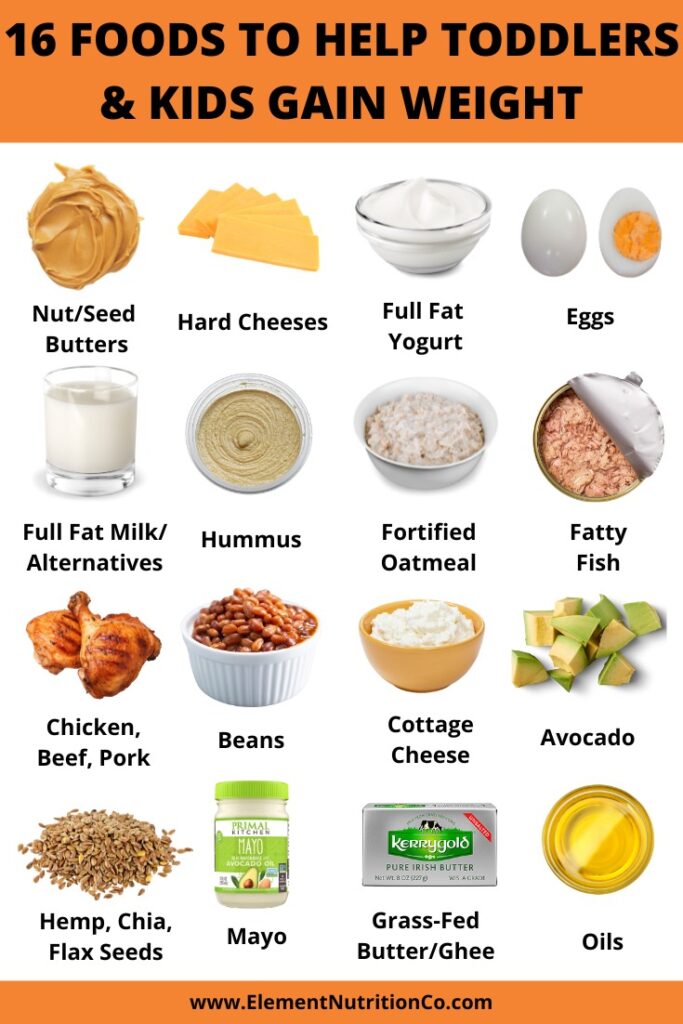
Image Source: www.elementnutritionco.com
Deciphering Why a Toddler May Not Gain Enough Weight
There can be many reasons why a toddler does not gain weight well. Sometimes it is simple. Sometimes it is more complex. It is important to find the reason. This helps you know how to help them best.
Here are some common causes of low weight toddlers:
- They are just small. Some kids are naturally smaller. They may come from a family where people are not very big. This is normal for them.
- They are picky eaters. Toddlers can be very picky. They might not want to try new foods. They might eat very little at meals. This is a very common reason.
- They are active. Some toddlers run and play all day long. They use a lot of energy. They might need more food to keep up.
- They were born small. Babies who were born early or small might grow more slowly at first.
- They have a short illness. Things like a cold or a tummy bug can make toddlers not want to eat. They might lose a little weight. They usually catch up when they feel better.
- They have a longer health issue. Sometimes, a child has a health problem that makes it hard to eat or use food right. This could be something like a food allergy, a problem with their tummy, or other health conditions. This is less common. A doctor can help find these issues.
- They drink too much liquid. Drinking lots of milk or juice can fill up a toddler’s small tummy. Then they do not want to eat food. Food is where they get most calories and nutrients.
- They eat too many snacks. Eating too many snacks, especially low-nutrient ones like crackers or puffs, can make kids not hungry for meals. Meals are usually more filling and have more good stuff.
It is the doctor’s job to figure out the specific causes of low weight toddlers. They will look at your child’s growth over time. They will ask you questions about what they eat and drink. They might do some tests if needed.
Comprehending Healthy Weight Gain Toddlers Need
Helping a toddler gain weight is not just about making the number on the scale go up. It is about healthy weight gain toddlers need for their bodies to grow strong. This means gaining weight slowly and steadily. The weight should come from good foods. It should not come from just eating lots of sugary things or junk food.
Healthy weight gain means the child is getting enough energy (calories). It also means they are getting all the building blocks their body needs. These are things like protein, healthy fats, vitamins, and minerals. Gaining weight too fast, or gaining it from poor food choices, is not healthy. It is important to focus on foods that have lots of nutrients in them. These are called nutrient-dense foods.
The goal is to help your child grow along a healthy path on their growth chart. This path is unique to them. A doctor can show you their growth chart.
Learning About Pediatrician Recommended Toddler Weight
Pediatricians use growth charts to see how a child is growing. These charts show the average weight and height for kids at different ages. They show lines called percentiles. These lines help the doctor see where your child is compared to other kids.
For example, if your child is on the 25th percentile for weight, it means that 25 out of 100 kids their age weigh less than them, and 75 weigh more.
What is important is not just the number itself, but how your child’s weight and height change over time. A child who stays on the same low percentile line might be perfectly healthy. That might be their normal growth path. But a child whose weight line is falling down the chart might need help.
Your pediatrician will look at these charts. They will also look at your child’s overall health and energy level. They will tell you if they think your child needs to gain weight. They can tell you what a healthy weight gain path looks like for your child. Trust your pediatrician’s advice on pediatrician recommended toddler weight for your child.
Increasing Calories Toddler Meals Should Have
If your pediatrician says your toddler needs to gain weight, you will need to increase the calories toddler gets from their food. This does not mean giving them bigger plates of food. Toddlers have small tummies. It means making the food they do eat have more calories and nutrients in each bite.
Think of it like packing more goodness into the same small space. You want to add healthy calories without adding a lot of extra bulk.
Here are some ways of increasing calories toddler eats:
- Add healthy fats. Fats have more calories per bite than protein or carbs. They are also important for brain growth.
- Use whole milk products. If your toddler is over age 2 (or as recommended by your doctor), using whole milk, full-fat yogurt, and cheese adds calories.
- Cook with butter or oil. Add a little extra butter or healthy oil (like olive oil) when cooking vegetables or other foods.
- Mix in cream or milk powder. Add full-fat milk powder or a little cream to soups, casseroles, or mashed potatoes.
- Use avocado. Avocado is full of healthy fats. Mash it into other foods or serve it on toast.
- Add nut butters. If there are no allergies, spread a thin layer of peanut butter or almond butter on crackers, toast, or fruit.
- Do not give too many low-calorie drinks. Water is great, but limit juice and sugary drinks. Milk is good for nutrients, but too much can fill them up. Focus calories on food.
- Offer calorie-rich drinks with meals. If offering milk or a smoothie, give it with food, not before.
The goal is to make every bite count when increasing calories toddler consumes.
Discovering High Calorie Foods Toddlers Enjoy
Choosing the right foods is key for healthy weight gain toddlers need. You want foods that are packed with calories and nutrients. These are often called high calorie foods toddlers can eat. They should also be easy for toddlers to eat and digest.
Here is a list of high calorie foods toddlers can try. Remember to prepare them in safe sizes to avoid choking.
- Dairy (Full-Fat):
- Whole milk (if recommended by doctor/age appropriate)
- Full-fat yogurt
- Cheese (cubes, shredded)
- Cottage cheese
- Butter
- Healthy Fats & Oils:
- Avocado (mashed, sliced, guacamole)
- Olive oil (used in cooking)
- Coconut oil (used in cooking)
- Nut butters (peanut, almond – smooth, thin layer if no allergies)
- Seeds (chia seeds, flax seeds – ground and mixed into foods)
- Proteins:
- Eggs (scrambled, hard-boiled)
- Chicken, turkey, beef (soft, small pieces)
- Fish (like salmon – cooked well, no bones)
- Beans and lentils
- Grains:
- Oatmeal (made with whole milk, add butter/nut butter)
- Whole wheat pasta (add butter, cheese, or cream sauce)
- Rice (cook with a little butter or oil)
- Whole grain bread (with butter, avocado, or nut butter)
- Fruits & Vegetables:
- Sweet potatoes (mashed with butter/milk)
- Avocado (see above)
- Bananas
- Dried fruits (raisins, apricots – cut into tiny pieces, give with caution due to stickiness and choking risk, perhaps better mixed into oatmeal or yogurt)
- Peas and corn (can add calories)
- Fruits blended into full-fat yogurt or milkshakes/smoothies.
When choosing high calorie foods toddlers like, think about adding extra calories to foods they already eat. For example, add butter to toast, cheese to eggs, or yogurt to fruit smoothies.
Embracing Healthy Fats for Toddlers Diet
Healthy fats are very important for young children. They help with brain development. They help the body use certain vitamins. And they are a great source of calories for healthy weight gain toddlers need. Including healthy fats for toddlers diet daily is a good strategy.
Not all fats are equal. You want to focus on unsaturated fats and some saturated fats from whole foods. Avoid trans fats often found in processed snacks.
Good sources of healthy fats for toddlers diet:
- Avocados: Creamy and easy to mash or serve in pieces.
- Nuts and Seeds: Use them in butters (smooth) or ground and mixed into foods. Check for allergies and choking safety.
- Fatty Fish: Like salmon. Good for brain fats (omega-3s). Cook well and make sure there are no bones.
- Olive Oil and Other Plant Oils: Use for cooking.
- Full-Fat Dairy: Milk, yogurt, cheese. These provide important nutrients along with fat.
- Eggs: The yolk contains healthy fats.
Make sure these fats are part of meals and snacks. Add a slice of avocado to a sandwich. Mix nut butter into oatmeal. Use olive oil to cook veggies.
Developing Picky Eater Weight Gain Strategies
Many toddlers are picky eaters. This can make it hard to help them gain weight. Picky eater weight gain strategies need to be gentle and patient. Forcing a child to eat usually does not work and can make things worse.
Here are some ideas for picky eater weight gain strategies:
- Offer food often. Offer 5-6 small meals or snacks throughout the day instead of just 3 big ones. Toddlers eat best when they are not overly hungry or tired.
- Make food fun. Cut food into fun shapes. Use colorful plates. Let your child help prepare food (if safe).
- Stick to a routine. Serve meals and snacks around the same time each day. This helps them know when to expect food.
- Do not pressure. Do not force-feed or beg your child to eat. This makes mealtime stressful. You provide the healthy food; they decide how much to eat from what is offered.
- Include high-calorie additions. Add butter to vegetables, cheese to pasta, or avocado to toast. This boosts calories in foods they already eat.
- Use dips. Many toddlers like dipping. Offer healthy dips like full-fat yogurt dip, guacamole, or hummus with fruits, veggies, or crackers.
- Keep offering new foods. It can take many times (sometimes 10-15 times!) for a child to try a new food. Offer a tiny bit on their plate. Do not make a big deal if they do not eat it.
- Eat together. Sit down and eat with your child. Kids learn by watching you. Show them that you enjoy eating healthy foods.
- Do not fill up on drinks. Limit milk and juice between meals. Water is best. Offer milk with meals if they need the calories.
- Make smoothies. Smoothies can hide lots of good things. Blend whole milk or yogurt, fruit, maybe some avocado, nut butter, or ground seeds.
Patience is key with picky eater weight gain strategies. Focus on making mealtime a positive experience.
Exploring Snack Ideas for Underweight Toddlers
Snacks are a great way to add extra calories and nutrients for toddlers who need to gain weight. These should not be empty calories. Snack ideas for underweight toddlers should be mini-meals packed with goodness.
Offer 2-3 planned snacks each day between meals.
Here are some snack ideas for underweight toddlers:
- Full-fat yogurt: Plain or with added fruit puree, a tiny bit of honey (if over 1), or ground seeds.
- Cheese cubes or sticks: Pair with whole grain crackers or fruit.
- Avocado: Slices or mashed on whole grain toast or crackers.
- Nut butter: Thinly spread on apple slices, banana, or whole grain crackers (check for allergies, smooth only).
- Hard-boiled eggs: Cut into safe pieces.
- Cottage cheese: With fruit.
- Smoothies: Made with whole milk or yogurt, fruit, maybe spinach (they won’t taste it!), nut butter, or avocado.
- Whole grain muffins: Made with added fruit, nuts (ground), or even mashed sweet potato. Use oil or butter in the recipe.
- Fruit with full-fat dip: Apple slices or banana chunks with yogurt dip or a little nut butter.
- Quesadillas: Small ones with cheese and maybe some beans or finely chopped chicken. Cook with a little butter.
- Sweet potato fries: Roasted with olive oil.
- Hummus: With soft cooked veggie sticks or whole grain crackers.
- Trail mix (simplified and safe): Whole grain cereal, dried fruit (cut very small, given with caution), maybe some large yogurt melts.
Keep these snack ideas for underweight toddlers ready. Offer them at set times, not all day long. This helps them build an appetite for meals too.
Constructing a Meal Plan for Toddlers Gaining Weight
Putting it all together into a meal plan for toddlers gaining weight helps make sure they get enough calories and nutrients throughout the day. This is just a sample plan. Adjust it based on your child’s schedule and preferences.
Remember to make foods calorie-dense by adding healthy fats and using full-fat dairy where appropriate.
Sample Meal Plan for Toddlers Gaining Weight
| Time | Meal/Snack | Ideas for Calorie Boosting and Nutrients |
|---|---|---|
| Morning | Breakfast | Oatmeal made with whole milk, add butter or nut butter. Scrambled eggs cooked with butter and cheese. Whole grain toast with avocado or nut butter. Full-fat yogurt with fruit. |
| Mid-Morning | Snack | Full-fat yogurt with fruit puree or ground seeds mixed in. Cheese cubes and whole grain crackers. Small smoothie with milk/yogurt, fruit, avocado. |
| Midday | Lunch | Mini cheese quesadilla cooked with butter. Avocado slices. Chicken or tuna salad (made with mayo or avocado) on soft bread. Leftover protein with a carb like pasta cooked with oil/butter. |
| Afternoon | Snack | Apple slices with nut butter. Hard-boiled egg. Cottage cheese with fruit. Sweet potato fries roasted with olive oil. Mini muffin. |
| Evening | Dinner | Small pieces of chicken, fish, or beans. Pasta with butter, cheese, and maybe some cream or olive oil. Mashed potatoes with butter and milk. Cooked vegetables with butter or cheese sauce. Rice cooked with a little oil. |
| Before Bed | Optional Snack | Small cup of whole milk (if recommended). Full-fat yogurt. |
Tips for using this meal plan for toddlers gaining weight:
- Offer small amounts at each meal/snack. You can always offer more.
- Pair foods together (e.g., protein + fat + carb).
- Offer a drink (water or milk with meals) with the food, not before.
- Be flexible! Some days they eat more, some days less. Look at their intake over a week.
This plan focuses on offering frequent opportunities to eat nutrient- and calorie-dense foods.
Grasping Toddler Nutrition Facts for Growth
Knowing some basic toddler nutrition facts helps you choose the best foods for weight gain. Toddlers need a mix of different nutrients to grow well.
Key Toddler Nutrition Facts:
- Calories: Provide the energy they need to play, learn, and grow. To gain weight, they need to eat more calories than they use.
- Protein: Important for building muscles and other body tissues. Sources: meat, poultry, fish, eggs, dairy, beans, nuts/seeds.
- Carbohydrates: Provide energy. Choose complex carbs like whole grains, fruits, and vegetables most often.
- Fats: Essential for brain development, hormone production, and absorbing certain vitamins. Healthy fats are calorie-dense. Sources: avocado, nuts, seeds, oils, full-fat dairy, fatty fish. Healthy fats for toddlers diet should be a focus.
- Vitamins and Minerals: Needed for countless body functions. Eating a variety of foods from all groups helps ensure they get enough. Iron is important for energy; Vitamin D and Calcium for bones.
Focus on whole, unprocessed foods as much as possible. These foods naturally contain the right mix of nutrients. While you are increasing calories toddler consumes, make sure those calories come with vitamins and minerals, not just sugar.
What NOT To Do When Trying To Help a Toddler Gain Weight
While you want your toddler to gain weight, there are things you should not do. These can be unhealthy or make feeding problems worse.
- Do not rely on junk food: Sugary drinks, candy, chips, and cookies have lots of calories but very few nutrients. They can fill up your toddler’s tummy quickly without giving them the vitamins and minerals they need for healthy growth. They can also lead to unhealthy habits later.
- Do not force your child to eat: This can create power struggles and make mealtime a negative experience. It can cause anxiety around food and make feeding problems worse.
- Do not use food as a reward or punishment: This can create an unhealthy relationship with food.
- Do not compare your child to others: Every child grows at their own pace. Focus on your child’s individual growth path as guided by the pediatrician recommended toddler weight for them.
- Do not give too much juice or milk between meals: As mentioned, this can fill their tummy and make them not hungry for calorie- and nutrient-rich solid foods.
- Do not offer food constantly: Stick to planned meals and snacks. Grazing all day can mean they never feel hungry and do not eat enough at key eating times.
Focus on positive feeding strategies and offering healthy, calorie-dense foods at regular times.
Monitoring Your Toddler’s Progress
Once you start making changes, it is important to watch how your toddler is doing. Healthy weight gain toddlers achieve is usually slow and steady.
- Check with your pediatrician: They will want to see your child regularly to check their weight and height on the growth chart. This is the best way to know if your efforts are working and if the weight gain is healthy.
- Watch their energy levels: Are they active and happy? Gaining healthy weight should support their energy and development.
- Notice their eating habits: Are they trying new foods? Eating a bit more at meals or snacks? Celebrate small successes.
- Do not weigh them too often at home: Weight can go up and down day by day. It is best to let the doctor track their growth over time.
If your child is still not gaining weight well, or if you are worried, talk to your pediatrician again. They can help figure out the next steps.
When To Seek Help Again
You should always work with your pediatrician when trying to help your toddler gain weight. Go back to them if:
- Your child is not gaining weight despite trying feeding strategies.
- Your child is losing weight.
- Your child seems very low on energy or unwell.
- You are very worried about their eating or growth.
- Your child has symptoms like frequent vomiting, diarrhea, or stomach pain. These could be causes of low weight toddlers that need medical help.
A doctor can check for underlying medical issues, refer you to a feeding therapist if there are eating difficulties, or suggest working with a registered dietitian who specializes in children’s nutrition. A registered dietitian can provide a detailed meal plan for toddlers gaining weight that is tailored to your child’s specific needs and tastes.
Working with a team of experts can be very helpful in ensuring healthy weight gain toddlers need for good development.
Frequently Asked Questions (FAQ)
Q: How much weight should a toddler gain?
A: There is no single number. It depends on their age and their own growth pattern. Doctors look at growth charts to see if your child is following a healthy path. Your pediatrician can tell you what is expected for your child. Healthy weight gain toddlers achieve is often slow and steady.
Q: Can I give my toddler Pediasure or other shakes for weight gain?
A: These can be used, but usually only if a doctor or dietitian recommends them. They provide extra calories and nutrients. However, it is often better to try increasing calories toddler gets from whole foods first. Shakes can fill up tummies quickly and make kids less interested in eating meals. Ask your doctor if these are right for your child.
Q: What if my toddler only wants to drink milk?
A: Too much milk can fill up a toddler and stop them from eating food. Limit milk to about 16-24 ounces (2-3 cups) per day for toddlers over 12 months. Offer it with meals, not between them. Offer water between meals.
Q: How long does it take to see weight gain?
A: Healthy weight gain is slow. You might not see big changes right away. Consistency is important. Your doctor will track their growth over months, not just days or weeks.
Q: Are there any specific vitamins I should give my toddler?
A: Most toddlers do not need extra vitamins if they eat a variety of healthy foods. However, picky eaters or those with certain health conditions might need them. Always talk to your pediatrician before giving any supplements. They can tell you if your child needs them.
Q: My toddler is small but has lots of energy. Is that okay?
A: Yes! Many small toddlers are perfectly healthy and active. If your pediatrician says your child is growing on their own healthy path and is well, their small size is likely just normal for them. The focus should be on overall health and development, not just weight.
Q: How can I make meals less stressful?
A: Offer small amounts, do not pressure, eat together, and keep a routine. Make mealtime a pleasant family time. If picky eating is causing a lot of stress, talk to your pediatrician. They might suggest seeing a feeding therapist. Picky eater weight gain strategies work best when mealtime is calm.
Helping a toddler gain weight takes patience and a focus on healthy, nutrient-dense foods. Work closely with your pediatrician to make sure you are on the right track and supporting your child’s overall health and development. Focus on making healthy weight gain toddlers need a positive and natural part of their life.