
How can you get your toddler to listen? This is a big question for many parents. It feels like a constant battle sometimes. You ask them to do something simple, and they run the other way. Or they just ignore you completely. This is a common challenge with toddler behavior problems. But guess what? You can use simple positive parenting strategies and gentle discipline for toddlers to help them learn. It takes time and practice, but it is possible to improve getting toddlers to cooperate and listen more often.
Let’s look at simple steps to help your little one tune in when you talk.
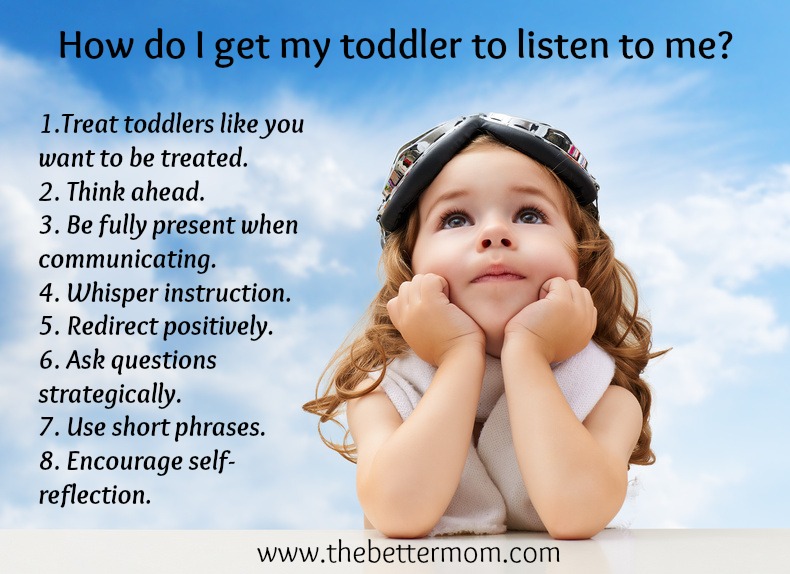
Image Source: static.squarespace.com
Deciphering Why Toddlers Don’t Listen
Before we fix the problem, let’s grasp why it happens. It’s not usually because they want to be naughty. It’s part of understanding toddler development. Their brains are still very, very new.
Toddler Brain Growth
Toddlers’ brains are growing super fast, but they are not fully built yet. The part that helps them stop and think? It’s still tiny. They live in the moment. They see a toy, they grab it. They feel happy, they laugh loudly. They feel mad, they yell or hit. They don’t plan to ignore you. They just get caught up in their world.
Limited Language Skills
Toddlers are learning to talk and understand words. Big sentences or complex ideas are hard for them. “Please go get your blue shoes by the door and put them on so we can go outside?” That’s a lot for a small child to take in.
Need for Control
As toddlers grow, they want to do things themselves. They want to be in charge. When you tell them what to do, it can feel like you are taking their power away. Saying “No!” or not listening is one way they feel in control.
Testing Limits
Toddlers are also learning about the world. They test what happens when they do things. If they don’t listen, what happens? If they run away, what happens? They are like little scientists. This is normal, but it can feel frustrating.
Building a Strong Connection
The first step to getting toddlers to listen is having a good bond with them. When kids feel loved and safe, they want to please you more. This is a key part of positive parenting strategies.
Spend Special Time
Even just 10-15 minutes a day focused only on your child helps a lot. Put your phone away. Just be with them. Play what they want to play. Let them lead. This fills their emotional cup.
Play Together
Join them on the floor. Build blocks. Push a car. Pretend to be animals. Playing together helps you connect. It shows them you care about their world.
Show You Care
Hugs, kisses, and telling them you love them are very important. Make eye contact. Smile at them. Show them you enjoy being with them.
What Connection Does
A strong connection makes your toddler feel safe and loved. This trust makes them more likely to listen and work with you. It lays the groundwork for getting toddlers to cooperate.
Talking So Your Toddler Hears
How you say things matters a lot with toddlers. Effective communication with toddlers uses simple words and gets their attention first. This helps with helping toddlers follow instructions.
Get Down Low
Kneel or sit so you are at their eye level. This helps them focus on you. It shows them you are serious but also kind.
Use Simple Words
Keep your sentences short. Use words your toddler knows. Instead of, “It’s time to pack away all of your playthings now because dinner will be ready shortly,” try, “Time to clean up. Put blocks in basket.”
Say It Once or Twice
Repeat yourself gently, but don’t nag. Say it clearly. Wait a few seconds. If they don’t start, you might need to help them start the task.
Show Them What To Do
Sometimes words are not enough. Show them. If you want them to put blocks away, pick up a block and put it in the basket. Say, “Put block in basket,” while you do it. This is a great way of helping toddlers follow instructions.
Making Requests Clear
- Say what you want them to do, not what you don’t want them to do. Instead of “Don’t run,” say “Walk slowly.”
- Ask them to do one thing at a time. “Put on your shoes.” Wait until shoes are on. Then, “Get your coat.”
- Make it a game! “Can you hop to the toy basket?” or “Let’s see how fast we can put these away!”
Here is a little table to show the difference:
| Instead of (Hard for Toddlers) | Try This (Easy for Toddlers) |
|---|---|
| Stop making such a racket and calm down right now! | Quiet voice please. Be gentle. |
| We need to gather your belongings so we can depart. | Time to go. Get your teddy. |
| Refrain from touching that fragile object. | Hands off please. Touch softly. |
| Why are you refusing to cooperate with me? | Let’s do this together. Help me. |
| Put that item down immediately; it is not a plaything. | Put that down. Here is a toy. |
Setting Clear and Kind Limits
Toddlers need limits. They feel safer when they know what the rules are. Setting boundaries for toddlers is not about being mean. It is about teaching them how to live in the world.
Why Limits Help
Limits help toddlers learn self-control. They learn what is safe and what is not. They learn how to act around other people. Clear limits actually reduce toddler behavior problems in the long run.
Make Rules Easy
Keep rules very simple. “Be gentle.” “Walk inside.” “We share.” Use the same simple words every time for the same rule.
Say What TO Do, Not What NOT To Do
Like with instructions, tell them the wanted behavior. Instead of “No hitting,” say “Hands are for gentle touches.” Instead of “Don’t stand on the chair,” say “Sit on the chair please.”
Be Firm, Be Kind
When a rule is broken, you need to step in. Use a calm, firm voice. Repeat the simple rule. Don’t yell. Don’t give long explanations. Be kind in your tone and actions, but stick to the limit.
Examples of Simple Rules
- We use gentle hands.
- We walk inside.
- We share toys.
- We sit at the table for food.
- We listen to mom/dad.
Guiding Behavior Gently
When toddlers don’t listen or break a rule, it’s a chance to teach. This is where toddler discipline techniques come in. Gentle discipline for toddlers focuses on teaching, not punishment that scares or shames.
Focus on Teaching
Discipline means “to teach.” Think of yourself as a guide. Your toddler made a mistake. How can you show them a better way next time?
Use Redirection
This is a very powerful tool. If your toddler is doing something you don’t want (like drawing on the wall), quickly and calmly move them to something you do want them to do (like drawing on paper). Say, “Draw on the paper,” while you guide their hand or move them. This changes their focus before the bad behavior gets bigger.
Natural Results (Consequences)
Sometimes, the result of their action teaches them. If they throw their toy, the natural result is they don’t have the toy to play with for a little while. You can say, “Oh no, you threw your toy. Toys are not for throwing. I’ll hold it for a few minutes.” Then give it back later. This is different from taking it away as a punishment. It’s showing them the direct result of their action.
Taking a Break (Time-in/Time-out)
Sometimes a toddler is just overwhelmed. A “time-out” used gently can be a moment to calm down. It’s best used as a “time-in” where you sit with them quietly for a minute or two until they are calm. It’s not a punishment, but a chance to reset. Explain why they are taking a break simply (“You hit. We need to sit here quietly until you feel calm enough to be gentle.”)
Why Gentle Works Better
Harsh punishment like yelling, spanking, or shaming can scare toddlers. It doesn’t teach them why something is wrong. It just teaches them to be afraid of you or to hide their actions. Gentle discipline for toddlers helps them learn self-control and builds trust. It helps prevent future toddler behavior problems.
Helping Through Big Feelings
Toddlers have big feelings they don’t know how to handle. Frustration, anger, sadness can quickly turn into dealing with toddler tantrums. Tantrums are not about not listening; they are about a loss of control.
Why Tantrums Happen
Tantrums often happen when toddlers are tired, hungry, or overwhelmed. They can’t use words to say how they feel or what they need. The big feeling just bursts out.
Stay Calm
This is hard! But your calm helps them eventually calm down. If you get upset, the tantrum usually gets bigger. Take deep breaths. Step away for a second if you need to, as long as your child is safe.
Offer Comfort (If they allow)
Some toddlers want a hug during a tantrum. Some want you nearby but not touching. Some want to be left totally alone. Follow their lead. Be a calm, safe person they can come back to when the storm passes.
Wait it Out
As long as they are safe, sometimes you just have to let the tantrum happen. Don’t give in to what they wanted if it was something you said no to (like candy before dinner). This teaches them that tantrums don’t get them what they want.
Talk About Feelings Later
After they are calm, you can talk simply. “You were feeling very mad because you wanted the blue cup.” Name the feeling for them. “It’s okay to feel mad. But we don’t hit when we are mad.” Help them start to learn words for their feelings. This is part of effective communication with toddlers.
Praising Good Choices
It’s easy to focus on when toddlers don’t listen. But it is very important to notice and praise when they do listen! This is a key positive parenting strategy.
Catch Them Listening
When you ask your toddler to do something simple, and they do it, praise them right away! “Thank you for putting your cup on the table!” or “Wow, you came when I called! Good listening!”
Be Specific with Praise
Instead of just “Good job,” say exactly what they did well. “Good job putting your blocks in the basket!” or “I love how you are sitting nicely while you eat!” This helps them know what “good job” means.
Small Steps Matter
Praise effort, not just perfect results. If they try to put on their shoes, even if they are on the wrong feet, say, “You are trying so hard to put your shoes on!” or “Look how you worked on that shoe!”
Why Praise Helps Cooperation
Praise feels good! It makes your toddler want to repeat the behavior that earned the praise. It strengthens the good habits and encourages getting toddlers to cooperate more often.
Making it Happen Every Time
Consistency is super important with toddlers. Doing the same thing in the same way helps them learn what to expect.
Why Doing the Same Helps
Toddlers learn from repetition. If you sometimes let them do something, and sometimes say no, they get confused. They will keep trying when you might say yes. If the rule is always the same, they learn it much faster.
Everyone Needs to Agree
If there are two parents, grandparents, or caregivers, try to handle situations in a similar way. If one person has one rule and another has a different rule, the toddler won’t know who to listen to. Talk together and agree on the simple rules and how you will react when they are broken.
It Takes Practice
You won’t be perfect. Your toddler won’t be perfect. Some days are easier than others. Just keep trying. If you slip up, don’t worry. Just go back to your simple steps next time. The more you practice, the easier it gets for everyone.
Trying These Steps with Daily Jobs
Let’s look at how these simple steps can work for common toddler tasks. These are often times when you need getting toddlers to cooperate and helping toddlers follow instructions.
Getting Ready
Morning or getting ready to leave can be tough.
* Connection: Start the day with a hug. Talk about the fun thing you will do when you are ready.
* Communication: Use simple steps. “Shoes on.” “Coat on.” Show them.
* Boundaries: “We wear shoes outside.” “We put on coats when it’s cold.”
* Gentle Guide: If they refuse, offer a choice: “Do you want to put your red shoes or your blue shoes on first?” Or start helping them gently. “Okay, I will help with this foot.” Redirect if they get distracted.
* Praise: “Thank you for putting your arm in the coat!”
Cleaning Up
Putting toys away is a classic listening challenge.
* Connection: Make it a time you do together for a bit.
* Communication: Simple instruction: “Clean up time. Put blocks in basket.” Show them how.
* Boundaries: “Toys go in the basket when we are done playing.”
* Gentle Guide: Make it a game. Sing a clean-up song. Race to see who can put away the most blocks. If they don’t start, you can start helping and say, “I’m putting my blocks away. Can you put your blocks away?” For a toddler who just won’t, you might calmly put the toys away yourself while saying, “It’s clean up time now.”
* Praise: “Wow, you put all the cars in the box! Great cleaning!”
Meal Times
Eating and sitting still can be hard.
* Connection: Talk about your day while you eat.
* Communication: Simple rule: “Sit at the table.” “Eat your food.”
* Boundaries: “We stay at the table while we eat.” “We eat food, not toys, at the table.”
* Gentle Guide: If they get down, calmly put them back in their seat. Repeat the simple rule. If they keep getting up, you might say, “It looks like you are all done eating,” and calmly take the plate away. This is a natural result of not sitting to eat.
* Praise: “Thank you for sitting nicely!” “Good job eating your carrots!”
When to Get Extra Help
Most toddler behavior problems like not listening or having tantrums are normal steps in growing up. But sometimes, you might feel like something more is going on.
Signs of Bigger Worries
If you are very worried about your toddler’s behavior, or if they have many challenges like:
* Very frequent or very long tantrums that are hard to manage.
* Hurting themselves or others often.
* Not talking much or having trouble with words for their age.
* Trouble playing with others.
* Major sleep or eating problems.
* Behavior that seems very different from other kids their age.
Talking to a Doctor
If you have concerns, talk to your child’s doctor. They can check your child’s development. They can also help you find ways to get more support if needed. They might suggest seeing a child therapist or specialist. It is always okay to ask for help. You are not alone in dealing with toddler tantrums or other challenges.
Walking the Path Together
Getting your toddler to listen is a journey, not a race. There will be good days and tough days. Use positive parenting strategies to build a strong bond. Talk to them clearly using effective communication with toddlers. Set simple, kind setting boundaries for toddlers. Guide them gently with gentle discipline for toddlers. Help them learn by helping toddlers follow instructions one small step at a time.
Remember to be patient with your child and with yourself. You are teaching them important skills for life. Celebrate the small wins, and know that you are doing a great job by seeking ways to help your child and make your home a bit calmer.
Your Questions Answered
h4: What if my toddler just ignores me completely?
This is very common! First, make sure you have their attention. Get down to their level and make eye contact. Say their name. Say the simple instruction again. If they still don’t respond, you might need to gently guide them to start the task (“Let’s put on your shoe,” while picking up a shoe) or use redirection. Don’t keep repeating yourself endlessly, as this can teach them to tune you out. Focus on getting their attention first.
h4: How long does it take for these steps to work?
It takes time and consistency. You likely won’t see a huge change overnight. You might see small improvements within a few weeks if you use the steps regularly. Toddlers are always learning and changing, so you will keep using these methods as they grow. Think of it as teaching a lifelong skill, not a quick fix.
h4: Is it okay to give a small reward for listening?
Yes, sometimes small, non-food rewards or using sticker charts can help encourage new behaviors, especially for specific tasks like potty training or cleaning up. Praise is a great reward in itself. If you use physical rewards, keep them small and use them less often as the behavior becomes a habit. The goal is for them to listen because they want to cooperate and feel good about it, not just for a prize.
h4: My toddler listens for some people but not for me. Why?
This can happen! It might be because they have a stronger bond with you (and feel safe pushing your limits), or the other person might be using clearer, more consistent methods. Try to observe how the person they listen to talks to them. Are they calm? Simple? Do they follow through? Ask that person to help you practice the techniques. Being consistent across caregivers is key.
h4: What is the most important thing to remember?
Stay calm and be consistent. Toddlers feed off your energy. If you are stressed and yelling, they will likely become more stressed and less likely to listen. If you stay calm, clear, and repeat your simple rules and instructions consistently, you help them feel secure and learn what you expect. Connection is also huge – a happy, connected toddler is more likely to want to work with you.