
Giving medicine to a toddler can feel like a battle. They are sick and feeling bad. You just want to help them get better. But they push you away. They cry. They clamp their mouth shut tight. Or they take it and then poof it comes right back out.
Yes, it is very common for toddlers to refuse medicine. Why does this happen? They might not like the taste. They might be scared of the syringe or spoon. They might not understand why they need it. Or they just want to be in charge! It can be very frustrating for parents. How do you give toddler medicine when they refuse? There are many ways to try. This guide shares ideas that really work. We will talk about how to handle toddler medicine struggles. We will look at tips for giving liquid medicine to toddlers. We will cover what to do if your toddler is spitting out medicine. And we will explore some clever ways to try.
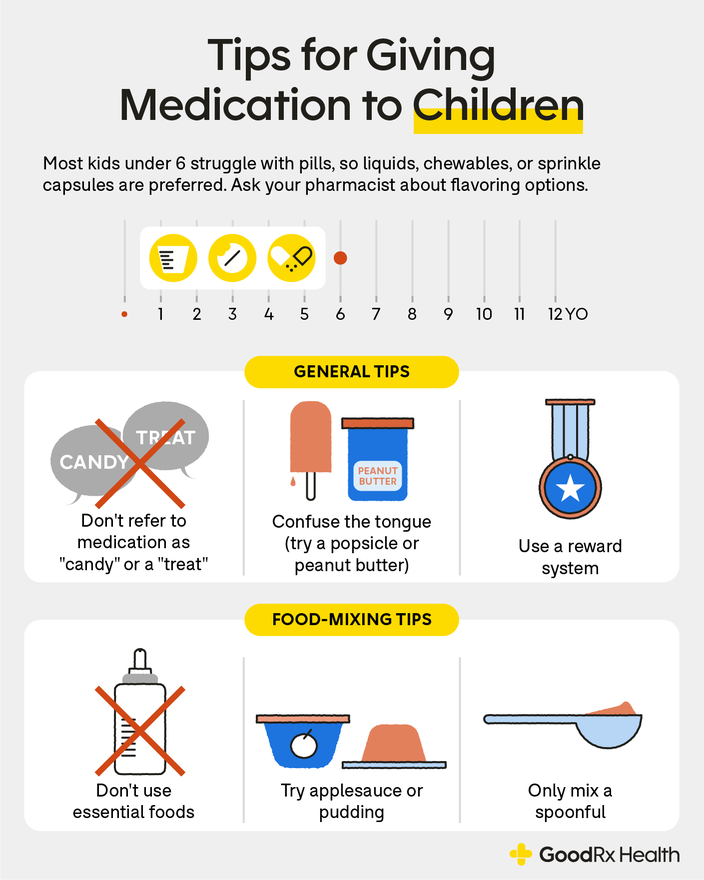
Image Source: www.grxstatic.com
Why Toddlers Say No
Toddlers are learning about their world. They want to be in charge. Saying “no” is a big part of that. When they feel sick, they are already unhappy. Medicine can taste funny or bad. It can feel strange in their mouth. They might remember a past time it was hard. All these things make them want to refuse. Dealing with toddler medicine struggles is part of helping them when they are sick.
Simple Things to Do First
Before you even get the medicine ready, think about these simple steps. They can make a big difference. These are core toddler medicine refusal strategies.
Stay Calm
Kids feel what you feel. If you are stressed or mad, they will feel it too. This makes them more scared or upset. Take a deep breath. Try to be calm and steady. Your calm helps them feel safer. It makes the task less scary for both of you.
Be Honest
Tell your child why they need the medicine. Use simple words. “This yucky medicine helps you feel better.” “It makes the bad germs go away.” Don’t lie and say it’s juice (unless directed by a doctor or pharmacist for a specific reason, though honesty is usually better). This builds trust. Trust helps in the long run, even if they don’t like it now.
Offer Small Choices
Toddlers love choices. Giving them a small choice helps them feel like they have some control.
* “Do you want to take the medicine now or after this song?”
* “Do you want water from the blue cup or the red cup after?”
* “Do you want to hold your teddy bear while you take it?”
Keep the choices simple. Only offer choices you are okay with.
Make it a Routine
If your child needs medicine often or for many days, try to give it at the same time each day. Maybe it’s right after breakfast. Maybe it’s before their favorite quiet time. Kids feel safe with routines. They know what to expect.
Say “Good Job!”
Praise helps a lot. After they take the medicine, tell them how brave they were. Say “Good job taking your medicine!” Give hugs. A sticker or a very small treat (like half a cracker) can be a reward. Focus on the positive right after the hard part is done.
Ways to Give the Medicine
Now let’s talk about getting the medicine into their mouth. The taste and how you give it are key. These are important tips for giving liquid medicine to toddlers.
Make it Taste Better
Taste is often the biggest problem. Many medicines taste bad to kids. Here are ideas for making medicine taste better for kids.
-
Mix with Food or Drink (Carefully!)
Sometimes, you can mix medicine with a small amount of food or drink.- Use a small amount. You need them to finish all of the food or drink.
- Good foods are yogurt, applesauce, pudding, or a little bit of jam.
- Mix it in just enough food so they will eat it all quickly.
- Do not mix it in a whole bottle of milk or a big plate of food. If they don’t finish, they don’t get the full dose.
- Always ask your doctor or pharmacist if you can mix a specific medicine with food or drink. Some medicines don’t work well when mixed.
- This is a common way of hiding medicine in food for kids. Be smart about it!
-
Chill the Medicine
Some medicines taste less strong when they are cold. Ask if you can keep the medicine in the fridge. Cold can make the taste buds a little numb. -
Use a Chaser
Have a tasty drink or small food ready right after they take the medicine. This can wash away the bad taste. Water, juice, applesauce, or a piece of fruit work well. Give it to them right away. -
Ask for Flavoring
Some pharmacies can add flavors to liquid medicine. They have flavors like cherry, bubblegum, or grape. Ask your pharmacist if this is possible for your child’s medicine. This can make a big difference in making medicine taste better for kids.
Tools to Use
The tool you use to give the medicine matters. Let’s look at the best ones. These are more tips for giving liquid medicine to toddlers.
-
Using a Syringe (Often Best)
A small oral syringe (without a needle!) is usually the best tool.- It lets you measure the dose exactly.
- It lets you put the medicine where you want it in the mouth.
- Tip: Aim the syringe towards the side of the mouth, inside the cheek. Shoot the medicine slowly. This helps prevent your toddler spitting out medicine. It goes to the back of the mouth to be swallowed, not on the tongue where taste buds are strongest.
- Give the medicine slowly. Give a little bit, let them swallow, then give more. This is much better than giving it all at once.
-
Using a Spoon (Harder)
Using a spoon is harder for toddlers.- The medicine sits on the tongue. The taste is strong right away.
- It’s easier for them to push it out with their tongue.
- It’s also easier to spill.
- Try to use a syringe if you can. This is part of the syringe vs spoon for toddler medicine talk. Most parents find syringes work better.
-
Using a Dropper
Some liquid medicines come with a dropper. Use it like a syringe. Aim for the side of the cheek and give it slowly. -
Medicine Cups
Small medicine cups are okay for older toddlers who can drink from a cup well. But it’s still easy to spill or not drink it all. A syringe is usually more exact and easier to control. -
Medicine Pacifiers or Dispensers
There are special pacifiers or bottle nipples with a space for medicine. You put the medicine in, and the child sucks it out. Some parents find these helpful, especially for younger toddlers or babies. -
Giving Pills or Tablets
Some medicines come as pills. Ask your doctor if the pill can be crushed or mixed. Never crush a pill unless your doctor or pharmacist says it’s okay. Some pills must be swallowed whole to work right. If you can crush it, mix the powder in a very small amount of strong-tasting soft food like applesauce or pudding. Make sure they eat every bite.
Using Fun and Play
Toddlers understand play. Making medicine time less serious can help a lot. This involves distracting toddler to take medicine.
Make it a Game
- The “Ready, Set, Go!” Game: Get the syringe ready. Say “Ready, set, GO!” and give the medicine quickly (but safely and aiming correctly!).
- Give Medicine to a Toy: Give a pretend dose of medicine to their favorite stuffed animal or doll first. “Now it’s Teddy’s turn to feel better! Okay, now it’s your turn!”
- Use a Prop: Decorate the syringe. Call it a “rocket ship” or a “train.”
Distract Them
Sometimes, the best way is to give the medicine while they are busy doing something fun. This is the core of distracting toddler to take medicine.
- Look at a Book: Have them look at a favorite picture book. Give the medicine while they are focused on the pictures.
- Watch a Short Video: A very short, fun video clip can grab their attention. Give the medicine during the video.
- Sing a Song: Sing a fun, silly song. Give the medicine during the song.
- Play with Bubbles: Blow bubbles for them to pop. Give the medicine while they are reaching for bubbles.
- Funny Faces: Make silly faces or a funny noise right as you give the medicine.
The key to distracting toddler to take medicine is to shift their focus away from the yucky taste or scary tool for just a moment.
Act Confident
Go in like you know they will take it. Don’t ask “Will you take your medicine?” That gives them a chance to say no. Say “It’s time for your medicine.” Be firm but kind. Use a positive, upbeat voice, even if you feel nervous.
Handling Tough Times
Even with the best plans, sometimes it’s still hard. Let’s talk about some common toddler medicine struggles.
When They Spit It Out
This is very common! Your toddler spitting out medicine is frustrating.
* Stay Calm: Again, don’t get angry. Clean them up.
* How Much Did They Spit? It’s hard to know how much medicine they got.
* Do You Give More? This is important! Call your doctor or pharmacist. Ask them what to do. Sometimes you give another full dose. Sometimes you give a half dose. Sometimes you give nothing and wait for the next dose time. It depends on the medicine and how much came out. Never just guess!
* Preventing Spit-Outs:
* Use a syringe aimed at the cheek.
* Give it slowly, in little amounts.
* Have that chaser ready right after.
* Keep them upright. Don’t lay them flat. This helps them swallow.
* Sometimes, having them blow air (like blowing out a candle or blowing a toy) right after swallowing helps keep it down.
Getting Toddlers to Take Antibiotics
Getting toddlers to take antibiotics can be extra tricky.
* They Often Taste Bad: Antibiotics are famous for having strong, often bitter tastes. Use all the taste tips we talked about: mixing (if okay), chilling, strong chasers, pharmacy flavoring.
* It’s Important to Finish: Explain simply (again, use simple words!) that the medicine fights the “super yucky germs.” You must give the whole bottle, even if they start feeling better. Stopping early can make the germs stronger and the child sick again.
* Multiple Doses: Antibiotics often need to be given 2 or 3 times a day. Stick to the schedule as much as you can. This means you need a plan for different times of the day. Maybe morning dose is after breakfast, afternoon dose is before a nap, and evening dose is before bedtime stories. Use routine!
The “Clever” Approach
Sometimes, being a little clever helps. This is like how to trick a toddler into taking medicine. But it’s more about being smart than truly lying.
Subtle Mixing
We talked about hiding medicine in food for kids. This is the main way how to trick a toddler into taking medicine. Remember:
* Small amount of food.
* Strong taste in the food (like fruit puree or yogurt).
* Make sure they eat every single bit.
* Only do this if the doctor or pharmacist says it’s safe for that medicine.
Making it Seem Normal
Your attitude matters a lot. If you act like taking medicine is a normal, everyday thing, your child might start to see it that way too. Don’t build it up as a big, scary event. Just calmly say, “Medicine time,” and proceed with your plan.
Putting It All Together: A Plan
Here is a step-by-step plan you can try. Think of it as your toddler medicine refusal strategies checklist.
- Get Ready: Measure the dose carefully. Have your chosen tool (syringe!) ready. Have the chaser drink/food ready. Have your distraction ready (toy, book, phone for video).
- Prepare the Medicine: Is it mixed? Is it chilled? Is it flavored?
- Prepare Yourself: Take a breath. Stay calm. Put on your confident face.
- Prepare Your Child: Tell them simply, “It’s time for medicine to help you feel better.” Offer a small choice if you can (“Hold Teddy?” “Red cup after?”).
- Position: Hold your child safely but kindly. Don’t hold them too tightly, as this can scare them more. But hold them so they can’t easily push the syringe away or spit it out without you knowing. Some parents sit on the floor with the child between their legs.
- Give the Medicine: Use your tool (syringe!). Aim for the side of the cheek, inside the mouth. Give it slowly, in small pushes. Give them time to swallow each bit.
- Use Distraction: While you are giving the medicine, use your distraction. Point at the book, play the video, sing the song. Keep their mind busy.
- Quick Chaser: As soon as the medicine is swallowed, give the chaser drink or food.
- Praise: Immediately say “You did it! Good job! You were so brave!” Give hugs. Use your reward (sticker, tiny treat).
- Clean Up: Clean face and mouth if needed. Move on quickly to something fun or comforting. Don’t dwell on the medicine time.
When All Else Fails
What if you try everything and it’s still impossible? Dealing with toddler medicine struggles can be very tough.
-
Call Your Doctor or Pharmacist: They are there to help!
- Tell them exactly what is happening. Is your toddler spitting out medicine every time? Are they throwing up?
- Ask if there is a different medicine option. Maybe another brand tastes better.
- Ask if the dose can be split. (Sometimes giving half the dose now and half in a few minutes works, but only do this if directed).
- Ask if the medicine can be made by a compounding pharmacy to taste better or come in a different form.
- They might have other toddler medicine refusal strategies specific to that medicine or your child’s age.
-
Don’t Feel Guilty: It is not your fault your child is sick or that giving medicine is hard. You are doing your best!
Celebrating Little Wins
Each time you successfully give a dose, even if it was hard, is a win. It means your child is one step closer to feeling better. Focus on those small victories. With practice, and trying different tactics, you will find what works best for your child.
Frequently Asked Questions
Here are answers to some common questions about giving medicine to toddlers.
H5 Can I mix medicine in my child’s milk bottle?
Generally, no. It’s very risky because your child might not finish the bottle. If they don’t drink all the milk, they don’t get all the medicine dose. It’s better to use a very small amount of food (like applesauce) or a tiny sip of juice as a chaser after the medicine. Always ask your doctor or pharmacist first.
H5 What if my child throws up the medicine right after taking it?
Call your doctor or pharmacist right away. Do not give another dose without asking them first. They will tell you what to do based on the specific medicine, how long after taking it the child threw up, and how much seemed to come up. This is a common toddler medicine struggle, and they can advise you safely.
H5 How much medicine should I give?
ONLY give the exact amount your doctor or pharmacist tells you. Use the measuring tool that came with the medicine (syringe, dropper, cup). Do not use kitchen spoons. Giving too much or too little can be dangerous or make the medicine not work.
H5 My child fights so hard. Should I hold them down?
Avoid forceful holding if you can. It can make them more scared and resistant next time. Try the calm approach, distraction, and positioning first. Sit them on your lap, facing away, and use your arm to gently hold their body. Aim for the cheek. If you must hold them gently to keep them safe and get the medicine in, do it quickly and follow immediately with comfort and praise. Ask your doctor for specific techniques if it’s a safety concern. Dealing with toddler medicine struggles sometimes requires a balance of firmness and comfort.
H5 How long does it take for these tactics to work?
It can take time and practice. Some ideas might work one day and not the next. Be patient with your child and yourself. Keep trying different toddler medicine refusal strategies. What works might change as your child gets older.
Wrapping Up
Giving medicine to a sick toddler is one of the harder parts of being a parent. When your toddler is spitting out medicine or clamping their mouth shut, it feels defeating. But remember, you are not alone. Many parents face these toddler medicine struggles.
By using tips for giving liquid medicine to toddlers like choosing the right tool (syringe vs spoon for toddler medicine), trying to improve the taste (making medicine taste better for kids, hiding medicine in food for kids carefully), using the power of distracting toddler to take medicine, and staying calm, you can get through this. For medicines like getting toddlers to take antibiotics, finishing the full course is key, no matter how hard it is.
Be patient, be creative, and don’t be afraid to ask for help from your doctor or pharmacist. You are helping your child feel better, and that is the most important thing. You’ve got this!