
It can feel impossible to get a sick toddler to take medicine. Many parents ask, “How do I get my stubborn toddler to take medicine?” The good news is you are not alone. Many young children push back when it’s medicine time. Toddler medicine refusal tactics are very common. This post gives you many tips and tricks to help make giving liquid medicine to toddlers easier. We will cover how to handle a child refusing cough syrup or other liquid drugs, easy ways to give medicine, and using tools like a syringe. These simple strategies can help turn difficult medicine time into a less stressful moment for everyone.
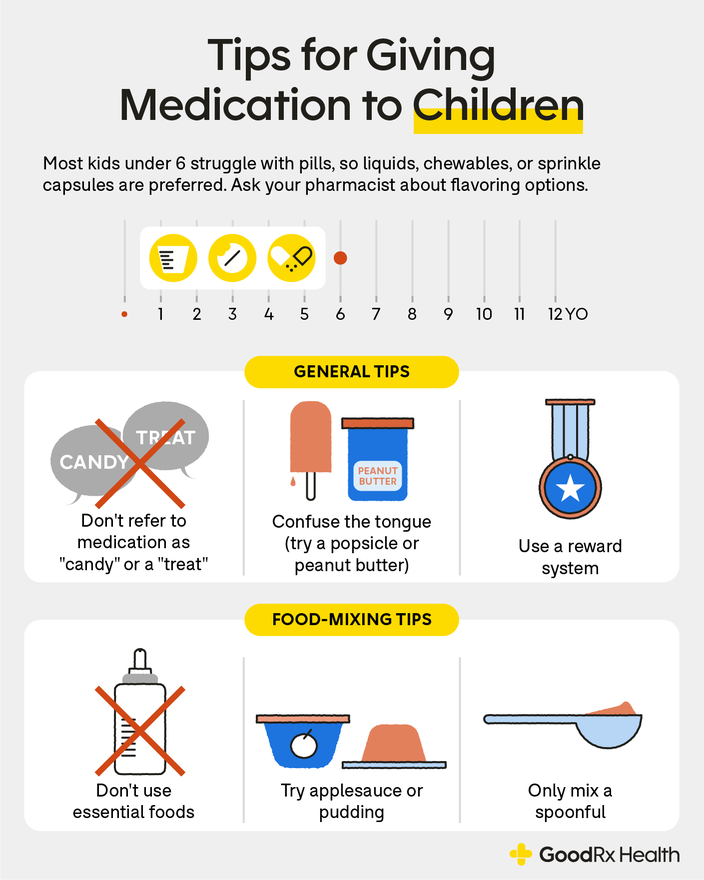
Image Source: www.grxstatic.com
Why Kids Push Back on Medicine
It helps to know why toddlers often fight taking medicine. They might not feel well already. This makes them more likely to be fussy.
H4. The Taste Factor
Many medicines taste bad to a child. Flavors like grape or cherry might sound good. But the actual medicine taste can be strong or bitter. This is a big reason a child refuses cough syrup.
H4. Fear of the Unknown
Toddlers like things they know. Medicine is new or different. They don’t know what it is or how it will feel. The idea of taking it can make them scared.
H4. Feeling Powerless
Toddlers want control. Taking medicine means someone else is making them do something. They often fight this because they want to be in charge of their body. Toddler medicine refusal tactics are their way of trying to get control.
H4. Past Bad Experiences
If taking medicine hurt before, or they spit it up, they will remember. This can make them scared the next time. They might expect it to be unpleasant again.
Getting Ready for Medicine Time
Being prepared helps you and your child. It makes you feel calmer. It helps your child feel more secure.
H4. Stay Calm Yourself
Kids pick up on how you feel. If you are stressed, they will feel stressed too. Take a deep breath. Show them you are okay.
H4. Gather Your Tools
Have everything ready before you start. Get the medicine bottle, the right dose tool (like a syringe or cup), and a cloth for spills. Maybe have a drink ready too. This stops you from having to leave and come back.
H4. Choose the Right Time
Pick a time when your child is not too tired or upset. If they just woke up from a nap or are in the middle of a fun game, it might be harder. Find a quiet moment.
H4. Read the Instructions
Always double-check the dose. Read the bottle label. Make sure you know how much to give. Know if it needs to be given with food or not.
Strategies for Giving Liquid Medicine to Toddlers
Giving liquid medicine to toddlers is the most common way. Here are some tips for administering medication to young children using liquid forms.
H4. Use the Right Tool
Don’t use a kitchen spoon. It’s not accurate. Use the tool that came with the medicine. Or use a dose syringe or medicine dropper. These give the exact amount needed. Using a syringe for toddler medicine is often the easiest method for control.
H4. Place It Carefully
Do not just pour it in the front of their mouth. They can easily push it out. Put the syringe or dropper between their cheek and gums. Aim towards the back of the mouth, but not straight down the throat. This helps them swallow.
H4. Give Small Amounts
Don’t give the whole dose at once. Give a little bit. Let them swallow. Then give a little more. This is less overwhelming. It also makes it less likely they will spit it all out.
H4. Hold Them Gently but Firmly
Sometimes you need to hold your child. Sit them on your lap. Hold one arm gently against their body with your arm. You can use your other hand to steady their head if needed. Do this kindly, not in a way that makes them feel trapped. Explain what you are doing simply.
H4. Follow with a Drink
Have their favorite drink ready. Give it right after the medicine. This helps wash away the taste. Water, juice, or milk can work.
H4. Stay Positive
Keep your voice calm and kind. Tell them they are doing a good job, even if they only take a little bit. Your positive attitude is important.
Making Kids Medicine Taste Good
Taste is a big hurdle. Making kids medicine taste good can help a lot.
H4. Ask About Flavors
Some pharmacies can add flavors to liquid medicine. Ask your pharmacist if this is an option. Common flavors are bubblegum, cherry, or grape. See if your child prefers one.
H4. Chill It
Cold can dull taste buds. Putting the medicine in the fridge for a little bit might make it taste less strong. Check the medicine instructions first. Some medicines cannot be chilled.
H4. Mix with a Strong Flavor (Carefully!)
This is different from mixing with food (covered next). This means mixing the medicine itself with a tiny amount of something strong-tasting. Think a little bit of juice, chocolate syrup, or flavored syrup.
H5. Important Rule: Use Only a Tiny Amount
You want the child to take the whole amount of the mixture. If you mix it with too much liquid, they might not finish it all. Then they won’t get the full dose of medicine. Just mix the medicine with a tablespoon or two of the flavor.
H5. Check with Your Doctor or Pharmacist
Always ask the doctor or pharmacist first. Mixing can sometimes change how the medicine works. It’s safer to ask.
Mixing Medicine with Food for Toddlers
Mixing medicine with food for toddlers can seem easy. But you need to be careful.
H4. Rules for Mixing with Food
- Small Amount of Food: Like mixing with flavor, use only a tiny amount of food. You need to be sure they eat all of the food you mix it with.
- Strong-Tasting Food: Use a food with a strong taste and smooth texture. Yogurt, applesauce, pudding, or chocolate syrup work well for masking taste.
- Check First: Always ask your doctor or pharmacist if the medicine can be mixed with food. Some medicines work best on an empty stomach. Some cannot be mixed because it affects how the body takes it in.
- Mix Just Before Giving: Don’t mix it ahead of time. Mix it right before your child eats it.
H4. Good Foods for Mixing
- Applesauce
- Yogurt
- Pudding
- Chocolate syrup
- A spoonful of jam
H4. Foods to Be Careful With
- Hot foods: Heat can change medicine.
- Milk or formula: Some medicines can’t mix with dairy.
- Large amounts of food: Child might not finish.
H4. Example Table: Mixing Ideas (Ask Doctor First!)
| Medicine Type (Example) | Possible Mixing Food (Small Amount) | Notes |
|---|---|---|
| Liquid Antibiotic | Applesauce, Yogurt | Needs doctor check. Ensure all eaten. |
| Pain/Fever Reducer | Pudding, Juice (small) | Often okay, but check label/doctor. |
| Cough Syrup | Chocolate Syrup, Jam | Strong flavors help hide taste. |
Remember, this table is just ideas. You must get advice from your doctor or pharmacist before mixing any medicine with food or drink.
Positive Reinforcement Medication Taking
Positive reinforcement medication taking means rewarding your child for trying or for taking their medicine. This helps them feel good about the process.
H4. Praise Them
Give lots of praise! Say “Good job swallowing!” or “You were so brave!” Clap for them. Smile. Make a big deal about how well they did, even if it was hard.
H4. Small Rewards
You can offer a small reward after they take the medicine. This could be:
* A sticker
* A tiny toy
* A special activity right after (like reading a favorite book or playing a quick game)
* A favorite snack (after the medicine and follow-up drink)
H4. Use a Reward Chart
For medicines taken over several days, use a sticker chart. Each time they take the medicine, they get a sticker. After a certain number of stickers, they get a bigger reward. This gives them something to look forward to.
H4. Focus on the Effort
Praise them for trying, not just for taking it perfectly. If they take half, praise them for taking half. This makes them feel less like a failure if it’s hard. It encourages them to try again next time.
H4. Stay Upbeat
Make the end of medicine time happy. Transition quickly to something fun. This helps end the experience on a positive note.
Addressing Toddler Medicine Refusal Tactics
Toddlers have many ways to refuse. They might clamp their mouth shut, spit it out, cry loudly, or turn their head away. Here are strategies for difficult medicine time when they resist strongly.
H4. Clamped Mouth
- Gentle Pressure: You can try putting the syringe tip on the side of their cheek, near the back teeth. Sometimes gentle pressure here can make them open their mouth slightly.
- The “Puff” Trick: Blow a gentle puff of air in their face just as you offer the medicine. This often causes them to gasp or open their mouth for a second, giving you a chance. Be quick!
- Distraction: While they are focused on something else, quickly give the medicine.
H4. Spitting It Out
- Small Doses: Giving very small amounts at a time makes it harder to spit out a lot.
- Syringe Placement: Aiming for the side of the cheek and back helps medicine go down, not forward onto the tongue where it’s easy to push out.
- Hold Cheek: Gently hold their cheek for a few seconds after they swallow (or you think they swallowed). This makes it harder to push it back out.
- Stay Calm: Don’t get angry if they spit. Clean up quickly and calmly. Try again if needed, or wait a few minutes and try a different method.
H4. Turning Head Away
- Cradle Position: Hold them in a cradled position on your lap. This helps keep their head steady and facing you.
- Use Two People: If possible, have one parent hold the child gently while the other gives the medicine. This isn’t about force, but about making it easier to get the dose in safely and quickly.
H4. Crying and Screaming
- It’s Okay to Cry: Acknowledge their feelings (“I know you don’t like this, and it’s okay to be sad”).
- Give Medicine Quickly: Sometimes the kindest thing is to give the medicine quickly and calmly while they are crying. Don’t try to reason or wait for them to stop. Get it done, then comfort them. Crying doesn’t prevent swallowing the same way clamping their mouth does.
- Comfort After: Immediately comfort and soothe them after the medicine is given.
Specific Strategies for Difficult Medicine Time
Beyond basic techniques, some overall strategies can make the whole process less of a fight. These are overall tips for administering medication to young children during challenging times.
H4. Make It Routine
Try to give medicine at the same time each day if possible. Toddlers like routines. Knowing what to expect can help reduce fear. Tell them, “After we brush teeth, it’s medicine time.”
H4. Offer Limited Choices
Give your child a small amount of control. This can reduce their need to fight.
* “Do you want to take your medicine in the kitchen or the living room?”
* “Do you want to hold the syringe or do you want me to?” (If they can hold it safely without spilling/playing).
* “Do you want your water or juice after?”
* “Do you want to sit on my lap or in the chair?”
Do not ask “Do you want to take your medicine?” The answer will likely be no. The choice is about how or where, not if.
H4. Practice with Water
If your child is scared of the syringe or cup, practice when they are not sick. Let them play with the syringe and draw up water. Let them give water to a doll or stuffed animal. Let them try putting water in their own mouth with the syringe. This makes the tool familiar and less scary.
H4. Use a Calendar or Chart
Mark off the doses on a calendar. Let your child put a sticker on the day after they take the medicine. This helps them see the end is coming and feel a sense of progress.
H4. Explain Simply
Use very simple words. “This medicine helps your cough go away.” “This helps you feel better.” Avoid long explanations.
H4. Stay Consistent
Once you pick a method that works okay, stick with it. Being consistent helps your child know what to expect. Changing methods every time can make them more anxious.
Handling Child Refusing Cough Syrup
Cough syrup is often a big challenge because it can be thick and very strong-tasting. Here’s how to handle a child refusing cough syrup specifically.
H4. Understand the Taste
Cough syrups often contain strong flavors to cover bitter ingredients, but these flavors themselves can be overwhelming or medicinal. Some have menthol or other ingredients that cause sensations kids dislike.
H4. Try Different Syrups (Ask Doctor!)
Not all cough syrups taste the same. If your doctor says it’s okay, ask if there’s another brand or type with a potentially better flavor. Never switch medicine without talking to the doctor or pharmacist first.
H4. Use a Chaser Drink Wisely
Have a strong-flavored drink ready immediately. Juice (like apple or grape) or milk can help wash away the taste quickly. Make sure they take a good drink right after swallowing the syrup.
H4. Mixing (If Allowed)
If the doctor or pharmacist says it’s okay, mixing a tiny bit of cough syrup with chocolate syrup or jam might hide the strong flavor better than mixing with just juice or water.
H4. The Quick Method
Because cough syrup taste lingers, getting it in quickly with a syringe aimed towards the side/back of the cheek, followed immediately by a preferred drink, can be the best approach. Minimize the time the syrup is on their tongue.
H4. Fun Ways to Give Cough Syrup
See the “Fun Ways” section below for ideas that can be applied to cough syrup, like making a game of it or using a fun dispenser (if safe and approved).
Using a Syringe for Toddler Medicine
Using a syringe for toddler medicine is often recommended by doctors. It offers good control and makes giving small, accurate doses easier.
H4. Why a Syringe is Good
- Accurate: Syringes have clear markings for exact dosing.
- Control: You control the speed and where the medicine goes in the mouth.
- Less Spill: Less likely to spill than a cup or spoon.
- Targeting: Can aim for the side cheek to help swallowing.
H4. Types of Syringes
- Oral Syringe: No needle. Looks like a plastic tube with a plunger. Comes in different sizes (mL or teaspoons).
- Dropper: Like a large eyedropper with mL or teaspoon markings. Also works well, especially for smaller doses.
H4. How to Use a Syringe
- Measure: Pull the plunger back to the line for the correct dose.
- Draw Up: Put the tip in the medicine bottle and push the plunger down, then slowly pull it back up to draw the medicine into the syringe. Make sure there are no big air bubbles.
- Position Child: Hold your child comfortably. They can sit on your lap or stand next to you. Gently support their head if needed.
- Insert Syringe: Gently place the tip of the syringe inside their mouth. Slide it along the side of their cheek, past their teeth and gums, towards the back of their mouth. Do not point it straight down the throat.
- Slowly Push Plunger: Push the plunger very slowly. Give them time to swallow. This prevents choking or spitting. Pause if they need to swallow.
- Give Chaser: As soon as the medicine is in, give them the drink you have ready.
- Praise: Tell them how well they did right away.
- Clean Up: Wash the syringe with soap and water right after use.
H4. Practicing with a Syringe
Practice with water first. Let your child see you measure water. Let them feel the syringe tip. Let them try giving water to a doll. This familiarizes them with the tool.
Fun Ways to Give Kids Medicine
Making medicine time less serious can really help. Fun ways to give kids medicine turn it into a game or a positive interaction instead of a fight.
H4. The “Medicine Train”
Use the syringe as a train. “Here comes the medicine train! Choo-choo! Open the tunnel!” Make sounds.
H4. Race to the Reward
“Let’s see how fast you can take it so you can get your sticker/toy!” Make it a quick challenge.
H4. Use a Story
Make up a short story about the medicine. “This is the superhero juice! It’s going to fly into your tummy and fight the bad germs!” Let them help “prepare” the superhero juice.
H4. Let a Toy Take Medicine
Give a dose of “pretend” medicine (water) to a favorite stuffed animal or doll first. “Look, Teddy is taking his medicine! Now it’s your turn!”
H4. The “Surprise” Medicine
Put the medicine in a fun, approved dispenser like a medicine pacifier (check age appropriateness and cleanliness) or a special medicine cup with a lid and straw designed for medicine (allows drink immediately after medicine).
H4. Sing a Song
Make up a simple medicine song or sing a familiar tune while you give it. Keep it light and upbeat.
H4. The Countdown
Count down from 5 or 10 before giving the medicine. This gives them a moment to prepare and feel some control.
H4. Make a Face
Make a funny face after taking the medicine, or encourage them to make one to help with the taste.
What NOT to Do When Giving Medicine
Just as important as knowing what to do is knowing what not to do. These actions can make medicine time harder in the future.
H4. Don’t Lie or Trick Them
Don’t say the medicine tastes like candy if it doesn’t. Don’t hide medicine in a large amount of food or drink where they might not finish it. This breaks trust and makes them more suspicious next time. Use simple, honest words like “This will help you feel better” or “It doesn’t taste great, but it will make you strong.”
H4. Don’t Force Them Cruelly
While gentle, firm holding might be needed for safety and to ensure they get the dose, do not hold them down roughly or pinch their nose. This is traumatic and makes future doses much harder. Aim for quick, safe administration with as much comfort as possible.
H4. Don’t Mix Medicine with Essential Foods/Drinks
Never mix medicine into their whole bottle of milk, or their only sippy cup of water they drink all day, or their entire bowl of favorite cereal. If they don’t finish it, you don’t know how much medicine they got. It might also make them dislike that food/drink forever if it tastes bad.
H4. Don’t Get Angry
It is frustrating when they fight you. But getting angry makes them more scared and resistant. Stay calm, take a break if you need to (if it’s safe), and try again with patience.
H4. Don’t Give Up Too Easily (But Know When to Pause)
If the doctor says the medicine is important, you need to get the dose in. Don’t give up after one refusal. Try a different method, or take a short break and try again. However, if your child is truly choking or becoming hysterical, pause, ensure they are safe, and regroup. If you repeatedly cannot get the medicine in, call the doctor.
When to Seek Help
Sometimes, despite your best efforts and using all the tips for administering medication to young children, you just can’t get the medicine in.
H4. Call Your Doctor
If you cannot give the medicine, or if your child spits up a large amount right after taking it, call the doctor’s office. They can:
* Suggest other forms of the medicine (like a chewable, if age-appropriate, or a different liquid flavor).
* Give you more specific tips for that particular medicine.
* Advise if missing a dose is okay or if you need to come in.
* Check if the resistance is due to their illness getting worse.
H4. Call Your Pharmacist
Pharmacists are also great resources. They can:
* Talk about flavoring options.
* Confirm if mixing with specific foods/drinks is safe.
* Explain the best way to measure and give that specific medicine.
H4. Trust Your Gut
If your child seems sicker than they should be, or you are very worried about their refusal and not getting the medicine in, don’t hesitate to call for medical advice.
Planning Ahead
Thinking about medicine time before your child gets sick can make things smoother.
H4. Talk to the Doctor About Options
When the doctor gives you a prescription, ask about:
* Liquid flavors available.
* If a chewable is an option (for older toddlers who can safely chew).
* If the medicine can be given with food or milk.
* What tool is best for giving the dose (syringe, cup, etc.).
H4. Practice Before Sickness Strikes
As mentioned, practice with a syringe or cup using water when your child is healthy. This builds positive feelings about the tool.
H4. Have Supplies Ready
Keep a clean medicine syringe or cup in your medicine cabinet. Have a bottle of juice or other preferred chaser drink handy if your child gets sick.
H4. Know Your Child’s Personality
Some kids respond well to games. Some respond better to quiet reassurance. Some need choices. Think about what usually works to help your child cooperate in other situations. Apply those ideas to medicine time.
H4. Discuss with Your Partner or Other Caregivers
Make sure everyone who might give medicine knows the plan. Agree on the method, the reward system, and how to handle refusal. Consistency is key.
Breaking Down Complex Medicines
Some medicines might require special timing or have specific instructions.
H4. Medicines Given Without Food
If a medicine must be given on an empty stomach (e.g., an hour before or two hours after eating), plan the timing carefully. This might mean giving it first thing in the morning before breakfast, or a couple of hours after dinner. Having the chaser drink ready is extra important here, as you can’t use food to help mask the taste.
H4. Medicines That Need Shaking
Many liquid medicines need to be shaken well before each dose. This ensures the medicine is mixed evenly in the liquid. If you don’t shake it, your child might get too much or too little medicine in one dose. Check the label!
H4. Measuring Correctly
Always use the measuring tool that came with the medicine or one recommended by the pharmacist. Teaspoons and tablespoons from your kitchen drawer are not accurate medicine measures. Syringes marked in milliliters (mL) are generally the most accurate. Pay close attention to the dose amount the doctor ordered and the markings on the measuring tool. For example, 5 mL is equal to 1 teaspoon. Make sure you are using the right one.
The Power of Play and Distraction
Incorporating play and distraction is one of the most effective fun ways to give kids medicine.
H4. Role-Playing
Before medicine time, play doctor. Let your child pretend to give medicine to you or a toy. Use water in a syringe. This helps them understand the action and feel more comfortable with the tools.
H4. Distraction During Giving
While you are giving the medicine, distract them. Sing a song loudly. Point to something across the room. Talk about their favorite cartoon character. The less they focus on the medicine itself, the easier it might be.
H4. Use a Mirror
Let them watch themselves in a mirror while they take the medicine. This can sometimes make it feel less like something being done to them and more like something they are participating in.
H4. Quick Transition to Fun
Have a special book, toy, or activity waiting specifically for after medicine time. This creates a strong positive association with the end of the process. “As soon as your medicine is done, we can read the popup book!”
Common Questions About Toddler Medicine
H3. Frequently Asked Questions
H4. Can I mix medicine with milk or formula?
Maybe, but always ask your doctor or pharmacist first. Some medicines don’t mix well with dairy and might become less effective or taste even worse.
H4. What if my child throws up right after taking the medicine?
Call your doctor or pharmacist right away. They will tell you if you need to give another dose. It depends on how long after taking it they threw up and how much came up.
H4. My child refuses cough syrup specifically. Are there alternatives?
Talk to your doctor. For coughs, they might suggest honey (for children over 1 year old) or simply fluids and rest. Some cough medicines for toddlers are not very effective anyway and might not be needed. If a cough medicine is necessary, ask about different brands or formulations that might taste better.
H4. How do I know if they swallowed it?
It can be hard to tell, especially if they fight or cry. If you place the syringe towards the side/back of the cheek and push slowly, most of it should go down. If they spit out a large, visible amount, assume they didn’t get the full dose and call your doctor for advice on what to do. If they swallow and then spit up later, see the question above.
H4. Is it okay to hold my child’s nose?
No, do not hold your child’s nose. This can be scary and can cause them to inhale the medicine into their lungs, which is dangerous. Focus on gentle positioning and the side-cheek method with a syringe.
H4. How long should I keep trying if my child is really fighting?
Try for a few minutes using different gentle approaches. If your child is becoming hysterical or you cannot safely get the medicine in, pause. Clean up, comfort your child, and take a break for 10-15 minutes. Then try again using a different technique or with help from another adult if possible. If repeated attempts fail, call your doctor for guidance. Getting the medicine in safely is the priority.
Getting a stubborn toddler to take medicine is rarely easy, but with patience, preparation, the right tools, and a few clever strategies, you can make it less of a battle. Remember to stay calm, be consistent, offer praise, and always consult your doctor or pharmacist with questions. You’ve got this!