
So, how big is a toddler bed? A standard toddler bed typically uses the same mattress size as a crib mattress. This means the mattress is usually about 52 inches long and 27.5 inches wide. The bed frame itself is a bit larger than the mattress to hold it and often includes safety rails. So, what size mattress fits a toddler bed? The most common answer is a standard crib mattress. These beds are designed for young children, generally ranging from around 18 months up to 4 or 5 years old, depending on their size and development.
Moving your child from a crib to a ‘big kid bed’ is a big step. A toddler bed is a perfect in-between. It is smaller than a twin bed but gives them more freedom than a crib. Knowing the size helps you pick the right bed for your child and your space. Let’s look closer at the size details.
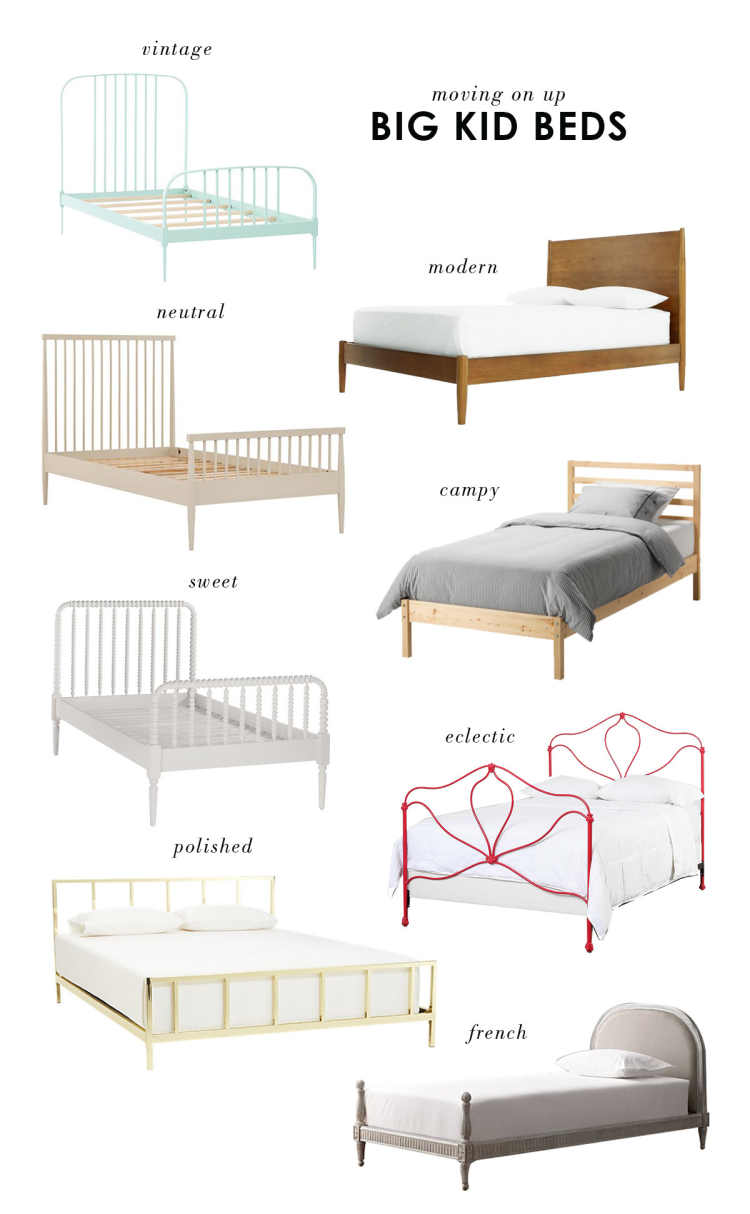
Image Source: res.cloudinary.com
Getting the Right Toddler Bed Size
Choosing the right bed starts with knowing the size. Toddler bed dimensions are made just for small bodies. They are low to the ground. This makes it easy for toddlers to get in and out by themselves. Safety is a key part of their design. Built-in side rails help stop your child from rolling out while they sleep.
The main size factor is the mattress. Most toddler beds use the same size mattress as a crib. This is great because you might already have a mattress ready.
Standard Toddler Bed Size in Inches
Let’s talk about the numbers in inches. The standard toddler bed size inches are based on the mattress.
A standard crib or toddler bed mattress measures:
* Length: Around 51 ⅝ inches to 52 ⅝ inches (or 131 cm to 133 cm)
* Width: Around 27 ¼ inches to 28 ⅝ inches (or 69 cm to 72 cm)
These sizes are set by safety rules. This helps make sure mattresses fit snugly in beds. A snug fit is important for safety. There should not be big gaps where a child could get stuck.
The bed frame is bigger than the mattress. The outer dimensions of the bed frame change based on the style and design. But the inside space for the mattress is standard. This standard size is the most common type you will find. This makes shopping easier.
Toddler Bed Measurements in CM
For those who use the metric system, toddler bed measurements cm are also standard.
The standard mattress size in centimeters is:
* Length: Roughly 131 cm to 133 cm
* Width: Roughly 69 cm to 72 cm
Again, the total size of the bed frame in cm will be larger. It depends on the bed’s style, headboard, and footboard. But the part where the mattress sits is built for these metric dimensions. This ensures a good fit for a standard crib mattress.
What Size Mattress Fits a Toddler Bed?
As we noted before, the most common answer to “what size mattress fits a toddler bed?” is a standard crib mattress. These mattresses are specially made for this bed size. They are usually firm. A firm mattress is best for young children. It gives good support for their growing bodies.
You can find different types of crib/toddler bed mattresses:
* Foam mattresses: These are often lighter and less costly. They come in different densities (how firm they are).
* Innerspring mattresses: These have coils inside, like adult mattresses. They are usually very durable. They can be heavier.
* Organic mattresses: Made with natural materials like cotton, wool, or plant-based foams.
No matter the type, the size must be right. It should fit tightly inside the bed frame. If you can fit more than two fingers between the mattress and the bed frame, the mattress is too small. A small gap is a safety risk.
Comparing Crib vs Toddler Bed Size
Let’s look at crib vs toddler bed size. This helps show why a toddler bed is the next step.
* Cribs: Cribs are designed to keep babies safe inside. They have high sides (slats) all around. The mattress is at the bottom, often adjustable to different heights. Babies cannot get out by themselves. The inner size for the mattress is the same as a toddler bed (standard crib mattress size).
* Toddler Beds: Toddler beds are low to the ground. They have open sides or low safety rails. This lets the child get in and out freely. They use the same size mattress as a crib. The frame is usually smaller overall than a crib frame, but larger than the mattress itself.
Here is a simple comparison table:
| Feature | Crib | Toddler Bed |
|---|---|---|
| Purpose | Keep baby safely contained | Help toddler transition, allow freedom |
| Height | High sides | Low to the ground |
| Entry/Exit | Child cannot get out alone | Child can get in/out alone |
| Mattress Size | Standard Crib Mattress (same size) | Standard Crib Mattress (same size) |
| Frame Size | Often larger footprint than toddler bed | Often smaller footprint than crib |
| Safety | High slats all around | Low side rails (often on parts) |
The key takeaway is that the mattress size stays the same when you move from a crib to a toddler bed. The big change is the bed’s structure. The toddler bed is open and low, giving your child more independence.
Toddler Bed Age Range
When is a child ready for a toddler bed? There is no single exact age. The typical toddler bed age range is from about 18 months to 4 or 5 years old. But this depends more on your child’s readiness than their birthday.
Signs your child might be ready:
* Trying to climb out of the crib: If your child can get out of the crib, it is not safe anymore. A lower toddler bed is safer.
* Reaching the height limit: Cribs have height limits. Often, it is when your child is 35 inches (about 89 cm) tall. Check your crib’s rules.
* Asking for a ‘big kid bed’: Your child might tell you they want a new bed.
* Potty training: It is easier for a potty-training child to get to the bathroom from a low bed.
Some children stay in a toddler bed until they are 5 or even 6. Others move to a twin bed earlier. The toddler bed is a good stepping stone. It gives them a feeling of freedom while still being a familiar size (because of the mattress).
Toddler Bed Weight Limit
Safety rules also cover how much weight a toddler bed can hold. The toddler bed weight limit is important to know. It is usually around 50 pounds (about 22.7 kg). This weight limit is set to keep your child safe. It also helps the bed last longer.
Why 50 pounds? Toddlers and young children are not very heavy. The 50-pound limit is usually more than enough for a child in the typical toddler bed age range. This limit is about the weight of the child using the bed for sleeping. It is not meant for multiple children jumping on the bed. Always check the specific weight limit for the bed you buy. You can find this on the product label or in the user guide. Stick to the limit for safety.
Average Toddler Bed Size
The average toddler bed size refers mostly to the frame’s outer measurements. As discussed, the inner size for the mattress is standard. But the full size of the bed can differ. It depends on the design. Some beds have thick frames. Some have built-in storage or fancy headboards. These things make the overall bed bigger.
However, compared to a twin bed (which is about 38 inches wide and 75 inches long), even a large toddler bed is smaller. A twin bed is much too big for a young toddler. The average toddler bed size is just right for a small child’s room and their small size.
A typical toddler bed frame might be around 54-58 inches long and 30-33 inches wide. But this varies a lot. Always check the exact product dimensions before buying. This is important if you have a small room.
Toddler Bed Footprint
The toddler bed footprint is the amount of floor space the bed takes up. This is the total area covered by the bed’s frame on the floor. Knowing the footprint helps you plan your child’s room layout.
The footprint includes:
* The length of the bed frame
* The width of the bed frame
It does not include the mattress size itself. It is the total space needed for the furniture piece. A standard toddler bed footprint is usually smaller than a crib footprint. Cribs often have thicker frames and maybe taller legs or different base designs. This makes the toddler bed a good choice for saving space.
Example footprint sizes might be around:
* Length: 55 inches (about 140 cm)
* Width: 31 inches (about 79 cm)
But again, these are just examples. The actual footprint depends on the bed’s style. A simple, modern bed might have a smaller footprint. A themed bed (like a race car bed) or a bed with storage can have a much larger footprint. Always look at the product specs for the exact dimensions. Measure your space before you buy. Make sure the bed fits well and leaves room for playing and walking around.
Different Types of Toddler Beds and Their Sizes
While the mattress size is standard, toddler beds come in many styles. These styles can affect the bed’s outer size and footprint.
- Basic Panel Beds: These have simple headboards and footboards. They often have built-in side rails along part of the bed. Their outer dimensions are usually close to the standard mattress size, plus a few inches for the frame. The toddler bed dimensions for these are straightforward.
- Platform Toddler Beds: These beds sit very low, sometimes right on the floor. They have a solid base for the mattress instead of slats. The footprint can be slightly larger if the platform extends beyond the mattress edge.
- Themed Beds: These are shaped like cars, boats, castles, or other fun things. They are very popular. However, their shapes often mean they have a much larger and less standard footprint. A race car bed, for instance, will be wider and perhaps longer than a simple panel bed. The toddler bed measurements for themed beds vary greatly.
- Convertible Cribs: Some cribs turn into toddler beds. These are very handy. The crib you buy changes. First it is a crib. Then you can take off a side rail. You might add a low safety rail. It becomes a toddler bed. The size of a convertible crib toddler bed will be the same as the original crib’s footprint. This is usually larger than a stand-alone toddler bed. But you do not need to buy a new mattress.
- Toddler Beds with Storage: Some beds have drawers underneath or shelves in the headboard. These features add to the overall size and footprint of the bed.
When looking at different types, always check the full toddler bed dimensions listed by the maker. Do not just guess based on the mattress size.
Why Toddler Bed Size Matters for Safety
The specific size of a toddler bed is directly linked to safety.
* Low Height: The bed being low to the ground means if a child rolls off, it is a short fall. This reduces the chance of getting hurt.
* Side Rails: The built-in or add-on safety rails help keep the child from falling out during sleep. The length and height of these rails matter. They should be long enough to protect the child’s body while they are sleeping.
* Mattress Fit: As mentioned, the mattress must fit snugly. A loose mattress is a serious safety hazard. The standard toddler bed mattress size is designed to fit tightly in standard frames.
* Sturdy Construction: A well-made bed will not wobble or break easily. This is why paying attention to the weight limit and how the bed is built is key.
Ensuring the correct standard toddler bed size inches and using the right what size mattress fits a toddler bed helps create a safe sleep space. Do not use an adult mattress or a mattress not made for this bed size.
The Role of Toddler Bed Size in the Transition
Moving a child from a crib to a bed is a big step. The size of the toddler bed plays a key role in making this easy.
* Familiarity: Using the same crib mattress in the toddler bed can make the change feel less scary. The mattress feels familiar.
* Size Increment: A toddler bed is just a bit bigger than the crib space they are used to. It is not as huge and maybe intimidating as a twin bed would be for a small child. This smaller step can feel safer for the child.
* Independence: The low height and open side let the child get in and out. This gives them a new feeling of control and independence. This is a big part of being a toddler!
* Space Use: Knowing the toddler bed footprint helps parents plan the room. Placing the bed safely (away from windows, cords, etc.) is easier when you know its size.
The transition is not just about size. It is also about timing and preparing your child. But the physical size of the bed supports the child’s growing need for freedom and safety.
Planning Your Space with Toddler Bed Footprint
Thinking about the toddler bed footprint is important for designing a functional room. A child’s room is for sleeping, playing, and maybe getting dressed. You need enough space for all these things.
Steps for planning:
1. Know the bed’s exact footprint: Get the outer dimensions from the product details.
2. Measure your room: Note down the length and width of the room. Also note where doors, windows, and closets are.
3. Draw a simple floor plan: You can do this on paper or use an online tool. Draw the room shape. Add the fixed parts like doors.
4. Place the bed on the plan: Use the bed’s footprint size. Try different spots.
5. Add other furniture: Put in things like dressers, bookshelves, toy bins. Make sure there is space to walk between things.
6. Think about safety: Do not put the bed under a window or near curtain cords. Make sure there is clear space if the child gets out of bed at night.
Knowing the average toddler bed size footprint helps you see how much room you will have left. This is key for making the room work well for your child. Even small differences in toddler bed dimensions can matter in a tight space.
Durability and the Toddler Bed Weight Limit
The toddler bed weight limit also tells you about how strong the bed is. A higher weight limit often means the bed is built with stronger materials or better support.
- Materials: Toddler beds are often made of wood, plastic, or metal. Wood beds are usually very sturdy. Plastic beds can be lighter and come in many colors and shapes, but might have a lower weight limit depending on the type of plastic. Metal beds are also very strong.
- Construction: Look at how the bed is put together. Are the parts thick? Are the connections strong (screws, bolts)? A well-made bed will support the weight limit and last longer.
While the 50-pound limit is common, some beds might hold slightly more. Always check the product details. Do not let older siblings or adults sit or lie on a toddler bed, even for a moment, if they are over the weight limit. This can break the bed or make it unsafe for your child.
Where to Find Toddler Bed Size Information
When you are ready to buy, where do you find the exact toddler bed dimensions?
* Product Description: Online stores and product boxes always list the size. Look for ‘dimensions’ or ‘specifications’.
* User Manual: The manual that comes with the bed will have detailed size info and the weight limit.
* Manufacturer Website: The brand’s website will have full details for each bed model.
Look for the outer dimensions (Length x Width x Height) and the mattress size required. Also, find the toddler bed weight limit. Do not just look at a picture. The actual size might be different than you think.
Making the Most of Toddler Bed Size and Space
Once you have the right size bed, think about how it fits into the bigger picture of the room.
* Placement: Put the bed in a spot that feels safe and cozy. Maybe against a wall, but not covering a heater or vent.
* Walkways: Make sure there are clear paths to the door, closet, and anywhere else your child might need to go, especially at night.
* Other Furniture: Arrange other furniture so it does not block windows or create tight spots. Low bookshelves or toy bins can be placed within easy reach for your child.
* Safety First: After placing the bed, check for any new hazards. Are electrical cords now reachable? Are heavy items on shelves that could fall? The size and placement of the bed can change the safety of the room.
By paying close attention to the toddler bed dimensions, the required mattress size, the weight limit, and the footprint, you can choose a bed that is safe, comfortable, and fits well in your home. It is a key part of helping your child grow into their next stage of sleep.
FAQ: Common Questions About Toddler Bed Size
Here are some common questions people ask about toddler bed sizes.
H4: Is a toddler bed the same size as a crib?
Not exactly. A toddler bed uses the same size mattress as a standard crib mattress. The mattress itself is usually around 52 inches long and 27.5 inches wide. The bed frame of a toddler bed is different from a crib frame. It is lower to the ground and has open sides or low rails instead of high slats all around. The outer dimensions or ‘footprint’ of a toddler bed frame are usually different from a crib frame, often slightly smaller overall than a crib but bigger than just the mattress.
H4: Can a standard twin mattress fit a toddler bed?
No, a standard twin mattress is much too large for a toddler bed. A standard twin mattress is typically 75 inches long and 38 inches wide. A toddler bed is made for a standard crib mattress, which is much smaller (around 52 inches long and 27.5 inches wide). Using a twin mattress in a toddler bed would not fit and would be unsafe.
H4: What are the exact measurements for a standard crib/toddler mattress?
Safety rules in the US say a standard crib/toddler mattress must be at least 27 ¼ inches wide and 51 ⅝ inches long. It should be no thicker than 6 inches. This helps make sure it fits snugly in the bed frame. The common stated size is around 27.5 inches by 52 inches.
H4: How much weight can a toddler bed hold?
Most standard toddler beds have a weight limit of around 50 pounds (about 22.7 kg). This limit is set for the safety of the child using the bed for sleeping. Always check the specific bed’s weight limit in the product details or manual.
H4: Until what age can a child use a toddler bed?
Children typically use a toddler bed from around 18 months up to 4 or 5 years old. The exact age depends on the child’s size, weight, and readiness. If your child is taller than 35 inches, tries to climb out of the crib, or is over the bed’s weight limit, it might be time to move them to a bigger bed.
H4: Do I need a special mattress for a toddler bed?
No, you usually do not need a special mattress, but you need the correct size mattress. Toddler beds are designed to use a standard crib mattress. If you already have a crib mattress that is in good condition and meets safety standards (firmness, thickness), you can likely use it in your toddler bed.
H4: How do I know the toddler bed footprint before buying?
Look at the product specifications or dimensions listed by the manufacturer. They should provide the total outer length and width of the bed frame. This is the footprint. Measure your space and compare it to these numbers to ensure the bed will fit where you want it.
H4: Are toddler beds safe?
Yes, toddler beds are designed with safety features. They are low to the ground to reduce injury from falls. They often have built-in guardrails to prevent rolling out. Using the correct size mattress that fits snugly is also critical for safety. Ensure the bed meets current safety standards.
H4: Can a toddler bed convert into a twin bed?
Some, but not all, cribs can convert first into a toddler bed and then potentially into a twin bed headboard/footboard later. Stand-alone toddler beds usually do not convert into twin beds. Check the specific product details to see if it has conversion features.
H4: Is the mattress size the same for all toddler beds?
For standard toddler beds, yes, the mattress size is the same: the standard crib mattress size (approx. 27.5″ x 52″). However, there might be very few non-standard toddler beds, so always check the required mattress size for the specific bed frame you are considering. Stick to standard sizes for safety and ease of finding mattresses and bedding.
Conclusion
Knowing the size of a toddler bed is simple once you know the key point: they use a standard crib mattress. The mattress size is consistently around 52 inches long by 27.5 inches wide (131-133 cm by 69-72 cm). The bed frame itself is a bit bigger to hold the mattress and add safety features like side rails.
The toddler bed weight limit is typically about 50 pounds. The toddler bed age range is usually from 18 months to 4 or 5 years. These beds offer a safe, low-to-the-ground sleeping spot that helps children move from a crib to a bigger bed.
Looking at crib vs toddler bed size shows the change is in the frame design, not the mattress. The lower height and open access give toddlers more freedom. The toddler bed footprint, or the space the bed takes up, is usually less than a crib, making it good for smaller rooms.
Different styles of toddler beds will have slightly different outer toddler bed dimensions and footprints. Always check the exact measurements before buying. Picking the right size bed and putting the right size mattress (a standard crib mattress) in it is important for safety and comfort. This guide should give you a clear picture of just how big a toddler bed is and why that size works well for your growing child.