
You want to know how often should I take my toddler to the potty? The short answer is often, but not too often. Finding the right potty timing for your child is key. It involves watching for their signs, knowing common times they need to go, and setting up a consistent potty training schedule. Every child is different, so what works for one may not work for another. The goal is regular, positive potty breaks routine without creating stress.
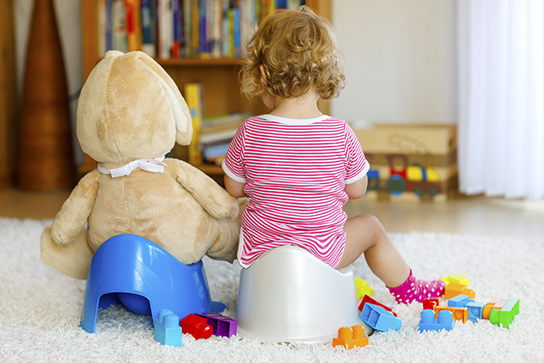
Image Source: health.ucdavis.edu
Why Timing Matters Greatly
Getting the timing right in potty training helps a lot. Sending your child to the potty when they are likely to need it leads to more wins. More wins build their confidence. It also helps prevent accidents. Accidents can make kids feel bad. They can also make parents feel tired.
Good timing makes the process smoother. It saves you cleanup time. It helps your child connect the feeling of needing to go with using the potty. This connection is a big step in becoming potty trained.
Think of it like catching a train. If you go too early, you wait. If you go too late, you miss it. Potty timing is about getting there just in time.
When you offer the potty at the right moments, you are helping your child learn their body. They learn what it feels like to have a full bladder or bowel. They learn that the potty is the place to go. This is part of building a good toddler potty routine.
It takes patience. It takes watching your child closely. But finding that sweet spot makes potty training much easier for everyone. It’s a key part of any potty training frequency guide.
Finding Your Toddler’s Rhythm
Your child has their own body clock. It helps to figure out what that is. This takes paying attention. You need to become a bit of a detective.
Tracking Output
One good way to find their rhythm is to track when they pee and poop. For a few days before you start potty training, pay attention. Note when they have a dry diaper. Note when they have a wet or dirty diaper.
Keep a simple log. You can use a notebook or an app. Write down the time of day. Note if the diaper was just a little wet, very wet, or had poop.
Do this for at least three days. A full week is even better. Look for patterns. Do they usually pee first thing in the morning? Do they poop after breakfast? Do they stay dry for about two hours between pees?
This tracking helps you see their natural toddler potty frequency. It gives you clues about when to attempt potty trips. It helps you build a useful potty training schedule. It shows you their typical potty breaks routine.
| Time Frame | Observation 1 | Observation 2 | Observation 3 | Average Interval |
|---|---|---|---|---|
| Morning | Diaper wet at 7 am | Diaper dry at 7 am | Diaper wet at 6:45 am | Upon waking |
| 7 am – 9 am | Pee at 8:30 am | Dry | Pee at 8:15 am | ~1.5 hours |
| 9 am – 12 pm | Pee at 10:15 am, Poop at 11 am | Pee at 9:45 am, Pee at 11:30 am | Poop at 9:30 am, Pee at 10:45 am | Pee: ~1.5-2 hrs, Poop: ~daily |
| 12 pm – 3 pm | Pee at 1:00 pm | Pee at 1:45 pm | Dry | ~1.5-2 hours |
| 3 pm – 6 pm | Pee at 4:30 pm | Pee at 5:00 pm | Pee at 3:45 pm | ~1-1.5 hours |
| Evening / Before Bed | Pee at 7:00 pm | Pee at 7:30 pm | Pee at 6:30 pm | ~1.5 hours |
This table is just an example. Your child’s log will look different. It helps you predict when they might need to go.
Observing Signals
Besides tracking, watch your child. Toddlers often give signals that they need to go. These are the signs toddler needs potty. They might not say anything at first. But their body language can tell you a lot.
Look for things like:
* Standing still
* Holding their private parts
* Crossing their legs
* Making a face
* Getting quiet
* Moving behind furniture
* Grabbing their bottom
These signs might be quick. You have to watch for them. When you see these signs, it is a good time to offer potty. This is a key part of good potty training timing. Learning these signs helps you know when to attempt potty trips outside of a set schedule.
Common Timings
There are some times when toddlers often need to go. These are good times to offer the potty, even if you haven’t seen specific signs. These fit well into a potty training schedule.
- Right after waking up in the morning.
- About 20-30 minutes after eating a meal. Digestion can make them need to poop.
- Before leaving the house.
- Before nap time.
- Right after waking from a nap.
- Before bed time.
- Before getting in the car.
- Before starting a new activity.
- After playing for a while.
Using these common times helps you create a good potty breaks routine. They are building blocks for your toddler potty routine.
Establishing a Potty Routine
Setting up a regular routine is super helpful. Toddlers do well with routine. Knowing what happens next makes them feel safe. It also helps build habits. A regular potty training schedule is a core part of success. It helps you know how often offer potty trips.
Suggested Potty Training Schedules
Here are some common ways to build a potty training schedule. You can mix and match these ideas.
Hourly Check-ins
One simple approach is to take your child to the potty every hour. Or every hour and a half. This is a basic toddler potty frequency. It makes sure you offer the chance often enough. This works well when you are first starting. It catches many needs before an accident happens.
You can set a timer on your phone. When the timer goes off, ask your child if they need to go. Or just say, “Let’s try the potty!”
After Activities
Link potty trips to daily events. This helps your child remember. It builds a habit.
* After waking up
* After breakfast
* Before playing outside
* After coming inside
* Before lunch
* After lunch
* Before nap
* After nap
* Before dinner
* After dinner
* Before bath
* Before bed
This structured routine makes consistent potty trips part of the day.
Before Leaving Home
Always try the potty before you go out. Even if it’s a short trip. This reduces the chance of an accident in the car or store. It’s a smart part of your potty breaks routine.
Before Bed
A final potty trip before sleep helps keep nighttime dry. It’s a key step in the evening toddler potty routine.
Immediately Upon Waking
The bladder is usually full after sleep. Taking them to the potty right away is often successful. This is a prime time when to attempt potty.
You can start with very frequent trips (like every hour). As your child gets better at holding it and showing signs, you can stretch the time between trips. Maybe go from every hour to every 1.5 hours, then every 2 hours. This is how you adjust the potty training frequency guide for your child.
Consistency is Key
Whatever schedule you choose, try to stick to it. Consistent potty trips are vital. Doing it the same way every day helps your child learn. It builds the habit.
If you sometimes go every hour and sometimes go every three hours, it’s confusing. Try to keep the times regular, especially in the beginning. This structure helps your child know what to expect. It makes the potty training timing predictable.
Consistency also means everyone caring for the child follows the same plan. Parents, grandparents, daycare workers – everyone should be on the same page about the potty training schedule and toddler potty frequency.
It doesn’t have to be perfect. Life happens. But aim for consistency most of the time.
Reading the Signs
While a schedule is good, watching your child is just as important. Sometimes they need to go now, even if it’s not the scheduled time. Knowing the signs toddler needs potty helps you act fast.
Common Signs
As mentioned before, these signals are your child’s way of telling you they need to go.
- Stopping what they are doing.
- Becoming quiet.
- Looking focused or intense.
- Shifting their weight or bouncing slightly.
- Holding their private parts.
- Going to a private spot (like behind a chair).
- Crossing their legs.
- Wriggling or dancing.
- Passing gas (often happens before pooping).
Reacting Quickly
When you see a sign, don’t wait. Ask them simply, “Do you need to use the potty?” or “Let’s go try the potty!” Guide them there calmly and quickly.
Even if they say no, if you saw a clear sign, it’s often best to encourage them to try anyway. “Okay, but let’s just sit on the potty for a second, just in case.”
Reacting fast to these signs is a key part of good potty training timing. It helps prevent accidents and reinforces the connection between the feeling and the potty. It teaches them that you understand their needs.
Balancing Frequent Attempts with Pressure
So, you need to offer the potty often (frequent potty breaks routine). But you also don’t want to pressure your child. Finding this balance is tricky but important.
How Often Offer Potty Without Pushing
Too much pressure can make a child resist. They might see the potty as a battle. This can slow down the whole process.
Offering often is good. Forcing is not.
Instead of “You NEED to go potty NOW!” try gentle prompts:
* “Let’s try the potty before we read this book.”
* “Would you like to sit on the potty before snack time?”
* “Time to try the potty! Let’s see if anything comes out!”
If they strongly resist, you can sometimes back off. But if you see a clear sign they need to go, you might gently insist they sit there for a moment. It’s a judgment call.
A good rule of thumb: Offer often based on your schedule and their patterns (potty training frequency guide, toddler potty frequency). Prompt gently based on signs (signs toddler needs potty). Don’t turn it into a fight.
If they are really having a hard time with frequent trips, try making them shorter. Just sit for a few seconds. Offer a book or song while they sit.
Making Potty Trips Fun
To avoid pressure, make potty time pleasant.
- Let them pick out a special potty book to read while they sit.
- Sing a short potty song.
- Give a small reward sticker for trying, even if nothing happens.
- Celebrate successes with praise and high-fives.
Making potty breaks routine something positive helps reduce resistance. It makes them more willing to go when you suggest it, fitting well into your potty training timing plans.
Dealing with Accidents
Accidents are part of potty training. No child becomes fully potty trained without some accidents. They are learning moments.
Accidents are Normal
Don’t get upset when an accident happens. Getting mad can make your child scared of the potty. It can make them hide when they need to go.
Stay calm. “Oops! Looks like the pee (or poop) came out in your pants. That’s okay! Next time let’s try to get it in the potty.”
Have them help clean up in some small way if they are old enough. This helps them understand the consequence (wet clothes) without shame. “Let’s put these wet pants in the hamper.”
Learning from Accidents
Accidents can give you clues about your potty training schedule and toddler potty frequency.
- Did the accident happen shortly after a scheduled potty trip? Maybe they didn’t empty fully, or your interval is too long.
- Did it happen when you missed a sign? Work on watching more closely for signs toddler needs potty.
- Did it happen during a busy activity? Try offering the potty before starting engaging activities.
- Did it happen after a long stretch without an offer? Your how often offer potty needs adjusting.
Each accident is data. It helps you refine your potty breaks routine and potty training timing. It shows you when to attempt potty more proactively.
Adjusting the Potty Schedule
Your initial potty training schedule (like every hour) won’t last forever. As your child gets better, you can change things.
Less Frequent Trips
Once your child is having fewer accidents and is telling you they need to go more often, you can start spacing out the scheduled trips.
Maybe start with every 1.5 hours instead of every hour. Watch closely. If they are still having few accidents and telling you, try every 2 hours.
The goal is for them to take more control. You are moving from you deciding when they go to them deciding when they go. This is a natural step in their potty training frequency guide journey.
Listening to the Toddler More
As they progress, listen more to their cues. When they say they need to go, drop what you are doing and go. This builds trust and shows them you respect their body signals.
Even if it’s not on your schedule, if they say “potty,” it’s time to go. This is a sign they are internalizing the toddler potty routine.
You will still keep some key scheduled trips (waking, before bed, before leaving home). But the frequent, timed trips will become less needed.
Interpreting Potty Readiness
Potty timing works best when your child shows signs of being ready. While this post is mostly about how often to offer the potty, knowing if they are ready helps explain why certain timings work.
Signs of readiness include:
* Being able to stay dry for longer periods (at least 2 hours).
* Having predictable bowel movements.
* Showing interest in the potty or underwear.
* Being able to pull pants up and down.
* Being able to follow simple instructions.
* Showing dislike for wet or dirty diapers.
* Telling you (verbally or through actions) that they are peeing or pooping, or that they need to go. These are the signs toddler needs potty.
If your child shows many of these signs, they are likely ready to start. Potty training timing, schedule, and frequency will be easier if they are ready. If they aren’t ready, no amount of perfect timing or frequent trips will make it happen easily. It might be better to wait a bit.
Creating a Potty Training Frequency Guide
Here’s a simple guide to help you think about how often to take your toddler to the potty.
| Stage of Potty Training | Recommended Potty Frequency | How Often Offer Potty Tip | Focus On |
|---|---|---|---|
| Beginning (First few days/weeks) | Every 60-90 minutes | Set timer; Offer before & after key activities (meals, naps) | Catching pees; Building habit; Introducing potty |
| Getting the hang of it (Fewer accidents) | Every 1.5 – 2 hours | Watch for signs between scheduled trips; Still offer at key times | Reading signs (signs toddler needs potty); Holding it longer |
| More independent (Telling you sometimes) | Every 2 – 3 hours, PLUS immediately when they tell you | Prioritize when they say they need to go; Keep morning/night/before-leaving trips | Their self-awareness; Trusting their cues |
| Mostly trained (Few accidents, telling you often) | Scheduled trips (waking, before bed, before leaving); Primarily when they tell you | Listen intently to their requests; Offer gently at natural breaks | Full independence; Handling different places |
This potty training frequency guide is just a starting point. Adjust it based on your child’s body, their progress, and your daily life. Consistent potty trips are more important than sticking strictly to exact minutes. The toddler potty frequency will naturally decrease over time.
Troubleshooting Common Timing Issues
Sometimes, even with a good plan, things don’t go perfectly. Here are some common problems related to timing and how to handle them.
-
Problem: Frequent accidents right after you offered the potty.
- Why it happens: They might not be fully emptying their bladder or bowel. They might be rushing. Or maybe they held it right before you offered, then let go right after.
- Try this: Have them sit on the potty for a little longer. Encourage them to relax. Try having them blow bubbles or sing a song while sitting – this can help relax the muscles needed to go. Offer the potty again about 15-20 minutes after the first try. Make sure they are trying when you know they usually need to go (from your tracking).
-
Problem: They refuse to sit on the potty when you offer.
- Why it happens: Pressure, not feeling ready, being too busy playing, fear.
- Try this: Don’t force them to sit. Offer it gently. “Potty time?” If they say no, let it go unless you saw a clear sign they needed to go (signs toddler needs potty). If you saw a sign, gently encourage them to try, but don’t hold them down. Make potty time more appealing (books, songs, stickers for trying). Maybe try again in 10 minutes. Make sure they are involved in the potty choice (picking out their potty, letting them decorate it). Ensure your how often offer potty isn’t too often if it seems to be causing resistance.
-
Problem: They only go right after you take their diaper off or put underwear on.
- Why it happens: This is common early on. They are used to the feeling of going in a diaper. The change in feeling (no diaper) makes them release.
- Try this: Be super fast getting them to the potty once the diaper is off. Have the potty ready. As soon as the diaper is off, guide them quickly to sit. This reinforces that the potty is the place to go when clothes are off. Celebrate even a tiny bit of pee or poop in the potty. Keep up very consistent potty trips based on your potty training schedule.
-
Problem: Accidents happen mostly when you are out or doing a fun activity.
- Why it happens: They are too distracted to notice the signs or tell you. They don’t want to stop playing.
- Try this: Offer the potty before starting a new activity or leaving the house. Build this into your potty breaks routine. Take frequent potty breaks during outings or activities. “Let’s pause the game and everyone try the potty!” or “We’re going into the store now, let’s try the potty first.” Remind them before you start something engaging, “Remember, tell Mommy if you need to go potty!”
-
Problem: They hold their poop.
- Why it happens: Fear of pooping on the potty (it feels different than in a diaper), past painful poops, not wanting to stop playing.
- Try this: Don’t pressure pooping. Make sitting on the potty a relaxed, long activity if needed. Read books, talk. Encourage them to sit on the potty around the time you know they usually poop (based on tracking). Make sure their diet is good to avoid hard stools. Celebrate any poop success hugely. Sometimes, just sitting on the potty for a few minutes after a meal becomes part of the routine, and poop happens naturally over time. This relates to recognizing the signs toddler needs potty for poop (grunting, pushing, hiding). Offer the potty as soon as you see these.
Adjusting the potty training timing and frequency is normal. It’s a process of trying things, watching your child, and changing your plan as needed. Think of your potty training frequency guide as a flexible tool, not a strict rulebook.
Conclusion
Deciding how often should I take my toddler to the potty is a key part of successful potty training. It’s a mix of setting a regular potty training schedule, knowing your child’s individual toddler potty frequency, and watching for the signs toddler needs potty.
Start with frequent, consistent potty trips, maybe every hour or 90 minutes, and at key transition times like waking, after meals, and before sleep. This creates a predictable potty breaks routine. Use your observations and maybe a tracking log to understand your child’s unique patterns and when to attempt potty.
Listen to their body language and verbal cues. React quickly when you see signs toddler needs potty. Balance offering the potty often with keeping it positive and low-pressure. Make consistent potty trips a normal, even pleasant, part of the day.
As your child improves, they will start telling you when they need to go. At this point, you can gradually stretch the time between scheduled trips, relying more on their cues. Your toddler potty routine will evolve.
Patience is your best friend. Accidents will happen, and that’s okay. Use them as learning chances to fine-tune your potty training timing and frequency guide.
By focusing on timing, routine, and your child’s unique signals, you can navigate the potty training journey smoothly. You are helping your child gain a new skill and become more independent. You’ve got this!
Frequently Asked Questions (FAQ)
h4> Is taking my toddler every 30 minutes too often?
Yes, for most toddlers, taking them every 30 minutes is likely too often. Most toddlers can hold their bladder for at least an hour or more once they show readiness signs. Taking them too frequently might become annoying for them and make them resist. It can also make it harder for them to learn to feel the urge to go, as you are always prompting before they feel a strong need. Aim for hourly or every 90 minutes in the beginning.
h4> How long should a potty training session be?
Keep potty sitting short, especially at first. Aim for just a minute or two. You don’t want them to feel like they are stuck there. If they are willing, they can sit longer, maybe up to 5 minutes, especially if reading a book. If nothing happens after a few minutes, let them get up. You can always offer again later based on your potty training schedule or their signs.
h4> What if my toddler only wants to sit on the potty but doesn’t actually go?
This is still progress! They are getting comfortable with the potty. Praise them for sitting or trying. Offer rewards for sitting, not just for peeing or pooping. Keep offering at your regular times (potty breaks routine) and watch for signs toddler needs potty. The going part will likely come as they get more comfortable and learn to relax on the potty.
h4> Should I wake my toddler up at night to potty train?
Most experts suggest you do not need to wake a child at night for potty training unless advised by a doctor. Nighttime dryness is controlled by different hormones and takes longer to develop. Focus on daytime potty training first. If you want to try, you could take them for a “dream pee” right before you go to bed, while they are half asleep. But waking them fully can make them upset and doesn’t necessarily speed up nighttime dryness.
h4> How do I know when to stop taking my toddler to the potty so often?
You can start reducing the frequency of scheduled trips when your child has fewer accidents between scheduled times and, most importantly, when they start telling you they need to go before an accident happens. When they consistently tell you, you can trust them more and rely less on your strict potty training frequency guide. Still keep key trips like before bed and upon waking for a while longer.