
How long must a car seat face the rear? The safest car seat position for toddlers is facing the back of the car. It is not just required; it is highly advised to keep your child rear-facing for as long as possible. This means until they reach the top weight or height limit of their car seat. This recommendation comes from the American Academy of Pediatrics (AAP). They say to keep kids rear-facing beyond age two. This is because it offers the best protection for a child’s delicate body in a crash. We will explore the AAP rear facing recommendations, when can toddler face forward, and all the car seat safety guidelines you need to know.
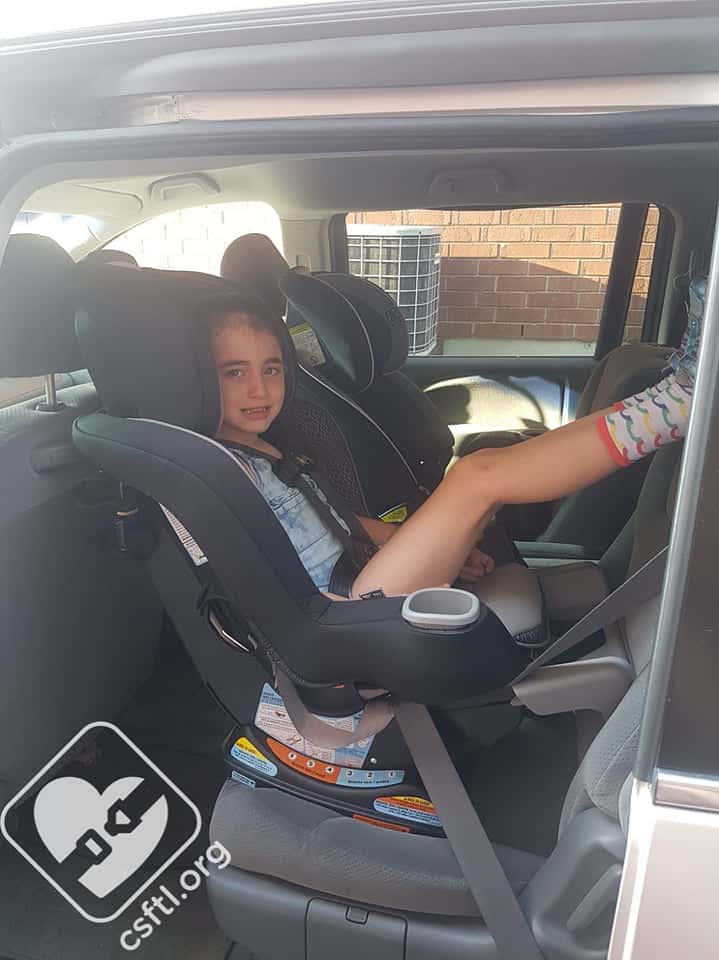
Image Source: csftl.org
The Clear Benefits of Extended Rear Facing
Car seat safety is very important. For young children, facing the back of the car is much safer. This is true in a crash. Their heads are big and heavy for their small bodies. Their bones and ligaments are still soft. They are not as strong as an adult’s.
When a car crashes, it stops very fast. If a child faces forward, their body moves forward. The harness straps hold their chest. But their head snaps forward. This puts a lot of stress on their neck and spine. These parts are very fragile. This can cause serious injuries.
When a child faces the rear, it is different. Their whole body presses into the back of the car seat. The seat spreads out the crash forces. It cradles their head, neck, and spine. This greatly lowers the risk of severe head and spinal cord damage. This is why the benefits of extended rear facing are so strong. It can save lives and prevent terrible injuries.
Why Rear-Facing Protects Best
- Support for the Head and Neck: A young child’s head makes up a large part of their body weight. Their neck muscles and bones are weak. In a front-facing seat, a crash makes the head pull away from the body. This strains the neck. A rear-facing seat supports the head and neck. It moves with the child’s body.
- Spine Protection: The spine of a young child is mostly cartilage. It is not fully bone. It is more likely to stretch or snap. A rear-facing seat keeps the spine in line. It stops it from stretching too much.
- Distribution of Crash Forces: When facing forward, the crash force is on the child’s chest and shoulders. When facing rear, the force spreads out. It goes along the child’s entire back. This reduces the force on any one part of the body.
- Protection in All Types of Crashes: Rear-facing seats offer better protection. This is true for frontal crashes, side crashes, and even rear crashes.
Think of it like this: If you fall backward, your whole back hits the ground. This spreads out the force. If you fall forward, you might land on your hands or knees. This focuses the force on smaller spots. A rear-facing seat is like falling on your whole back. It is much safer.
Decoding AAP Rear Facing Recommendations
The American Academy of Pediatrics (AAP) gives clear advice on car seats. For many years, the advice was to keep kids rear-facing until age one AND 20 pounds. This has changed. The new AAP rear facing recommendations are much safer. They now say to keep children rear-facing for as long as possible. This means until they reach the top weight or height limits of their car seat.
This change came from research. Studies showed that injuries were much lower for children who stayed rear-facing longer. Many car seat makers now make seats that let kids stay rear-facing up to 40, 50, or even 65 pounds. Some seats even allow this up to age four or five.
Key Points from AAP Guidance
- Age is a Guide, Not a Rule: The AAP says “at least” to age two. But the real rule is the car seat’s limits. Your child might be older than two but still fit in a rear-facing seat. This is the safest way to ride.
- Weight and Height Limits Rule: Always follow the weight and height limits on your child’s specific car seat. If your child is still under these limits, they should stay rear-facing.
- Safety First: The AAP’s goal is to prevent harm. They prioritize safety over a child’s desire to face forward.
This shift in advice is important for parents. It means parents should not rush to turn a child forward. Even if they pass the old “age one” mark, staying rear-facing is best.
When Can Toddler Face Forward? Car Seat Safety Guidelines
This is a big question for many parents: when can toddler face forward? The simple answer is: not until they outgrow their rear-facing car seat’s limits. These limits are for both weight AND height. It is very important to check your specific car seat’s manual. Each car seat is different.
You must never turn a child forward-facing just because they reach a certain age. Age is often a loose guideline. The hard rules are the car seat’s stated limits.
Checking Your Car Seat’s Limits
Every car seat has a sticker or label. It also has a manual. This tells you the minimum and maximum limits for your child.
Look for these numbers:
- Rear-Facing Weight Limit: This is the highest weight your child can be to sit rear-facing. Most convertible car seats let children stay rear-facing up to 40-50 pounds. Some even go higher.
- Rear-Facing Height Limit: This is also very important. For rear-facing, a child’s head must be at least one inch below the top of the car seat. The top of the seat is where the child’s head would touch the shell. Your child’s legs can touch the back of the vehicle seat. This is safe. It is not a sign they have outgrown the seat.
Table: General Car Seat Limits and Use
| Car Seat Type | Typical Use | Rear-Facing Max Weight (Approx.) | Rear-Facing Max Height (Approx.) |
|---|---|---|---|
| Infant Car Seat | Newborn to 1 year+ (Rear-facing only) | 22-35 lbs | 29-32 inches |
| Convertible Car Seat | Newborn to Preschool (Rear-facing, then forward-facing) | 40-50 lbs (some higher) | Head 1 inch below top of shell (check manual for exact) |
| All-in-One Car Seat | Newborn to Booster (Rear-facing, forward, booster) | 40-50 lbs (some higher) | Head 1 inch below top of shell (check manual for exact) |
Always check your specific car seat’s manual and labels for exact limits.
Once your child reaches either the weight or height limit for rear-facing, then it is time to turn them around. Do not rush this step. It is a big safety change.
The Rear Facing Car Seat Age Weight Limit: More Than Just Numbers
When people talk about the rear facing car seat age weight limit, they often focus too much on age. The key is the car seat’s own limits. These are set by the manufacturer. They are based on crash tests and safety rules.
- Age: While the AAP says “at least to age two,” some children will reach the seat’s limits before age two. Others will be over age two and still fit safely rear-facing. The important thing is they have met the minimum age for turning forward (usually one year old) and have outgrown their seat’s rear-facing limits.
- Weight: This is often the first limit a child reaches. Car seats have a maximum weight. This is the heaviest your child can be for that seat position.
- Height: This limit is crucial for rear-facing. A child’s head must stay within the car seat’s shell. If their head is less than one inch from the top edge of the car seat shell, they are still safe. If their head is above this point, it is time to turn them.
It is rare for a child to reach the height limit before the weight limit. But it can happen. Always check both.
A Common Misconception: Legs Are Not a Limit
Many parents worry when their child’s legs touch the back of the car. Or if their legs look bent or cramped. This is called “legroom.” This is not a safety concern. Kids are very flexible. Their legs can bend and be comfortable in many ways. Broken legs in a crash are very rare for rear-facing children. Spinal injuries are far more common for forward-facing children. Keeping them rear-facing protects their head and spine. This is the main goal.
So, if your child’s legs seem long, do not worry. This does not mean they have outgrown the seat. It means they are growing!
Choosing and Using a Convertible Car Seat Rear Facing Duration
For extended rear-facing, a convertible car seat is key. Infant car seats are good for newborns. But they have lower weight and height limits. They are quickly outgrown.
A convertible car seat can change. It starts rear-facing. Then, when your child outgrows that, it can turn forward-facing. Some are called “all-in-one” seats. They can also become a booster seat later.
These seats allow for longer rear facing duration. Many convertible seats have rear-facing limits of 40-50 pounds. This allows most children to stay rear-facing until ages 3, 4, or even 5. This aligns perfectly with the AAP’s advice.
What to Look for in a Convertible Seat
- High Rear-Facing Limits: Check the maximum weight and height for rear-facing use. Higher limits mean longer use.
- Fit in Your Car: Make sure the seat fits well in your car. Some cars are smaller. Some car seats are larger. Try it out if you can.
- Ease of Installation: A car seat is only safe if installed right. Look for one that is easy to install. Use LATCH or the seat belt. Both are safe if used correctly.
- Features: Look for features like easy harness adjustment, washable covers, and good side-impact protection.
Investing in a good convertible car seat from the start can save you money. It means you will not need to buy an infant seat and then a separate convertible seat. Plus, it lets you keep your child safer for longer.
Addressing Toddler Uncomfortable Rear Facing Concerns
It is common for parents to think their toddler uncomfortable rear facing. They might hear their child complain. Or they see their child’s legs look bent. But these worries are usually not about safety.
Common Concerns and Simple Solutions
- “My child’s legs are cramped!”: As stated before, this is not a safety issue. Children’s bodies are flexible. They can bend their legs in many ways. They can cross them. They can put them up on the back of the vehicle seat. This is natural for them. Their legs are much less likely to be injured in a crash when rear-facing.
- “My child cannot see anything!”: While their view might be different, they can still see out the side and rear windows. Some children even like to look at the back of the car. You can offer soft toys or books. There are also small mirrors that let you see your child, and they can see themselves.
- “My child gets car sick rear-facing”: Car sickness can happen. Try to open a window for fresh air. Limit screen time. Offer a small, simple snack before the ride. If it is a big problem, talk to your doctor. But do not turn the seat forward for this reason alone. The safety benefits are too important.
- “I cannot interact with my child as easily”: This is true. It is harder to hand them things or check on them. But safety comes first. Plan for stops if your child needs attention. Have things ready for them within their reach.
Parents often overestimate how uncomfortable their child is. Children adapt well. They do not know any different. The most important thing is their safety. It is better to have bent legs than a spinal injury.
State Car Seat Laws Rear Facing: What You Need to Know
Every state in the U.S. has state car seat laws rear facing. These laws set minimum standards for car seat use. But here is a crucial point: car seat laws are minimums, not best practices.
Most state laws now say children must stay rear-facing until at least age one AND 20 pounds. However, many states are updating their laws. They now align more with the AAP’s “as long as possible” advice. Some states now require rear-facing until age two.
Check Your State’s Law
It is important to know your state’s specific law. You can find this on your state’s Department of Motor Vehicles (DMV) website. Or check your state’s Highway Safety Office.
Example of State Law Evolution:
- Old Law (Many States): Child must be rear-facing until age 1 AND 20 pounds.
- Newer Law (Growing Number of States): Child must be rear-facing until age 2, OR until they outgrow the seat’s limits.
Even if your state law says you can turn your child forward at age one, it is still safest to keep them rear-facing. Do not turn them around just because the law says you “can.” Turn them around only when they outgrow the seat’s limits. The law is a minimum. Best practice is always to keep them rear-facing for longer.
The Safest Car Seat Position for Toddlers: A Recap
To summarize, the safest car seat position for toddlers is rear-facing. This is not just a strong recommendation. It is a vital safety measure.
- Protection: It gives the best protection for a child’s head, neck, and spine. These parts are fragile.
- Crash Forces: It spreads crash forces over the child’s whole back. This is much better than focusing force on the chest.
- AAP Advice: The American Academy of Pediatrics says keep kids rear-facing as long as possible. This means until they hit the car seat’s top weight or height limits.
- Car Seat Limits: Always check your specific car seat’s manual. The weight and height limits are the real rules. Age is just a guide.
- Convertible Seats: These seats allow kids to stay rear-facing for years. They are a great choice.
- Legroom: Bent legs are normal and safe. They do not mean your child has outgrown the seat.
Making the choice to keep your child rear-facing for longer is a powerful one. It means you are giving them the best chance to be safe in the car.
When the Time Truly Comes to Turn Forward
Eventually, your child will outgrow their rear-facing car seat limits. This means they have hit the maximum weight or height for rear-facing. Only then should you turn the car seat forward.
When this time comes, make sure you:
- Read the Manual (Again!): Every step to change the car seat from rear-facing to forward-facing is in the manual. Follow it exactly.
- Proper Installation: A forward-facing car seat must be installed correctly. Use either the LATCH system or the vehicle’s seat belt. Make sure it is tight. It should not move more than one inch side-to-side or front-to-back at the belt path.
- Use the Top Tether: This is very important for forward-facing car seats. The top tether strap connects the car seat to an anchor point in your car. This greatly reduces head movement in a crash. It is a critical safety step. Do not skip it.
- Harness Fit: The harness straps must be at or above your child’s shoulders for forward-facing. They should be snug. You should not be able to pinch any extra webbing at their shoulder. The chest clip should be at armpit level.
Moving to forward-facing is a big step. It is less safe than rear-facing. So make sure it is done only when needed. And make sure it is done right.
Beyond the Harness: Booster Seats and Seat Belts
Car seat safety does not stop after the forward-facing harness. It is a step-by-step process as your child grows.
- Forward-Facing with Harness: Your child should stay in a forward-facing car seat with a 5-point harness until they outgrow that seat’s limits. This means they hit the maximum weight or height for the harness. This usually happens around ages 5-7, or 65 pounds.
- Booster Seat: After outgrowing the forward-facing harness, the next step is a booster seat. A booster seat helps the adult seat belt fit your child correctly. The lap belt should be low on the hips. It should touch the tops of the thighs. The shoulder belt should rest across the middle of the collarbone. It should not be on the neck or arm. Children need a booster seat until they are big enough to use the vehicle seat belt alone. This is usually when they are 4 feet 9 inches tall. This happens around ages 8-12.
- Vehicle Seat Belt: A child is ready for the vehicle seat belt when they can pass the “5-Step Test”:
- Can the child sit with their back against the vehicle seat?
- Are their knees bent at the edge of the seat?
- Does the lap belt fit low across the hips, touching the tops of the thighs?
- Does the shoulder belt rest across the middle of the collarbone and shoulder?
- Can the child stay in this position for the whole trip?
Until they can do all these things, they need a booster seat.
Final Thoughts: Making the Safest Choice
Deciding how long rear facing car seat required for your child is one of the most important safety choices you will make. While the laws set minimums, best practice tells us to go beyond them. The safest car seat position for toddlers is rear-facing, for as long as their specific car seat allows.
This advice is not just theory. It comes from hard data. It comes from real crash results. It means keeping fragile heads and spines safe. It means fewer serious injuries.
So, do not rush the change. Listen to the AAP rear facing recommendations. Check your car seat safety guidelines. Know your rear facing car seat age weight limit and height limit. Use a convertible car seat rear facing duration to your advantage. And remember, toddler uncomfortable rear facing is usually not a safety concern.
Your child’s safety is worth every effort. Keep them rear-facing, keep them safe.
Frequently Asked Questions (FAQ)
Q: My child’s feet touch the back of the car seat. Does this mean they are too big for rear-facing?
A: No, this is very common and completely safe. A child’s legs can bend or cross. This does not mean they have outgrown the seat. Only the weight or height limit of the car seat determines when a child is too big for rear-facing.
Q: My child is crying and seems unhappy rear-facing. Can I turn them around?
A: A child crying or seeming unhappy is rarely a safety reason to turn the car seat. Children are adaptable. The safety benefits of rear-facing far outweigh any temporary discomfort. Try distraction or toys. Do not turn the seat forward until they outgrow the limits.
Q: What is the earliest age I can turn my child forward-facing?
A: The absolute minimum age is 1 year old. However, this is just a minimum. Safety experts, like the AAP, say to keep children rear-facing for as long as possible, ideally past age two, and until they reach the maximum weight or height limit of their car seat.
Q: How do I know the height limit for rear-facing?
A: For rear-facing, your child’s head must be at least one inch below the top of the car seat shell. Always check your specific car seat’s manual. It will have exact measurements or rules.
Q: Do all states require rear-facing until age two?
A: No. Many states have updated their laws to require rear-facing until age two. However, some still only require it until age one. But remember, state laws are minimums. Best practice is always to follow the AAP guidelines and keep them rear-facing longer. Check your local state laws.
Q: My child is over two but still fits rear-facing. Should I turn them around?
A: No, absolutely not. If your child is still within the weight and height limits of their rear-facing car seat, they should stay rear-facing. This is the safest way for them to ride. Age is a guide, but the car seat’s limits are the true rule.