
Is your little one turning medicine time into a battle? You are not alone. Many parents wonder, “Why won’t my toddler take medicine?” or “What do I do when my toddler spits out medicine?” Toddlers often refuse medicine for many reasons. They might not like the taste or feel of it. They may also be scared or simply want to be in control. This article gives you practical, kind solutions to help your toddler take medicine with less stress and more success. You will find many toddler refusing medicine solutions here. We will share tips for giving toddler liquid medicine. We will also show you how to make medicine taste better for kids. Let’s make medicine time easier for everyone.
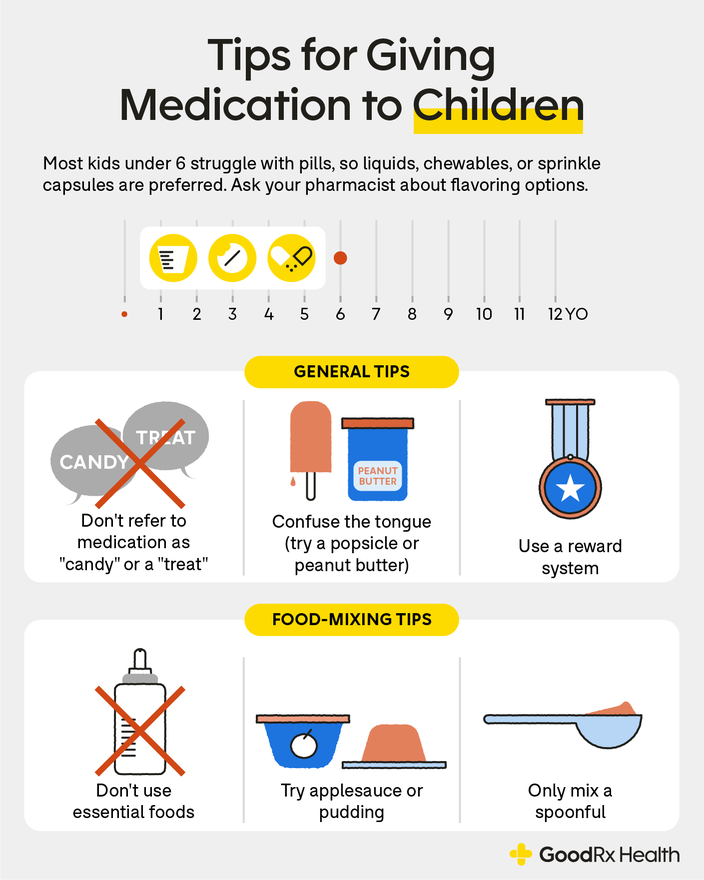
Image Source: www.grxstatic.com
Grasping Why Toddlers Say “No”
Toddlers are growing fast. They are learning about their world. This often means they want more control. Medicine time can feel scary or bad to them. It takes away their control. Knowing why they refuse helps you find better ways to help them.
Common Reasons for Refusal
- Bad Taste or Smell: Many medicines taste bitter or strange. Toddlers have sensitive taste buds. A bad taste can make them gag or spit it out.
- Odd Texture: Some liquid medicines can feel thick or gritty. This texture can be unpleasant for a small child.
- Fear and Anxiety: The act of taking medicine can be scary. They might fear the syringe, the spoon, or even being held down. They may also connect medicine with feeling sick.
- Lack of Control: Toddlers want to do things themselves. Being forced to take medicine takes away their choice. This can lead to big meltdowns.
- Feeling Unwell: When kids are sick, they are not themselves. They might be tired, fussy, or just not feel like cooperating.
Core Strategies for Success
Getting medicine into a toddler takes smart planning. It also takes patience. Here are key ways to make the process smoother. These are great strategies for reluctant toddler medication.
Preparation is Key
Being ready helps a lot. It makes you feel calm. This can help your child feel calm too.
- Get All Supplies Ready: Have the medicine, syringe or spoon, a drink, and a towel close by. This stops you from searching during the act.
- Read All Instructions: Always read the label. Check the correct dose. Note if it needs to be taken with food or on an empty stomach. Know how to store it.
- Measure Very Carefully: Use the right measuring tool that comes with the medicine. A kitchen spoon is not accurate. A small mistake can be a big problem with medicine.
- Stay Calm Yourself: Kids pick up on your stress. Take a deep breath. Try to be cheerful, even if you feel worried. Your calm helps them stay calm.
Making Medicine Taste Better
Taste is a huge reason for refusal. How to make medicine taste better for kids is a common question. Some medicines are flavored. But sometimes, they still taste bad.
Flavoring Options
Check with your pharmacist first. Not all medicines can be mixed. But many can.
- Ask Your Pharmacist: Many pharmacies can add special flavors to liquid medicines. Think grape, cherry, or bubblegum. This can be a game-changer.
- Mix with a Small Amount of Food: If allowed by your doctor or pharmacist, mix medicine into a tiny bit of food. This is key for hiding medicine in toddler food.
- Applesauce: A classic choice. It’s thick and masks taste well.
- Yogurt: Creamy and often sweet.
- Pudding: Works well for strong tastes.
- Juice: A small sip of strong-tasting juice can help.
- Jam or Syrup: A tiny bit can cover the taste.
- Important Cautions:
- Only mix with a small amount of food or drink. You need to be sure your child eats or drinks all of it. If they don’t, they won’t get the full dose.
- Do not mix medicine into a full bottle of milk or a big glass of juice. They might not finish it.
- Check if the medicine needs to be taken with food. Some medicines are absorbed better on an empty stomach. Others are better with food to prevent upset tummy.
- Avoid mixing with hot food or drinks. Heat can change how some medicines work.
Administering Liquid Medicine Effectively
This is often the hardest part. Here are tips for giving toddler liquid medicine and toddler spitting out medicine tricks.
Position and Tools
- Proper Positioning: Sit your child upright in your lap. Their head should be slightly tilted back. This helps them swallow. Do not lay them flat. They could choke.
- Use the Right Tool:
- Oral Syringe: This is often the best. It gives you good control over the flow. You can aim it well.
- Dropper: Good for very small doses.
- Medicine Spoon: Can work for older toddlers who cooperate more. But spillage is common.
- Aim Smart: Do not squirt medicine straight down the throat. This can cause choking. Instead, aim the syringe or dropper toward the inside of their cheek. Aim it at the back of their mouth. This helps bypass most taste buds. It also helps prevent spitting.
- Give Slowly: Give the medicine a little bit at a time. Let them swallow each small amount. This gives them time to adjust. It also helps prevent gagging.
- Follow with a Chaser: Have a favorite drink ready. Offer it right after the medicine. Water, juice, or milk can wash down the taste. A lollipop or small sweet treat can also help change the taste in their mouth.
When They Spit It Out: Tricks to Try
- Stay Calm: If they spit it out, try not to show anger. Just clean up and try again.
- The “Puff of Air” Trick: Some parents swear by blowing a gentle puff of air into their child’s face right after giving medicine. This makes them swallow by reflex. Use it gently.
- The “Cheek Pinch”: Very gently pinch their cheeks together. This makes a small opening in their mouth. Insert the syringe or dropper there. This might help prevent some spitting.
- The “Nose Blow”: Gently hold their nose closed for a second. This will make them swallow. Release as soon as they swallow. Use this with great care and only if truly needed. It’s not a first choice.
Empowerment and Positive Reinforcement
Giving toddlers some control helps reduce resistance. It makes them feel heard. This is key for making medicine time easier for toddlers.
- Offer Choices:
- “Do you want to take your medicine with the blue cup or the green cup?” (if mixing is allowed).
- “Do you want to use the spoon or the syringe?”
- “Do you want to take it standing up or sitting on my lap?”
- “Do you want to hold my hand or your teddy bear?”
- These choices are about how they take it, not if they take it.
- Praise Efforts: Praise them, even for small tries. “You tried so hard!” or “You are so brave!” Focus on their effort, not just the outcome.
- Reward System: For regular medicine, a simple sticker chart can work. Each time they take medicine well, they get a sticker. After a few stickers, they get a small prize. This can be a new toy, a book, or extra playtime.
- Make it a Game:
- “Let’s make the medicine monster go away!”
- “Let’s see how fast this medicine goes in!”
- Sing a special medicine song.
- Pretend to give medicine to their teddy bear first.
- Distraction: Use a toy, a favorite song, or a funny face. Distraction can divert their focus from the unpleasant taste or feeling.
Patience and Persistence
Medicine time can be tough. It might not work perfectly the first time.
- Be Patient: It’s okay if it takes a few tries. Stay calm.
- Be Persistent: Your child needs this medicine. Do not give up. Show them you mean business, but in a kind way.
- Breaks are Okay: If your child is very upset, take a short break. Come back to it when you both feel a little calmer.
Specific Scenarios and Solutions
Some medicines and situations need special care.
Dealing with Strong Resistance
Sometimes, even the best tips don’t work. Your child might fight hard. These are strategies for reluctant toddler medication in tough moments.
- The “Hold and Squirt” Method (Use with Caution): This is a last resort. It should only be used when medicine is vital and other methods have failed.
- Wrap your child in a towel or blanket to limit arm movement. This is often called a “burrito wrap.”
- Hold their head gently but firmly to keep it still.
- Insert the syringe into the side of their mouth, aiming for the back of the cheek.
- Give the medicine slowly, a tiny bit at a time. Let them swallow each bit.
- Do not pinch their nose unless absolutely necessary and only for a second.
- Immediately after, give praise, comfort, and a chaser.
- This method can be very upsetting for both parent and child. It should be used rarely. It can break trust. Always try gentler methods first.
- When to Seek Help: If refusal is constant and your child is not getting needed medicine, talk to your doctor. They might have other ideas.
Antibiotics and Specific Medications
Certain medicines, like antibiotics or ibuprofen, have their own challenges.
- Best Way to Administer Toddler Antibiotics:
- Antibiotics often have a strong, bitter taste. Flavoring from the pharmacy is highly recommended here. This is often the best way to administer toddler antibiotics.
- Stick to the schedule. Antibiotics need to be given at certain times to work best. Set alarms if you need to.
- Complete the full course. Even if your child feels better, they must finish all the medicine. Stopping early can lead to the infection coming back stronger.
- Toddler Won’t Take Ibuprofen (and other fever reducers):
- Ibuprofen and acetaminophen are vital for fever and pain. They often come in fruit flavors.
- If your toddler won’t take ibuprofen due to taste, try chilling it slightly (if safe, check label). Cold can dull taste.
- Offer choices (syringe vs. spoon).
- Use immediate follow-up with a favorite drink or a small frozen treat (like a popsicle). This helps with both taste and soothing a sore throat.
- For very high fevers, consider suppositories if available and recommended by your doctor. This bypasses the mouth entirely.
Disguising Medicine Smartly
Hiding medicine in toddler food can be a lifesaver. But do it wisely.
- Choose the Right Food:
- Thick, creamy foods work best: applesauce, yogurt, pudding, or a spoonful of ice cream.
- Avoid mixing into a child’s entire meal. They might not finish it.
- Do not mix with formula or breast milk. It can change the taste. This might make your child refuse their milk.
- Ensure Full Dose: Put the medicine into just one or two bites of food. Make sure your child eats every bit of it. If they don’t, they won’t get the full dose. This is very important for the medicine to work.
- Dangers of Incomplete Doses: If your child does not take the full dose, the medicine might not work. Or, for antibiotics, it can lead to resistant bacteria. This makes future infections harder to treat.
Advanced Tips and Tricks
Beyond the basics, these ideas can make medicine time even easier.
Routine and Predictability
Kids thrive on routine. Medicine time can be part of that.
- Incorporate into Daily Routine: If possible, give medicine at the same time each day. Maybe after breakfast or before bedtime. This makes it expected.
- Use Visual Aids: For older toddlers, a simple calendar or chart can help. They can see when medicine is due. They can cross it off after they take it.
Role-Playing and Practice
Play helps kids work through fears.
- Let Them Give Medicine to a Doll: Use a toy syringe. Let them pretend to give medicine to their teddy bear or doll. This helps them get used to the tools. It gives them a sense of control.
- Practice with Water: Practice giving water with the syringe. This makes the tool less scary.
Choosing the Right Medication Form
Ask your doctor or pharmacist about different forms.
- Chewables: For older toddlers who can chew well. Make sure they chew and swallow all of it.
- Dissolvables: Some medicines dissolve in the mouth. This can be easier than liquid.
- Suppositories: These are inserted into the bottom. They avoid taste issues. Only use if approved by your doctor. They are often used for fever or nausea.
Communication with Your Doctor
Your doctor is your best partner.
- Ask for Different Forms: If liquid is a nightmare, ask if the medicine comes in chewable or dissolvable forms.
- Discuss Alternative Treatments: Sometimes, there might be other ways to treat the problem. This is rare for serious illnesses. But for mild issues, it’s worth asking.
- Get Flavoring Advice: Ask your doctor if the medicine can be flavored at the pharmacy.
What NOT to Do
Just as important as what to do, is what not to do. These child medication refusal techniques can make things worse.
- Do Not Lie About Taste: Don’t say, “It tastes like candy!” when it doesn’t. Your child will lose trust in you.
- Do Not Force Aggressively: While gentle restraint might be needed as a last resort, aggressive forcing can cause trauma. It can make future medicine times much harder. It can also lead to choking.
- Do Not Shame or Punish: Saying “You’re being a bad boy for not taking your medicine!” does not help. It creates shame and fear. It makes medicine time a negative experience.
- Do Not Threaten: “If you don’t take your medicine, you’ll go to the hospital!” This only creates fear. It does not build cooperation.
- Do Not Give Up Too Easily: Your child needs the medicine. Be kind but firm. Make sure they get the full dose.
When to Seek Professional Help
Most of the time, these tips will help. But sometimes, you need more support.
- Persistent Refusal Leading to Incomplete Treatment: If your child consistently refuses to take the full dose, their illness might not get better. This is especially risky with antibiotics.
- Child’s Health is Worsening: If they are getting sicker because they won’t take medicine, call your doctor right away.
- You Feel Overwhelmed: It’s okay to feel stressed. If medicine time is causing huge amounts of stress for you or your child, talk to your pediatrician. They can offer more personal advice or other options.
- Child Shows Extreme Fear: If your child shows severe fear or anxiety about medicine time, talk to your doctor. There might be deeper issues.
FAQ
Q: My toddler gags on medicine. What can I do?
A: Gagging often comes from taste or texture. Try having your pharmacist flavor the medicine. Give it slowly, aiming for the cheek. A small, cold chaser immediately after can help. Sometimes chilling the medicine (if safe) can also reduce the gag reflex.
Q: Can I mix medicine with my toddler’s milk or formula?
A: It is generally not a good idea. Mixing medicine with a large amount of milk or formula means your child might not drink all of it. Then they won’t get the full dose. It can also make their milk taste bad, leading them to refuse milk later. Always check with your doctor or pharmacist first.
Q: What if my toddler is throwing up the medicine?
A: If your toddler throws up the medicine right after taking it, call your doctor. Do not give another dose without checking. They can advise you on what to do. Sometimes, medicines can upset tummies. Giving it with food might help, if allowed.
Q: How do I handle multiple doses throughout the day?
A: Routine is key. Try to give medicine at the same time each day. Use alarms. Make a chart to tick off doses. Praise your child each time. If it’s very hard, talk to your doctor about once-a-day options if available.
Q: My child just bit through the syringe! What now?
A: This happens! Keep extra syringes on hand. You can often get more from your pharmacy. Try to distract your child or offer a chewy toy right after medicine. This gives them something else to bite.
Q: Is it okay to force my toddler to take medicine if they really need it?
A: Force should be a very last resort, used only for critical medicines when all other methods fail. Even then, it must be gentle and controlled. Focus on safety and getting the dose in. Understand that this can cause distress. Always discuss extreme refusal with your doctor. They might have other ways to give the medicine.
Q: What if my child refuses all flavored medicine?
A: If pharmacy flavoring doesn’t work, try mixing with a tiny amount of a favorite strong-tasting food like jam, chocolate syrup, or pudding. Again, ensure they eat every bit of it. If still no success, talk to your doctor about other forms of the medicine or alternative treatments if possible.
Q: My toddler cries every time they see the medicine bottle. How do I help them?
A: This shows fear. Try to make medicine time less scary. Let them play with an empty syringe. Give medicine to their doll. Use a fun medicine song. Offer choices and lots of praise. Avoid any actions that might increase fear, like anger or threats. Consistency and positive experiences can slowly build trust.
Getting your toddler to take medicine can be tough. But with patience, smart strategies, and a lot of love, you can make medicine time less of a fight. Focus on making it a positive experience, even when it’s hard. Your calm, kind approach will make all the difference.