
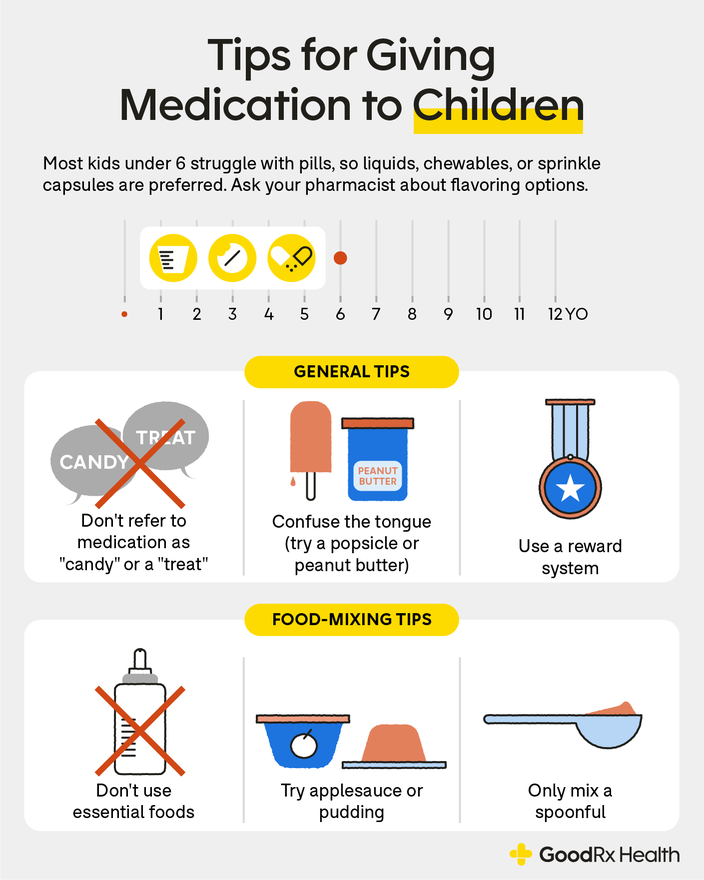
Image Source: www.grxstatic.com
Struggling? How To Get Toddler To Take Tylenol Now
When your little one feels sick, giving them medicine can be a real fight. Many parents ask, “What is the best way to give Tylenol to a child?” and “Can I hide Tylenol in food for my toddler?” Yes, there are many good ways to give Tylenol to a child, and often, you can hide it in food, but you must be very careful with the dose. This guide will show you how to give Tylenol to your toddler. We will share easy tips and tricks to make medicine time easier for both of you.
When your toddler has a fever or pain, you want to help them feel better fast. But toddler medicine refusal is a common issue. It can make a parent feel helpless. Tips for giving toddlers medication are vital tools for your toolbox. We know it is hard. Your child might not like the taste. Or they might be scared. Or they just want to be in charge. This guide will give you many ideas. It will help you give liquid Tylenol to child with less stress.
Deciphering Why Toddlers Say No to Medicine
Why do toddlers often refuse medicine? It helps to know the reasons. This can help you pick the best way to try.
- Taste: Children’s Tylenol tastes like grape or cherry. But some kids still find it yucky. The flavor might be too strong. Or they just do not like it.
Making children's medicine palatableis often the first step. - Texture: Liquid medicine can feel strange in their mouth. It might be thick or sticky. Some kids do not like how it feels.
- Fear: A spoon or syringe can look scary. Your child might remember getting shots. Or they might feel trapped. They may worry about what will happen.
- Control: Toddlers want to do things themselves. They like to feel in charge. When you make them take medicine, they lose control. This makes them fight back.
- Feeling unwell: When a child is sick, they are already upset. They may be tired or grumpy. This makes them less likely to cooperate.
- Past Bad Times: If medicine time was hard before, they might remember it. They expect it to be bad again. This makes them resist even more.
Knowing these reasons can help you plan. You can try to fix the main problem. Is it the taste? The way you give it? Their need for control?
Before You Begin: Getting Ready
Before you even open the medicine bottle, get ready. Good prep makes things much smoother.
- Check the Dose: Always, always check the dose. Use the right amount for your child’s age and weight. Use the dosing tool that came with the medicine. Do not guess. Too much can be bad. Too little will not help.
- Gather Your Tools: Have everything ready. The medicine, the syringe or cup, a tissue, a drink, and a reward. Put it all close by.
- Stay Calm: Kids can sense your stress. If you are worried, they will be too. Take a deep breath. Try to be calm and sure.
- Choose a Quiet Spot: Find a place with no noise. Turn off the TV. This helps your child focus on you. It makes medicine time less busy.
Top Tactics for Giving Medicine
Now, let us get to the good stuff. Here are tips for giving toddlers medication. These methods can help you give fever reducer for resistant toddlers.
Making it Taste Better: Flavor Hacks
Sometimes, just changing the taste makes all the difference. Making children's medicine palatable is key for many kids.
- Chill It: Some kids like cold medicine better. Put it in the fridge for a bit. Not all medicines can be chilled, so check the label.
- Mix with a Small Amount of Favorite Drink: This is a classic trick.
- Pick the right drink: Use a strong-flavored drink. Apple juice, grape juice, or chocolate milk work well. Do not use too much drink. Just a small sip’s worth.
- Mix it right before: Mix the medicine just before you give it. This stops it from separating. It also stops the drink from tasting bad.
- Give it fast: Give the mix right away. Do not let your child sip it. If they sip, they might taste the medicine. Then they will not drink the rest.
- Do not mix with milk or formula: Some medicines do not mix well with milk. It can change how the medicine works. Or it can curdle the milk. Always check with your doctor or pharmacist first.
- Add a Flavor Enhancer: Some pharmacies offer flavorings. These can make medicine taste better. Ask your pharmacist if they offer this. They can add bubblegum or other flavors.
Administering with Ease: Smooth Giving
How you give the medicine matters a lot. How to administer liquid Tylenol to child can be done in many ways.
- The Syringe Method (No Needle!): This is often the best tool.
- Aim for the Cheek: Do not shoot it straight down the throat. This can make them choke. Aim for the inside of their cheek. Point it towards the back of their mouth.
- Give it Slowly: Push the plunger slowly. Let them swallow each small bit. This gives them time. It makes it less likely they will spit it out.
- Small Doses: If the dose is big, give it in two or three smaller squirts. Give a quick break between each.
- The Spoon Method: Some kids prefer a spoon.
- Use a Dosing Spoon: Use the spoon that comes with the medicine. A regular spoon might not hold the right amount.
- Give Quickly: If using a spoon, give it quickly. Try to get it all in one go.
- The Cup Method: For older toddlers, a tiny cup might work.
- Special Medicine Cup: Use the small cup that comes with the medicine. These have lines for the right dose.
- Let Them Hold It: Let your child hold the cup. This gives them some control. It makes them feel big.
- Sip, Sip, Swallow: Tell them to take a quick sip. Then another. Then swallow it all.
These strategies for administering acetaminophen to child can make a big difference.
Creative Ways to Give Toddlers Medicine
Sometimes, you need to think outside the box. Creative ways to give toddlers medicine can turn a tough time into a game.
- The “Doctor Play” Method:
- Practice with a Toy: Let your child give medicine to a doll or stuffed animal first. Use water in the syringe. Let them play doctor.
- Let Them Help: Let them hold the bottle. Or push the plunger (with your hand guiding). This gives them a sense of control.
- The “Chase It” Method:
- Medicine First, Then Favorite Drink: Give the medicine. Right after, give a small cup of their favorite juice or milk. Tell them, “Drink the medicine, then chase it with yummy juice!”
- Make it a Race: “Let’s see how fast you can drink your juice after your medicine!”
- The “Syringe Pop” Method:
- Syringe and Popsicle: If your child likes popsicles, let them have a small one first. While they are enjoying it, sneak in the medicine.
- Mix with a Small Amount of Puree: Mix the medicine with a tiny bit of fruit puree or applesauce. Use just enough to hide the taste. Give it on a spoon.
- The “Medicine Sandwich” Method:
- Food, Medicine, Food: Put a small amount of their favorite soft food on a spoon. Then put the medicine on top of it. Then put more food on top of the medicine. It is like a mini sandwich.
- Quick delivery: Give it fast. They might not even taste the medicine.
- The “Secret Mission” Method:
- A “special potion”: Tell your child they need a “special potion” to get better. Make it sound exciting.
- Superhero powers: Say it will give them superhero powers to fight the “yucky germs.”
- The “Choice” Method:
- Give Two Options: “Do you want to take your medicine with the red spoon or the blue spoon?” Or, “Do you want to take it now or in two minutes?” This gives them control. It makes them feel heard.
Hiding Medication in Food for Kids (With Care)
Hiding medication in food for kids can work. But you must be very careful. This is often used for getting picky eaters to take medicine.
- Small Amount of Food: Only use a tiny bit of food. You need to be sure they eat ALL of it. If they do not, they will not get the full dose.
- Right Food Choices:
- Strong Flavored: Applesauce, yogurt, pudding, jam, chocolate syrup, or a small bite of ice cream.
- Soft and Easy to Swallow: Avoid crunchy foods.
- Check First: Always check if the medicine can be mixed with food. Some medicines do not work well when mixed with certain foods. Ask your doctor or pharmacist.
- Examples of Foods to Use (Small Amounts!):
- Applesauce: A spoonful of applesauce. Mix medicine in well.
- Yogurt: A spoonful of yogurt. Mix medicine in well.
- Pudding: A spoonful of pudding. Mix medicine in well.
- Jam: A small blob of jam on a spoon. Put medicine in the middle.
- Chocolate Syrup: A tiny squirt of syrup on a spoon. Mix medicine in.
- Important Warnings:
- Do not dilute: Do not mix the medicine in a big bottle of milk or juice. Your child might not drink all of it. Then they will not get the right dose.
- One-time dose: Mix only one dose at a time.
- Give right away: Give the mixed food right after mixing. Do not save it.
- Not for all medicines: Some medicines cannot be mixed with food. Always ask your doctor or pharmacist first.
- Risk of Food Aversion: If your child tastes the medicine in their favorite food, they might start to hate that food. Be careful.
When Toddler Is Spitting Out Tylenol: Remedies
It is common for toddler spitting out Tylenol remedies to be needed. What do you do when they spit it out?
- Stay Calm: Do not get angry. It will only make things worse.
- Clean Up: Clean their face and clothes.
- Re-dose (Carefully):
- If they spit out most of it right away, you might need to give another dose.
- If they swallowed some before spitting, you might not need to.
- When in doubt, call your doctor or pharmacist. Do not give an extra full dose without checking. Overdosing can be dangerous.
- Try a New Method: If one way did not work, try a different one. Did you use a spoon? Try a syringe. Did you try mixing it? Maybe try chilling it.
- The “Cheek Pinch” (Gentle!):
- After giving the medicine, gently pinch their cheeks together. This helps them swallow. It closes their mouth.
- Stroke their throat gently. This also helps with swallowing.
- Blow on Their Face: A light puff of air on their face can make them swallow. It is a reflex.
- Use a Dropper: For very small babies, a dropper works well. You can put drops into their cheek pouch.
Fever Reducer for Resistant Toddlers: Special Cases
Some toddlers are very fever reducer for resistant toddlers. They fight every single time. Here are extra ideas for these tough cases.
- Patience and Persistence: It might take a few tries. Do not give up.
- Be Firm, Not Forceful: You need to be firm that they will take the medicine. But do not hold them down or force it in a scary way. This can make them hate medicine even more.
- Wrap Them: If they squirm a lot, wrap them gently in a blanket or towel. This is like a “baby burrito.” It keeps their arms tucked in. This is for safety, not punishment.
- Nose Hold (Last Resort): Pinch their nose gently. This makes them open their mouth to breathe. Put the medicine in. Then let go of their nose. This is a very last resort. It can be upsetting for some kids. Use it only when truly needed.
- Call for Backup: If you have another adult, ask for help. One person can hold the child gently. The other can give the medicine.
- Role-Play When Well: When your child is not sick, play “medicine time.” Let them give medicine to you. Or to their dolls. This helps them get used to it. It makes it less scary when they are sick.
For Picky Eaters: More Ideas
Getting picky eaters to take medicine can be very hard. They are already good at saying “no” to food.
- Relate to Food: “This will make your tummy feel better, just like good food does.”
- Taste Tests (When Well): If possible, let them taste different flavored medicines (if safe to do so with a doctor’s okay for very tiny amounts, or just taste an empty syringe for play). See which one they like best.
- Keep it Separate: Sometimes, mixing medicine with food backfires for picky eaters. They might then refuse that food forever. Try giving medicine by itself. Then offer the food as a quick reward.
- Make a “Medicine Schedule”: If your child likes routines, make medicine time a regular part of their day. “After breakfast, we have medicine time.” This helps them know what to expect.
After Medicine: Rewards and Praise
Once the medicine is down, make sure to praise your child.
- Positive Reinforcement: “You did such a good job!” “You were so brave!” This makes them feel proud. It makes them more likely to cooperate next time.
- Small Reward: A sticker, a favorite show, or a few minutes of extra playtime can help. This makes medicine time a positive event, not just a struggle.
- A Hug: A warm hug can mean a lot. It shows them you care. It helps them feel safe.
When to Call the Doctor
Sometimes, despite all your efforts, you cannot give the medicine. Or your child gets worse.
- Cannot Give the Medicine: If your child is very sick and you cannot give them the medicine, call your doctor. They might have other ideas. Or they might suggest a different type of medicine.
- Gets Worse: If your child’s fever gets higher, or they seem sicker, call the doctor right away.
- Signs of Dehydration: Not drinking enough fluids can be serious. Watch for dry mouth, fewer wet diapers, or no tears.
- Concerns About Dosage: If you are unsure about the dose, or if you think your child got too much, call your doctor or a poison control center.
Remember, you are doing a great job. Giving medicine to a sick child is hard work. Be patient with yourself and your little one. Each child is different. What works for one might not work for another. Keep trying new ways. You will find what works best for your family.
Table: Quick Guide to Medicine Administration Tools
| Tool Type | Best For | Tips for Use |
|---|---|---|
| Syringe | All ages, precise dose | Aim for cheek, give slowly, small squirts. |
| Dosing Cup | Older toddlers, precise dose | Let them hold it, take quick sips. |
| Dosing Spoon | Toddlers who prefer spoons | Use provided spoon, give medicine quickly. |
| Dropper | Babies, small doses | Aim for cheek, give slowly, one drop at a time. |
Table: Common Medicine Mix-Ins (Use Small Amounts!)
| Mix-In Type | Why it Works | Important Note |
|---|---|---|
| Applesauce | Smooth, sweet, easy to hide taste | Only use a tiny bit. Make sure child eats all of it. |
| Yogurt | Creamy, tangy, can mask flavors | Plain or vanilla yogurt works well. Check if medicine reacts with dairy. |
| Pudding | Thick, sweet, good for strong tastes | Chocolate or vanilla pudding can hide a lot. Ensure child finishes the small portion. |
| Jam/Jelly | Very sweet, sticky, coats the mouth | Use a small dab. Spread medicine on top. |
| Chocolate Milk | Strong flavor, common favorite | Use only a tiny amount of milk. Ensure full consumption. Not all medicines mix with milk. |
Frequently Asked Questions (FAQ)
Q: Can I mix Tylenol with my toddler’s milk bottle?
A: No, it is best not to mix Tylenol with a whole bottle of milk or formula. Your child might not drink all of it. Then they will not get the full dose. Also, some medicines might change when mixed with milk. Always mix it with only a tiny amount of food or drink you know they will finish quickly.
Q: My toddler spits out all medicine. What should I do?
A: Try a new method right away. If you used a spoon, try a syringe. If you mixed it, try giving it plain with a strong chase drink. Make sure you give it slowly. Aim for the cheek, not the back of the throat. If they spit out most of it, you might need to give another full dose, but always check with your doctor or pharmacist first to avoid giving too much.
Q: How can I make my toddler take Tylenol if they hate the taste?
A: Try chilling the medicine. Or mix it with a tiny amount of a strong-flavored liquid like grape juice or chocolate milk. You can also ask your pharmacist if they offer flavor additives for children’s medicines. Using a syringe and aiming for the cheek can help bypass the taste buds a bit.
Q: Is it safe to hide Tylenol in food for my toddler?
A: Yes, it can be safe, but you must be very careful. Only use a very small amount of food (like a spoonful of applesauce or yogurt). Make sure your child eats all of the food to get the full dose. Never mix it in a large serving of food. Always check with your doctor or pharmacist if the medicine can be safely mixed with food.
Q: What if my child throws up the Tylenol?
A: If your child throws up the medicine soon after taking it (within 15-20 minutes), they likely did not get the full dose. You might need to give another dose. Wait about 15-20 minutes after they throw up, then try to give it again. If they throw up again, or if you are unsure, call your doctor for advice. Do not give extra doses without checking.
Q: My toddler is very scared of taking medicine. How can I help?
A: Try to make medicine time less scary. Play “doctor” when they are well. Let them give “medicine” (water) to their toys. Let them pick the spoon or cup. Give them choices. Praise them a lot for trying, even if they do not take it all. Stay calm and positive. If they are very scared, gentle restraint (like swaddling for safety) can be used, but avoid harsh force.
Q: How much Tylenol should I give my toddler?
A: The dose of Tylenol (acetaminophen) depends on your child’s weight, not just their age. Always read the label on the medicine bottle carefully. Use the dosing chart provided. If you are unsure, call your doctor or pharmacist. Always use the dosing tool that came with the medicine.