
Image Source: www.striderite.com
Accurate Sizing: How To Measure Toddler Feet For Shoes
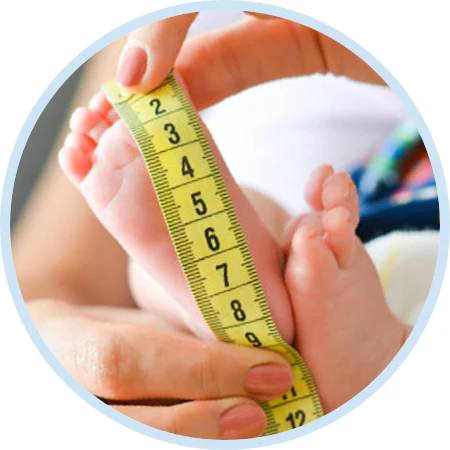
Want to know how to measure baby feet at home? The best way to measure toddler feet is right here. This guide will show you how. Getting your child’s shoe size right is very important. It helps their little feet grow well. Good shoes keep them safe and happy too.
Grasping Why Proper Sizing Matters for Toddlers
Your toddler’s feet grow very fast. They are soft and still forming. Wrong shoes can cause problems. These problems might last a long time. Think of ingrown nails or crooked toes. Bad shoes can even change how your child walks. They can also hurt their back or knees.
Wearing the right size shoes offers many benefits.
* Healthy Foot Growth: Proper shoes let feet grow without squishing. This keeps bones and muscles healthy.
* Good Balance and Walking: Shoes that fit well give support. This helps your child learn to walk better. They will feel more steady.
* Comfort and Happiness: Tight or loose shoes hurt. Happy feet mean a happy child. They can play and explore with ease.
* Safety from Falls: Shoes that are too big can make a child trip. Tight shoes can make them stumble too. Good fit lowers this risk.
* Preventing Future Issues: Issues like bunions can start early. Bad shoes can make them worse. Good shoes help prevent these painful problems.
When to Measure Toddler Feet: A Timely Check
Toddler feet grow quickly. They can grow up to two sizes in six months. So, you need to check their size often.
How Often to Measure
For babies and toddlers, check their feet every two to three months. Even if they just got new shoes, check again soon. Their feet might surprise you.
Signs They Need New Shoes
Watch for these clues that your child needs bigger shoes:
* Red Marks: Take off their shoes. Look for red marks on their toes or sides of their feet. These mean the shoes are too tight.
* Sore Feet: If your child complains of foot pain, their shoes might be too small.
* Tripping Often: Shoes that are too big or too small can make them trip.
* Toes Bumping: If their toes push against the end, the shoes are too short.
* Shoes Hard to Put On: If you struggle to get their shoes on, they are likely too snug.
* New Season: As seasons change, so should shoe styles and often sizes.
The Best Time to Measure
Always measure your child’s feet in the late afternoon or evening. Feet swell a little during the day. This is when they are largest. You want shoes to fit at their biggest size.
Tools You Will Need: Getting Ready to Measure
Measuring your child’s feet at home is simple. You just need a few basic things.
Basic Supplies
- Two pieces of paper: Make sure they are larger than your child’s foot.
- A pencil: A pen or marker works too.
- A ruler or tape measure: Choose one with clear markings.
- A flat surface: A hard floor is best.
- Tape: Masking tape can help hold the paper still.
- Socks: Make sure your child wears the socks they will wear with their new shoes.
DIY Foot Measuring Tool Kids Can Help Make
You can also make a simple foot measuring tool. This is a great DIY foot measuring tool kids can even help with.
1. Get a sturdy piece of cardboard. A cereal box or shoe box side works well.
2. Cut a straight edge. Make one side perfectly straight.
3. Draw a line. Draw a straight line from one end of the cardboard.
4. Mark the start. Put a clear mark at the very end of the line. This is your “zero” point.
5. Add measurements. Use your ruler to mark inches or centimeters along the line. Mark each quarter inch or half centimeter.
6. Add a heel stop. You can tape a small piece of cardboard at the zero point. This helps hold the heel in place.
7. Add a movable toe stop. You can make a small L-shaped piece of cardboard. It should slide along the main line. This piece will mark the longest toe.
This simple tool makes measuring quicker once it’s set up. It can be a good visual aid for your child too.
Step-by-Step Guide: Measuring Toddler Feet at Home
This is the most accurate toddler foot length guide. It also covers child foot width measurement. Always measure both feet. Many people have one foot slightly larger than the other. You will size shoes to the bigger foot.
1. Prepare Your Child
Make sure your child is happy and calm. A fussy child will make this hard.
* Distraction: Give them a toy or a book.
* Warmth: Ensure they are not too cold. Cold feet can curl their toes.
* Socks On: Have them wear the socks they will use with their new shoes. Socks add a bit of bulk.
2. Prepare the Space
Choose a hard, flat floor. A carpet can make tracing tricky.
* Tape the paper: Use tape to secure the paper to the floor. This stops it from slipping. Make sure one edge of the paper is against a wall. This will help you get a straight heel line.
3. The Tracing Method: Getting Accurate Length
This is the best way to measure toddler feet at home.
a. Placing the Foot
- Against the wall: Have your child stand with their heel gently touching the wall. Their foot should be flat on the paper. The paper’s taped edge should be against the wall. This makes sure the heel is in the right spot for tracing.
- Standing upright: Make sure your child is standing fully. Their weight must be on both feet. If they sit, their foot will be shorter. This gives a wrong size.
- Toes flat: Check that their toes are flat and not curled. Gently uncurl them if needed.
b. Tracing the Foot
- Pencil straight up: Hold the pencil straight up and down. Do not tilt it inwards or outwards. Tilting changes the outline.
- Trace slowly: Trace all around your child’s foot. Go from the heel, around the widest part, and past the longest toe.
- Mark the longest toe: The longest toe is not always the big toe. Make a distinct mark at the very tip of the longest toe.
- Mark the heel: Draw a straight line behind the heel. This line should touch the very back of the heel.
c. Measuring Length
- Draw a straight line: Draw a straight line from the heel line to the tip of the longest toe mark. Use your ruler.
- Measure this line: This length is your child’s accurate toddler foot length. Write it down in centimeters (cm) and inches (in). Measure to the nearest millimeter or eighth of an inch.
d. Measuring Width
- Find the widest points: Look at your traced foot. Find the two widest points on each side of the foot. These are usually across the ball of the foot.
- Draw a straight line: Draw a straight line between these two widest points. Make sure it’s at a right angle to your length line.
- Measure this line: This is your child foot width measurement. Write it down.
4. Using a DIY Measuring Tool/Gauge
If you made a DIY foot measuring tool kids can use:
1. Place the tool: Put the tool on a flat floor.
2. Child stands on it: Have your child stand on the tool. Their heel should be against the heel stop. Their weight should be fully on the foot.
3. Position toe stop: Slide the movable toe stop until it gently touches the end of the longest toe.
4. Read the length: Read the number where the toe stop rests.
5. Measure width: You’ll still need to measure width separately. You can use your ruler directly on the foot. Or trace the foot and measure the widest part from the tracing.
5. Measure Both Feet
Always measure both feet. Write down the length and width for each foot. Use the measurements from the larger foot.
Interpreting Your Measurements: Adding Growth Room
Once you have the length and width, you are almost done. But shoes need a bit more space. This is for comfort and growth.
Adding the “Wiggle Room”
- Growth Space: You need to add about 1 to 1.5 cm (about 0.4 to 0.6 inches) to the longest foot length. This extra space is for growth. It also stops their toes from hitting the front of the shoe when they walk.
- Thumb Test Equivalent: This extra space should be about the width of your thumb. When they try on shoes, you should be able to press your thumb sideways between their longest toe and the end of the shoe.
What About Width?
Width is just as important. If a shoe is too narrow, it will squeeze the foot. This can cause pain and problems. If it’s too wide, the foot will slide around. This can cause blisters and bad walking habits. For width, you want a snug fit but no squeezing. Your child’s foot should not bulge out over the sides of the shoe.
Consulting a Kids Shoe Size Chart: Finding the Match
Now you have your child’s adjusted foot length. It’s time to find the right shoe size.
General Shoe Size Charts
Many brands have their own size charts. But general charts can help. You can find many kids shoe size chart printable online. These charts list foot length in centimeters or inches. Then they show the matching shoe size in different systems (US, UK, EU).
Here is a simplified example:
| Foot Length (cm) | Foot Length (inches) | US Size | UK Size | EU Size |
|---|---|---|---|---|
| 10.0 – 10.8 | 3.9 – 4.2 | 3 | 2.5 | 18 |
| 10.9 – 11.7 | 4.3 – 4.6 | 4 | 3.5 | 19 |
| 11.8 – 12.6 | 4.6 – 4.9 | 5 | 4.5 | 20 |
| 12.7 – 13.5 | 5.0 – 5.3 | 6 | 5.5 | 22 |
| 13.6 – 14.4 | 5.4 – 5.6 | 7 | 6.5 | 23 |
| 14.5 – 15.3 | 5.7 – 6.0 | 8 | 7.5 | 24 |
| 15.4 – 16.2 | 6.1 – 6.4 | 9 | 8.5 | 26 |
| 16.3 – 17.1 | 6.4 – 6.7 | 10 | 9.5 | 27 |
Note: This table is a general guide. Sizes can vary a lot between brands.
Brand-Specific Charts
Always check the shoe brand’s own size chart. This is especially true if you shop online. A size 7 in one brand might be different from a size 7 in another. Look for a “Size Guide” link on their website.
Metric vs. US/UK Sizing
Most shoe charts will list sizes in US, UK, and European (EU) sizes. You measured in cm or inches. So, find the column that matches your measurement. Then look across to find the size for your chosen region. European sizes are often more precise as they go up in smaller steps.
Child Foot Width Measurement: A Key Detail for Proper Fit
The length of the shoe is only half the story. The width is just as vital. A shoe can be the right length but still fit poorly if the width is wrong.
Why Width Matters So Much
Toddler feet are soft. If a shoe is too narrow, it will squeeze their foot. This can cause:
* Pain and discomfort.
* Red marks and blisters.
* Squished toes, which can lead to problems like bunions or hammertoes.
* Poor foot development.
If a shoe is too wide, the foot can slide around. This can cause:
* Blisters from rubbing.
* Tripping.
* Poor balance.
* The child trying to grip the shoe with their toes, which is bad for foot muscles.
How to Measure Width Accurately
You already did this when tracing. You measured the widest part of the foot.
* Locate the widest part: This is usually across the joint behind the toes, often called the “ball of the foot.”
* Measure straight across: Use your ruler to measure the straightest line between these two points on your tracing.
Different Width Fittings
Many shoe brands offer different width fittings. These are often labeled:
* N: Narrow
* M or R: Medium or Regular (standard width)
* W: Wide
* XW: Extra Wide
Not all brands offer these. But some, especially higher-quality children’s shoe brands, do. If your child has very wide or very narrow feet, look for brands that offer these options. Your child foot width measurement will tell you if they need a special width.
Online Shoe Size Toddler Conversion and Pitfalls
Buying shoes online is easy. But for toddlers, it has risks. An online shoe size toddler conversion chart is a good start. But it cannot replace trying shoes on.
Using Conversion Charts Online
Many websites offer charts to convert cm to US, UK, or EU sizes. They also offer charts to compare different brands.
* Double-check units: Make sure you are using the same unit (cm or inches) as the chart.
* Brand specific: Always try to find the size chart for the exact brand you want to buy.
Risks of Online Buying
- Size differences: As noted, sizes vary greatly between brands. A “size 6” is not always the same length or width.
- Fit issues: A chart tells you length and width. But it does not tell you about the shoe’s shape. It cannot tell you how it feels on your child’s unique foot.
- Return hassle: If the shoes do not fit, you have to send them back. This costs time and sometimes money.
- No “feel” test: You cannot feel the shoe’s material, its flexibility, or how it opens. These are all important for a good fit.
When to Avoid Online Sizing
- First walking shoes: These are very important. They need to fit perfectly. Buy these in a store.
- Child has problem feet: If your child has wide feet, narrow feet, or other issues, shop in person.
- You are unsure: If it’s your first time measuring or buying shoes for a toddler, go to a store.
- The brand is new to you: If you have never bought from a brand before, try them on first.
Tips for Proper Shoe Fitting for Toddlers
Measuring is the first step. The next is making sure the shoe actually fits. This is the core of proper shoe fitting for toddlers.
1. Always Measure Before You Shop
Do not guess. Do not rely on their last size. Measure both feet right before you go to the store. Write down the numbers.
2. Always Try On Both Shoes
Feet are often different sizes. Your child needs to try on both shoes.
3. Check for Fit When Standing
Your child’s foot spreads out when they stand. Their toes also move forward a bit. So, they must stand up in the shoes. Their weight must be fully on their feet.
4. The Thumb Test (Length Check)
- Feel the longest toe: With your child standing, gently press your thumb across the tip of the shoe.
- One thumb’s width: You should feel about one thumb’s width (about 1.2 to 1.5 cm) between their longest toe and the end of the shoe. This allows for growth and wiggle room.
- Too short: If you cannot feel this space, the shoe is too small.
- Too long: If there is much more space, the shoe might be too big. This can cause tripping.
5. The Pinky Finger Test (Width Check)
- Feel the sides: Gently press the sides of the shoe. You should not see their foot bulging out.
- Slide a pinky: Try to slide your pinky finger down the side of the shoe, between the shoe and their foot. It should feel snug but not tight. You should not be able to get your finger all the way in easily. If you can, the shoe might be too wide. If you cannot get your finger in at all, it is too narrow.
6. Heel Fit
- Snug, not tight: The heel should fit snugly. It should not slip up and down when your child walks. But it should not rub or squeeze.
- Check for redness: After they wear the shoes for a few minutes, take them off. Look for red marks on the heel.
7. Ankle Support
For new walkers, ankle support is key. Look for shoes that come up slightly over the ankle. They should have a good fastening (velcro or laces) to hold the foot firmly in place.
8. Flexibility of Sole
- Bend Test: The sole of the shoe should bend easily. It should bend right where your child’s foot bends naturally (at the ball of the foot).
- Not too stiff: A stiff sole does not let the foot move well. This can affect walking.
9. Material Matters
- Breathable: Choose shoes made of soft, breathable materials like leather or canvas. These help air flow and prevent sweaty feet.
- Soft and flexible: The upper part of the shoe should be soft. It should not rub or pinch.
10. Not Just Size, But Shape
Every child’s foot has a unique shape. Some are wider at the toes, some are narrower. The shoe’s shape should match your child’s foot shape. Do not force a foot into a shoe that is the wrong shape, even if the length is right.
Common Mistakes to Avoid When Sizing Toddler Shoes
Avoiding these common errors will ensure proper shoe fitting for toddlers.
- Measuring Only One Foot: Always measure both feet. Use the size of the larger foot.
- Measuring Incorrectly: Not standing up, curling toes, or tilting the pencil can give wrong numbers. Follow the steps carefully.
- Not Adding Growth Room: Forgetting to add that vital 1 to 1.5 cm means shoes will be too small very quickly.
- Buying Based on Age or Old Size: Shoe size depends on foot length, not age. A child’s feet grow fast. Their last size is probably too small.
- Assuming All Brands Are the Same: Shoe sizes vary greatly between brands. Always check the specific brand’s chart.
- Ignoring Width: Width is just as important as length. A shoe can be the right length but still fit poorly if the width is wrong.
- Buying Shoes That Are Too Big: While growth room is good, too much room is bad. Oversized shoes cause tripping and poor walking.
- Hand-Me-Down Shoes: Never use hand-me-down shoes. Shoes mold to the first wearer’s foot. They will not fit the second child properly. This can cause problems.
- Not Checking Fit After Purchase: When you get home, have your child wear the shoes for a bit. Check for red marks or signs of discomfort.
When to Seek Professional Help
Most of the time, you can measure and fit shoes at home. But sometimes, a professional can help.
- Persistent Foot Issues: If your child often has blisters, ingrown nails, or complains of foot pain, see a podiatrist (foot doctor) or a shoe fitter.
- Special Needs: Children with certain medical conditions might need special shoes or fittings.
- First Walkers: For their very first shoes, a professional fitting in a good shoe store can be very helpful. They can guide you on the best type of shoe for a first walker.
Extending the Toddler Foot Measuring Guide Beyond Measurement
Proper shoe care goes beyond just measuring. It’s an ongoing process.
Regular Checks
Even if you just bought shoes, check them often. Do the thumb test every few weeks. Feel for any tight spots.
Socks Matter
Always fit shoes with the type of socks your child will wear. Thick socks will make shoes feel tighter. No socks will make them feel looser.
When to Buy New Shoes
- When the thumb space is gone.
- When your child complains of pain.
- When you see red marks on their feet.
- If they start tripping more often.
Remember, a good shoe fitting is a blend of accurate measurements and careful checking. Your toddler’s feet deserve the best start.
Frequently Asked Questions (FAQ)
Q: What if my child’s feet are different sizes?
A: This is very common! Many people have one foot slightly larger than the other. Always measure both feet. Then, buy shoes based on the size of the larger foot. Shoes must fit the bigger foot well.
Q: How much room should be in toddler shoes?
A: You should aim for about 1 to 1.5 centimeters (about 0.4 to 0.6 inches) of space between your child’s longest toe and the end of the shoe. This is roughly the width of your adult thumb. This space allows for growth and comfortable movement.
Q: Can I use my child’s current shoe size as a guide?
A: No, it’s not a good idea. Toddler feet grow very fast. A shoe size from last month might be too small today. Always measure their feet each time you buy new shoes.
Q: How often do toddler feet grow?
A: Toddler feet can grow very quickly. They often grow a half shoe size every two to three months. This is why you should check their foot size often.
Q: Are children’s feet the same size in all brands?
A: No, shoe sizes can vary quite a lot between different brands. A “size 7” in one brand might be longer or wider than a “size 7” in another. Always use the brand’s specific size chart if possible. The best way is to measure your child’s feet and then check the brand’s chart.