
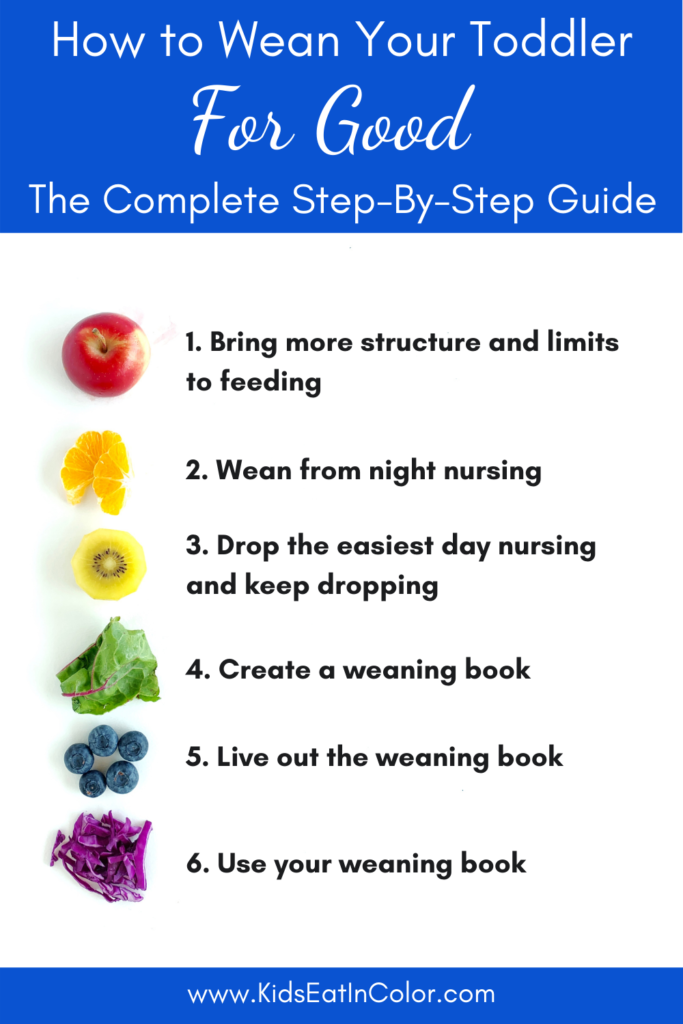
Image Source: kidseatincolor.com
Step-by-Step: How To Wean A Very Attached Toddler Gently
Can you gently wean a very attached toddler? Yes, it is very possible. You can help your child move from nursing with love and patience. This guide will show you how. We will look at gentle ways to wean your child. We will offer strong emotional help. We will make this change smooth for everyone.
Starting Your Weaning Path Gently
Why choose a gentle path? It keeps your bond strong. It helps your child feel safe. It respects their feelings. Gentle weaning methods for toddlers focus on slowly reducing nursing. It means saying yes to your child’s feelings. It means offering other ways to comfort them. This way is kind. It is also very helpful.
When to Begin Weaning: Key Signs
Look for signs your child might be ready. Or signs that you are ready. Is your child eating many solid foods? Are they easily distracted while nursing? Do they nurse for comfort more than food? There is no perfect time. Every child is different. Your readiness also matters. Weaning should be a joint path.
Grasping What Gentle Weaning Is
Gentle weaning means taking it slow. It means listening to your child. It means no sudden stops. This approach helps your child feel safe. It helps them adjust. It keeps their trust in you. Gradual toddler weaning strategies are key here. This plan is not a race. It is a slow, kind walk.
Core Beliefs of Gentle Weaning
Weaning a very attached toddler can be a journey. These core beliefs will help guide you.
- Patience is a must: This path takes time. Do not rush. Some days are easy. Some are hard. Go at your child’s speed.
- Offer comfort often: Give hugs. Play games. Read books. Fill the need for closeness. Show them love in many ways.
- Connect in new ways: Find other ways to bond. This helps replace nursing times. Play on the floor. Go outside. Sing songs.
- Be flexible: Some days are harder. Be ready to change your plans. If your child is sick, pause weaning. Start again later.
- Care for yourself: Weaning can be hard on you too. Get rest. Ask for help from your partner or friends. You need support too.
Step-by-Step Gentle Weaning
This part gives you gradual toddler weaning strategies. We will break it down into phases. This helps make it less overwhelming.
Phase 1: Weaning Daytime Feeds
Start with the feeds that are easiest to drop. Often these are daytime feeds. They may be more for comfort or habit.
- Choose one feed to remove: Pick the one your child seems least attached to. Maybe a morning feed. Or one that happens when they are busy.
- Change the routine: If you nurse before a nap, change it. Read a book instead. Sing a song. Offer a new toy. A new activity can break the link.
- Offer distractions: When your child asks, offer something else. A snack. A toy. A new game. “Are you hungry? Let’s get some yummy fruit!”
- The “Don’t Offer, Don’t Refuse” rule: Don’t offer nursing first. But if they ask, you can nurse. This is for early stages. It slowly lessens the idea of nursing. You are not saying no. You are just not reminding them.
- Introduce alternatives: Give water in a fun cup. Offer whole milk. Or a healthy snack. Alternatives to breastfeeding for toddlers are very important. Think about their favorite non-nursing drink or food.
Here is a simple table for daytime changes:
| Old Habit (Nursing) | New Activity (Alternative) | Purpose |
|---|---|---|
| Nursing upon waking up | Cuddle, then offer a cup of milk | Shifts focus from breast to cup and hug |
| Nursing before a nap | Read a book, sing a song | Creates a new calm-down routine |
| Nursing when bored | Offer a toy, go outside | Distracts and finds new stimulation |
| Nursing for a quick snack | Offer fruit, crackers | Replaces liquid calories with solid food |
Phase 2: Night Weaning an Attached Toddler
Night nursing is often the last to go. It is for comfort. It is deeply ingrained. Children often need that closeness at night. Night weaning attached toddler can be the hardest part.
- Why is night weaning hard? Children are tired. They need comfort more. They are often less open to new ideas at night. The smell of milk is strong.
- Plan for it: Start when your child is well. Do not try this when they are sick. Do not try it when they are teething. Choose a calm time for your family.
- Set a limit (the “time limit” method): Nurse for only 5 minutes. Or just once in the night. Slowly shorten time. “Just for a count of 10, then sleepy time.” Use a soft timer or a short song.
- Dad or partner helps: If possible, have a partner comfort the child. This avoids the smell of milk. Your partner can offer water. They can offer hugs. This helps break the link for the child.
- Comforting toddler without nursing: Offer back rubs. Give soft words. Use gentle rocking. Sing a lullaby. Try a soft pat on the bottom. “Mommy is here. I love you.”
- Prepare for protests: Dealing with toddler weaning tantrums is common here. Your child might cry. They might get angry. This is normal. Stay calm. We will talk more about tantrums soon.
- Delay tactics: If your child wakes early for nursing, say, “Sun is not up yet. Let’s cuddle until the sun comes.” Slowly push back the first feed.
Phase 3: The Last Few Feeds
This is often the hardest part. It can feel like a big step for both of you. These feeds are often linked to falling asleep or waking up.
- The “Nurse to sleep” feed: This is often the last. Change the routine. Nurse, then do something else. Then put them down. For example, nurse in the living room. Then go to the bedroom for a story. Then put them in the crib or bed.
- The “yes, then no” rule: “Yes, you can nurse here, but not there.” Or “Yes, you can nurse now, but not later.” This is a way of setting boundaries with nursing toddler gently. For example, “You can have boo-boo in the comfy chair. Not in the bed.”
- Final goodbyes: You can talk to your child. Say, “Boo-boo is all gone now.” Or, “Big kid milk time.” This helps them understand. Make it a positive talk. “You are such a big kid now!”
- Special events: You might save one feed for a special time. Or let them know it’s ending soon. “After your birthday, no more boo-boo.” This gives them time to get ready.
Providing Emotional Support During Toddler Weaning
Your child will have big feelings. This is normal. Weaning is a big change for them. They may feel sad, angry, or confused. Emotional support during toddler weaning is vital.
- Talk about feelings: “You feel sad. It’s okay to feel sad.” Name their feelings. “I see you are upset because you want boo-boo.” This helps them learn about their feelings.
- Offer extra snuggles: Spend more time cuddling. Read extra books. Give more hugs and kisses. Fill their love cup in other ways.
- Play together: Play helps them work out feelings. It builds new bonds. Rough and tumble play can help release energy. It can also fill the need for physical closeness.
- Praise their efforts: “You did great trying new milk!” “I’m so proud of you for having a big hug instead of boo-boo.” Positive words help them feel strong.
- Be patient with setbacks: Some days, your child might ask more. They might seem to go backward. This is normal. Just gently guide them back to the plan.
Comforting Toddler Without Nursing: New Rituals
As nursing lessens, you need new ways to connect. Comforting toddler without nursing creates new loving habits.
- Bedtime routines: Make bedtime special. Story time. Lullabies. Gentle massage. A warm bath. This creates a calm link to sleep.
- Cuddle time: Make cuddle time a special event. “Let’s have our super cuddle now!” Sit on the couch. Read together. Just hold them close.
- Outdoor play: Running and playing helps release energy and stress. It is a great way to bond. Go to the park. Kick a ball. Explore nature.
- Special blanket or toy: A comfort item can help. This soft item can give them a sense of security. Let them pick it out.
- Singing and dancing: Music can lift moods. Sing silly songs. Dance together. This is a fun way to connect.
- Sensory play: Play with playdough. Paint with fingers. Feel different textures. This can be calming for some children.
Handling Challenges: Dealing with Toddler Weaning Tantrums
Tantrums are common. Your child is expressing big feelings. They do not have the words to say how they feel. Dealing with toddler weaning tantrums needs calm and patience.
- Stay calm: Your calm helps them calm. Take a deep breath. Do not yell. Do not get angry.
- Acknowledge feelings: “I see you are mad. You want boo-boo.” Or “You are sad right now.” Naming the feeling helps your child feel heard.
- Offer alternatives: “Would you like water instead? Or a hug?” Give them a choice, but not the choice to nurse. “No boo-boo, but we can do THIS.”
- Do not give in easily: Be firm but kind. If you give in after a tantrum, it teaches them to tantrum more. It tells them: “If I cry loud enough, I get what I want.”
- Distract and redirect: Change the subject. Offer a new toy or activity. “Look! The squirrel is at the window!” Or “Let’s go play with the cars!”
- Patience is key: Tantrums will pass. They are a phase. Your consistency helps them learn. It teaches them new ways to cope.
- Safe place: If your child is very upset, give them a safe space. A quiet corner. A soft mat. Stay nearby. Let them know you are there.
Toddler Sleep After Weaning: What to Expect
Sleep can change a lot after weaning. Some toddlers sleep better. Some sleep worse for a bit. Toddler sleep after weaning is often a big concern for parents.
- Be ready for changes: More wake-ups at first are normal. Your child is used to nursing back to sleep. They need to learn a new way.
- Strong sleep routine: Keep a steady bedtime. Help them wind down. A warm bath, quiet stories, gentle songs. Stick to the routine every night.
- Comfort items: A special soft toy or blanket helps. It gives them something to hold onto. It makes them feel safe in the dark.
- Presence and comfort: When they wake, go to them. Offer comfort. Don’t leave them alone if they are scared. Rub their back. Sing softly. Whisper loving words.
- Stay consistent: This phase passes. It might take a few nights or weeks. Being consistent with your new routine helps them learn faster.
- Check for needs: Are they too hot or cold? Do they need a drink? Are they unwell? Rule out other issues before assuming it is only about nursing.
Weaning a High-Needs Child
High-needs children often find weaning harder. They need more comfort. They feel things deeply. Weaning a high-needs child requires extra patience and care.
- Even slower pace: Go at their pace. It might take many months. Do not rush. Let them lead as much as possible.
- Extra comfort: Offer even more snuggles, touch, and closeness. These children crave deep connection. Give it in other ways.
- Predictability: Keep routines steady. Changes can be hard for them. Let them know what will happen. “First, bath. Then, story. Then sleepy time.”
- Creative solutions: Find new ways to meet their needs. A special song. A deep pressure hug. A unique calming toy.
- Don’t compare: Your child’s path is unique. Your friend’s child might wean quickly. Your child might not. That is okay. Focus on your child’s needs.
- Seek professional help: If you feel stuck, talk to your doctor. Or a lactation consultant. Or a child therapist. They can offer specific ideas.
Setting Boundaries with Your Nursing Toddler
As you wean, you will set limits. Setting boundaries with nursing toddler is important for both of you. It teaches your child limits. It gives you control.
- Clear and simple words: “No boo-boo now. We can have a hug.” “Boo-boo is for sleepy time only.” Keep it short. Keep it easy to grasp.
- Be firm, be kind: Mean what you say. Say it gently. Do not yell. Do not give in.
- Offer an alternative immediately: “No nursing, but yes to this toy!” “No boo-boo, but let’s go swing!” This helps them move past the “no.”
- Consistency: This is vital. If you say no, stick to it. If you say yes sometimes and no other times, it confuses your child.
- The “don’t offer, don’t refuse” method: This is a good way to start. It helps set boundaries softly. You are not saying a harsh “no.” You are just not making it an option first.
- Use time and place limits: “We can nurse when we get home.” “We only nurse on the couch, not in the store.” This helps your child learn rules.
Life After Weaning: New Bonds
Weaning is not the end of closeness. It is the start of new ways to connect. Your relationship will change. It will not lessen. It will grow in new ways.
- More play: Engage in more active play. Chase games. Building blocks. Playing make-believe. These build joy and connection.
- More talking: Use words to connect. Ask about their day. Sing songs together. Read more books. Talk about feelings.
- More exploring: Go on adventures together. Visit the park. Go to the library. Explore new places. These shared moments build memories.
- New rituals: Create new special times. A “mommy-and-me” tea party. A special story time each night. A “daddy-and-me” walk.
- Your bond will grow in new and wonderful ways. You will find different joys. You will see your child’s growing independence.
Frequently Asked Questions About Weaning
How long does gentle weaning take?
It varies greatly. Some children may wean in a few weeks. Others may take many months. It depends on the child’s age. It depends on their personality. It depends on your approach. Patience is key. Do not set a strict timeline. Let your child guide the speed.
What if my toddler asks for “boo-boo” all the time?
Acknowledge their words. “I hear you want boo-boo.” Offer comfort. “I can give you a big hug.” Then distract with a fun activity. “Let’s go play with your cars!” Consistency is vital. Keep offering alternatives. They will ask less over time.
Is it okay to use a pacifier instead?
Some parents use a pacifier. It can be a tool to help calm your child. But then you might need to wean from the pacifier later. Think about the long term. A pacifier may be a quick fix. But it does not offer the same comfort as your presence.
Can I wean while pregnant?
It is possible. Some women find nursing while pregnant painful. Their milk supply may also change. Tandem nursing (nursing both) is also an option after the baby arrives. Seek advice from a doctor or lactation consultant if you are struggling. They can offer guidance for your unique situation.
What if my toddler gets sick during weaning?
It’s best to pause weaning. Sickness makes children need comfort more. Nursing can offer much-needed fluids and closeness. You can start again when they feel better. It is okay to take a break. Your child’s health and comfort come first.
Final Thoughts on Gentle Weaning
Weaning a very attached toddler is a journey. It takes time. It takes patience. It takes much love. Remember to be gentle with your child. Be gentle with yourself. You are giving your child a gift. You are teaching them new ways to cope. You are showing them your love in many forms. The bond you share will change. It will grow stronger. It will find new depths. Embrace this new chapter with hope and kindness. You can do this.