
Why Does My Toddler Drool So Much? Top Reasons Explained.
Many parents wonder why their toddler drools a lot. It is normal for little ones to have a lot of spit. Most times, drooling in toddlers is a normal part of growing up. It happens for many good reasons. These reasons include teething, learning to talk, and how their mouth muscles grow. Sometimes, an illness can also cause it.
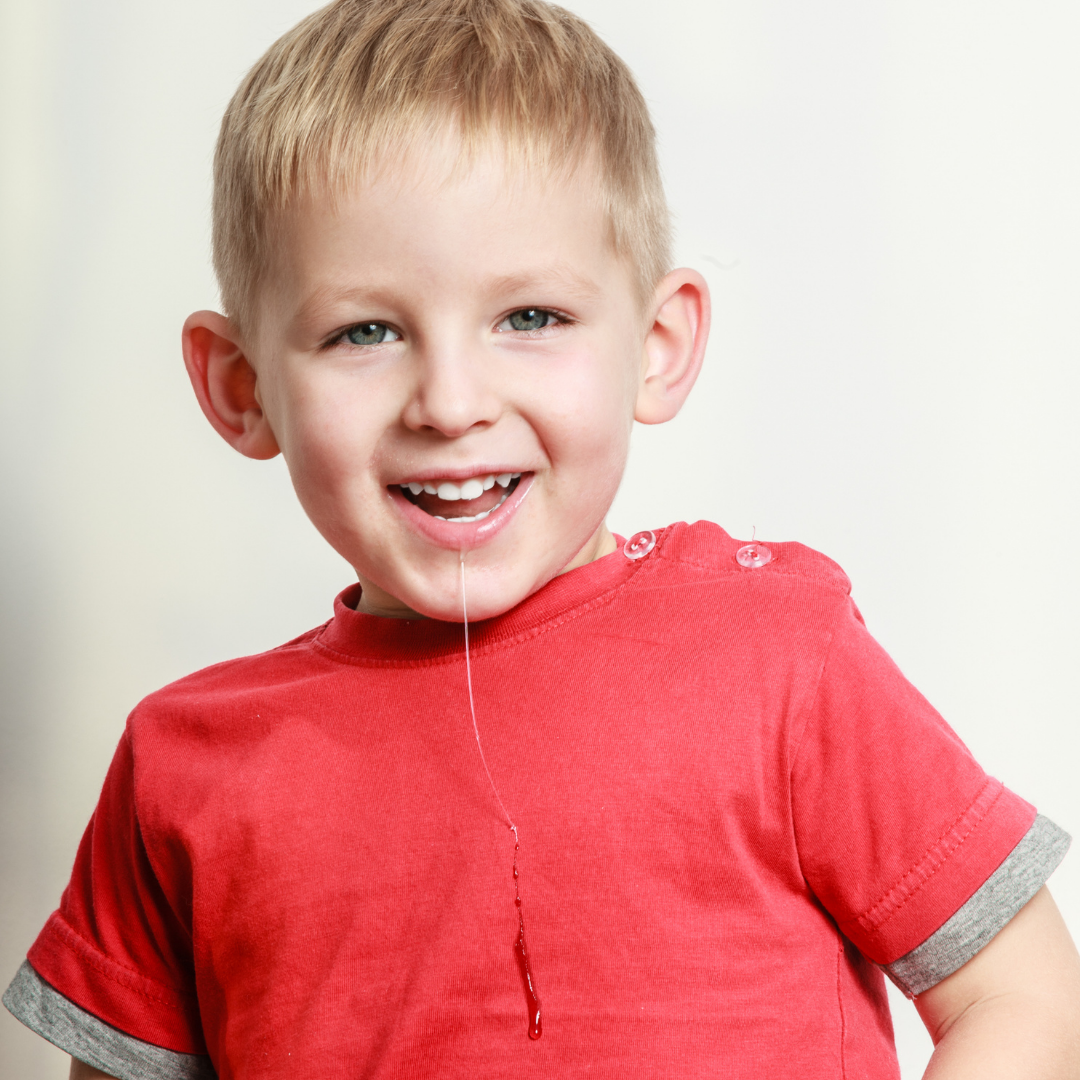
Image Source: speechtherapycentres.com
Grasping the Normalcy of Toddler Drooling
Drooling is a common sight in babies and toddlers. It is a very normal part of their early years. Parents often see their child’s shirt get wet. This happens a lot. Knowing why this happens can help parents feel at ease.
For many children, drooling is not a sign of a problem. It simply shows that their body is doing new things. Their mouth is learning how to work. Their body is making more spit. This is a very common part of growing up.
What is Normal Toddler Drooling Age?
Babies start to drool a lot around 3 to 6 months of age. This is when they begin to put things in their mouth. It is also when their first teeth might start to come in. Drooling can keep going through the toddler years. This means until about age 2 or 3. Most children stop drooling a lot by age 3 or 4. This is the normal toddler drooling age. It is important to remember this.
If your toddler is still drooling much after age 4, you might want to ask a doctor. But for most toddlers, it is just part of being little. They are learning to use their mouth. Their body is making lots of spit. This is all part of growing up.
Key Toddler Drooling Causes
There are many reasons why a toddler might drool a lot. These toddler drooling causes are usually normal. They are part of a child’s growth. Let’s look at the main reasons.
Teething: A Top Drool Creator
One of the biggest reasons for excessive toddler saliva is teething. When new teeth push through the gums, it can cause pain. It can also make the mouth produce more spit. This extra spit helps calm the gums. It also helps clean the mouth.
- How Teething Causes Drool:
- Gum irritation: New teeth push through tender gums. This makes the gums sore and itchy. The body sends more blood to the area. It also makes more spit to help.
- Saliva production increases: The body makes more spit to help wash away germs. It also helps to soothe the sore gums. This extra spit has nowhere to go but out.
- Swallowing difficulty: When a child is teething, swallowing can be hard. Their gums hurt. They might not swallow as often. This makes the spit build up in their mouth. Then it drips out.
You might notice more drooling when your toddler is getting molars. These are the big teeth in the back. They can be very painful to come in. Many parents see a lot of teething drooling toddler signs. This includes red cheeks, chewing on things, and being fussy. Lots of spit is a clear sign.
Oral Motor Development: Learning to Handle Spit
A big part of growing up is learning to use mouth muscles. This is called oral motor development drooling. When babies are very young, they do not know how to swallow all their spit. Their mouth muscles are not strong yet. They are still learning.
-
Muscle Weakness:
- The muscles around the mouth are weak at first.
- The tongue does not move well to push spit back.
- The lips might not close all the way.
- This means spit builds up and escapes.
-
Lack of Awareness:
- Young toddlers do not always know that spit is coming out.
- They are busy playing and exploring.
- They are not thinking about swallowing.
As toddlers grow, their mouth muscles get stronger. They learn to close their lips better. They learn to move their tongue to swallow. They learn to swallow more often. This helps them keep spit in their mouth. This also helps reduce drooling.
Speech Development: Learning to Talk
Talking is a very complex skill. It needs many mouth muscles to work together. As toddlers learn to make sounds and words, they move their mouth in new ways. This can sometimes lead to more drooling. This is speech development drooling toddler.
-
New Mouth Movements:
- When toddlers try to say new words, their mouth muscles are working hard.
- They are still learning how to control their tongue and lips.
- These new movements can make it hard to swallow at the same time.
- Sometimes, their mouth stays open a little as they try to make sounds. This lets spit come out.
-
Focus on Sounds:
- A toddler’s brain is very busy when they are learning to talk.
- They are focused on making the right sounds.
- They might not notice that they need to swallow.
- This can lead to more drooling.
This type of drooling is usually short-lived. As the child gets better at talking, the drooling often goes away. It is a sign that their brain and mouth are working hard to learn a new skill.
Increased Saliva Production: Just More Spit
Sometimes, a toddler just makes more spit than usual. This can happen for different reasons.
-
Diet:
- Eating certain foods can make more spit. Sour foods like lemon or vinegar can make the mouth water. This is a normal body reaction.
- New foods can also make a child drool more. Their body is getting used to new tastes and textures.
-
Sensory Input:
- Putting toys or fingers in the mouth can make more spit. This is how babies and toddlers explore the world. Their mouth is very sensitive. When they touch new things with their mouth, it can make more spit.
-
Normal Variation:
- Just like adults, some children naturally make more spit than others. This is just how their body works. It is not a problem. It is just a normal difference.
This kind of excessive toddler saliva is usually not a concern. It just means the child is making more spit. As long as they are otherwise healthy, it is fine.
Illness and Infections: When Drooling Is a Sign
Sometimes, drooling can be a sign of an illness. This is called toddler drooling illness. When a child is sick, they might drool more than usual. This is often because of a sore throat or stuffy nose.
-
Sore Throat:
- If a toddler has a sore throat, swallowing hurts.
- They might not swallow their spit because it is painful.
- This leads to spit building up and coming out.
- Conditions like strep throat or tonsillitis can cause this.
-
Stuffy Nose/Congestion:
- When a toddler has a stuffy nose, they breathe through their mouth.
- Their mouth stays open more often.
- This makes it easier for spit to come out.
- They might also have trouble swallowing because of mucus in their throat.
- Colds, flu, or allergies can cause a stuffy nose.
-
Mouth Sores:
- Small sores in the mouth can make swallowing painful.
- Hand, foot, and mouth disease can cause painful blisters.
- Gingivitis, a gum infection, can also make gums sore.
- These sores make it hard to swallow. This leads to more drooling.
-
Other Infections:
- Ear infections can make swallowing difficult.
- Some stomach bugs can make a child feel sick and not swallow well.
- It is important to look for other signs of illness. These include fever, cough, crying, or not eating.
If your toddler suddenly starts drooling a lot and seems sick, it is good to call your doctor.
Allergies and Reflux: Hidden Drool Triggers
Less common causes of drooling can include allergies or reflux.
-
Allergies:
- When a child has an allergy, their body reacts to something.
- This can make the nose runny or the throat itchy.
- Sometimes, allergies can make the mouth produce more spit.
- Food allergies can also cause swelling or discomfort in the mouth. This can make swallowing hard.
-
Gastroesophageal Reflux (GER):
- Reflux means stomach acid comes back up into the throat.
- This can make the throat sore or cause a bad taste.
- The body might make more spit to try and wash the acid away.
- This extra spit can lead to drooling.
- Children with reflux might also spit up food or seem fussy after eating.
If you think allergies or reflux might be causing the drooling, talk to your doctor. They can help figure it out.
Thumb Sucking or Pacifier Use: A Simple Reason
Many toddlers use a thumb or pacifier for comfort. This can also lead to more drooling.
-
Mouth Position:
- When a toddler sucks a thumb or pacifier, their mouth stays open.
- This makes it harder to close their lips and swallow.
- The sucking motion itself can also make more spit.
-
Constant Stimulation:
- Having something in the mouth for a long time can make the mouth produce more spit.
- It is a gentle way to stimulate the salivary glands.
Drooling from thumb sucking or pacifier use is usually not a problem. It often stops when the child stops these habits.
Interpreting Drooling Beyond Teething
Parents often link drooling only to teething. But drooling can go on even after all the teeth are in. This is called drooling beyond teething. It can be normal. It shows that other parts of development are happening.
Why Drooling Continues After Teeth Are In
Even after all baby teeth have arrived, typically by age 2.5 to 3 years, drooling can still happen. This is normal.
-
Continuing Oral Motor Skill Growth:
- A child’s mouth muscles keep growing.
- They learn to control their tongue, lips, and jaw better.
- This takes time. Until these skills are perfect, some drooling can occur.
- They are still learning to swallow spit all the time without thinking about it.
-
Developing Speech:
- Learning new words and sounds is a big job.
- As mentioned before, it can make a child focus less on swallowing.
- This is very common for children who are learning to put many words together.
-
Habit:
- Sometimes, drooling can become a habit.
- If a child has always drooled, they might keep doing it.
- They might not realize they need to swallow.
- Gentle reminders can help.
When Does Toddler Drooling Stop?
For most children, when does toddler drooling stop? It stops naturally between the ages of 2 and 3 years. By age 3, most toddlers have much better control over their mouth muscles. They swallow more often. They keep their lips closed.
- Age 2: Many children will still drool some at age 2. This is very common. It is not a sign of a problem.
- Age 2.5 to 3: Drooling usually lessens a lot by this age. Their mouth muscles are stronger. They are better at swallowing.
- Age 4 and Beyond: If a child still drools a lot after age 4, it is a good idea to talk to a doctor. This is especially true if the drooling affects their skin or clothes often.
If you have a 2 year old drooling constantly, it is often still part of normal growth. Keep an eye on it. See if it gets better as they get older.
Monitoring Your Toddler’s Drooling: When to Seek Advice
While most drooling is normal, there are times when it might mean something more. It is good to know when to ask a doctor.
Signs to Watch For
- Sudden Increase: If drooling suddenly gets much worse, especially with other sickness signs.
- Difficulty Swallowing: If your child seems to choke or gag on their spit often.
- Pain or Discomfort: If drooling comes with signs of pain in the mouth or throat.
- Breathing Issues: If drooling is linked to noisy breathing or trouble breathing.
- Skin Problems: If the skin around the mouth or on the chest gets very red, raw, or infected from constant wetness.
- Developmental Delays: If drooling is much more than other children their age, and your child also has other delays in talking or moving.
- After Age 4: If drooling is still very heavy and constant after a child turns 4.
Table: Normal vs. Concerning Drooling
Here is a quick guide to help you know when to be concerned.
| Feature | Normal Drooling | Potentially Concerning Drooling |
|---|---|---|
| Age | Babies, toddlers up to 3 years. Lessens over time. | Continues heavily beyond age 4. |
| Frequency | Happens often, especially during teething, talking, playing. | Constant, very heavy, soaking clothes all day, every day. |
| Triggers | Teething, new foods, putting things in mouth, learning to talk. | No clear trigger, or linked to illness, pain, or breathing issues. |
| Child’s Health | Child is happy, active, eating well, no other symptoms. | Child seems sick, in pain, has trouble eating, breathing, or other delays. |
| Swallowing | Swallows fine most of the time. | Frequent gagging, choking, or extreme difficulty swallowing. |
| Oral Area | Maybe a little chapped skin, but easily managed. | Severe skin rashes, infections, or open sores around mouth/chest. |
Helping Your Toddler Manage Drooling
You can do a few things to help your toddler stay more comfortable.
Tips for Managing Normal Drooling
-
Keep Skin Dry:
- Use soft cloths to gently wipe drool. Do this often.
- Put a soft bib on your toddler. Change it often so their clothes stay dry. This helps prevent rashes.
- Apply a gentle skin barrier cream. A thin layer of Vaseline or Aquaphor can protect the skin. Put it around the mouth or on the chin. This helps stop chapping.
-
Offer Things to Chew On:
- If teething is the cause, give safe chew toys. Cold teethers work well.
- Hard foods like solid crackers (if child can safely eat them) can also help. Chewing helps the teeth come through. It also helps manage spit.
-
Encourage Swallowing:
- Remind your child to swallow. Say things like, “Swallow your spit, sweetie.”
- Offer sips of water often. This can help them swallow.
- Practice blowing bubbles or whistles. These activities strengthen mouth muscles. This improves oral motor development drooling.
-
Oral Hygiene:
- Brush your toddler’s teeth regularly. Even if they are drooling, good mouth care is important. This helps keep gums healthy.
Table: Helpful Products for Drooling
| Product Type | Benefit | Example Use |
|---|---|---|
| Bandana Bibs | Catch drool, keep clothes dry, look stylish. | Use daily to protect clothes from excessive toddler saliva. |
| Teethers | Soothe sore gums, provide safe chewing, divert drool. | Give cold teethers when you see teething drooling toddler signs. |
| Skin Barrier Cream | Protect skin from wetness, prevent chapping and rashes. | Apply thin layer around mouth before naps or bedtime. |
| Soft Washcloths | Gently wipe away drool to keep skin dry. | Have several handy throughout the day. |
| Sippy Cups | Encourage sipping and swallowing from a cup. | Offer water or milk in a sippy cup instead of a bottle. |
Key Insights: Deciphering Toddler Drooling
It’s clear that toddler drooling is a complex issue. It has many reasons. Most are normal.
- Normal Growth: Most drooling is a sign of a child growing. It shows their body is learning. Their mouth muscles are getting stronger.
- Many Reasons: It’s not just teething. Oral motor skills, speech, and even common colds play a role.
- Time Helps: For most children, drooling lessens with age. It often stops by age 3 or 4.
- When to Ask: Look for other signs. If drooling is sudden, extreme, or comes with illness or pain, talk to a doctor.
Remember, every child is different. They grow at their own speed. If you are worried, always talk to your child’s doctor. They can give you the best advice. They can check if everything is okay.
Frequently Asked Questions (FAQ)
Q1: Is it normal for a 2 year old to be drooling constantly?
Yes, it can be quite normal for a 2 year old drooling constantly. At this age, children are still getting their last baby teeth, like molars. They are also working hard on their oral motor development drooling and speech development drooling toddler. Their mouth muscles are still getting stronger. They are learning to swallow better. Many children will still drool some at this age.
Q2: Does drooling mean my toddler has a problem with their oral motor development?
Not always. In young toddlers, drooling is a normal part of oral motor development drooling. It means their mouth muscles are still learning and growing. As they get older, these muscles get stronger. They learn to swallow better. If your child is 3 or 4 and still drooling a lot, or if they have other speech or feeding delays, then it might be worth checking with a doctor or a speech therapist.
Q3: When does toddler drooling stop completely?
For most children, when does toddler drooling stop? It typically stops completely by age 3 or 4 years. By this age, their mouth muscles are strong. They have learned to swallow all their spit without thinking about it. They also keep their lips closed more often. If drooling goes on much past age 4, especially if it is heavy, it is a good idea to talk to a doctor.
Q4: Can illness cause excessive toddler saliva?
Yes, an toddler drooling illness can definitely cause excessive toddler saliva. If a child has a sore throat, a stuffy nose, or mouth sores, swallowing can be hard or painful. This makes them less likely to swallow their spit. Colds, flu, strep throat, and hand, foot, and mouth disease are common illnesses that can cause a sudden increase in drooling. If your child is sick and drooling more, it is a good idea to check with your doctor.
Q5: Is there a link between drooling and speech development?
Yes, there can be a link between drooling and speech development. As toddlers learn to make new sounds and words, they move their mouth in complex ways. This hard work can sometimes make them forget to swallow. Their mouth might also stay open more as they focus on making sounds. This type of speech development drooling toddler is often temporary. As their speech gets better, the drooling often goes away. It shows their brain and mouth are working hard to learn new skills.
Q6: My toddler is past teething, but still drools a lot. Is this normal?
Yes, it can be normal for drooling beyond teething. Teething is a big cause, but not the only one. Your toddler is still working on strengthening their mouth muscles and learning to swallow all the time. They are also developing their speech. These normal developmental steps can cause continued drooling. As long as your child is otherwise healthy and developing well, it is often just part of growing up. If you are worried, talk to your doctor.
Q7: How can I protect my toddler’s skin from constant drooling?
To protect your toddler’s skin from excessive toddler saliva, keep it as dry as possible. Use soft bandana bibs to catch drool and change them often. Gently wipe your toddler’s chin and mouth with a soft cloth. You can also put a thin layer of a gentle skin barrier cream, like Vaseline or Aquaphor, on their chin. This helps stop chapping and rashes from constant wetness. Good skin care is important when a child drools a lot.