
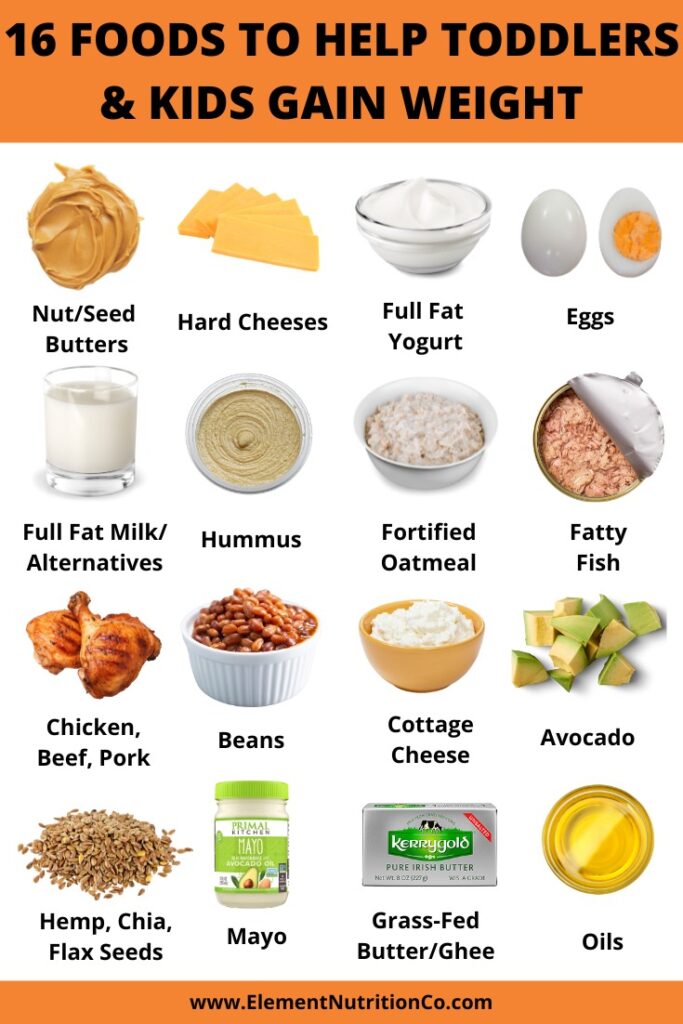
Image Source: www.elementnutritionco.com
How To Get Toddler To Gain Weight: 7 Healthy Tips
Watching your toddler grow is amazing. But what if your little one seems too small? What if they are not gaining enough weight? It can make any parent worry. You might wonder if your child is truly underweight. Sometimes, a toddler might be smaller for their age or family build. This is normal. But if your child’s doctor says your toddler needs to gain weight, it is time to act. It is good to know the signs of slow growth. Failing to thrive symptoms in toddlers can include slow weight gain, no growth at all, or even weight loss. They might also seem tired or not as active. If you see these signs, talk to your child’s doctor. A pediatric nutritionist for toddler weight can also offer great advice. They are experts in food and growing kids. They can help you make a safe, healthy plan. This guide will give you many useful tips to help your toddler gain weight in a healthy way.
When Your Toddler Needs to Gain Weight: Signs and Steps
It is normal for toddlers to have good and bad eating days. Growth slows down after the first year. Your child may not gain weight as fast as a baby. But doctors watch growth closely. They use special charts. These charts show how your child grows over time.
Some signs that your toddler might need to gain weight include:
- Slow Growth: Your child’s doctor points out slow growth on the growth chart. They may not follow their usual growth curve.
- Low Weight for Height: Your child looks very thin. They do not have much body fat.
- Tiredness: They seem low on energy. They might be less active than other kids their age.
- Eating Less: They eat very little at meals. They may refuse many foods. This can be a sign of low appetite in toddlers.
- Frequent Sickness: Kids who do not eat enough might get sick more often. Their bodies may not fight germs well.
If you have concerns, always talk to your child’s doctor first. They can check for health issues. They can also help you find a pediatric nutritionist for toddler weight. This expert can make a diet plan just for your child. An underweight child diet needs to be well-planned. It should be safe and help them get all the nutrients they need.
Tip 1: Pick Nutrient-Dense Foods for Kids
When your toddler needs to gain weight, every bite counts. You want to give them foods packed with goodness. These are called nutrient dense foods for kids. They offer many calories and nutrients in a small serving. Think about foods that have healthy fats, proteins, and complex carbs.
Here are some great options for nutrient dense foods for kids:
- Avocados: These are full of healthy fats. Mash them into guacamole. Add them to smoothies. Slice them for a snack.
- Dairy Products: Whole milk, full-fat yogurt, and cheese are excellent choices. They have fat, protein, and calcium. Choose whole milk for toddlers over age one. Add cheese to eggs, pasta, or sandwiches.
- Nuts and Nut Butters: Peanut butter or almond butter are wonderful sources of calories and protein. Spread them on fruit slices or whole-wheat toast. Be sure to thin thick nut butters for young toddlers to prevent choking. Mix them into oatmeal.
- Eggs: Eggs are a great source of protein. They have many vitamins too. Offer scrambled eggs, hard-boiled eggs, or omelets.
- Lean Meats and Poultry: Chicken, turkey, and beef give iron and protein. Cut them into very small, easy-to-chew pieces.
- Fish: Fatty fish like salmon have healthy omega-3 fats. They are good for brain growth too.
- Beans and Lentils: These are full of protein and fiber. Add them to soups or stews.
- Healthy Grains: Whole wheat pasta, brown rice, and oats offer good energy. Cook oatmeal with milk. Add fruit and a spoon of nut butter.
Table: Nutrient-Dense Food Ideas
| Food Type | Examples | Why it’s Good for Weight Gain |
|---|---|---|
| Healthy Fats | Avocado, Olive Oil, Nuts, Seeds, Nut Butters | High calories, good for brain health |
| Proteins | Eggs, Chicken, Fish, Beef, Tofu, Beans, Lentils | Builds muscle, helps growth |
| Dairy | Whole Milk, Full-Fat Yogurt, Cheese | Calories, protein, calcium for bones |
| Complex Carbs | Whole Grains (oats, brown rice, whole wheat pasta), Sweet Potatoes | Sustained energy, fiber |
Focus on these foods. They give your child the fuel they need to grow strong and healthy.
Tip 2: Boost Calories Smartly
One key part of an underweight child diet is to add more calories. But you want to add good calories. These are calories from healthy fats and proteins. They are not from empty sugars. Calorie boosting foods for children are those that add extra energy without needing a huge serving.
Ways to boost calories in your toddler’s meals:
- Add Healthy Fats:
- Stir a spoon of olive oil or butter into pasta, rice, or mashed potatoes.
- Add a dollop of full-fat sour cream or cream cheese to soups or baked potatoes.
- Mix avocado into smoothies or pureed foods.
- Drizzle olive oil over cooked vegetables.
- Use Full-Fat Dairy:
- Use whole milk for drinking and cooking.
- Give full-fat yogurt. You can add fruit and a bit of honey (for kids over 1) or maple syrup.
- Shred cheese onto almost anything: eggs, veggies, pasta, or even soup.
- Boost Protein:
- Add finely chopped cooked chicken or beef to pureed vegetable soups.
- Mix a spoon of nut butter into oatmeal, yogurt, or smoothies.
- Offer beans or lentils more often.
- Sneak in Extra Calories:
- Cook oatmeal with whole milk instead of water.
- Add a bit of cream to scrambled eggs.
- Use whole-grain bread for sandwiches. Spread generously with nut butter.
- Make smoothies with whole milk, yogurt, fruit, and nut butter or avocado. These are high calorie snacks for toddlers.
Remember: A little extra can go a long way. Even adding a spoonful of butter or a slice of cheese to a meal adds good calories. These small changes help your toddler gain weight over time.
Tip 3: Make Mealtimes Pleasant
A toddler with low appetite can make mealtime a battle. But forcing food can make things worse. It can make eating feel stressful. This can make your child eat even less. The goal is to make mealtimes happy and calm. This is part of picky eater toddler solutions.
How to make mealtimes enjoyable:
- Set a Routine: Offer meals and snacks at the same times each day. This helps your child know when to expect food. It also helps their body get hungry. Aim for 3 main meals and 2-3 snacks.
- Offer Choices (Within Limits): Let your child pick between two healthy options. “Do you want carrots or peas with your chicken?” This gives them control.
- Involve Them: Let your child help set the table. Let them wash veggies (if old enough). This makes them feel like part of the process.
- Eat Together: Sit down as a family. Kids learn by watching. When they see you eat and enjoy food, they might try new things too.
- Keep it Calm: Avoid fights about food. Do not force them to eat. If they refuse, calmly take the food away. They will eat when they are hungry.
- Small Portions: Give small amounts of food. A big plate can feel too much. They can always ask for more.
- No Distractions: Turn off the TV or tablets during meals. These can take focus away from eating.
- Limit Drinks: Offer drinks after food, or during meals in small amounts. Too much milk or juice can fill up a small tummy. This leaves no room for food. Water is best between meals.
If your toddler has low appetite, try offering their favorite foods first. Then, slowly add new foods. Be patient. It takes time for kids to accept new tastes. Do not get upset if they do not eat much. Keep offering healthy options.
Tip 4: Offer Frequent Meals and Snacks
Toddlers have small tummies. They cannot eat a lot at one time. So, they need to eat more often. Offering frequent meals and snacks helps them get enough calories throughout the day. This is a top toddler healthy weight gain tip. Instead of 3 big meals, think of 5-6 smaller eating chances.
Schedule for Frequent Eating:
- Breakfast
- Mid-morning snack
- Lunch
- Afternoon snack
- Dinner
- Bedtime snack (if needed)
Important points about snacks:
- Make Snacks Mini-Meals: Do not just give empty calories. High calorie snacks for toddlers should be nutrient-rich.
- Timing is Key: Plan snacks about 2-3 hours after a meal. This gives your child time to get hungry again. But it is not so long that they are starving. Avoid snacks too close to mealtime. This can ruin their appetite for the main meal.
- Offer Variety: Mix up fruits, veggies, proteins, and healthy fats.
High Calorie Snacks for Toddlers – Ideas:
- Full-fat yogurt with fruit and a sprinkle of granola.
- Cheese cubes or cheese sticks.
- Apple slices with peanut butter (thinly spread for safety).
- Whole-wheat crackers with cream cheese or avocado.
- Hard-boiled eggs.
- Smoothies made with whole milk, yogurt, fruit, and nut butter.
- Mashed avocado on whole-grain toast.
- Cottage cheese with peaches.
- Trail mix (for older toddlers, make sure nuts are cut small). Include dried fruit, small pieces of whole grain cereal, and sunflower seeds.
- Small portions of muffins made with healthy ingredients like whole grains, fruit, and yogurt.
By offering food often, you give your child many chances to eat. This helps them get the calories and nutrients they need for healthy growth.
Tip 5: Limit Empty Calories and Drinks
It might seem smart to give your toddler sugary treats or juice to gain weight. But these offer “empty calories.” This means they have lots of calories but few nutrients. They can fill up a small tummy quickly. Then your child is not hungry for healthy foods. This is bad for an underweight child diet.
What to limit:
- Sugary Drinks: Soda, fruit juice, and sweetened teas. These offer sugar but little else. A small amount of 100% fruit juice once a day is okay. But whole fruit is always better.
- Candy and Sweets: Cakes, cookies, and candy are high in sugar. They offer no real nutrition.
- Fried Foods: Deep-fried foods are high in unhealthy fats. They can also make a child feel full quickly.
- Processed Snacks: Chips, sugary cereals, and many packaged snacks often have low nutrients. They are high in salt, sugar, and bad fats.
Why limit them:
- Filling Up: Sugary drinks and snacks make toddlers feel full fast. Then they do not want to eat nutrient-rich meals. This can make low appetite in toddlers even worse.
- Lack of Nutrients: These foods do not give your child the vitamins, minerals, protein, or healthy fats they need to grow.
- Dental Health: Too much sugar is bad for teeth.
- Bad Habits: Eating too many empty calories can lead to unhealthy eating habits later.
Instead, focus on real, whole foods. Make water the main drink between meals. If your toddler is very active, milk or a small amount of healthy smoothie can be good. But try to offer food first. This ensures they get the most nutrition.
Tip 6: Involve Them in Food Preparation
Toddlers love to help. Letting them join in the kitchen can make them more likely to eat the food. It builds a positive link with food. This is a great picky eater toddler solution. They might feel more proud of what they made.
Simple ways toddlers can help:
- Washing Veggies/Fruits: Give them a small bowl of water and let them wash berries or small veggies.
- Stirring: Let them stir ingredients in a bowl. Use a small, safe spoon.
- Pouring: Help them pour pre-measured ingredients into a bowl.
- Setting the Table: Let them put out napkins or forks.
- Choosing Ingredients: At the grocery store, let them pick out a fruit or vegetable.
- Helping with Dishes: Let them put plastic plates in the sink.
Benefits of involving them:
- Interest in Food: They become more curious about food.
- Ownership: They feel a sense of ownership over the meal. “I made this!”
- Trying New Foods: They might be more willing to try foods they helped prepare.
- Learning: They learn about different foods and healthy eating.
- Bonding: It is a fun activity to do together.
Keep tasks simple and safe. Always watch them closely. The goal is to make food fun, not a chore. This positive experience can help with low appetite in toddlers. It turns mealtime into an adventure.
Tip 7: Be Patient and Persistent
Helping a toddler gain weight takes time. It is not a quick fix. There will be good days and bad days. Some days, your child will eat well. Other days, they might eat very little. This is normal. The most important toddler healthy weight gain tip is to be patient. Consistency is key.
Key points for patience and persistence:
- Do Not Give Up: Keep offering healthy, nutrient-rich foods. Even if they refuse it many times, keep trying. It can take many tries for a child to accept a new food.
- Offer New Foods Often: Introduce new foods little by little. Offer new foods alongside foods they already like.
- Lead by Example: Eat healthy yourself. Show your child you enjoy a variety of foods.
- Keep it Positive: Avoid nagging or bribing. Make mealtime a pleasant, calm time.
- Focus on Health, Not Just Weight: Remember your goal is healthy growth, not just numbers on a scale. Focus on good habits.
- Celebrate Small Wins: Did they try a new food? Did they eat a bit more than usual? Praise them!
- Consult Your Doctor Regularly: Keep track of your child’s growth. Talk to your doctor about any worries. They can guide you and your pediatric nutritionist for toddler weight.
Helping your toddler gain weight is a journey. It requires love, understanding, and a lot of patience. Remember, you are building healthy eating habits for life.
Meal Ideas for Underweight Toddlers
Here are some meal ideas that pack a calorie punch. These are meal ideas for underweight toddlers. They focus on nutrient-dense and calorie-boosting foods.
Breakfast Ideas:
- High-Calorie Oatmeal: Cook 1/2 cup rolled oats with 1 cup whole milk. Stir in 1-2 tablespoons of nut butter (peanut, almond). Add sliced banana or berries. You can also add a spoonful of ground flaxseed for extra healthy fats.
- Scrambled Eggs with Cheese and Avocado: Scramble 2 eggs with a splash of whole milk or cream. Stir in 1/4 cup shredded cheese. Serve with 1/4 avocado (mashed or diced). A slice of whole-wheat toast with butter on the side.
- Full-Fat Yogurt Parfait: Layer full-fat Greek yogurt with berries and a sprinkle of granola. You can add a spoonful of cream cheese to the yogurt for extra calories and creaminess.
Lunch Ideas:
- Peanut Butter and Banana Sandwich: Use whole-wheat bread. Spread a generous amount of peanut butter. Add sliced banana. Cut into small, easy-to-eat shapes. Serve with whole milk.
- Cheesy Mac and Cheese with Added Protein: Make mac and cheese with whole-wheat pasta. Use whole milk and extra cheese. Stir in finely diced cooked chicken or ham. You can also add pureed cauliflower for hidden veggies.
- Avocado and Hummus Wrap: Spread hummus and mashed avocado on a whole-wheat tortilla. Add thin slices of turkey or cheese. Roll up tightly and slice into pinwheels. Serve with baby carrots and a dip (like ranch or full-fat yogurt dip).
Dinner Ideas:
- Creamy Salmon and Sweet Potato Mash: Bake or pan-fry salmon. Mash sweet potato with butter and a splash of whole milk or cream. Serve alongside some soft-cooked green beans drizzled with olive oil.
- Mini Meatballs with Pasta and Sauce: Make small meatballs from lean ground beef or turkey. Mix them into whole-wheat pasta with a tomato sauce. Add a good amount of grated Parmesan cheese.
- Lentil and Vegetable Soup with Buttered Toast: Make a thick lentil soup with carrots, celery, and spinach. Serve with slices of whole-wheat bread generously buttered. You can stir a spoonful of full-fat sour cream into the soup.
Remember: These are just ideas. Adjust based on your toddler’s likes and dislikes. Always make sure food is cut into safe, bite-sized pieces to prevent choking. These meal ideas are designed to be calorie boosting foods for children while being full of nutrients.
Seeking Professional Help
If you are worried about your toddler’s weight, talking to a doctor is the first step. They can rule out any health problems. They can also guide you to the right help.
When to seek professional help:
- No Weight Gain: Your child is not gaining weight over several months.
- Weight Loss: Your child is losing weight.
- Failing to Thrive Symptoms: These include slow growth, low energy, or developmental delays.
- Constant Picky Eating: Your child refuses most foods or food groups.
- Digestion Problems: Your child has tummy aches, diarrhea, or constipation often.
A pediatric nutritionist for toddler weight can be a great help. They specialize in feeding kids. They can:
- Assess Needs: Look at your child’s diet and growth.
- Create a Plan: Make a special diet plan just for your child. This plan will be safe and healthy. It will focus on nutrient dense foods for kids.
- Offer Strategies: Give tips for picky eaters. Help with low appetite in toddlers.
- Support You: Help you feel less stressed about feeding your child.
Working with a team (your doctor and a nutritionist) gives your child the best chance to grow well. They can help you craft the best underweight child diet.
Frequently Asked Questions (FAQ)
Q1: How much weight should a toddler gain in a year?
A1: After their first birthday, toddlers’ growth slows down. From age 1 to 2, they typically gain about 3-5 pounds. From age 2 to 3, it is usually 3-4 pounds. But every child is different. Your doctor will check your child’s growth on a chart.
Q2: What is the best way to get my picky eater to try new foods?
A2: For picky eater toddler solutions, offer new foods many times. It can take 10-15 tries for a child to accept a new food. Offer small amounts. Do not force them. Make mealtimes fun. Let them help prepare food. Eat together as a family.
Q3: Can too much milk make a toddler underweight?
A3: Yes, it can. Whole milk is good, but too much can fill up a toddler’s small tummy. If they drink too much milk (more than 16-24 ounces a day), they might not be hungry for solid foods. Solid foods give them more nutrients and calories.
Q4: Should I give my toddler supplements to gain weight?
A4: Do not give supplements without talking to your child’s doctor or a pediatric nutritionist. It is always best to get nutrients from food. If a supplement is needed, your doctor will tell you which one and how much.
Q5: What are good high calorie snacks for toddlers?
A5: Good choices include full-fat yogurt with fruit, avocado slices, cheese cubes, peanut butter on apple slices, smoothies made with whole milk and nut butter, or whole-wheat crackers with cream cheese. Focus on healthy fats and proteins.
Q6: What are common failing to thrive symptoms in toddlers?
A6: Common symptoms include very slow or no weight gain, weight loss, not reaching developmental milestones, being very tired, or seeming less playful than other kids. If you see these signs, talk to your doctor right away.
Q7: How can I make meals more fun for a toddler with low appetite?
A7: Make food look fun! Cut sandwiches into shapes. Use colorful plates. Let your toddler help with cooking. Avoid pressure. Keep mealtimes calm. Offer food often in small amounts. This can help with low appetite in toddlers.