
Toddlers can be tough when it comes to medicine. What is the best way to give toddler medicine? There is no single “best” way. What works for one child may not work for another. Can you hide medicine in food? Yes, you often can, but do this with care. What if your child spits out liquid medicine? We have tricks for that too. This guide gives you many tips to help your child take their medicine easily.
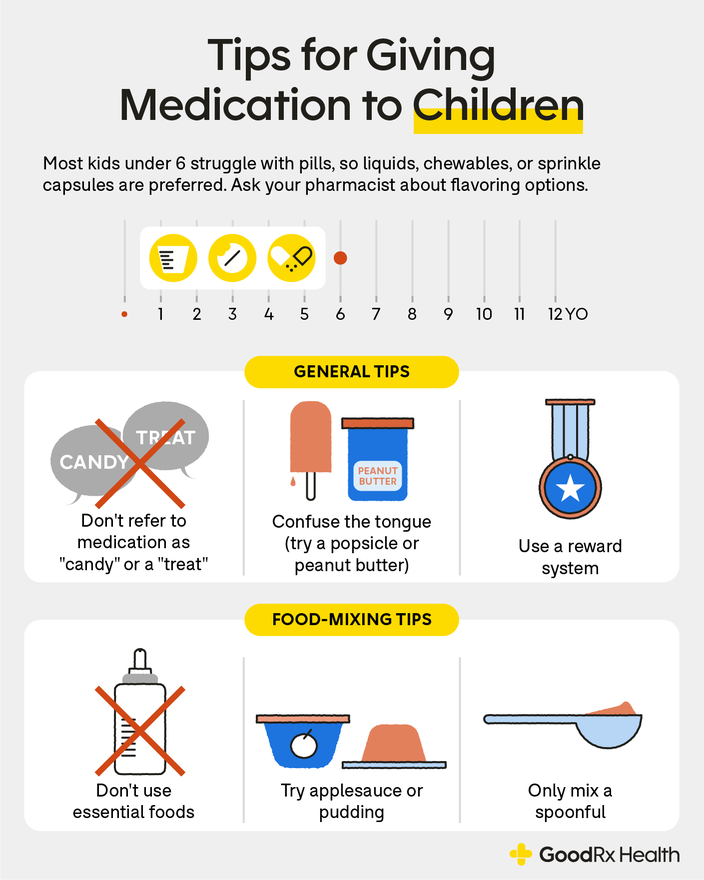
Image Source: www.grxstatic.com
Why Your Little One Fights Medicine
Giving medicine to a toddler can feel like a battle. It is often a big struggle. This is because toddlers have many reasons to say no. Knowing why they fight can help you find a better way.
Grasping Their Resistance
Toddlers are small people. They want to be in charge. When you try to give them medicine, they feel a loss of control. This can make them resist. They want to decide for themselves.
Think about how they feel. They might be scared. They might not like the smell or taste. Maybe they had a bad past experience. All these things can make them fight you.
The Taste and Texture Problem
Liquid medicines often taste bad. They can be bitter or too sweet. Some also have a strange feel in the mouth. This is hard for a toddler. They are often picky eaters. They do not like new tastes. A bad taste can make them gag or throw up.
Medicines can also smell odd. Toddlers use their noses a lot. A strong, strange smell can make them turn away. It makes them not want to try it.
Fear and Lack of Knowledge
Toddlers do not know what medicine is. They do not know it will help them feel better. They might see the syringe or spoon and get scared. It looks new. It feels strange. They might think it will hurt them.
They also see your stress. If you are worried, they will feel it too. This makes them more scared. They might think something is wrong.
A Need for Control
Toddlers are learning to be their own person. They want to make choices. They say “no” a lot. This is normal for their age. When you try to force medicine, you take away their choice. This makes them fight harder. They want to show they are in charge.
Getting Ready: Your Game Plan
A good plan helps you win. Before you start, get everything ready. Stay calm. This sets a good tone for your child.
Picking the Right Tool
Using the correct tool makes a big difference. Many medicines come with their own tools.
- Oral Syringe for Toddler Medicine: This is often the best choice. It lets you give medicine slowly. You can squirt it into the side of their cheek. This helps stop them from spitting it out. Syringes are also good for exact doses. They are less messy than spoons.
- Dosing Spoons: These are useful for older toddlers. They can hold it themselves. This gives them some control. Make sure it has clear marks for the right dose.
- Medicine Droppers: These work well for very small amounts. They are good for babies. They are okay for toddlers too.
Choose a tool you feel good using. Make sure it is clean. Check that it measures the dose right.
Reading the Label Closely
Always read the medicine label. Check the dose for your child’s age or weight. Do not guess. Giving too much or too little can be unsafe.
Check the date on the bottle. Make sure the medicine is not expired. Ask your doctor or pharmacist if you are not sure.
Setting the Scene
Choose a calm spot. Sit in a comfy chair. Hold your child close. This makes them feel safe. Try to be happy and calm. Your child will feel your calm.
Do not rush. Take your time. A rushed parent makes a scared child.
Strategies to Give Medicine
Now comes the big part: actually giving the medicine. These tips for giving medicine to fussy toddlers can make it easier.
Making Medicine Taste Better for Kids
Bad taste is a big problem. Many medicines taste yucky. You can try to change the taste. Or you can hide it.
- Ask Your Pharmacist for Flavoring: Many pharmacies can add flavors to liquid medicine. They can make it taste like grape, cherry, or bubblegum. This can change the whole experience. Always ask if this is possible. Make sure the flavor does not stop the medicine from working.
- Chill the Medicine: Some medicines taste better cold. This can dull the strong taste. Do not freeze it. Just put it in the fridge for a bit. Always check the label first. Some medicines need to be stored at room temperature.
- Offer a Chaser: Have a yummy drink ready right after. This can be juice, milk, or water. It washes away the bad taste. Offer it right away.
- Sweeten It (Carefully): For some medicines, a tiny bit of sweet can help. Mix a small dose with a spoonful of jam or syrup. Do not do this for large amounts. Ask your doctor first. Some medicines should not mix with food.
Tricky Ways to Administer Liquid Medicine to Child
Sometimes you need to be a bit sneaky. These tricks to administer liquid medicine to child can help.
- The Cheek Pouch Method: Use an oral syringe. Place the tip between your child’s gums and cheek. Aim for the side of their mouth. Push the plunger slowly. Give a small amount at a time. This helps stop them from spitting it out. It also avoids choking.
- Blowing Gently: After you give the medicine, gently blow on your child’s face. This makes them swallow. It is a quick way to get them to take it down.
- The “Surprise” Method: If your child is very busy, you can try this. Get ready quickly. Give the medicine. Then distract them right away. This works best if they are not expecting it. It is not for every child.
- Let Them Help: For older toddlers, let them hold the syringe. You can guide their hand. This gives them some control. They feel like they are doing it themselves.
How to Hide Medicine in Food Toddler
This is a common question. Hiding medicine can work well. But you must be careful.
- Small Amount, Strong Flavor: Use a small amount of food or drink. It needs to have a strong taste. Examples are applesauce, yogurt, pudding, or juice.
- Mix It Well: Stir the medicine in completely. Make sure it is not chunky.
- Check First: Always ask your pharmacist or doctor if medicine can mix with food. Some medicines do not work well when mixed. Some cannot be heated.
- Do Not Use Important Foods: Do not mix medicine with your child’s favorite food or drink. If they taste the medicine, they might refuse that food later.
- Ensure All Doses Taken: Make sure your child eats or drinks all of the mix. If they do not, they will not get the full dose. This can be risky.
- Table of Food/Drink Mixing Ideas:
| Food/Drink Type | Best For | Tips |
|---|---|---|
| Applesauce | Thicker meds, mild taste | Mix well, use small serving |
| Yogurt | Creamy meds, thicker | Fruit yogurt works well, avoid heat |
| Pudding | Sweet, masks taste well | Any flavor, small spoonful |
| Juice | Quick sips, strong taste | Apple or grape juice are good choices |
| Jam/Syrup | Tiny doses, very bitter meds | Use a very small amount, mix into a spoon |
This table is for general ideas. Always check with your doctor or pharmacist before mixing medicine with food or drink.
Dealing with Stubbornness
Sometimes, no matter what, your child will fight. Here are ways to handle that.
When a Child Spits Out Liquid Medicine
This is super frustrating. It happens a lot. Here’s what to do:
- Stay Calm: Do not get angry. It will make things worse. Take a deep breath.
- Give Slowly: Use the cheek pouch method. Push the syringe slowly. This gives them time to swallow.
- Blow and Distract: As soon as they swallow, blow gently on their face. Offer a quick reward.
- Clean Up and Try Again: If they spit it all out, clean up. Wait a minute. Try again. You might need to give another dose. Check with your doctor or pharmacist first. Do not give too much.
- Less is More: If they keep spitting out, try giving half the dose. Then give the other half a few minutes later. This makes it easier for them to swallow.
When a Toddler Refuses Medicine Completely
Some toddlers just clamp their mouth shut. They may turn their head. These tips for giving medicine to fussy toddlers can still help.
- Give Choices: Do not ask “Do you want medicine?” Ask “Do you want medicine from the spoon or the syringe?” Or “Do you want to take your medicine now or in two minutes?” This gives them control. But both choices lead to taking the medicine.
- Make it a Game: Pretend the syringe is a rocket. “Zoom, zoom, medicine rocket!” Make silly sounds. Sing a song. This can make it fun.
- Practice with Water: Practice giving “medicine” with water. Let them give it to a doll or toy. This makes the tool seem less scary.
- Model It: Take your own “medicine” (water) to show them. “Look, Mommy is taking her medicine!”
- Stay Firm but Gentle: Sometimes you just have to give it. Hold them gently but firmly. Talk to them in a soft voice. Tell them it’s quick. Tell them it helps them feel better.
- The “Hug Hold”: Sit your child on your lap. Wrap your arm around them. Hold their arms gently with your other arm. This stops them from batting the syringe away. If they close their mouth, gently press on their chin. This often makes them open slightly. Then quickly squirt the medicine.
Positive Reinforcement for Toddler Medicine
Praise and rewards work wonders. They teach your child that taking medicine is a good thing.
The Power of Praise
- Praise Effort: Even if they just taste it, praise them. “You are so brave!” “Good job trying!”
- Specific Praise: Say exactly what they did well. “You took the medicine so fast!” “You opened your mouth so wide!”
- Clap and Cheer: Make a big deal about it. Clap your hands. Cheer for them.
Small Rewards
- Sticker Chart: Use a sticker chart. Each time they take medicine, they get a sticker. After a few stickers, they get a small prize.
- A Tiny Treat: Have a small treat ready. This could be a special candy or a small toy. Give it right after they take the medicine. “First medicine, then your special treat!”
- Favorite Activity: Offer to do something they love. “After medicine, we can read your favorite book!”
- High Five or Hug: Sometimes a big high five or a warm hug is enough. It shows them you are proud.
Rewards should be given right away. This helps your child connect taking medicine with a good outcome.
Making it a Routine
Routine makes things easier for toddlers. They like knowing what to expect.
Consistent Times
Give medicine at the same time each day. If it’s once a day, pick breakfast. If it’s twice, make it breakfast and dinner. This helps your child get ready for it.
Predictable Steps
Create a simple routine.
1. Say, “It’s medicine time.”
2. Get the medicine ready.
3. Choose the spoon or syringe.
4. Take the medicine.
5. Get a chaser drink.
6. Get a reward.
Follow these steps every time. This helps your child learn what will happen.
Staying Calm and Patient
This is key. Your feelings affect your child.
Manage Your Stress
Giving medicine can be stressful. Take a deep breath. Count to ten. Remember, you are helping your child get well. It is a necessary act of love.
Do Not Give Up
It might take many tries. Some days will be harder than others. Keep trying different methods. Do not give up. Your child needs this medicine.
Ask for Help
If it is too hard, ask for help. Talk to your partner. Ask another family member to help. Two people can sometimes make it easier. One person can hold. The other can give the medicine.
When All Else Fails: Talk to Your Doctor
Sometimes, nothing works. Your child just will not take the medicine. What should you do?
Call Your Doctor or Pharmacist
This is important. Do not just stop giving the medicine.
* They might offer a different medicine.
* They might suggest a different form. Is there a chewable tablet? A suppository?
* They can give you new tips.
* They can tell you if missing a dose is okay. They can tell you what to do next.
Never change the dose or stop medicine without talking to a health expert.
Important Safety Tips
Giving medicine needs to be safe. Always keep these points in mind.
Right Dose, Right Time
Always give the exact dose. Give it at the right times. Do not skip doses unless your doctor says so. This helps the medicine work well. It also prevents too much medicine.
Safe Storage
Keep all medicine out of reach of children. Use child-proof caps. Store medicine in a cool, dry place. Read the label for storage rules. Some medicines need the fridge.
Check Expiration Dates
Never give expired medicine. It might not work. It could also be harmful. Throw away old medicine safely. Ask your pharmacy how to do this.
Use Proper Measuring Tools
Always use the measuring tool that comes with the medicine. Or use a medical dosing syringe. Do not use kitchen spoons. They are not accurate. An oral syringe for toddler medicine is best for small, exact doses.
Do Not Mix Medicine with Milk or Formula (Unless Told To)
Mixing medicine with milk or formula is often a bad idea. Your child might not finish the bottle. Then they do not get the full dose. Also, some medicines do not mix well.
Summary of Tips for Giving Medicine to Fussy Toddlers
This table offers a quick look at the best ways to get liquid medicine into your child.
| Strategy | Key Action Points | Benefit |
|---|---|---|
| Taste Control | Flavoring by pharmacist, chill medicine, chaser | Reduces bad taste, makes it more pleasant |
| Tool Choice | Oral syringe, dosing spoon | Exact dose, easier to administer |
| Technique | Cheek pouch, gentle blowing, quick distraction | Prevents spitting, promotes swallowing |
| Hiding Medicine | Small amount of food/drink, mix well, check safety | Masks taste, makes it easier to consume |
| Positive Reinforcement | Praise, small rewards, sticker charts, high-fives | Encourages cooperation, builds good habits |
| Routine | Consistent times, predictable steps | Reduces anxiety, sets expectations |
| Calmness | Manage your stress, deep breaths | Helps child stay calm, reduces resistance |
| Doctor/Pharmacist | Ask questions, explore other forms, get guidance | Ensures safety, finds alternative solutions |
Frequently Asked Questions (FAQ)
Q1: How do I give my toddler cough syrup if they hate the taste?
A1: Easy ways to give toddler cough syrup include asking your pharmacist to flavor it. You can also try chilling the syrup to dull the taste. Give it quickly. Then offer a strong-tasting chaser like juice. You can also try mixing a tiny dose into a spoonful of applesauce or yogurt, but check with your pharmacist first.
Q2: My child spits out liquid medicine. What should I do?
A2: If your child spits out liquid medicine, stay calm. Use an oral syringe. Place it into the side of their cheek. Push the plunger slowly. Give small amounts at a time. After they swallow, gently blow on their face. This makes them swallow more. Give a quick reward right after.
Q3: Can I really hide medicine in food for my toddler?
A3: Yes, you can often hide medicine in food for your toddler. Use a small amount of strong-flavored food like applesauce, yogurt, or pudding. Mix the medicine in completely. Always check with your doctor or pharmacist first. Make sure your child eats all of the food to get the full dose.
Q4: What if my toddler refuses medicine no matter what?
A4: If your toddler refuses medicine completely, try giving them choices. For example, “spoon or syringe?” Make it a game. Offer strong positive reinforcement like praise or a small reward. If nothing works, call your doctor or pharmacist. They might have a different medicine or a different form for your child.
Q5: Is using an oral syringe for toddler medicine better than a spoon?
A5: Yes, an oral syringe for toddler medicine is often better. It helps you give the exact dose. You can place the medicine precisely in the side of your child’s cheek. This helps prevent spitting. It also lowers the risk of choking. Spoons can be messy and harder to use for precise dosing.
Conclusion
Giving medicine to a stubborn toddler is tough. But it does not have to be a battle every time. By using these tips, you can make the process easier. Remember to stay calm. Use the right tools. Make the medicine taste better. Try smart tricks. Use praise and small rewards. If you keep trying, you will find what works best for your child. Your goal is to help your child feel better. With patience and these steps, you can help them take their medicine easily.